
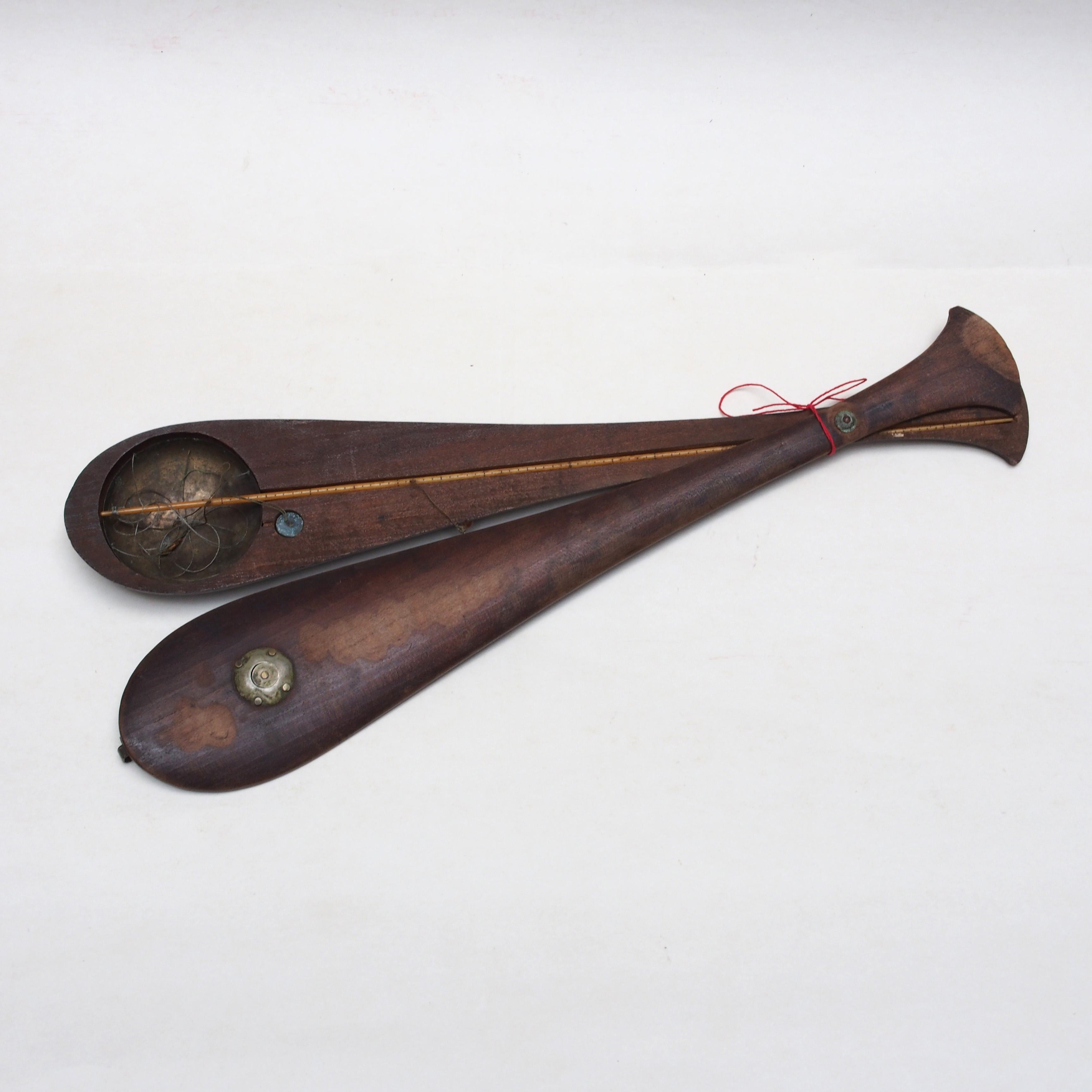
W60xL330xH30mm, China
W60xL330xH30mm, China
 D160xL280xH80mm, China
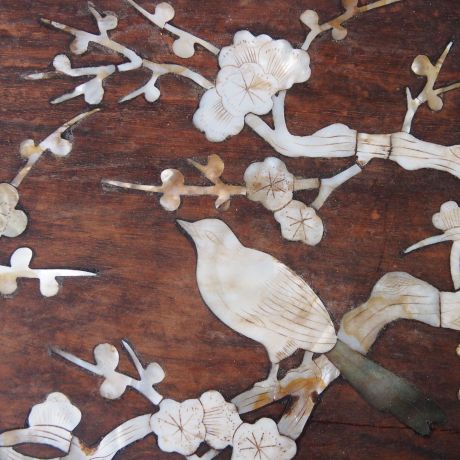
A box for the precious objects, decorated with mother of pearl inlay describing a scene of plum blossom and playful birds. The theme of plum blossom and birds often appears in jewelry, paintings and pottery, symbolizing the beginning of a new year (click to see our other items of the same theme).

 W120xL490xH90mm, Hong Kong (NOT FOR SELL)
Some point in every boy’s childhood came the grand project of making a toy boat.
This keel is part of my father’s.
Carved out from a single piece of wood, its almost sculpture like.
The smoothness of the surface, the textured interior reminded me of the coco de mer.
Boys today are more sensitive in digital nature, perceiving the world through the screen and the input device.
 W290xL310xH40mm, China
The Chinese chess is a popular game since the Warring State period 1600BC and today major tournaments are held across China and it is a major past time for many.
The character of the chess resembles different roles in the military and have their own rule in movement. Unlike western chess, the pieces are placed on the nodes rather than the square itself
From these rules, and the popularity of the game, there are some idioms basing on the game of chess.
 W150xL470xH20mm, Denmark
A game from my childhood.
Rules:

W120xD100xH480, Burma
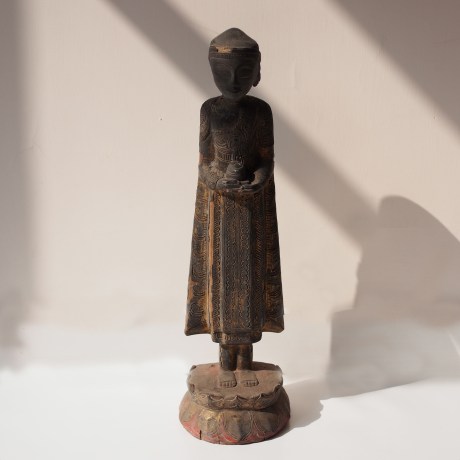
This is a figurine of the Buddha with an alms bowl standing on a lotus flower.
In Theravada Buddhism, “pindacara” a daily alms collection of food “pindapata” is practiced by the monks (and nuns). The word for monk “bhikkhu” means one who lives on alms, while “pindapata” means dropping a lump. The monks would leave their monastery, in a group they walk barefooted in single file according to seniority, their robe formally arranged covering both shoulders. The route will go through the village house by house, accepting but never requesting food that is dropped into the bowls. This figurine, the Buddha, is leading figurine of a group which consists of monks of different heights which unfortunately is not with us.
Monks in Burma
the second film has a more in depth view of a monk’ life.

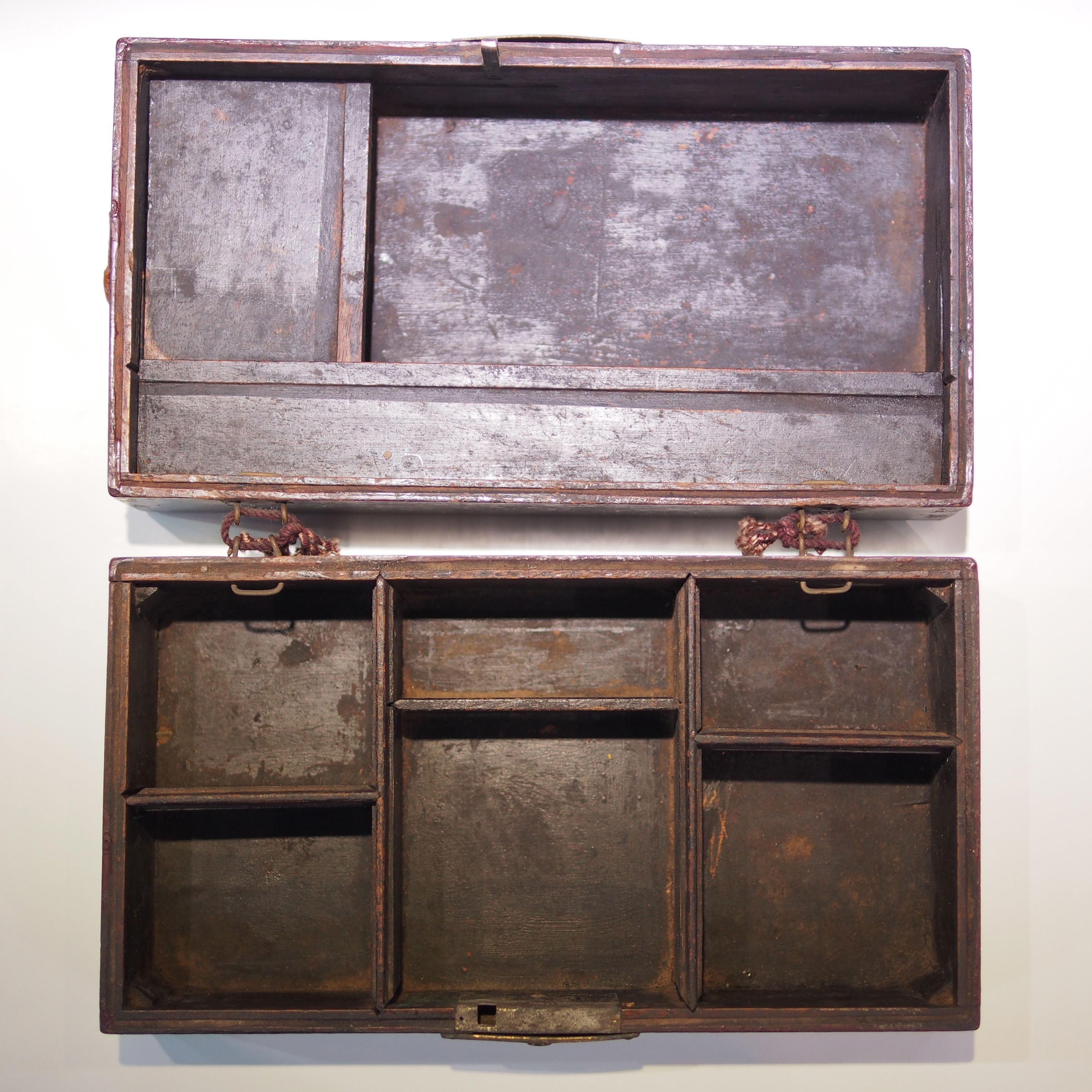
W250xD140xH110mm, China
While researching on other items relating to opium, I realised there has been a mistake.
This item as previously published (2013/10/23) as being a stationary box. Apology! It is actually a box for storing the opium kit.
Similar box can be found in the Brooklyn Museum Collection.
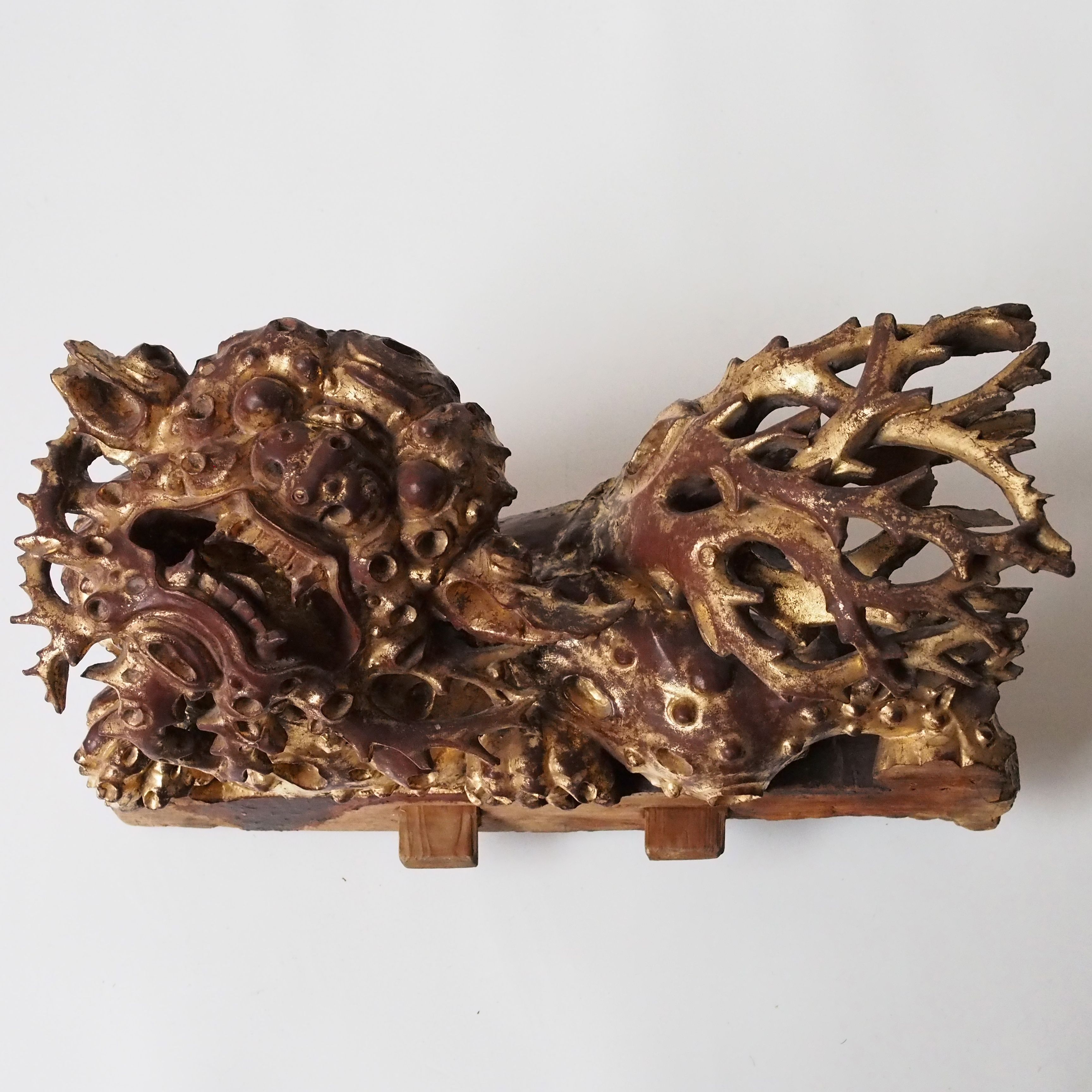 W350xd150xH200mm, China
Chi Wen, the second son of the dragon, like the Tao Tie and the Suan Ni. The Chi Wen loves enjoying the vista and fire eating, because of this it is often found on the ridges of traditional buildings as a protection against fire. The Chi Wen has a head of a lion but the tail of a fish, the legendary owl fish (which was likely to be the whale)


This beautifully carved golden wood carving is used as a decoration for the company logo.
You can take a glimpse of it in the film below, a documentary about a traditional cake shop in Hong Kong. In the first episode, the decoration construction for the Mid Autumn festival starts at 3:34″. The pair can be seen under the logo at 5:05″, closed up at 5:10.
This series of documentary “May Food Keep Us Together” is one of my favorite, it examines the tradition, the generations of the family who runs these food places that are quickly replaced by the chain fast food outlet.
W70xL100xH60
This cute little wood carving is in fact a tool, a wood block stencil for fabric printing in India, bunta. The stencil is painstakingly carved out from a solid piece of wood guiding only by a rough piece of paper template. Here is how they are made.
Check out our other bunta.


 Mountain Folkcraft