Archives for the month of: March, 2014

OLYMPUS DIGITAL CAMERAW150xL470xH20mm, Denmark

A game from my childhood.

Rules:

  1. The Kalaha is played by 2 persons who make their moves alternatively.  They take a seat at opposite sides of the boards.  Each player has at his disposal the 6 small grooves next to him – the ambos – and the big groove at his right – the kalaha
  2. The aim is for each player to gather as many balls as possible in his own kalaha; the total amount of balls is 36
  3. Before the game starts the balls must be placed in the ambos, 3 pcs.  In each, none in the kalaha.
  4. The player selects one of his own ambos from which he removes all the balls.  Then he drops these balls one by one, from the left to the right, into his own ambos and also into the kalaha when it is next in turn.  If there are any balls left these must be dropped into the opponent’s ambos, but not into his kalah.
  5. An extra move is granted if the player drops his last ball into his own kalaha.
  6. if the player drops his last ball into an empty ambo of his own he may take both this ball and the balls in the opponent’s ambo directly opposite and drop all of them into his own kalah.
  7. The game is over when the ambos of one of hte players are empty.  The player who still has balls left in his ambos may move them into his onw kalaha as they shall be included in the final result.
  8. The player whose kalaha holds the major part of the balls is the winner.


clay toyW150xD40xH200mm, China

Characters from the Beijing Opera (which is a collection of legendary stories in itself) are made into toys.  I suppose the its no difference now with Buzz Lightyear and the Woody action character, an hero friend you can keep in the pocket.

This is Guan Yu, the hot blooded general of Liu Bei in the Three Kingdoms era (200BC), the character is made popular by the historic novel “Romance of the Three Kingdoms” (published 1350) where he is described as 9 feet tall with a 2 feet long beard, a date colour face and red lips, eyes of a phoenix, silkworm like eyebrow and above all loyal and dignify.

Not only is he a favorite character for the kids,  he can also liked by the adults, taking on the role as the God of Wealth.  In praise for his loyalty, in Hong Kong Guan Yu is also worshiped by the police and Triads alike.

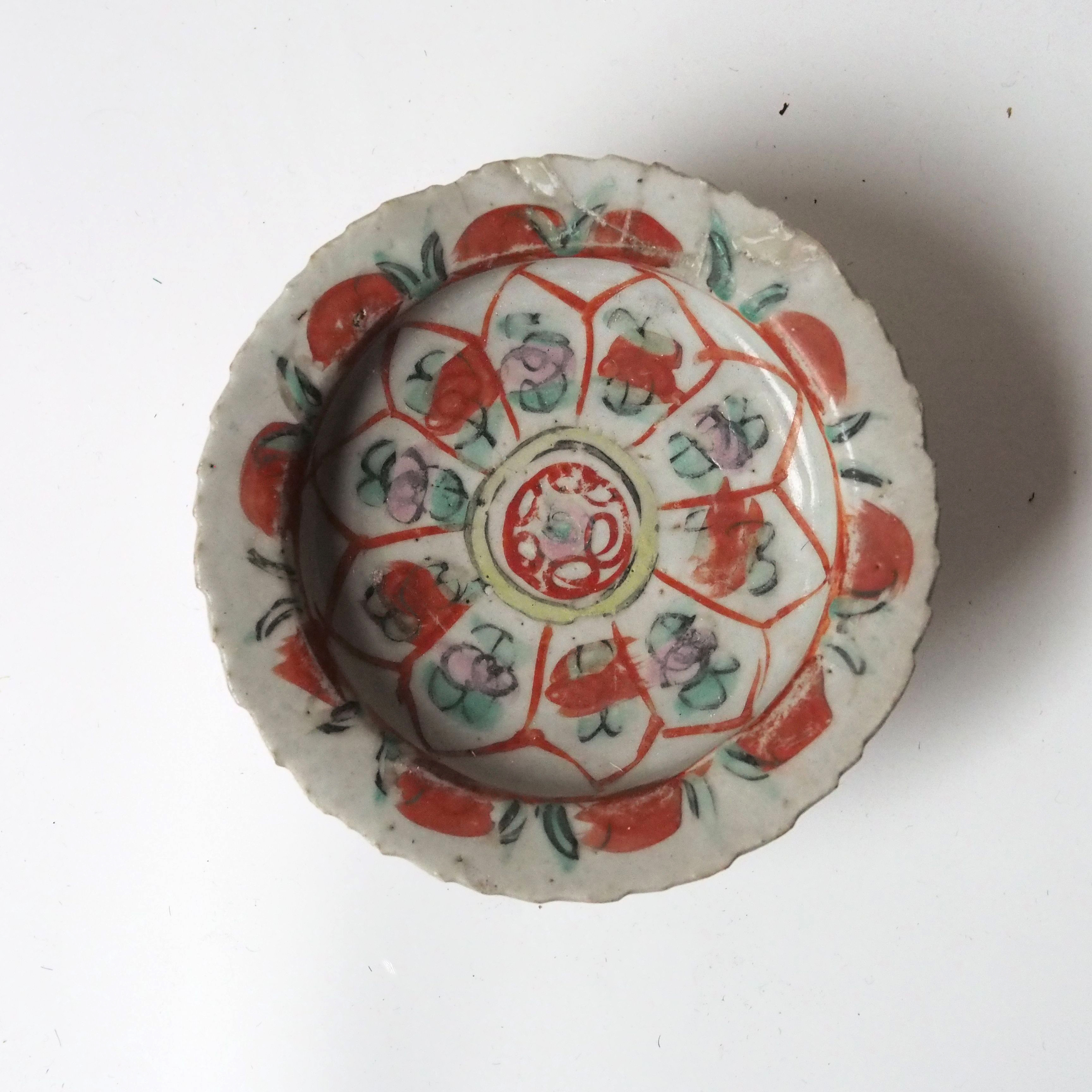
DishesDIA100xH40mm, China

A pair of peony bowls.

Peony is a flower that has been much appreciated, beyond displaying in gardens.
Its beauty reciprocated in painting, opera and poetry.

Emperor Xuan Gong was with his beloved Lady Yang admiring the peony blossom in the palace garden.  Li Bai was summoned to court to write a poem about the peony.

清平调

雲想衣裳花想容,春風拂檻露華濃。
若非群玉山頭見,會向瑤臺月下逢。

一枝紅豔露凝香,雲雨巫山枉斷腸。
借問漢宮誰得似?可憐飛燕倚新妝。

名花傾國兩相歡,長得君王帶笑看。
解釋春風無限恨,沉香亭北倚闌干。

The poem “Lady Yang” by Li Bai, translation by S. Obata

The glory of trailing clouds is in her garments,
and the radiance of a flower on her face.
O heavenly apparition, found only far above
On the top of the Mountain of Many Jewels,
Or in the fairy Palace of Crystal when the moon is up!
Yet I see her here in the earth’s garden
The spring wind softly sweeps the balustrade,
And the dew-drops glisten thickly …

She is the flowering branch of the peony,
richly-laden with honey dew.
hers is the charm of the vanished fairy,
That broke the heart of the dreamer king
In the old legend of the Cloud and Rain.
Pray, who in the palace of Han
Could be likened unto her,
Save the lady, Flaying Swallow, newly dressed
In all her loveliness?

She stands, leaning against the balustrade
Of Chen Hsiang Ting, the Pavilion of Aloes.
Vanquished are the endless longings of Love
Borne into the heart on the wind of spring
The radiant flower and the flowery queen rejoice together,
For the emperor deigns to watch them ever with a smile.


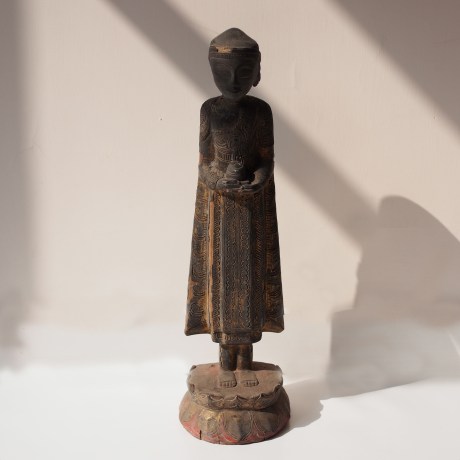
OLYMPUS DIGITAL CAMERAfigurine

W120xD100xH480, Burma

This is a figurine of the Buddha with an alms bowl standing on a lotus flower.

In Theravada Buddhism, “pindacara” a daily alms collection of food “pindapata” is practiced by the monks (and nuns).  The word for monk “bhikkhu” means one who lives on alms, while “pindapata” means dropping a lump.  The monks would leave their monastery, in a group they walk barefooted in single file according to seniority, their robe formally arranged covering both shoulders.  The route will go through the village house by house, accepting but never requesting food that is dropped into the bowls.  This figurine, the Buddha, is leading figurine of a group which consists of monks of different heights which unfortunately is not with us.

Monks in Burma

the second film has a more in depth view of a monk’ life.

opium scaleL200xW90xD250mm, Thailand

The container is beautifully painted lacquer.
Inside is a scale for measuring opium,
with the weights on one side and the opium on the other.

stationary box

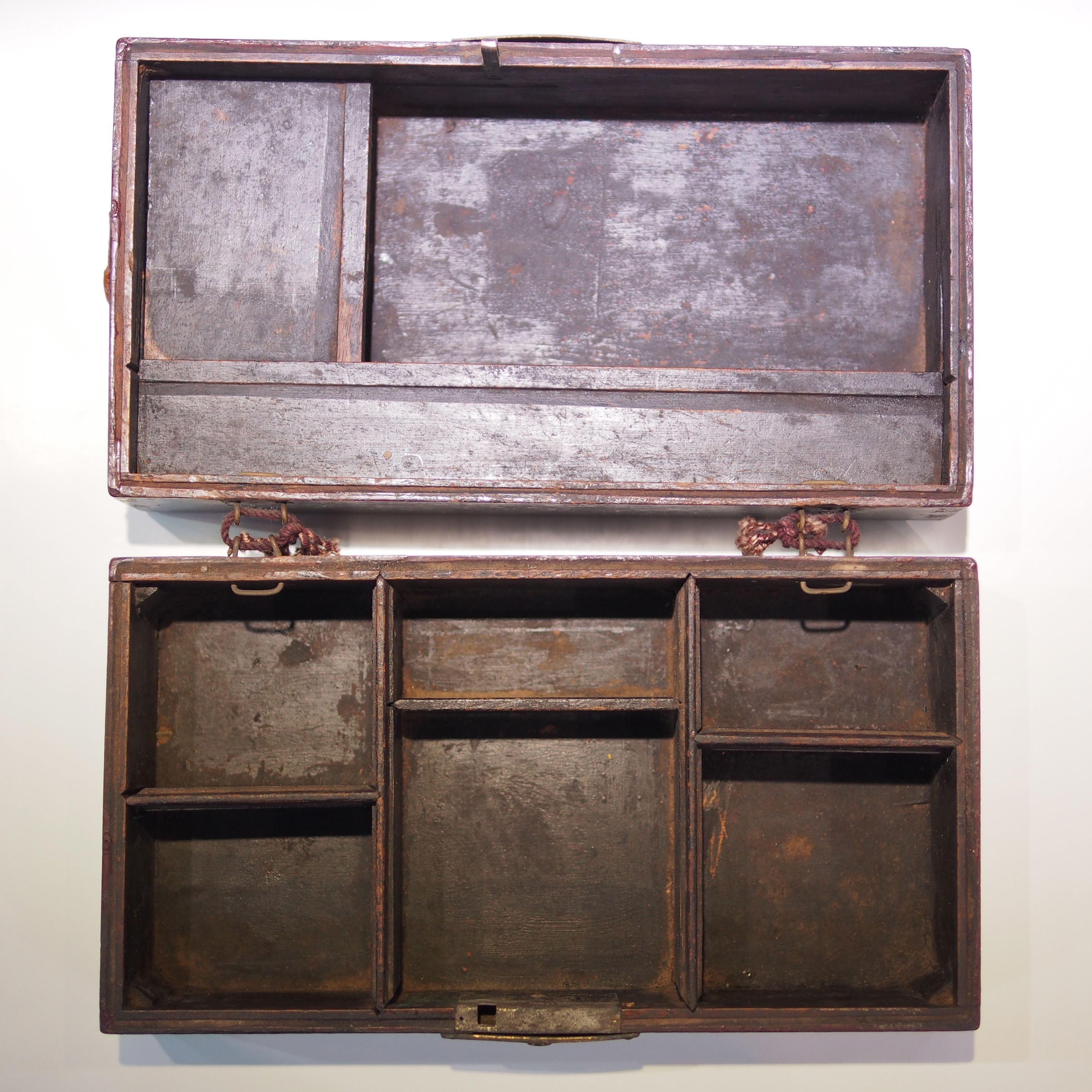
W250xD140xH110mm, China

While researching on other items relating to opium, I realised there has been a mistake.

This item as previously published (2013/10/23) as being a stationary box.  Apology!  It is actually a box for storing the opium kit.

Similar box can be found in the Brooklyn Museum Collection.

OLYMPUS DIGITAL CAMERA

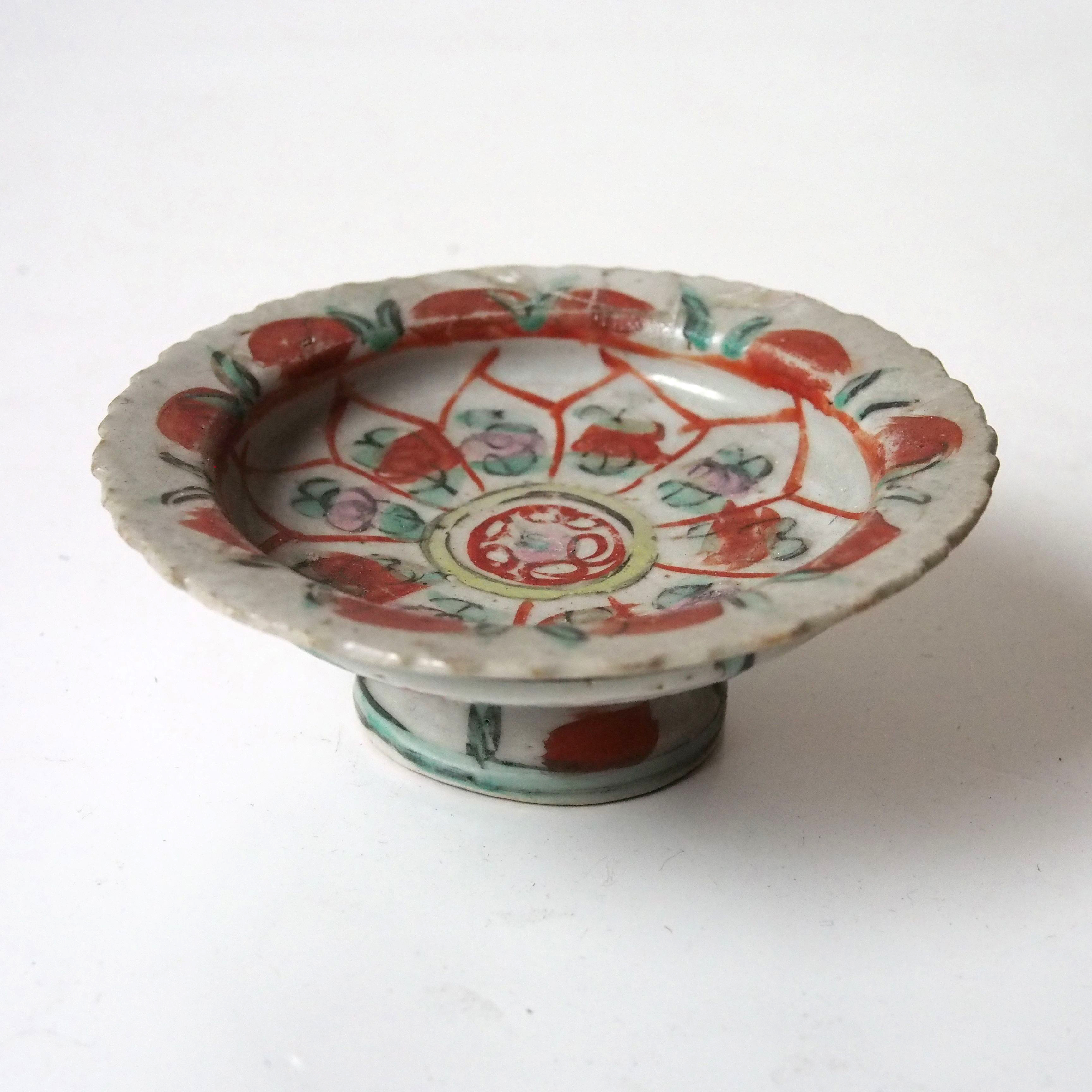
plateplateDIA100xH140mm, China

This is an offering plate for the gods at the temple or even at the shrine at home.

The offerings are broadly divided into 5 groups; tea and wine, incense, fruits and cakes, the 5 grains, animals.  These offering has to be aesthetically beautiful, making a melodic sound and of course tasty.

However, it seems Master Chin Kung’s teaching makes more sense.

Instead of tea and wine, water should be offered, our mind should be as pure and peaceful as water.
We should understand the meaning of what it is we are offering.

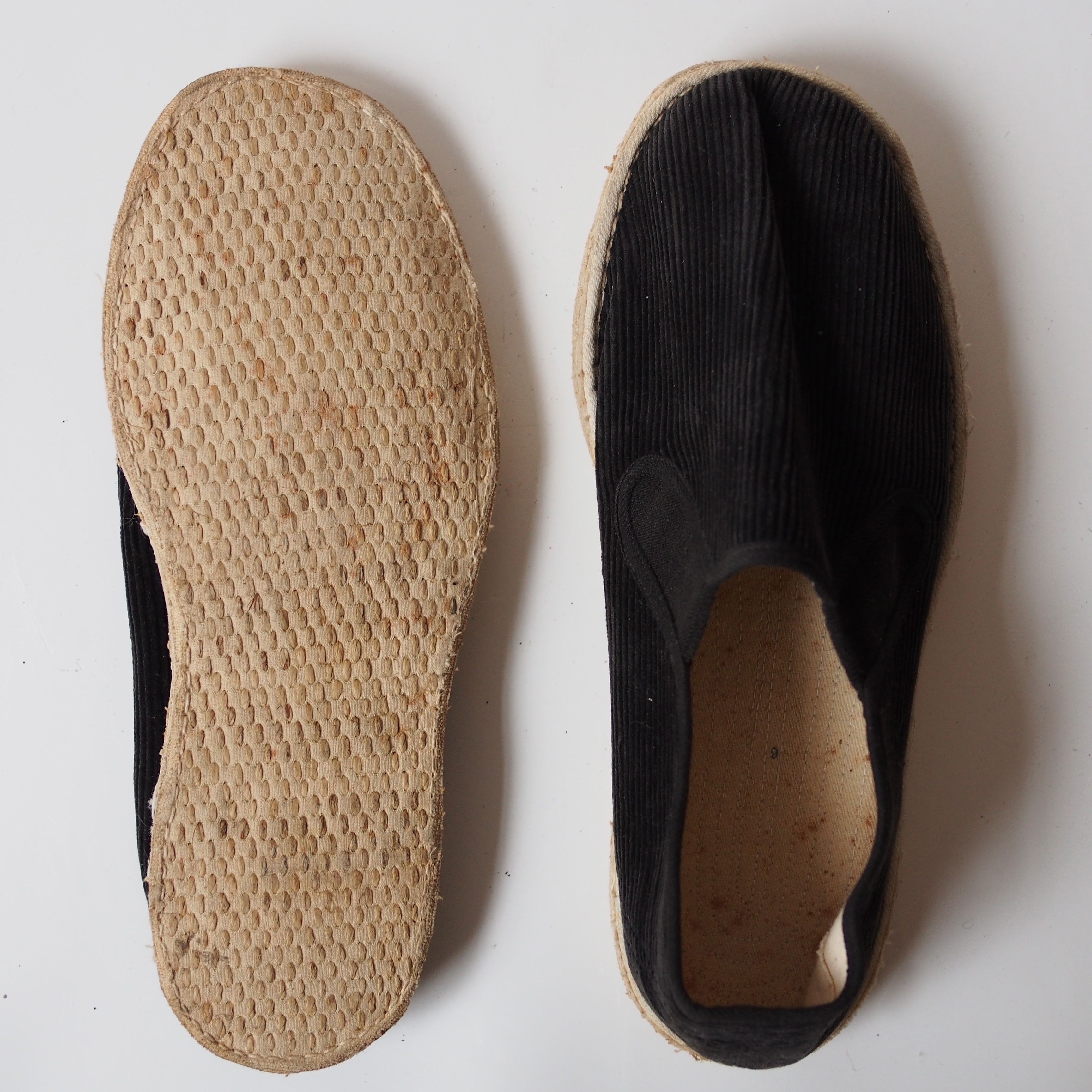
shoesEuropean Size 41

The name “Thousand Layer Sole” came from the fact that the sole is made with numerous layer of cloth held together with rice glue and hand stitching.  It is a common way of making traditional shoes in China, according to the archaeologists the technique has been around since the Zhou dynasty (700 BC).

Click to see how it is made, maybe you can try making it at home!

And here is how mom has learnt it as a child.

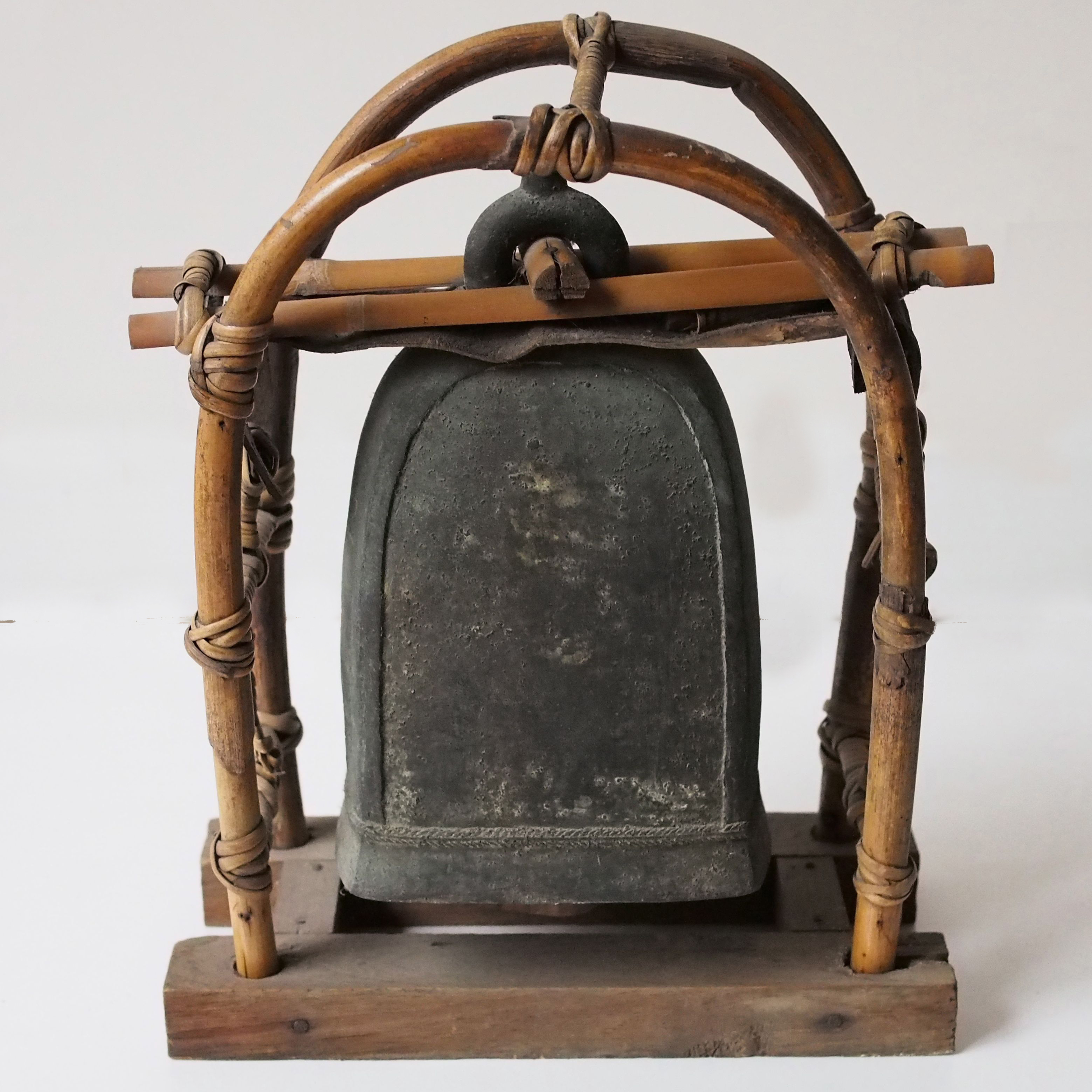
bellW300xD140xH350mm, Thailand

There is a long history for domesticated elephant in Thailand; with the strength the elephants can offer, they are captured from the wild and trained (a bit like the domestication of horses and dogs).  The white elephants were offered to the King and worshiped, some were trained to be fighting elephants, as the one used by Queen Suriyothai’s carrier in the war with the Burmese in 1548AD.  Others were trained to be laborers for the forestry, pulling logs from the mountain down to the river.  To track the elephants, bells were put around their neck so they can be heard in the forest.

Here is a Thai folk tale about a boy and an elephant bell.

Once upon at time, there is a poor boy despite of his lack of education he was taught the virtue of respect.  One day the boy was lost in the forest,  he wandered fearfully and came face to came with a full grown elephant.  The huge elephant was strolling peacefully munching banana and other fruits.  Judging by the size of the elephant, the boy thought the elephant must be thousands of years old and must be respected, he kneeled and bowed giving his respect to the animal.  Touched by the act the elephant helped him to find his way home, then the elephant said to the little boy, “Here is a bell given to me by the King of the Elephants, ring it if you are in trouble and the other elephants will come to help you.”  Then one day, the boy and his father were in the forests collecting wood for the fire.  Lighting strike and they became stuck by a fallen tree.  The boy remembered the elephant’s word and rang the bell, soon a herd of elephants came and lift the fallen tree and relieved them.  At the same time, the wild elephant who gave him the bell was captured and being trained as a fighting elephant.  Unsuited to his general temperment, the elephant snapped, killed his mahout trainer and destroyed the village.  The news reached the King and the troops were sent to kill the elephant, when the boy heard the news he volunteer to go to tamed the elephant in exchange for him to be free.  As he entered the village, the elephant charged for an attack.  The boy generally kneel and bowed as he did before, as he rang the bell, the elephant remembered him and came close to him.  The elephant calmed down and followed him to meet with the King who kept his word and the elephant was free.

What we need today is respect for these animals.

Three beautiful films by Gregory Colbert.