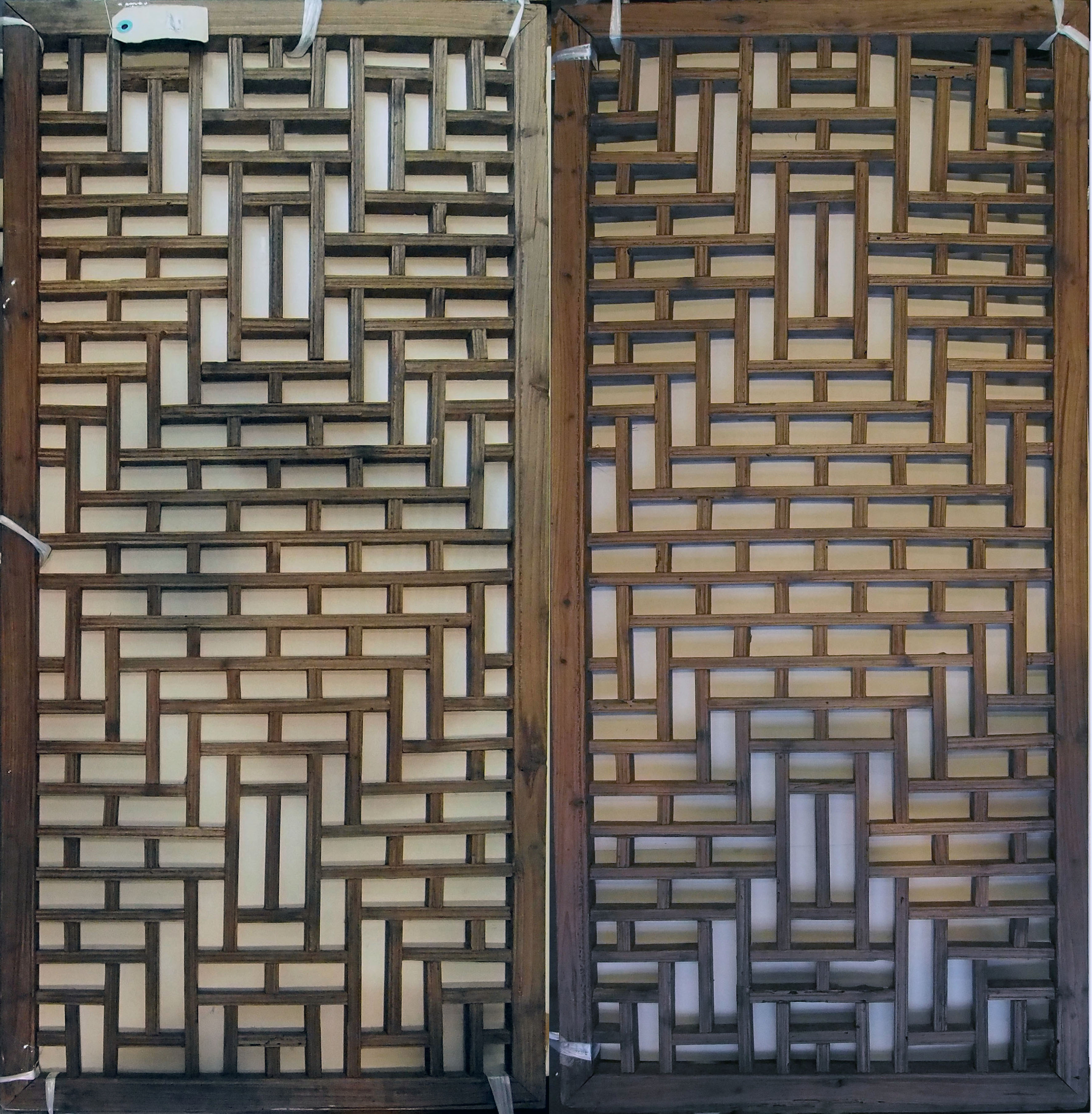
window lattice

W460xH1030mm, China

   These wooden window lattices belonged to the houses of Hui Zhou, an area with elaborated civilian architecture brought on by the wealth of the successful merchants in the area.  The Hui style architecture is unique, a combination of the local stilt houses and official northern courtyard houses, suiting to the southern climate, resulted in 2 stories courtyard houses with the living area directly opened to the inner courtyard with no wall or door in between, hence the courtyard which open up to the sky becomes part of the living area.  This pair of window lattice would have been used for the ground floor bedroom facing the living area.  They would have belonged to a humble family, though the craftsmanship is not as elaborated as that of the Yin Yu Tang, it is entirely put together by notches and without the use of a single nail.

See the Yin Yu Tang, a house transported from Hui Zhou to the  Peabody Essex Museum.

Yang Liu Qing

W1150xH670mm, China

This old Yang Liu Qing print, depicted a scene from a Tang dynasty poem, 商山早行 Morning Journey At Shang Shan.

晨起动征铎,客行悲故乡。
鸡声茅店月,人迹板桥霜。
槲叶落山路,枳花明驿墙。
因思杜陵梦,凫雁满回塘。

After a restless night thinking of my home town, I woke up with the hurrying bells of the inn.
The rooster crow at the frailing moon, on the frost cover bridge left the footprints of the travelers.
The down hill road is covered by wilting plants, orange flower shines out on the inn wall.
Seeing the sunrise, I thought of my dreams of ansers returning to the pond, maybe too I can see my family soon.

The people on the print, however, described another story;

人家骑马我骑驴,回头再看推车汉,比上不足 比下有余!

I ride a donkey and look up to those who ride a horse, but looking at the cart pusher I feel content.

brush standW140xD30xH70mm, China

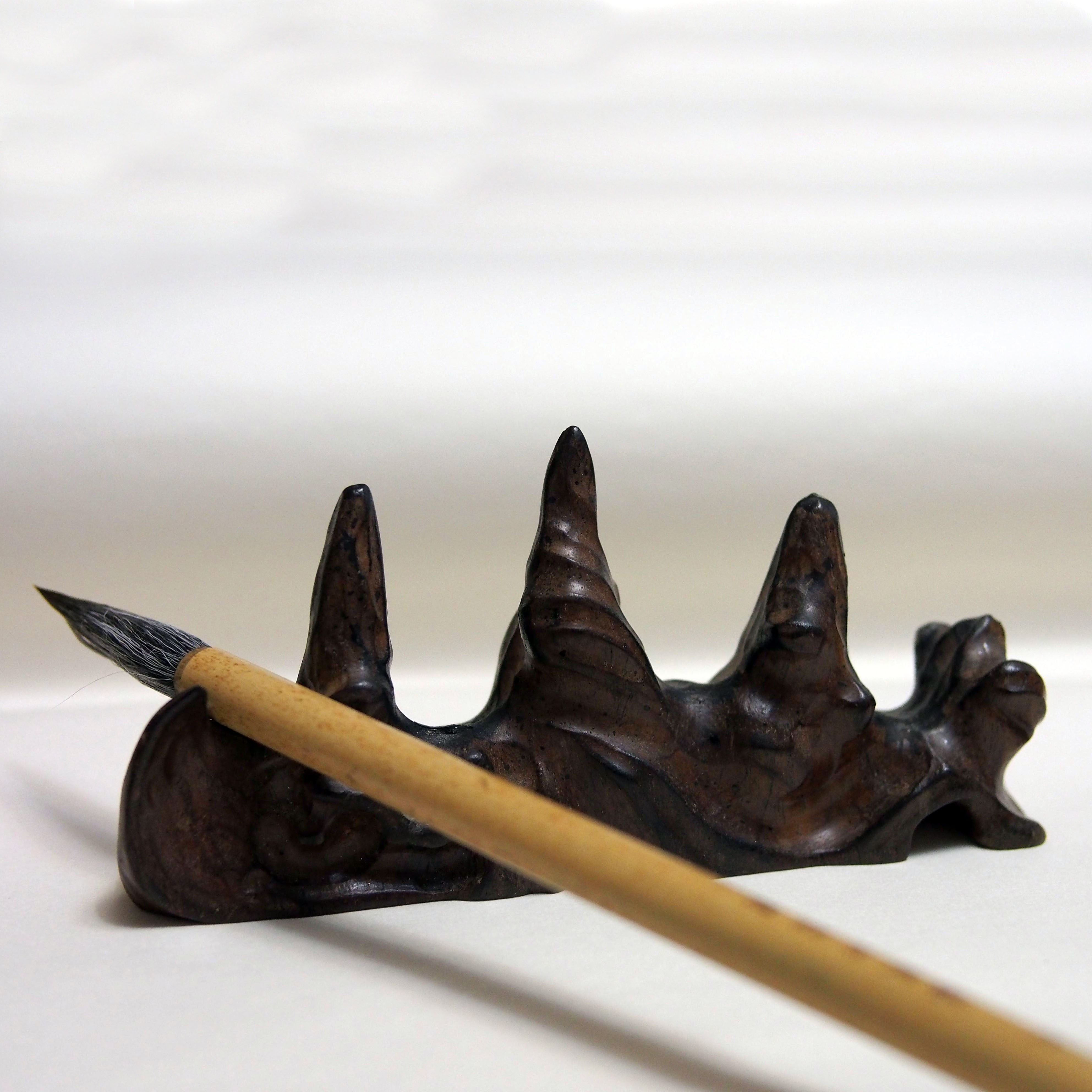
An essential stationary for the scholar, a brush rest for the temporary resting of the brush, as well as the mind.  When the job is done, the brush will be hung vertically to let gravity dry up the brush evenly.  There are many shapes for the brush rest but the mountain is one of the popular form, they can be made from coral, agate, crystal, jade to more common material such as wood and ceramic.

plateDIA135mm, China

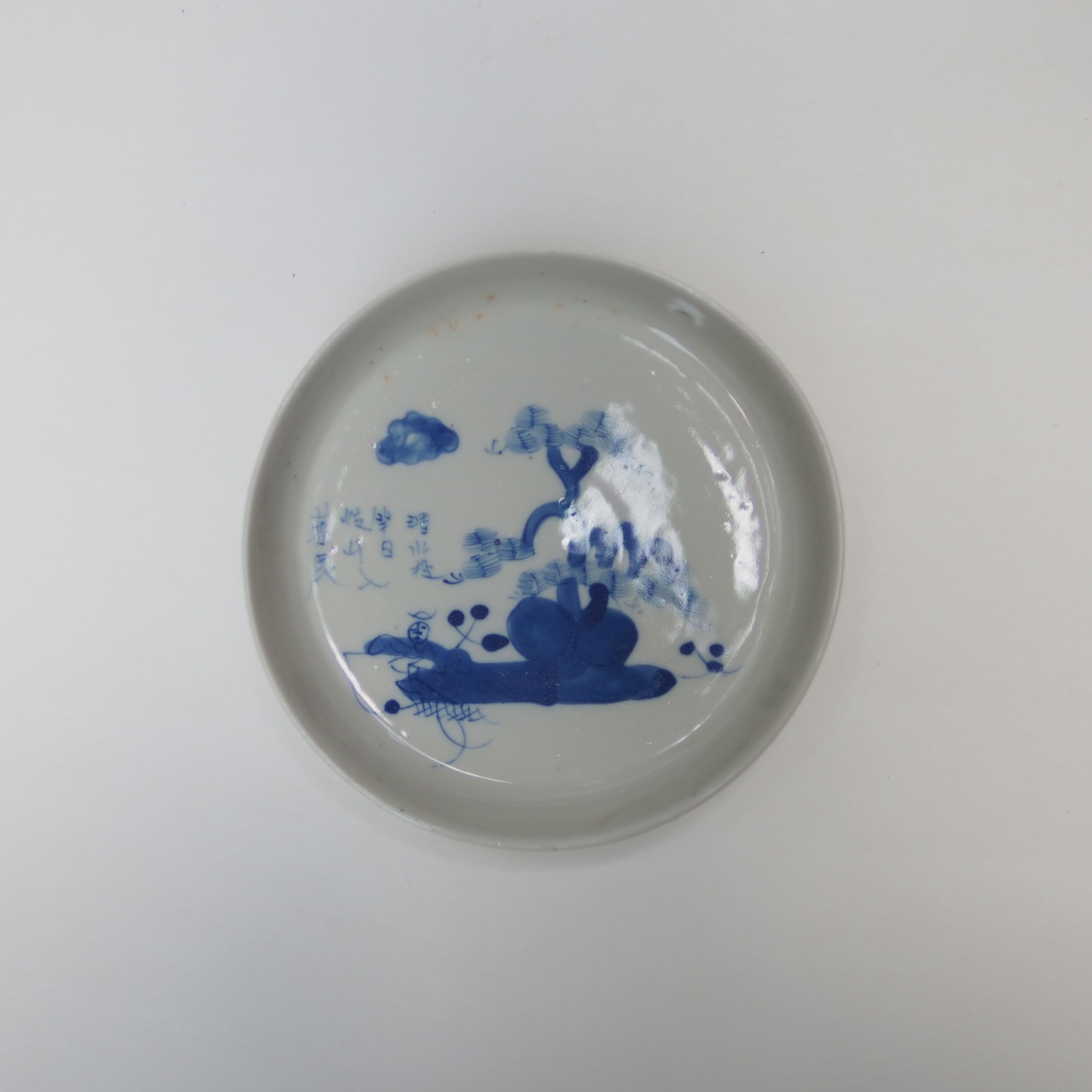
On this blue and white porcelain plate is a pine tree and a man fishing.  This man is Jiang Zi Ya, a man who is famous for fishing with a straighten hook.  This practice is not a new fishing method or something to do with humane way of fishing but an ideology of this special man.  Fed up with the administration of the Emperor, Jiang retreated to a remote area where he began this special fishing practice.  Under the clear water, everyone can see that the hook is straighten and thought that he is either stupid or lazy, but Jiang believe that if the fish is willing, it will come to him.  And at this remote village, one day Wen came to him, from there Jiang assisted Wen become the new emperor of the Zhou Dynasty.  And as for most hero in China, Jiang became a saint.

This item is also available at the Pop-Up Gallery @Fringe Vault, a joint venture with SOIL (July 4 – 31)

cotton car 1cotton car 4

W300xL460mm, Hong Kong

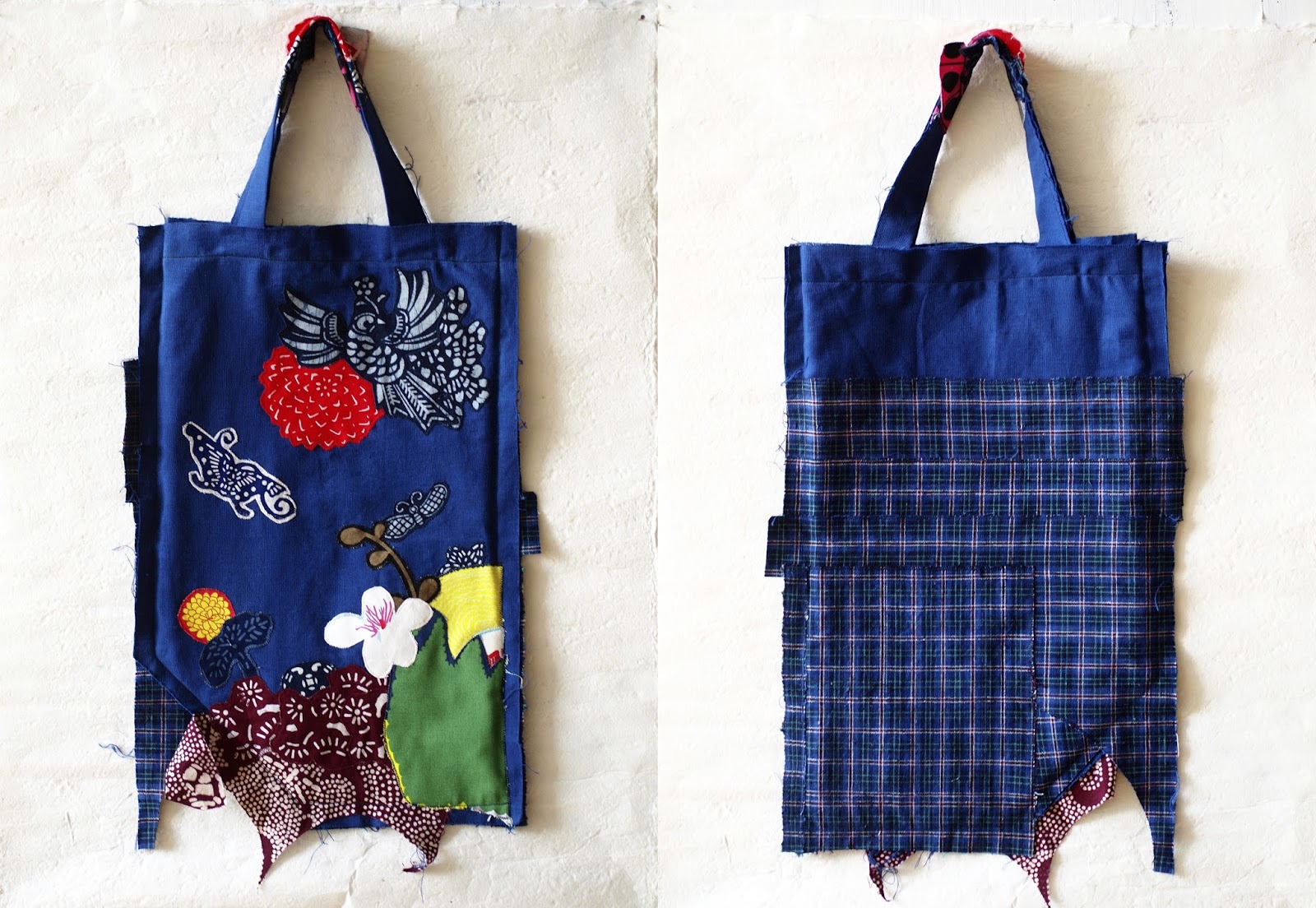
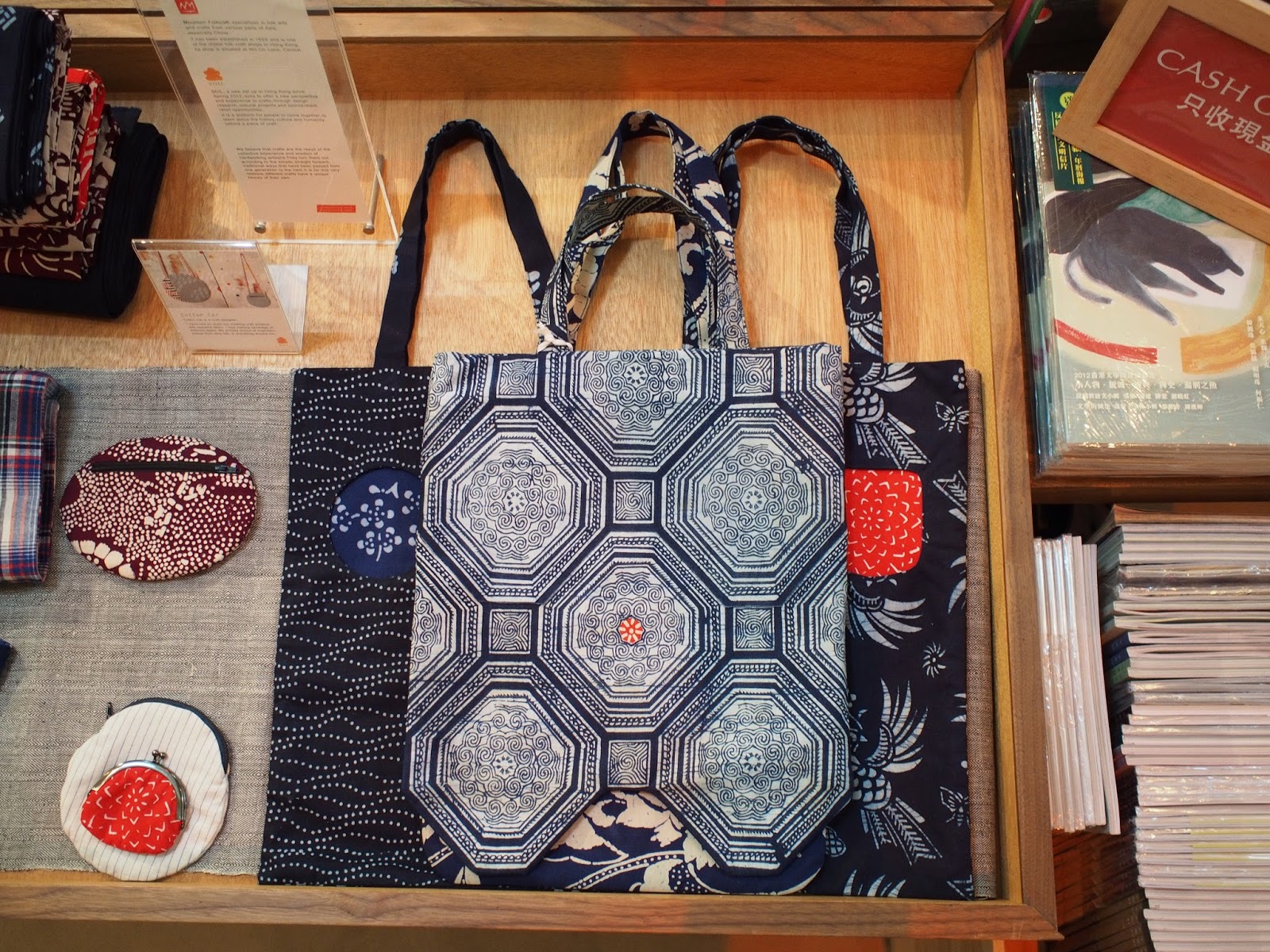
These beautiful tote bags are the creation of CottonCar for her collaboration with Soil.

An imaginative use of our fabric with a contemporary design.

Available @ Pop-Up Bookshop Gallery @ Fringe Vault

cotton car 7

cotton car 8

W300xL400mm

cotton car 9cotton car 10

W310xL400mm

fringe 2fringe 1

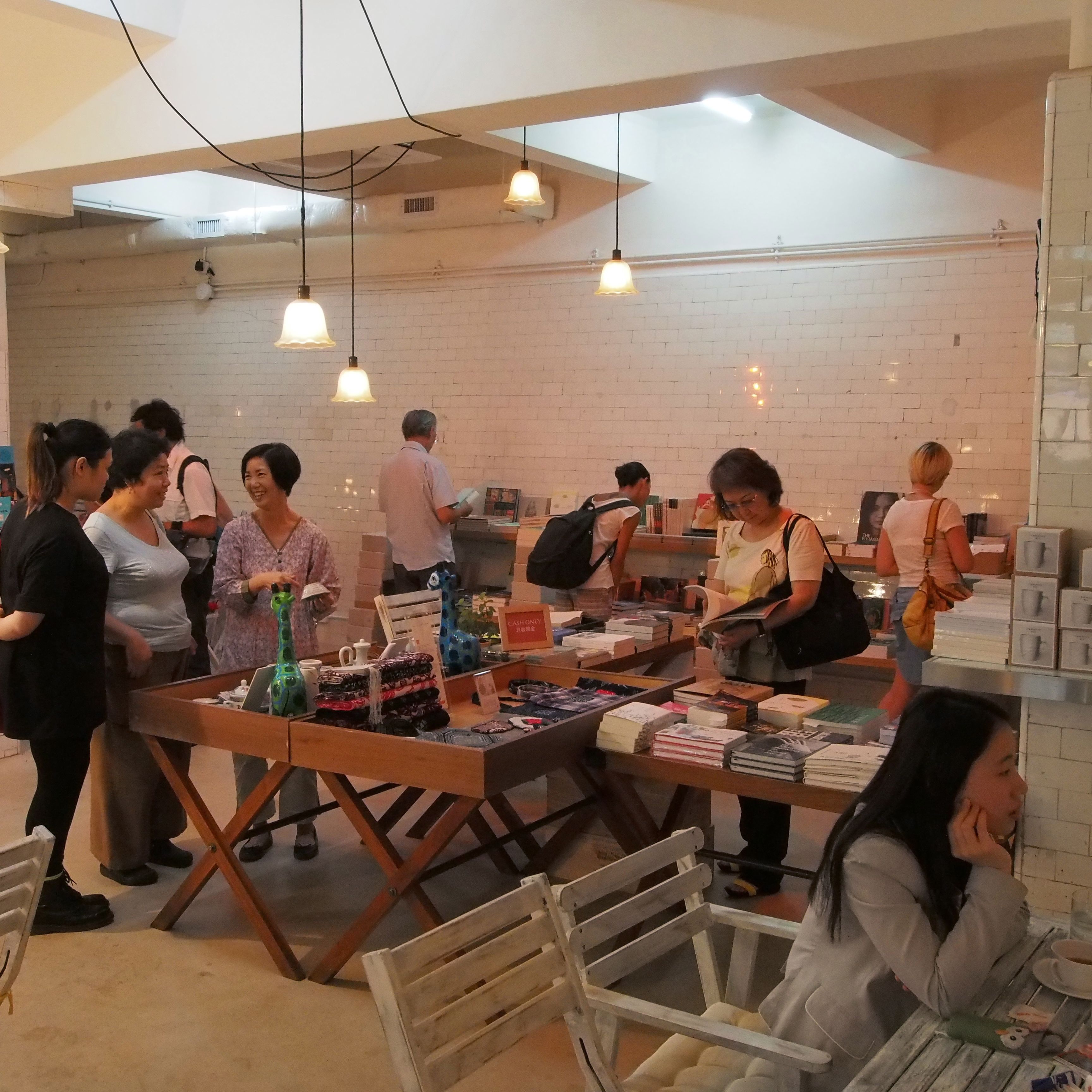
Come visit us at the Fringe Club, a joint venture with Soil,

 @ Pop-up Bookshop Gallery of the Fringe Vault (July 4 – 31)

This is part of the event “Creative Ventures into Publishing, Crafts, Design and Coffee Farms”

There are items from CottonCar, Chiu Kee (Peng Chau), local ceramics artist Winus Lee, Mountain Folkcraft,
Blacksmith Books, Bolaven, Craftopia, Fleurs des Lettres, I’MPERFECT, MCCM Creations, Proverse Hong Kong and of course SOIL

fringe 3

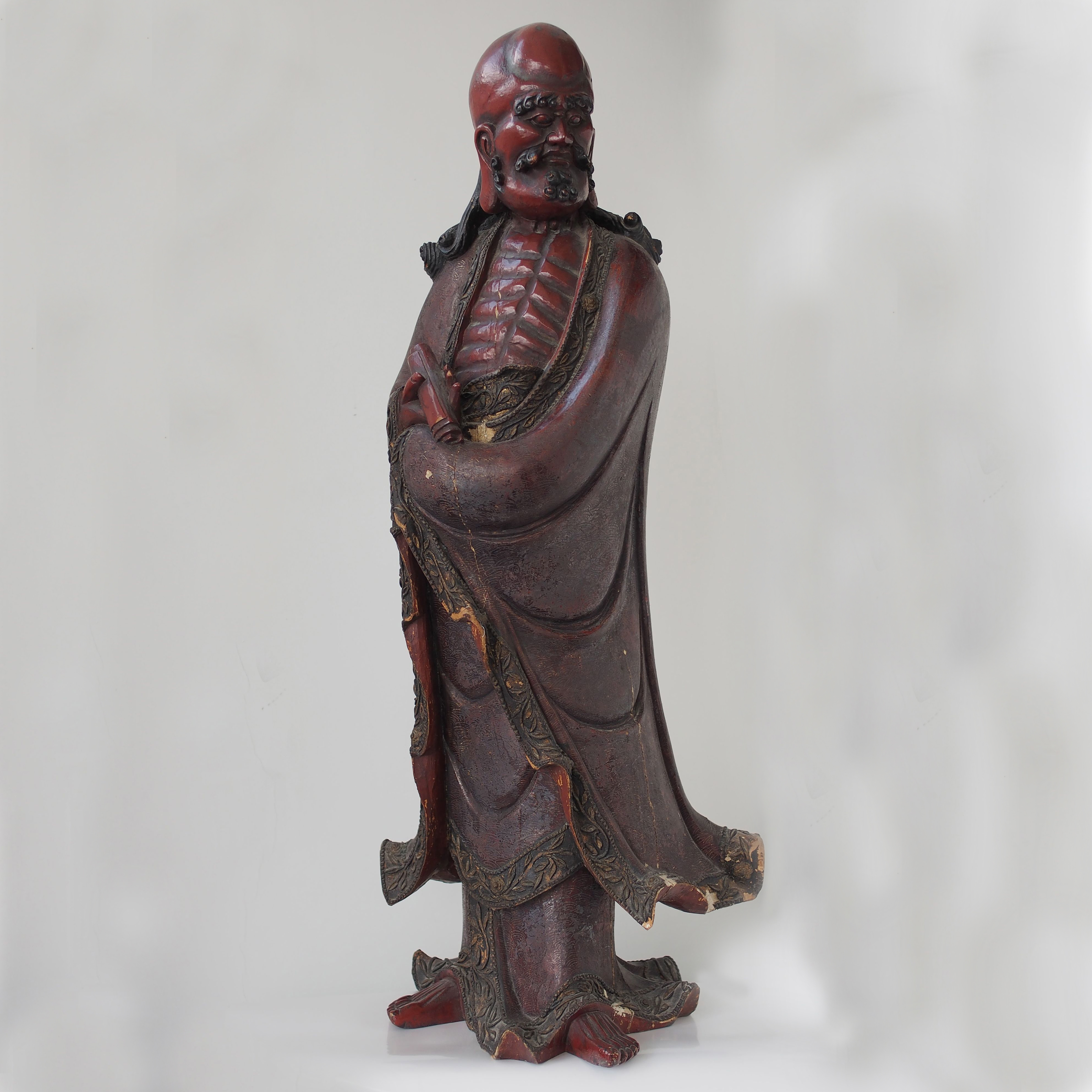
lacquer Bodhidharma

W300xD200xH800mm, China

This is a statue of the Bodhidharma, the Buddhist monk who is accredited to have introduced Buddhism to China.   It is believed that he is the third son of King Tamil Pallava of Kanchipuram and arrived to the now Guangzhou area in Southern Northern Dynasty (470AD).  The most famous legend about Bodhidharma is his wall glazing.  After felling out with Emperor in the Southern State, Bodhidharma travel up Yang Tze River, arrived at Shao Lin Temple and meditated by glazing on the wall for 9 years.

He is also believed to have introduced the 72 Shao Lin super kung fu and here is one of them.

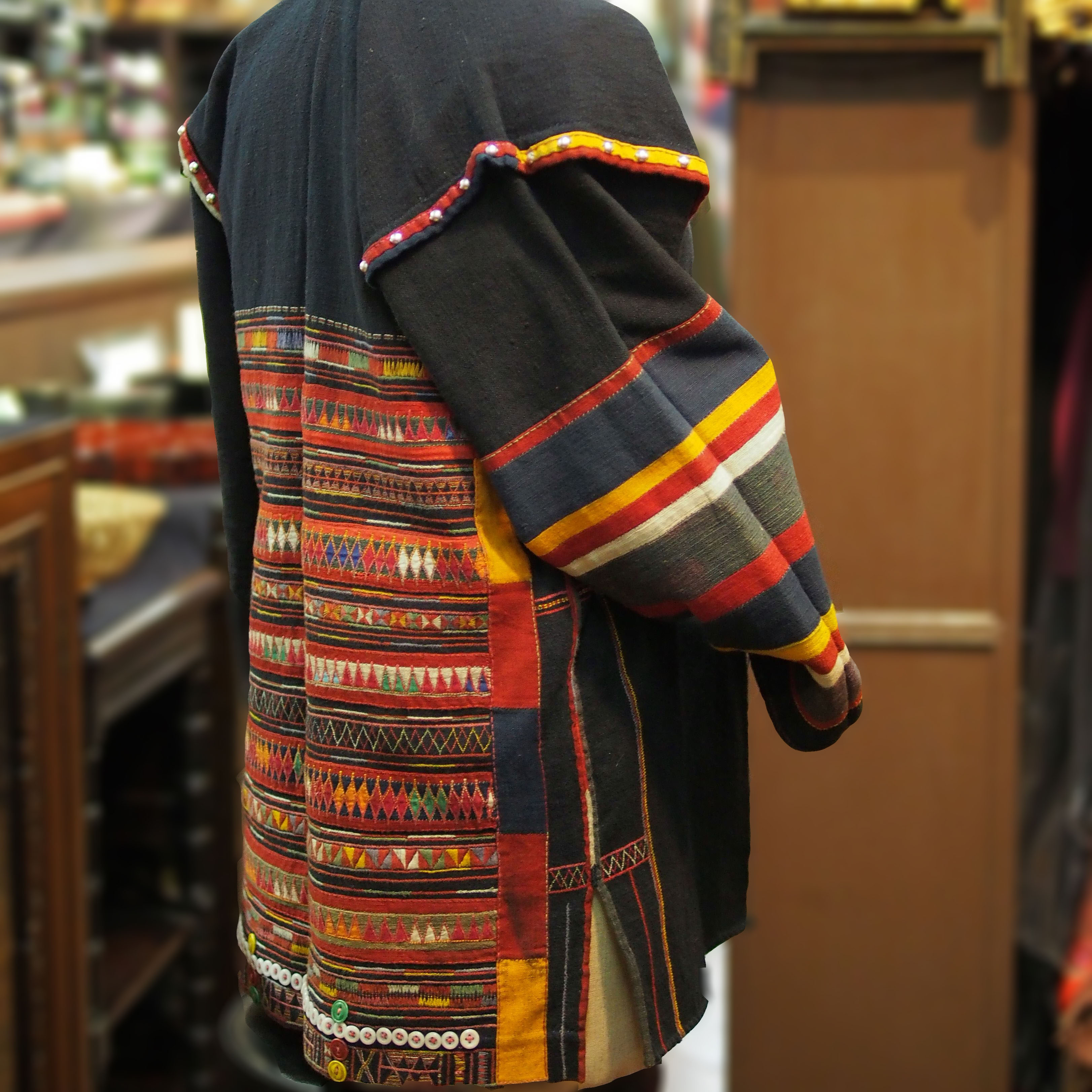
Hmong tribeHmong tribe costumeL700mm, Thailand

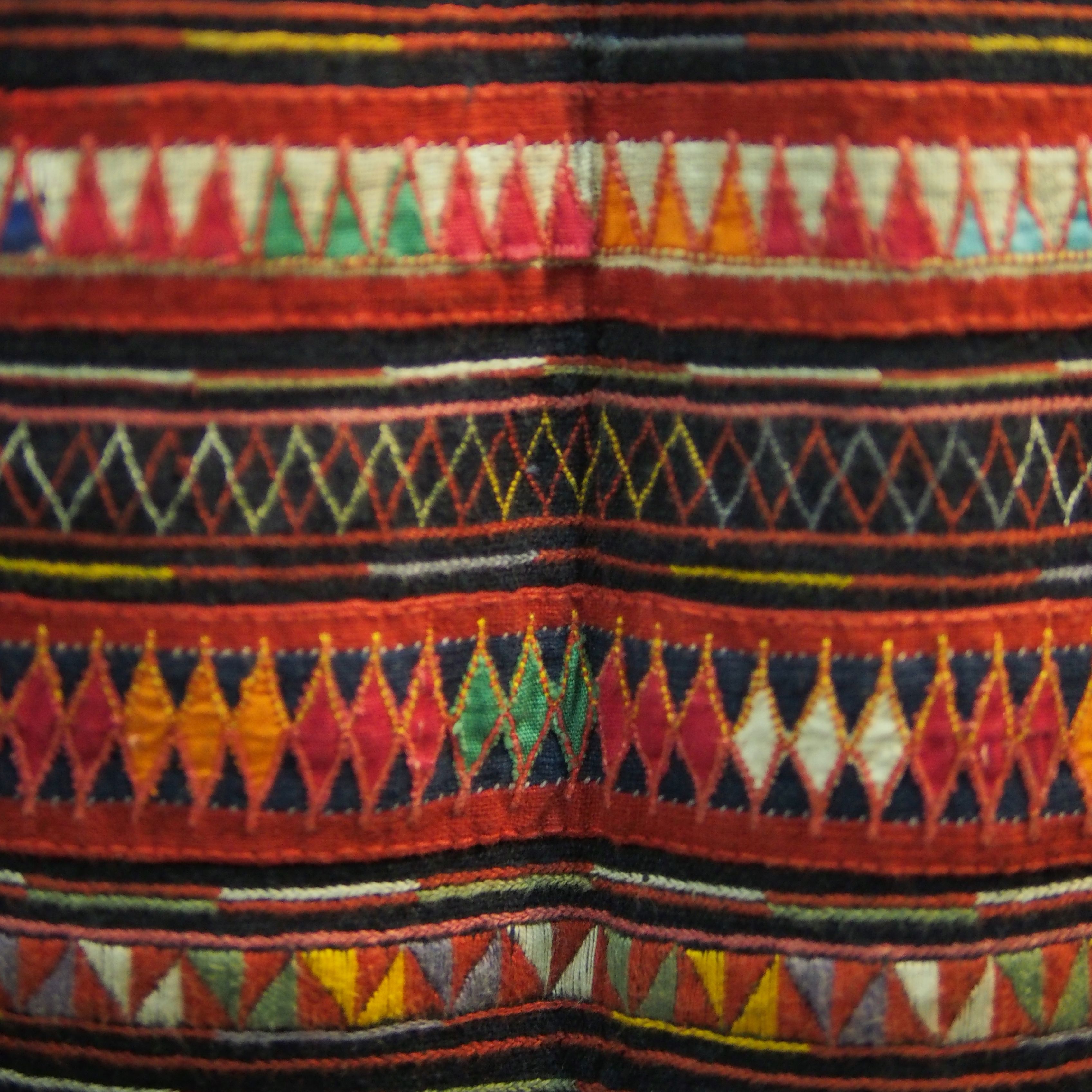
This smart garment belongs to the Striped Hmong tribe (Hmoob Txaij) of Thailand, they are one of the 5 hill tribes in the area between Northern Thailand, Laos and Myanmar.  Amongst the Hmong tribes, there are 4 sub tribe – White Hmong, Green Hmong, Striped Hmong and Hmong Chinese.  The Striped Hmong’s costume have striped bands on the arms.

wood carving

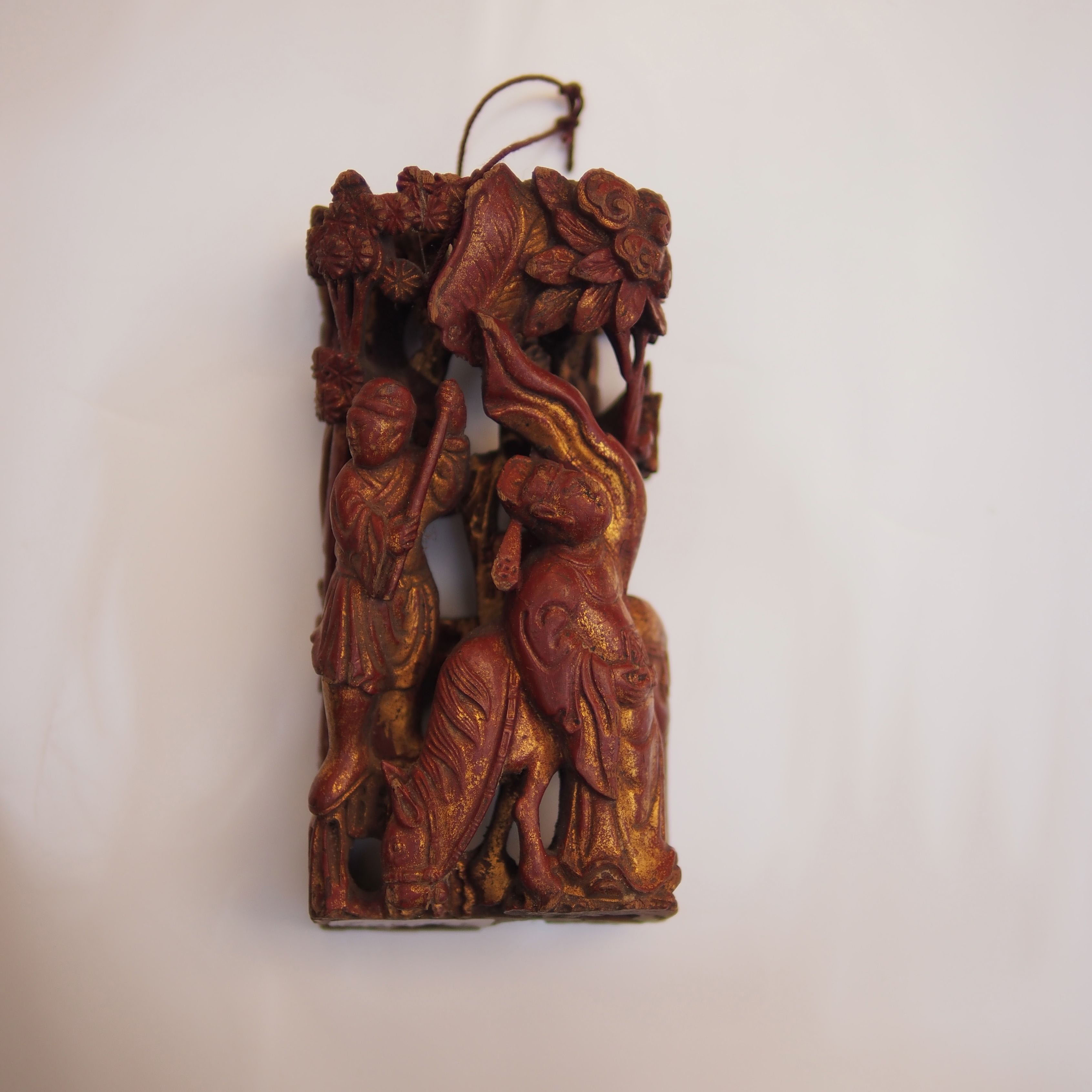
W70xD50xH140mm, China

This wood carving is depicting the event of the top scholar of the year, Zhuang Yuan, a parade showing off his achievement.  Early on the Chinese has established a strong examination system for the selection of her court officials.  The procession started inside the Jin Luan Dian, one of the three main courts of the forbidden city, this is here the Emperor will announce the top 3 scholars, their name will be sang out.  After thanking the Emperor, the Zhuang Yuan will depart the Jin Luan Dian, passing the Tai He Men, Wu Men, Duan Men, Cheng Tian Men, Ta Ming Men then head back to Chang An Zho Men to exit the forbidden city and continue his celebratory journey home.  Chang An Zho Men, now demolished, is the single entrance for “non-emperor”.  On the day of the results, after names of the Zhuang Yuan and others have been sang out in Jin Luan Dian, their names will be written on two yellow piece of paper, one to be kept as a record inside the court and the other larger piece to be posted inside a a temporary scaffolding hut outside Chang An Zho Men.  The examination system was a attempt to find the most capable regardless of the social background, it is similar the Chinese legend of the carps jumping up the sky in belief that they will become dragons.  For this the Chang An Zho Men (left door by Chang An Street) is also known as the Dragon Gate.

See the journey on map.

wood carving

Click here to see a embroidery version of this theme and below is a puppet version.

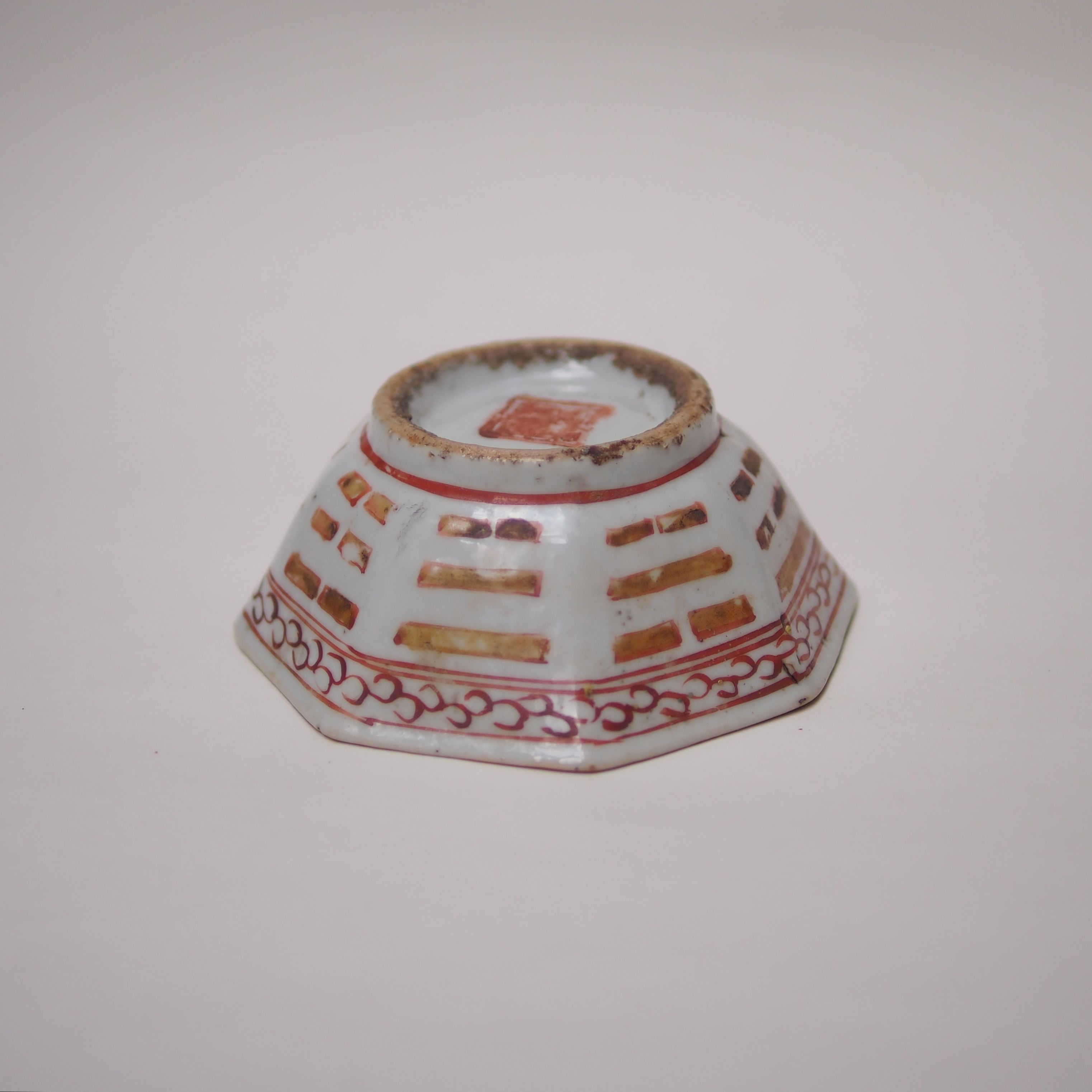
bowlbowlDIA120xH50mm, China

This pottery bowl was used as a container for Taoist offering.   The horizontal line pattern on the bowl are trigram figures from the I Ching, on each face of the octagon bowl are the pattern; 乾 Qian, 兑 Dui, 离 Li, 震 Zhen, 巽 Xun, 坎 Kan, 艮 Gen, 坤 Kun.  These 8 trigrams correspond to 8 nature phenomenon, namely, Sky, Lake, Fire, Thunder, Wind, Water, Mountain, Earth.  From the 8 trigrams found by Fu Hsi, 64 hexagrams was developed capturing more natural phenomenon and human events,it was later used for prediction of events.  From the Yuan dynasty, trigrams pattern were introduced to ceramic decoration and flourished in the Ming dynasty.