Archives for the month of: July, 2013

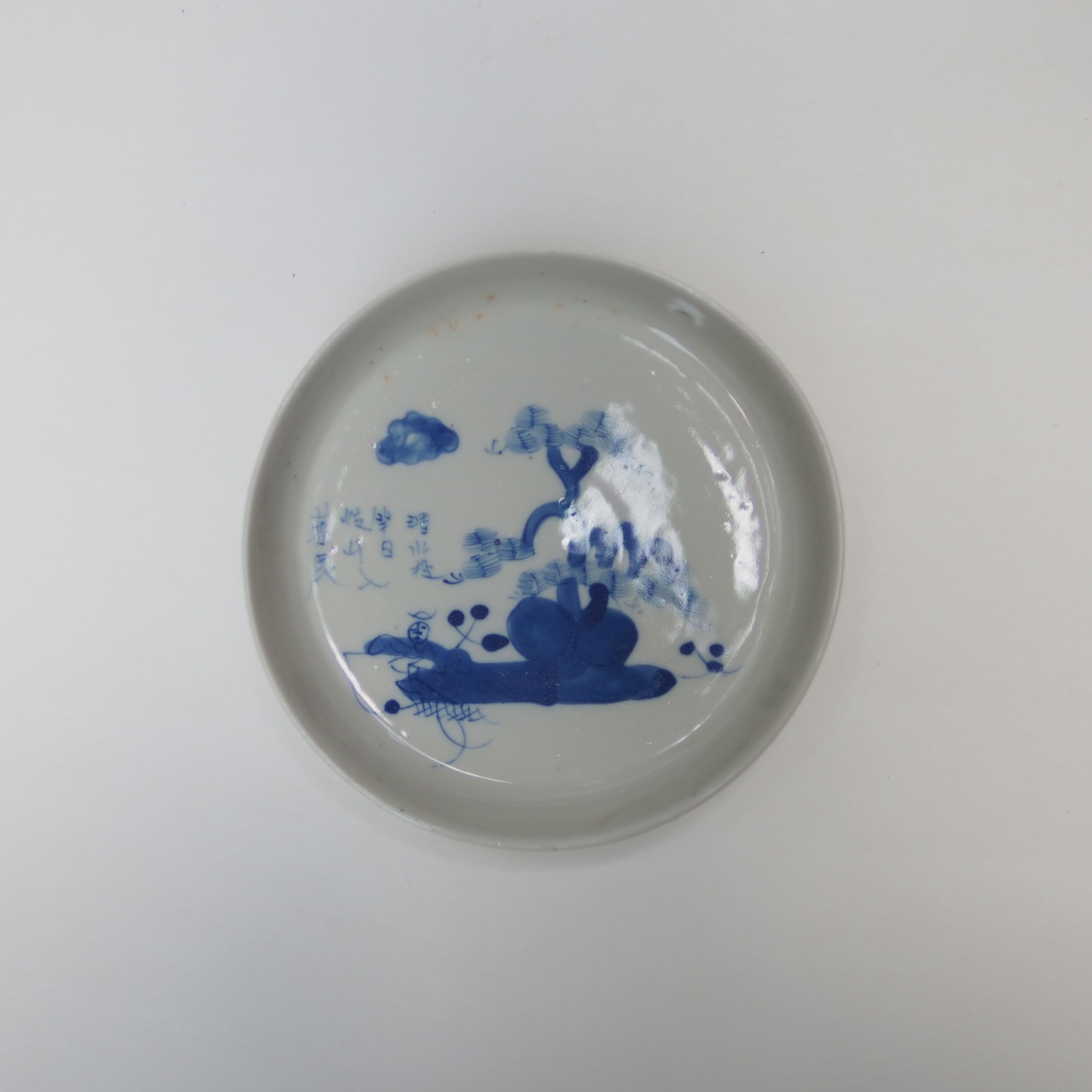
plateDIA135mm, China

On this blue and white porcelain plate is a pine tree and a man fishing.  This man is Jiang Zi Ya, a man who is famous for fishing with a straighten hook.  This practice is not a new fishing method or something to do with humane way of fishing but an ideology of this special man.  Fed up with the administration of the Emperor, Jiang retreated to a remote area where he began this special fishing practice.  Under the clear water, everyone can see that the hook is straighten and thought that he is either stupid or lazy, but Jiang believe that if the fish is willing, it will come to him.  And at this remote village, one day Wen came to him, from there Jiang assisted Wen become the new emperor of the Zhou Dynasty.  And as for most hero in China, Jiang became a saint.

This item is also available at the Pop-Up Gallery @Fringe Vault, a joint venture with SOIL (July 4 – 31)

cotton car 1cotton car 4

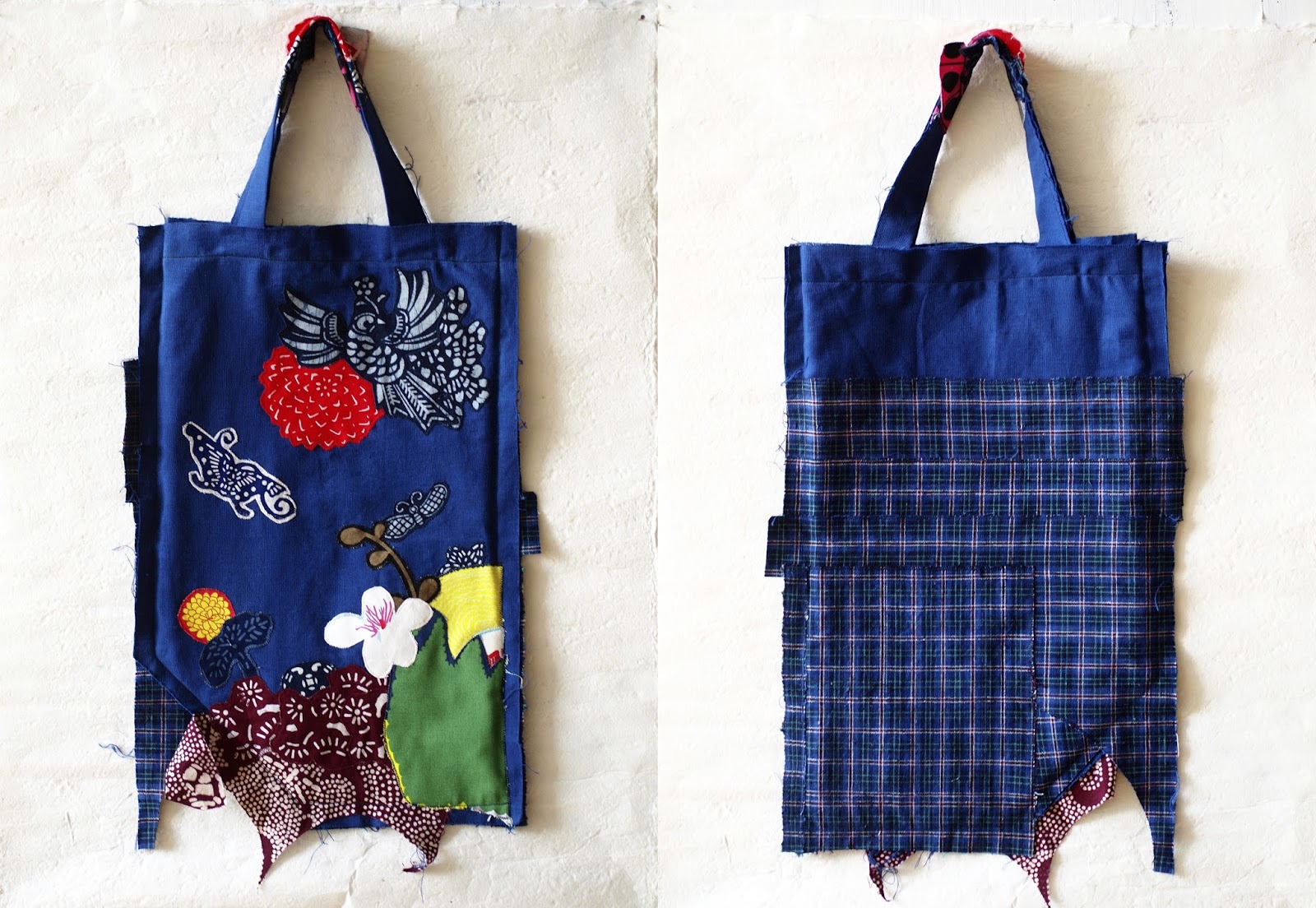
W300xL460mm, Hong Kong

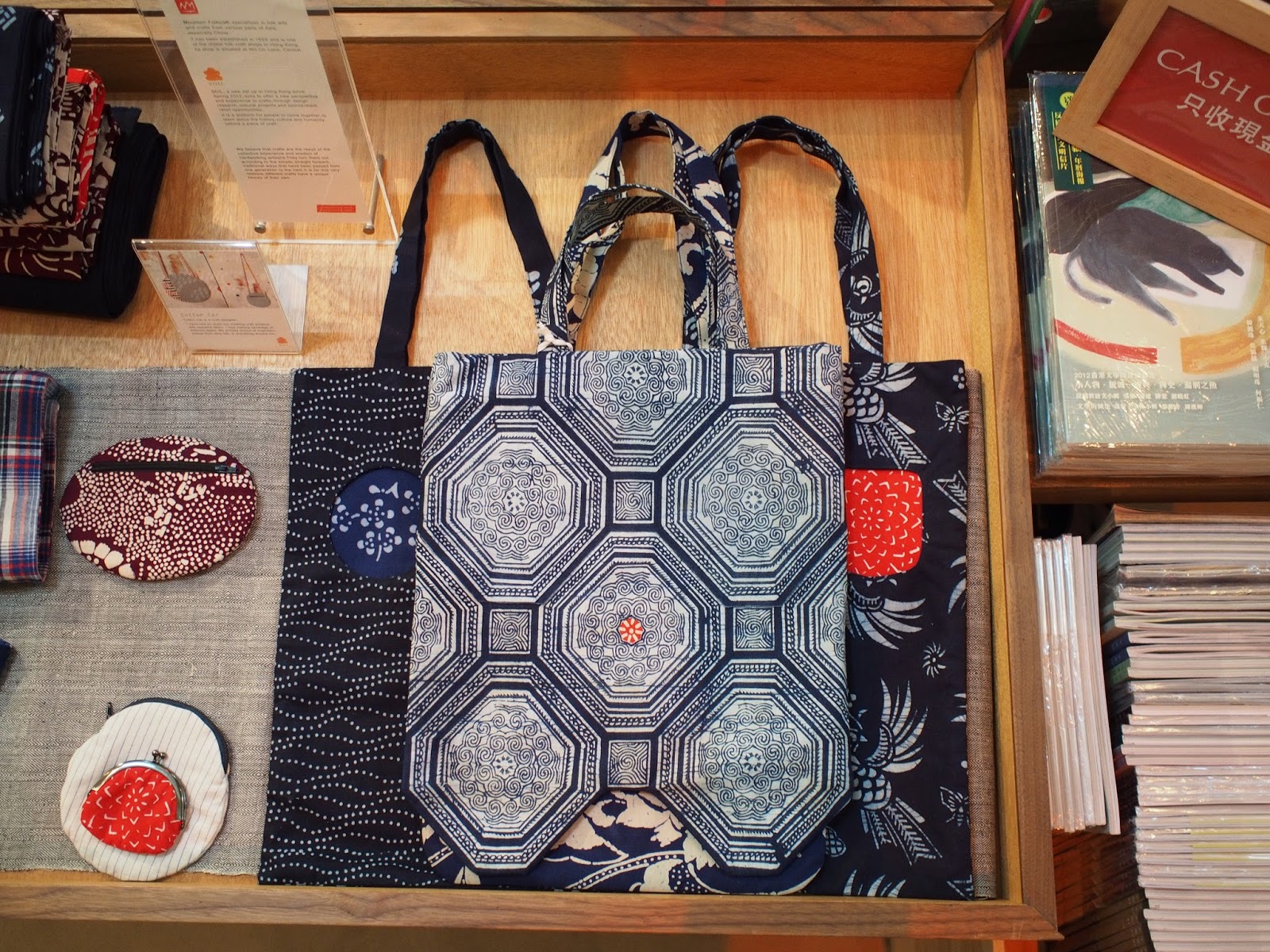
These beautiful tote bags are the creation of CottonCar for her collaboration with Soil.

An imaginative use of our fabric with a contemporary design.

Available @ Pop-Up Bookshop Gallery @ Fringe Vault

cotton car 7

cotton car 8

W300xL400mm

cotton car 9cotton car 10

W310xL400mm

fringe 2fringe 1

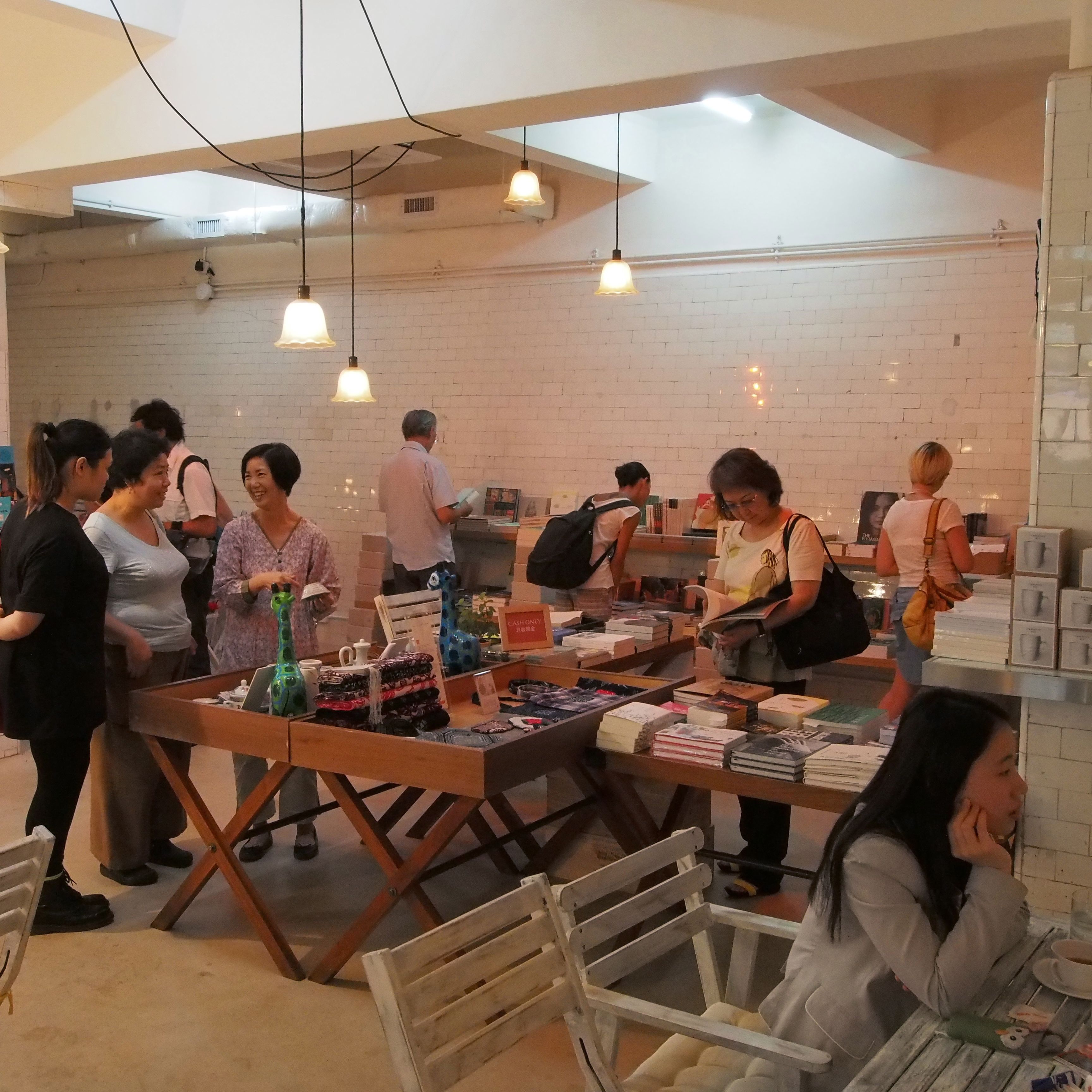
Come visit us at the Fringe Club, a joint venture with Soil,

 @ Pop-up Bookshop Gallery of the Fringe Vault (July 4 – 31)

This is part of the event “Creative Ventures into Publishing, Crafts, Design and Coffee Farms”

There are items from CottonCar, Chiu Kee (Peng Chau), local ceramics artist Winus Lee, Mountain Folkcraft,
Blacksmith Books, Bolaven, Craftopia, Fleurs des Lettres, I’MPERFECT, MCCM Creations, Proverse Hong Kong and of course SOIL

fringe 3

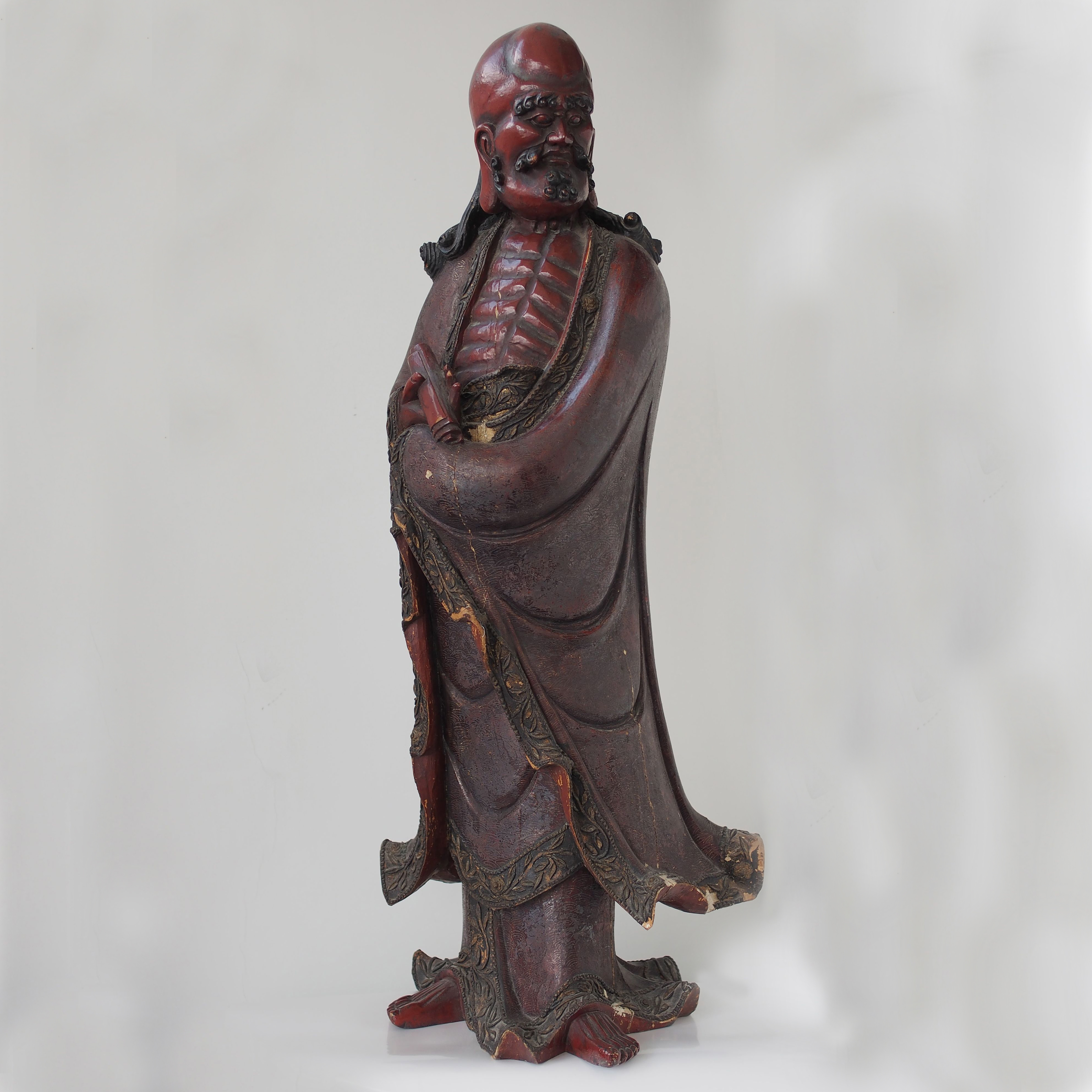
lacquer Bodhidharma

W300xD200xH800mm, China

This is a statue of the Bodhidharma, the Buddhist monk who is accredited to have introduced Buddhism to China.   It is believed that he is the third son of King Tamil Pallava of Kanchipuram and arrived to the now Guangzhou area in Southern Northern Dynasty (470AD).  The most famous legend about Bodhidharma is his wall glazing.  After felling out with Emperor in the Southern State, Bodhidharma travel up Yang Tze River, arrived at Shao Lin Temple and meditated by glazing on the wall for 9 years.

He is also believed to have introduced the 72 Shao Lin super kung fu and here is one of them.

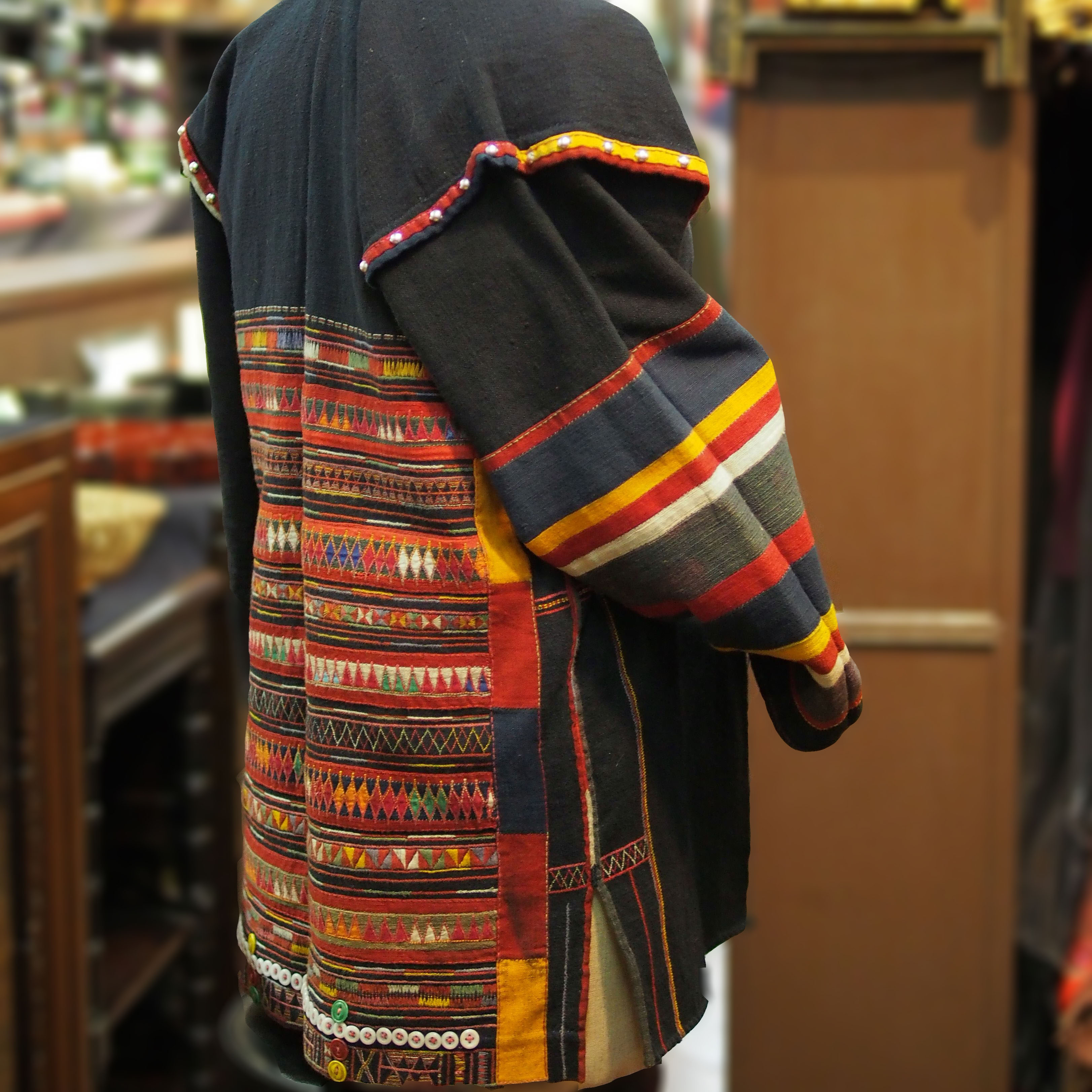
Hmong tribeHmong tribe costumeL700mm, Thailand

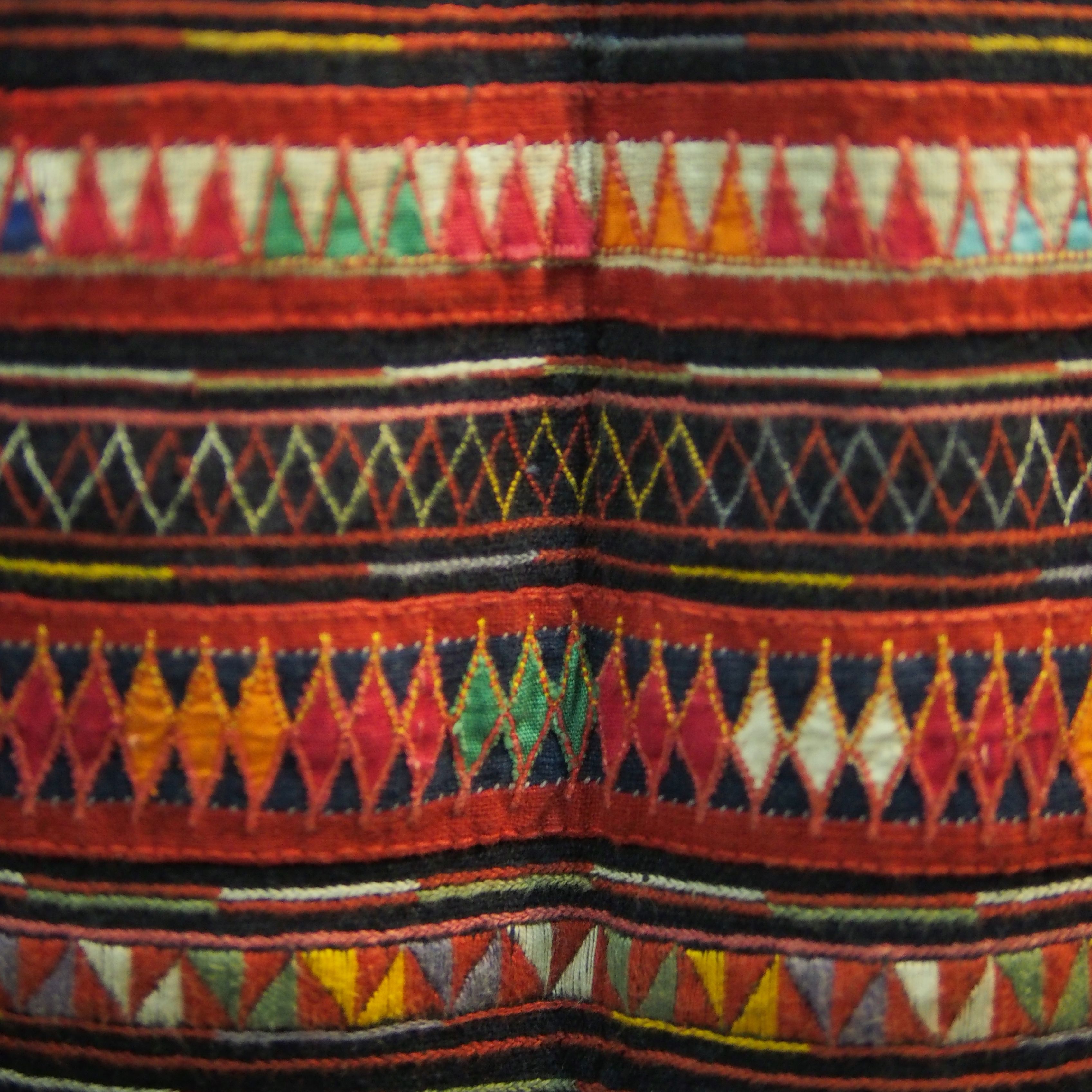
This smart garment belongs to the Striped Hmong tribe (Hmoob Txaij) of Thailand, they are one of the 5 hill tribes in the area between Northern Thailand, Laos and Myanmar.  Amongst the Hmong tribes, there are 4 sub tribe – White Hmong, Green Hmong, Striped Hmong and Hmong Chinese.  The Striped Hmong’s costume have striped bands on the arms.

wood carving

W70xD50xH140mm, China

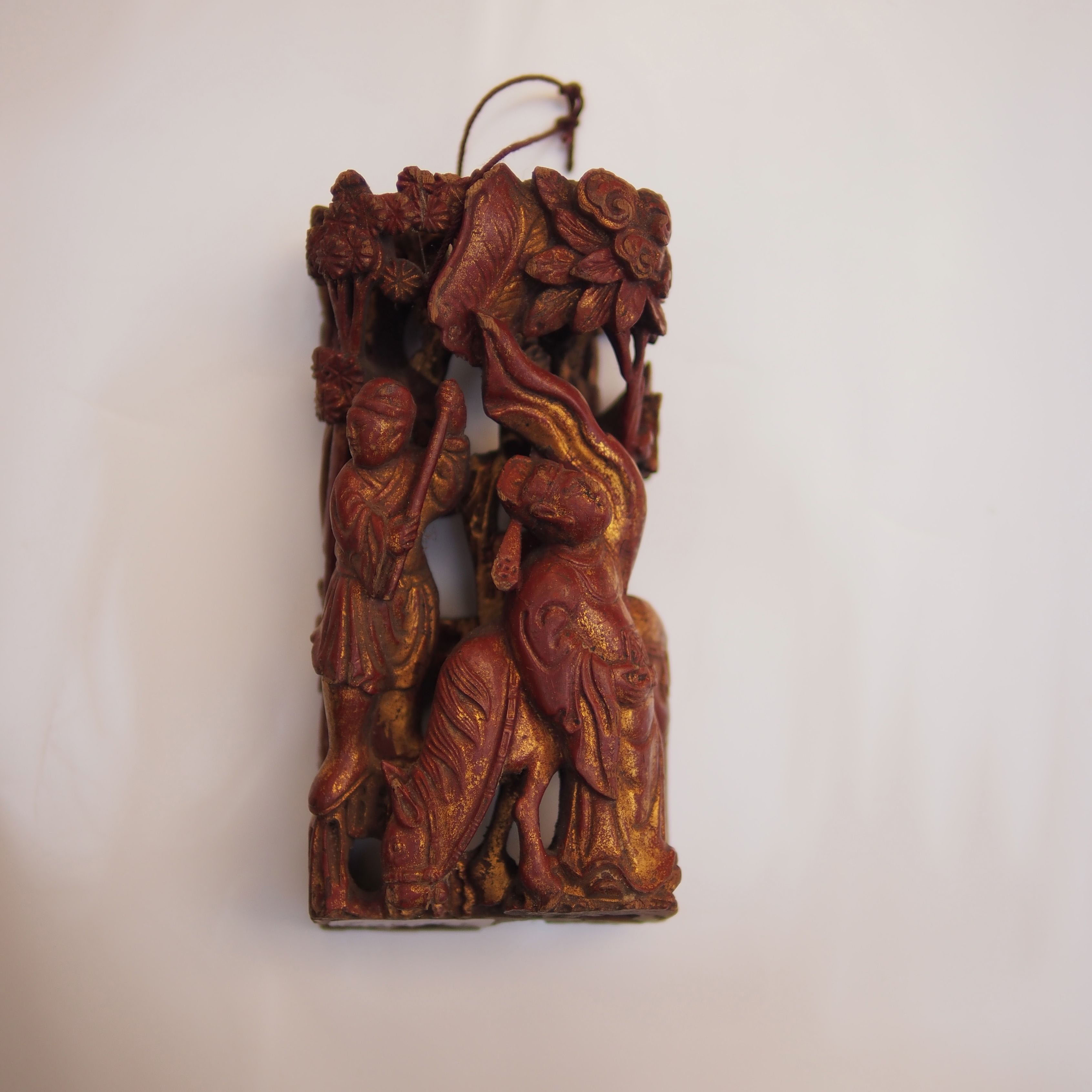
This wood carving is depicting the event of the top scholar of the year, Zhuang Yuan, a parade showing off his achievement.  Early on the Chinese has established a strong examination system for the selection of her court officials.  The procession started inside the Jin Luan Dian, one of the three main courts of the forbidden city, this is here the Emperor will announce the top 3 scholars, their name will be sang out.  After thanking the Emperor, the Zhuang Yuan will depart the Jin Luan Dian, passing the Tai He Men, Wu Men, Duan Men, Cheng Tian Men, Ta Ming Men then head back to Chang An Zho Men to exit the forbidden city and continue his celebratory journey home.  Chang An Zho Men, now demolished, is the single entrance for “non-emperor”.  On the day of the results, after names of the Zhuang Yuan and others have been sang out in Jin Luan Dian, their names will be written on two yellow piece of paper, one to be kept as a record inside the court and the other larger piece to be posted inside a a temporary scaffolding hut outside Chang An Zho Men.  The examination system was a attempt to find the most capable regardless of the social background, it is similar the Chinese legend of the carps jumping up the sky in belief that they will become dragons.  For this the Chang An Zho Men (left door by Chang An Street) is also known as the Dragon Gate.

See the journey on map.

wood carving

Click here to see a embroidery version of this theme and below is a puppet version.

bowlbowlDIA120xH50mm, China

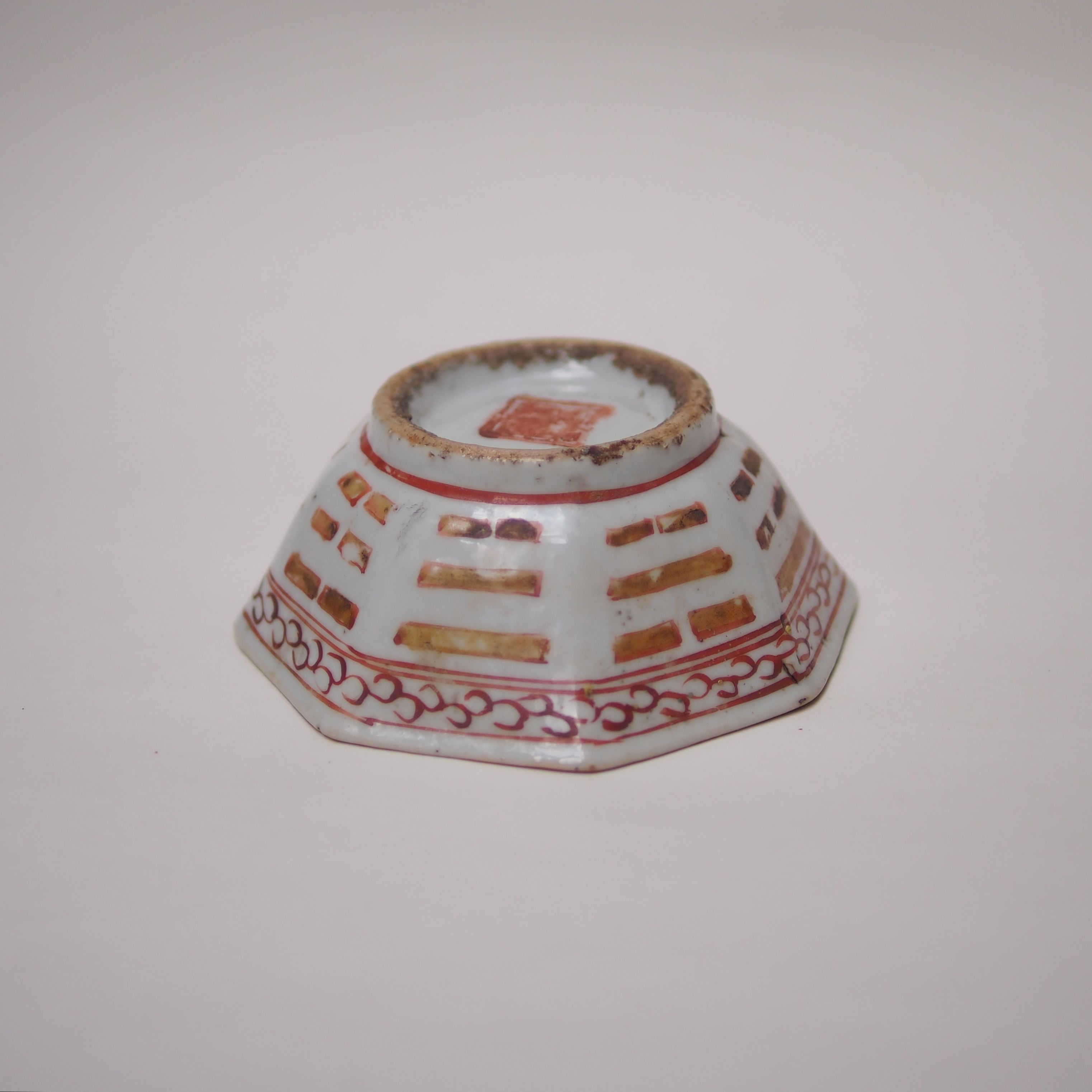
This pottery bowl was used as a container for Taoist offering.   The horizontal line pattern on the bowl are trigram figures from the I Ching, on each face of the octagon bowl are the pattern; 乾 Qian, 兑 Dui, 离 Li, 震 Zhen, 巽 Xun, 坎 Kan, 艮 Gen, 坤 Kun.  These 8 trigrams correspond to 8 nature phenomenon, namely, Sky, Lake, Fire, Thunder, Wind, Water, Mountain, Earth.  From the 8 trigrams found by Fu Hsi, 64 hexagrams was developed capturing more natural phenomenon and human events,it was later used for prediction of events.  From the Yuan dynasty, trigrams pattern were introduced to ceramic decoration and flourished in the Ming dynasty.


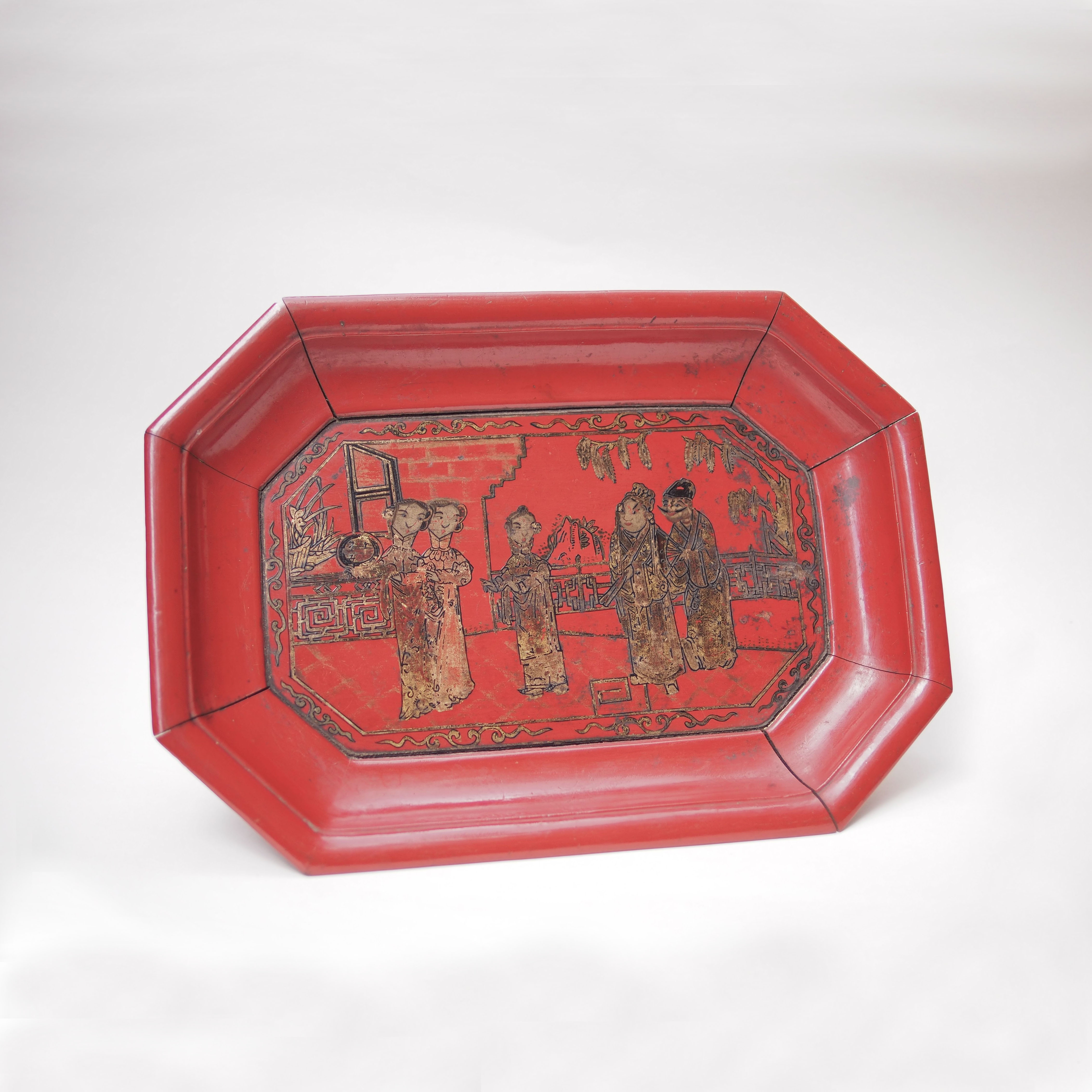
lacquer tray

lacquer tray

L320xW230xH75mm, China

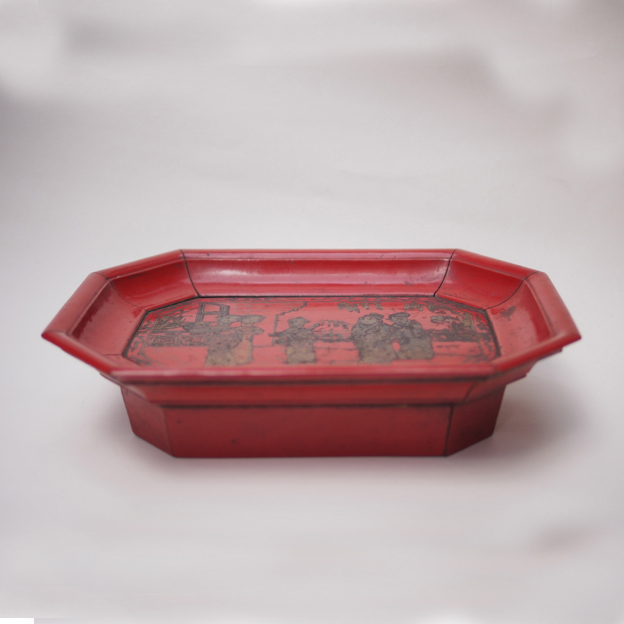
The story depicted on this lacquer tray is from the same book, Jing Shi Tong Yan, as the Madame White Snake legend featured a couple of days earlier. The story about the flamboyant artist scholar Tong Yin; one day on a boating trip he sensed that a maid on another boat was smiling to him.  Electrified he ordered the boatman to followed the other boat and found out it belonged to the family of a court scholar.  Tong Yin disguised himself and applied for a job as a scholar assistant for the family and named himself Hau An.  Being over qualified for the job, he soon got promoted and trusted by the family and meanwhile he managed to find out the maid was called Qiu Xiang who directly serves the lady of the house.  The family wanted to promote Hau An as the person in charge but was weary of his single statue and suggested to arrange a marriage for him.  When Hau An found out about this, he proposed to pick one of maid as his wife.  The family agreed and on the same night, all the maids were there to be chosen but Hau An did not make a decision.  It turned out that Qiu Xiang was not there, the lady of the house then sermon her personal maid also to be present.  Hau An picked Qiu Xiang, married and lived happily ever after.

This story however, has nothing to do with the history of Tong Yin who got married three times; his first wife passed away at the age of 24, second wife left him and the third wife was a famous prostitute called Chen Jiu Niang.

go to 1 hour 23 minutes to see the same screen

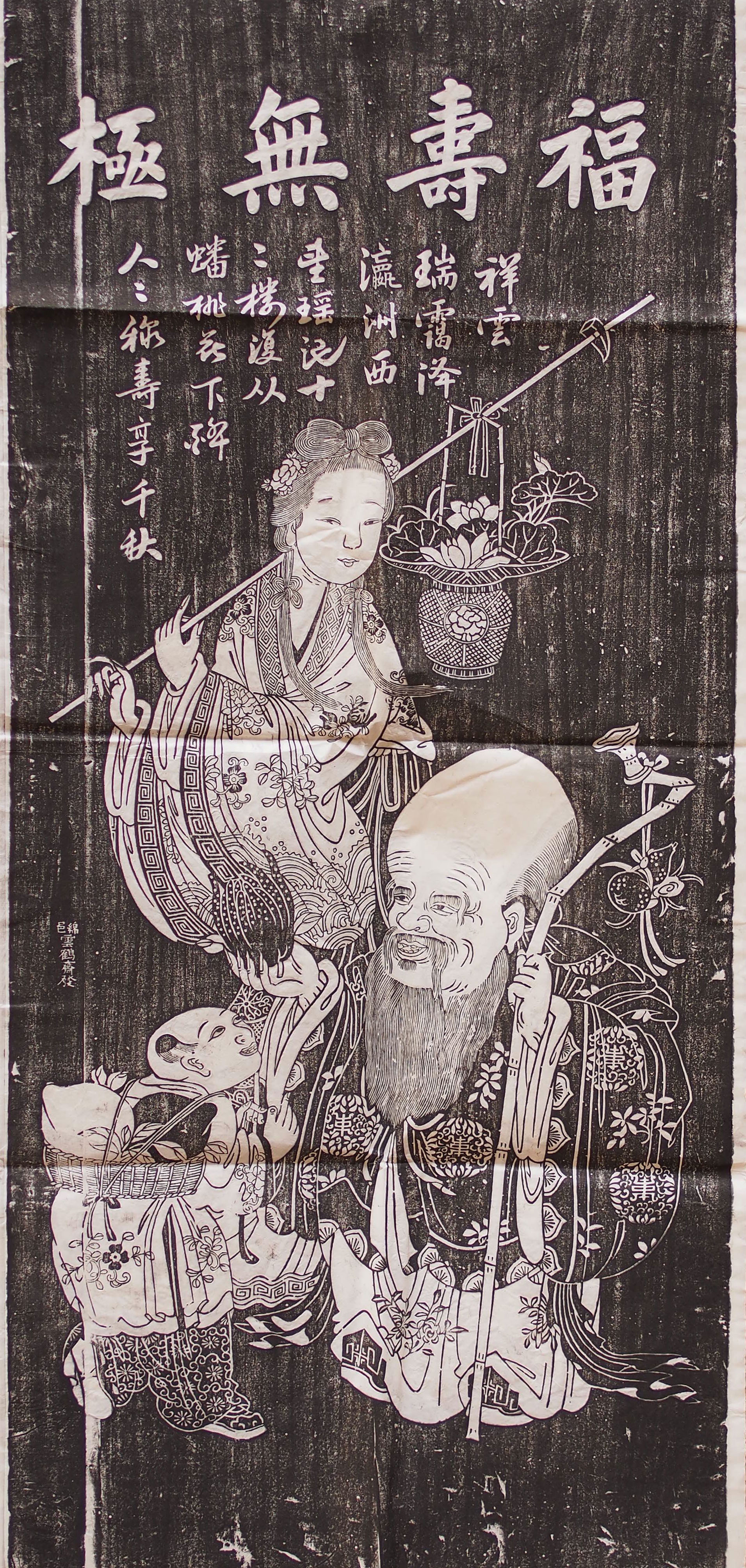
wood block printW600xL1750mm, China

This birthday print is filled with blessing symbols –

God of Longevity who is holding a cane on one hand and the Buddha’s hand fruit on the other hand.
The lady of behind is Ma Gu, the female God of Longevity with a basket full of magical plants.  Unlike the God of Longevity who has an appearance of an old man with a protruding forehead, Ma Gu is portrayed as a beautiful girl in her late teens.  In the legend, every year on the 3rd of lunar March, on the birthday of the Queen Mother of the West, Ma Gu will give her best wishes.
Lastly, the child saint carrying a basket full of longevity peaches, also a well known theme for birthday blessings.

Unlike the birthday scroll being a respectable birthday present for the elderly lady that would be held around birthday time, this is a Mian Zhu new year print that is pasted on the wall on Chinese New Year and to be replaced yearly.

embroidery

W170xW220mm, China

This embroidery captured a scene from the legend Madame White Snake, the  novel Jing Shi Tong Yan from the late Ming dynasty.  The story was set in the West Lake of Hang Zhou in the period of the Sung dynasty.  The serpent spirit of the white snake and her friend green fish subordinate transformed themselves into 2 pretty girls; Bai (white) Su Zhen and Qing Qing (green).  Bai fell in love with the  Xu Xian and used her magical power got married to him.  As time goes by, many strange incident happened because of Bai and Qing.  Xu Xian was approached by monk Fa Hai who told him the truth about his wife being a serpent spirit and gave him a monk’s bowl.  As Xu Xian place the bowl over his wife’s head, Bai and Qing returned to their original selves.  Monk Fa Hai took the bowl with the two spirits and build a Lei Feng pagoda on top of them.

A more romantic story has been adapted for opera, movies where the true love of the white snake is celebrated and the monk became a busybody.

To see the same scene as the embroidery, go 10 minutes into the movie.

As for the Lei Feng pagoda, it was believed that the brick used for building the pagoda has the power of healing, people began to steal the brick, grind it into powder and use it for medicine.  950 year later in 1924, the pagoda fell under its own weight … wonder if the white snake and the green fish manage to escape.  A new pagoda was rebuild in 2002.