Archives for the month of: July, 2012

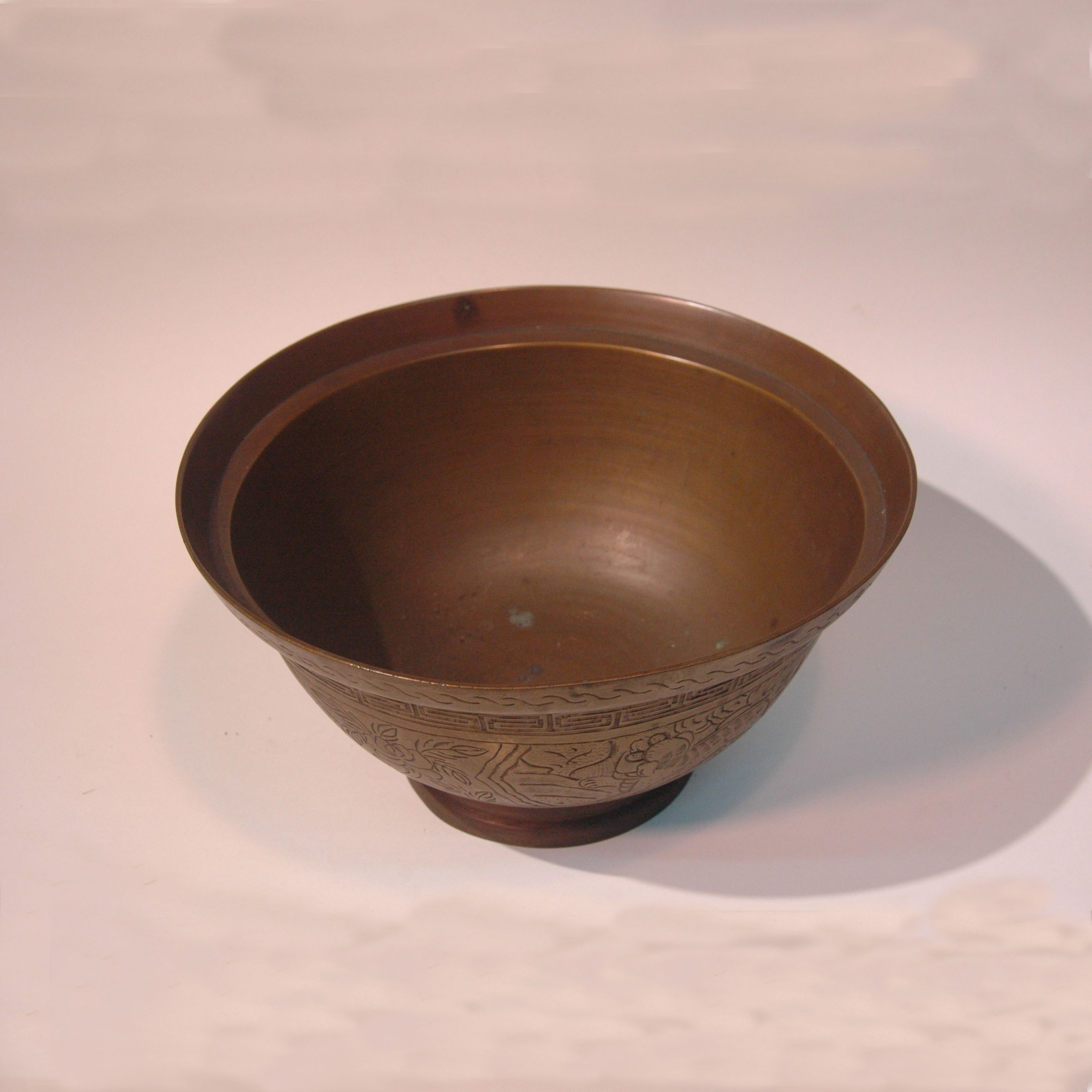
DIA280xH150mm, China

This bronze bowl is engraved with pattern of flowers and the blessed kirin; the art of bronze engraving was first founded in the Spring and Autumn period (722-476BC), it was then used to document important events and notables.  The craft of bronze engraving is most popular in Beijing where all the famous engravers reside,  these craftmen are also known for their calligraphy and seal engravings.

Just found out from goggling about bronze bowl that bronze is suppose to help with curing vitiligo, hmm, wonder if i should bring the bowl back and give it a try.  Will keep you updated on the progress.
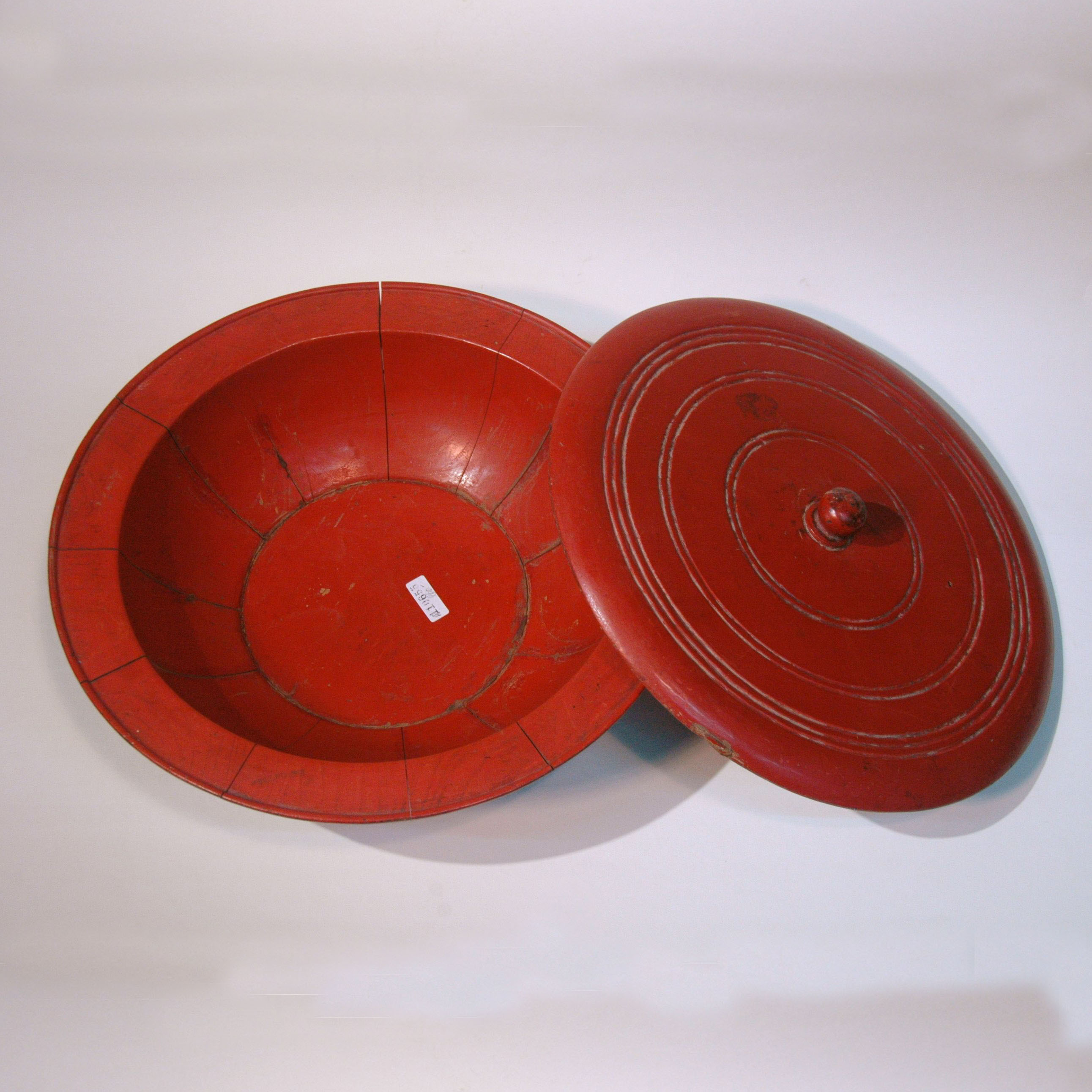
DIA340xH100mm, China

This red lacquer box is part would have been part of the dowry item in a traditional Chinese wedding.  In old China when the country is agricultural based, male is regarded as asset to the family with their labour and sadly , especially for the poor, female took on a minimal role in society.  It is said that a wealthy family their daughter is married off, a commoner’s daughter would be given away at the marriage and a poor man would have his daughter sold.  Wary of how the daughter’s life would be when she enters the groom’s family, the bride’s family would try their best to come up with an elaborate list of dowry so to ensure the status of their daughter in the new home and that she would not be seen as “sold”.  It so extensive that the production of the dowry would be categorized into wood work, carving work, lacquer work, box and bucket work and costume making.  In the morning of the wedding day, a team would set out from the groom to the brides house, after noon time, the team would return with the bride and the dowry procession.  For the riches, the dowry would be a full procession which goes on for miles.

This lacquer box is for storing confectionery.

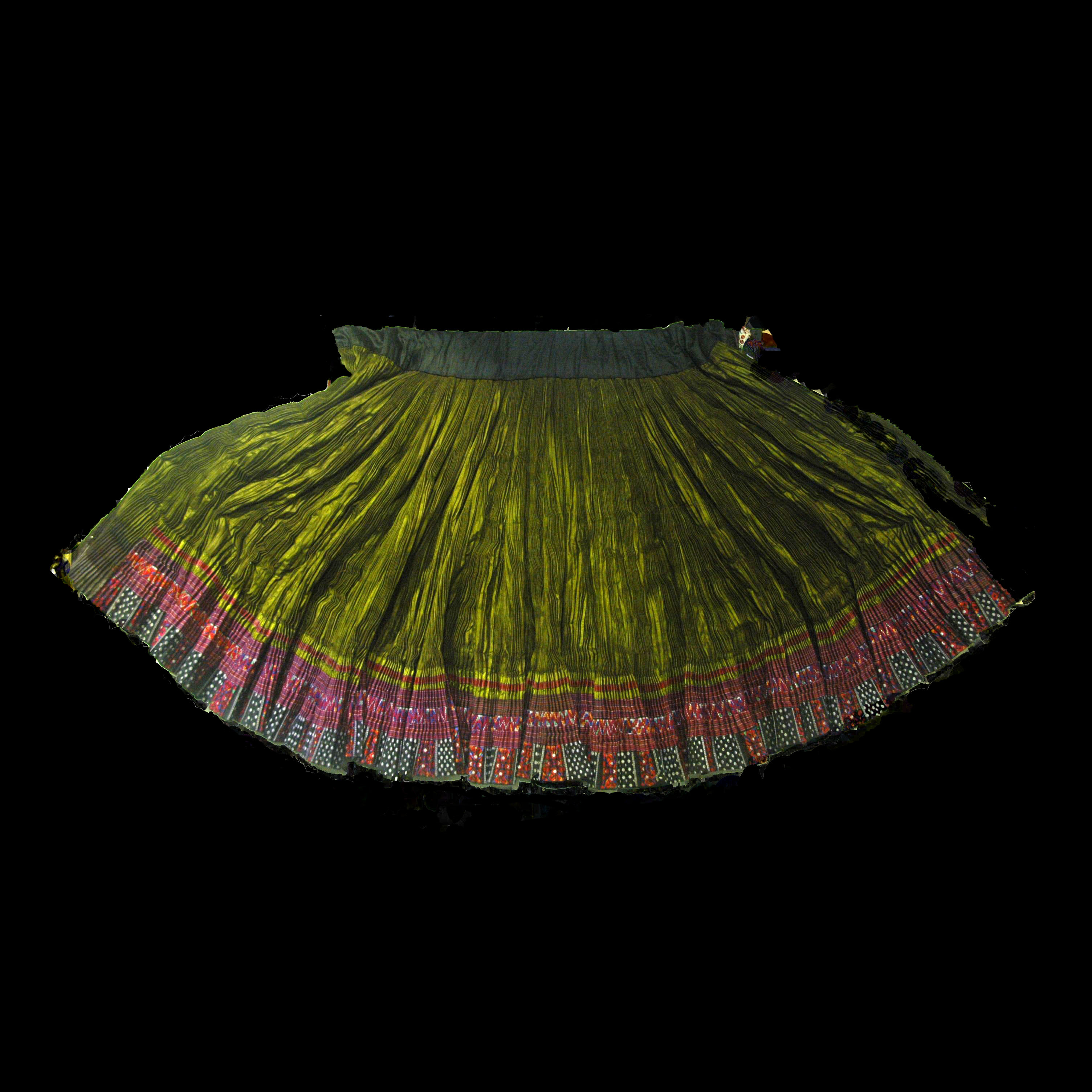
CIR650xH650mm, China

The pleated dress is part of the female Miao tribe costume.  The legend of the pleated dress goes like this; once upon a time, there was a handsome Miao hunter, one day he caught a beautiful golden pheasant and he gave it as a gift to the girl he was in love with.  The girl, Ah Beng, looking at the golden pheasant and decided to make herself as beautiful as the bird, so she weaved a cloth added embroidery and made herself a pleated dress.  The neighbors saw how beautiful she looked and soon everyone started dressing with amazing pleated dresses.

D60xW120xH150mm, China

To continue with the chicken theme, we have a flower vase from the Ci Zhou kiln.  Ci Zhou kiln is the largest folk kiln in northern Chinese which dated back to the Song dynasty; it is famous for its black on white pottery (no, I did not set the camera to nostalgic tone) which was a break through in glazing tradition at the time, some believed that it set the foundation for the now well known blue and white porcelain ware.  White slip is applied to the semi dried clay work, a iron based black slip that contained iron is painted over to add detail to the vase, a clear glaze is applied after the first firing.

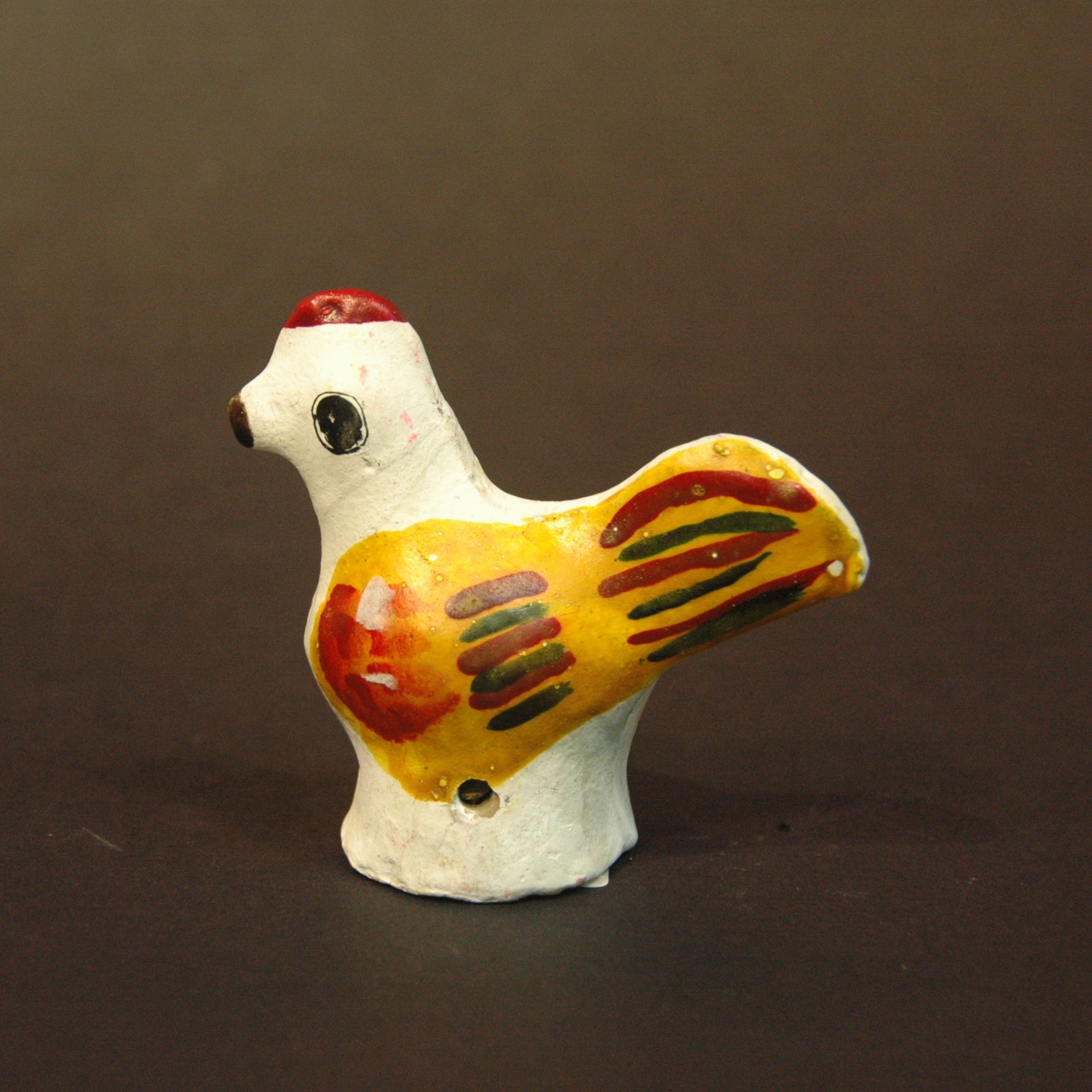
L50xW20xH50mm, China

The Chinese name for this cute little chicken is “the loud crowing rooster” which was originated from the “rooster crowing pillow”.  The rooster shaped pillow was believe to offer blessing to the child; better sleep and a wiser child.  The Chinese believed that the rooster is responsible for pulling the sun out of the darkness, a god that extinguish the ghosts (rooster being associated with the sun and light while the ghosts with darkness).  Nowadays, the symbolic meaning of the rooster is faded, this is seen as rooster toy more than a protector symbol.

 L380xW100xD20mm, China

This was an opium scale, I believed that this is only a bolder name for a scale of measuring items that are small and expensive (precious was the original choice of word but would be a wrong one if this were indeed an opium scale). The scale packed neatly into a custom carved out wooden case with the pivot rod is made out of elephant bone.
For how a Chinese scale works, please see the earlier post Scale which fits in a bamboo case.

W80xL250xH400mm, Thailand

The most famous rooster in Thailand is perhaps the one which belonged to King Naresuan.  King Naresuan was the King of Ayutthaya between 1555 – 1605, he was most famous for freeing the Siam of Ayutthaya from Burmese rule and subsequently the expansion of his empire.  Now how does the roost come into the picture?  It is believed in popular legend that the young Prince Naresuan wagered a bet with the Burmese Prince of Ayutthaya that if Naresuan’s rooster would won the cock fight, Ayutthaya would be freed from Burmese rule and of course the rooster being as couragous as his master won fiercelessly.  Ceramic rooster statues can be seen as offering to King Naresuan in a few temples in Ayutthaya.

W70xL100xH60, China

This blue and white porcelain box, now displayed as a toothpick holder, was used as an “ink pad” for the Chines. It is a container for the red paste used with the Chinese seal. The ink paste has been used since the Qin dynasty and at that time using clay, the clay is made into small balls and soften with water when use, it is used as a seal for a document, similar to the wax seal in the West (only that the document is of bamboo, text written in lacquer, the envelope being as string which is then sealed). By the Tang dynasty, as paper is developed the ink paste is also refined, cinnabar replaced clay as the seal paste which is closer to today’s paste. Also see our previous post “A Seal Case“.

W240xH260mm, Japan

This is a Ukiyo-e print of the Nihonbashi, likely to be of late Edo period or early Meiji Period.  The print depicted a scene of the busy junction of the Nihobashi with Nakasendo and the Tokaido which connect Edo with Kyoto.  There is much action going on in the scene.  Since the Edo period, the Nihobashi area has been the commercial center and developed into the financial district of today’s Tokyo.  The bridge in the print is the first bridge, a wooden bridge – Edobashi, it was replaced by a stone bridge, in 1964 an expressway was built over the bridge for the Olympic games.  The  print does not bear the name of the artist, it seems to have a similar style and theme of Utagawa Hiroshige III (perhaps someone more knowledgeable can let me know if my rough guess is correct).

DIA150xH220mm, China

This pesto was used as be a medicine grinder; in the old days every household would have a grinder like this for grinning the certain Chinese medicine, herbal, shells, mineral, hones, bones, etc.

The most famous figure for medicine grinding is however not a doctor as we might have thought, it is in fact a rabbit, the Jade Rabbit (see earlier post) that lived on the moon.  Can you spot the rabbit?  This image on the moon can be seen on lunar 15th of every month.