Archives for the month of: June, 2012

DIA350xH200mm, China

Before the invention of the disposable paper gift boxes and wraps, there were these lacquer boxes for transporting and presenting gifts.  This particular one is for cakes and confectionery gift.  After the gift is received, the boxes will be returned to the sender.  A red packet will be placed inside the boxes as a thank you gesture to the giver, they should never be returned empty.  For bigger celebrations like wedding, the bride’s family will send out boxes of the bridal cake for friends and family as an announcement of the wedding.  The boxes will be rented out from the cake shop, though the wealthy family would have custom made the lacquer boxes for these occasion.  Nowadays the custom is replaced by a cake gift voucher … I must say I would be much happier to receive the gift from a beautiful box like one then a paper voucher, I think it will make the cake taste better and share more of the joy of the happy couple.

L160xW50xH160mm, China

This clay toy is of the god of  longevity who began his legend as Canopus, the brightest star  in the southern constellation of Carina and Argo Navis.  In the Qin dynasty, temples were erected for the worship of  the Canopus star, it is believed that when the star shines brightly the world would be peaceful and vice versa.  Canopus is also known as the “elderly star”, apart from peace, it also upheld the ethic of the respect for the elders.  In the East Han dynasty, the ceremony for Canopus worship consist of a stately banquet that included all the over 70, nobleman and commoners.

Besides the astronomy aspect, the god of longevity also has a human figure, Peng Zu.  Legend has it that Peng Zu has mastered the art of longevity and lived to an age of  767 years old!

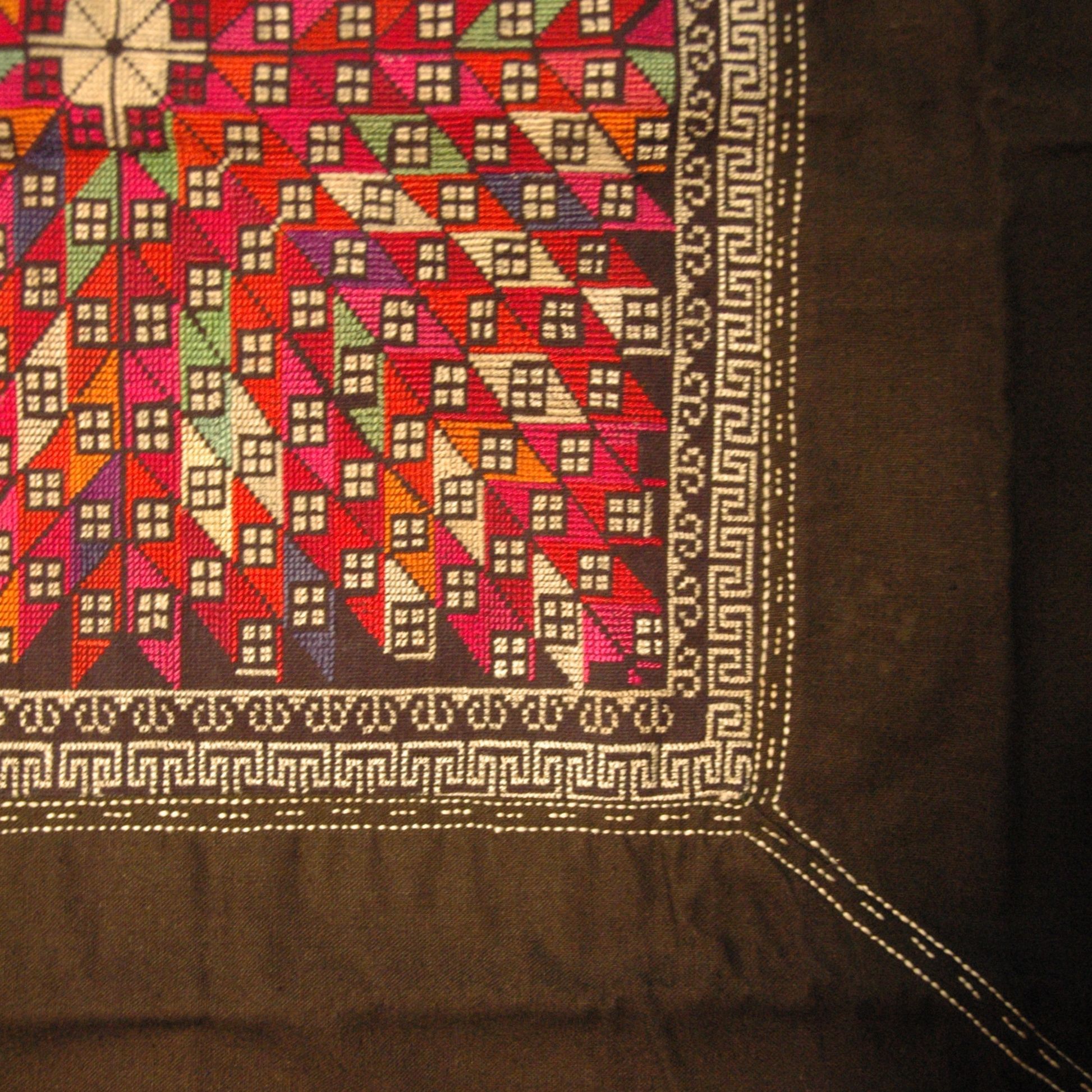
W600xL600mm, China

This cushion cover is made with the “seat” portion of a baby carrier used by the Miao tribe.  Baby carrier has been a both a functional and symbolical item in China; it enables mothers to go to the fields while keeping the baby by their side, traditionally mothers will sew the carrier by hand, the embroidery on the carrier embedded symbols of  blessing extending their love for the child.  With the modernisation of China, hand stitch baby carrier can only be  found among the minority tribes.

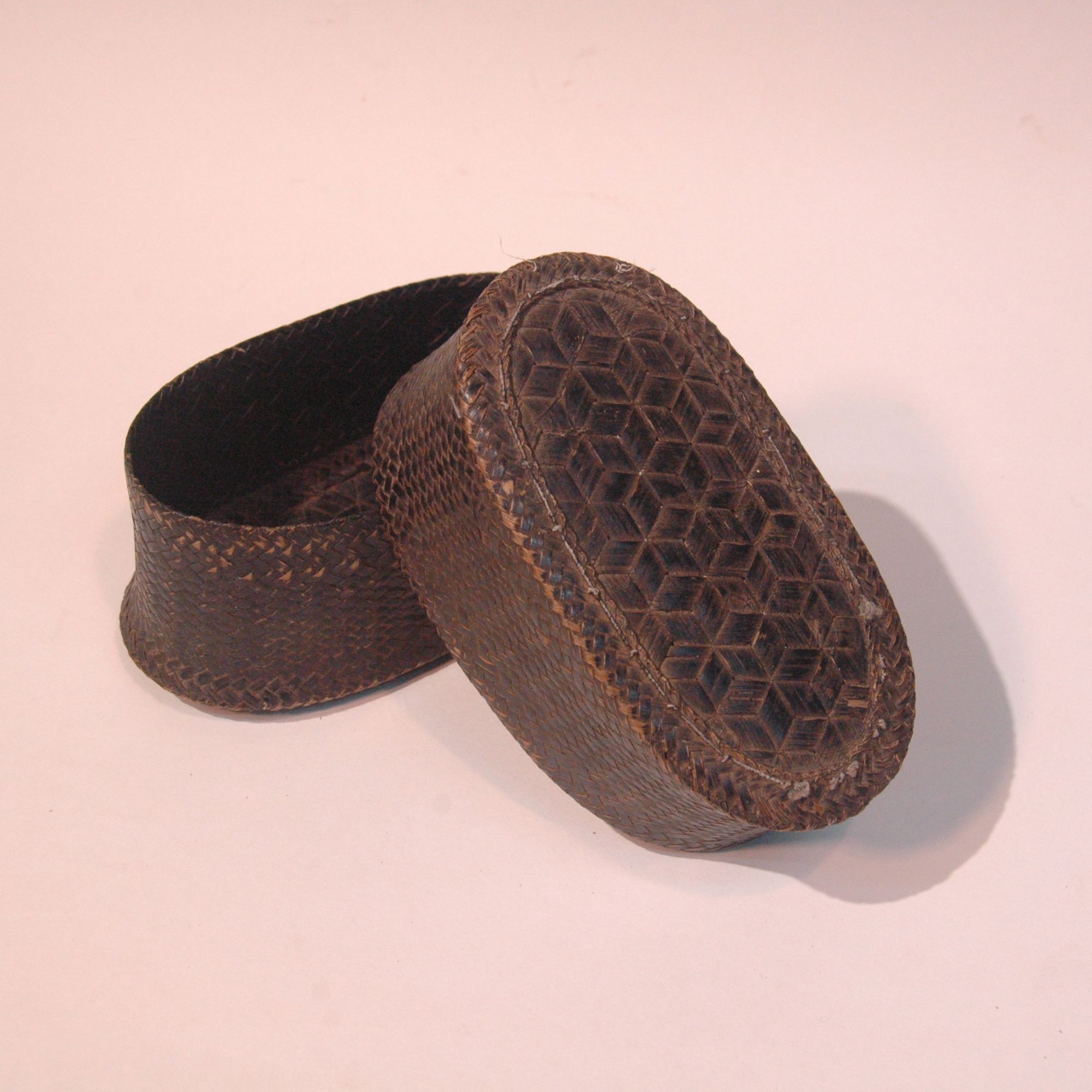
L150xW70xH70mm, Thailand

This bamboo weaved box is a rice serving basket for Thai sticky rice.  So finely made, it is perhaps too precious to be used for a daily task.  Here is the recipe for Thai sticky rice for 2 persons.

INGREDIENTS

  • 1.5 cup glutenous rice (sweet rice)
  • 0.5 tsp salt
  • water
  1. wash the rice thoroughly
  2. soak the sweet rice in water with the salt  for 1-2 hours (this will shorten the cooking time)
  3. pour the sweet rice through a sieve
  4. put the sieve with a lid over a saucepan and steam 
  5. after 10 mins, flip the rice over and steam for another 5 mins
  6. put into contain and serve

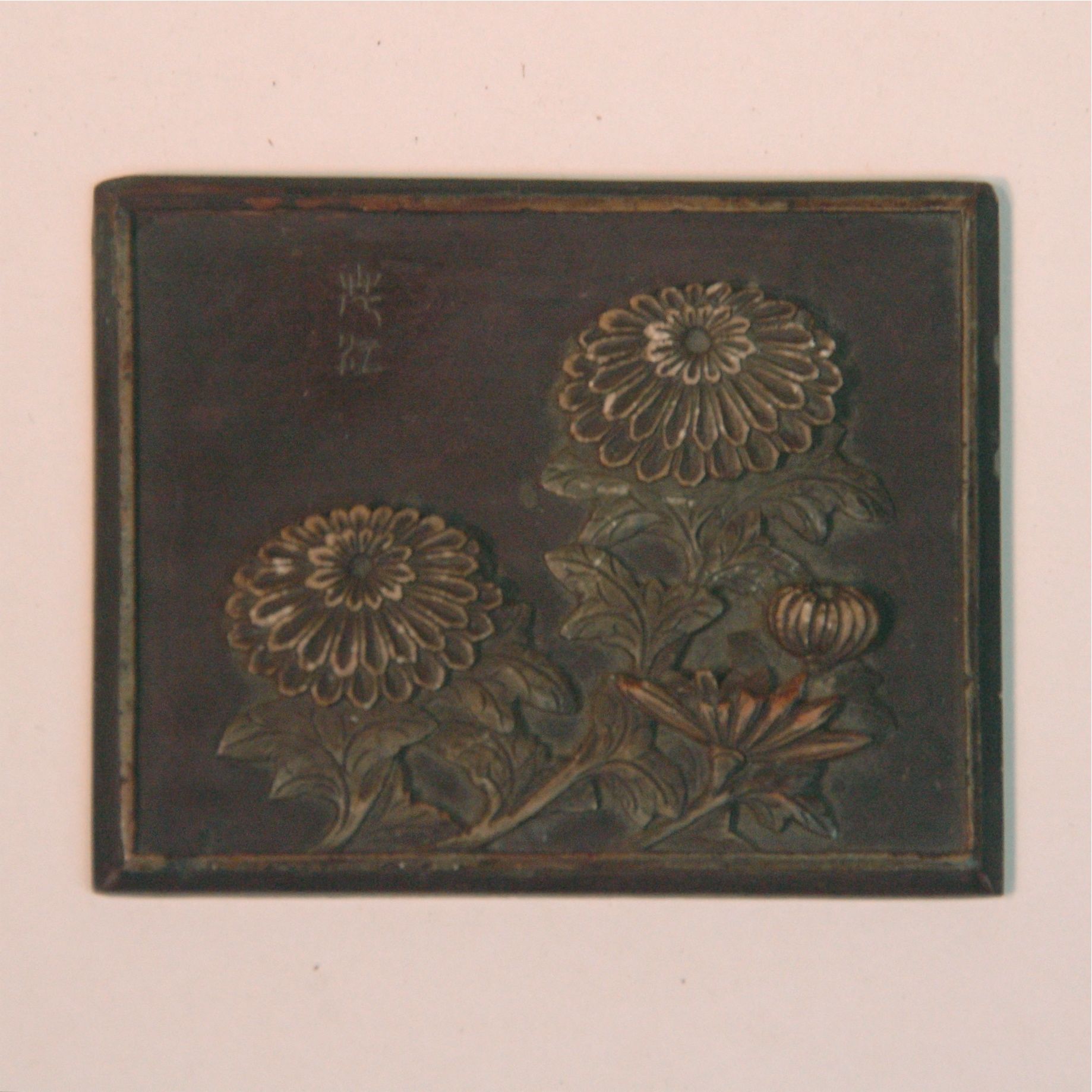
W80xL60mm, China

This is a stone carving use for the decoration of a small yan ping (see our other entries; yan ping and again yan ping).  Yan Ping is part of the Chinese stationary, it is designed to be used as a screen for shielding the ink well from drying.  The carving is a relief of the chrysanthemum flowers from a small piece of stone, the slight polish gave the flower its shading and tones.

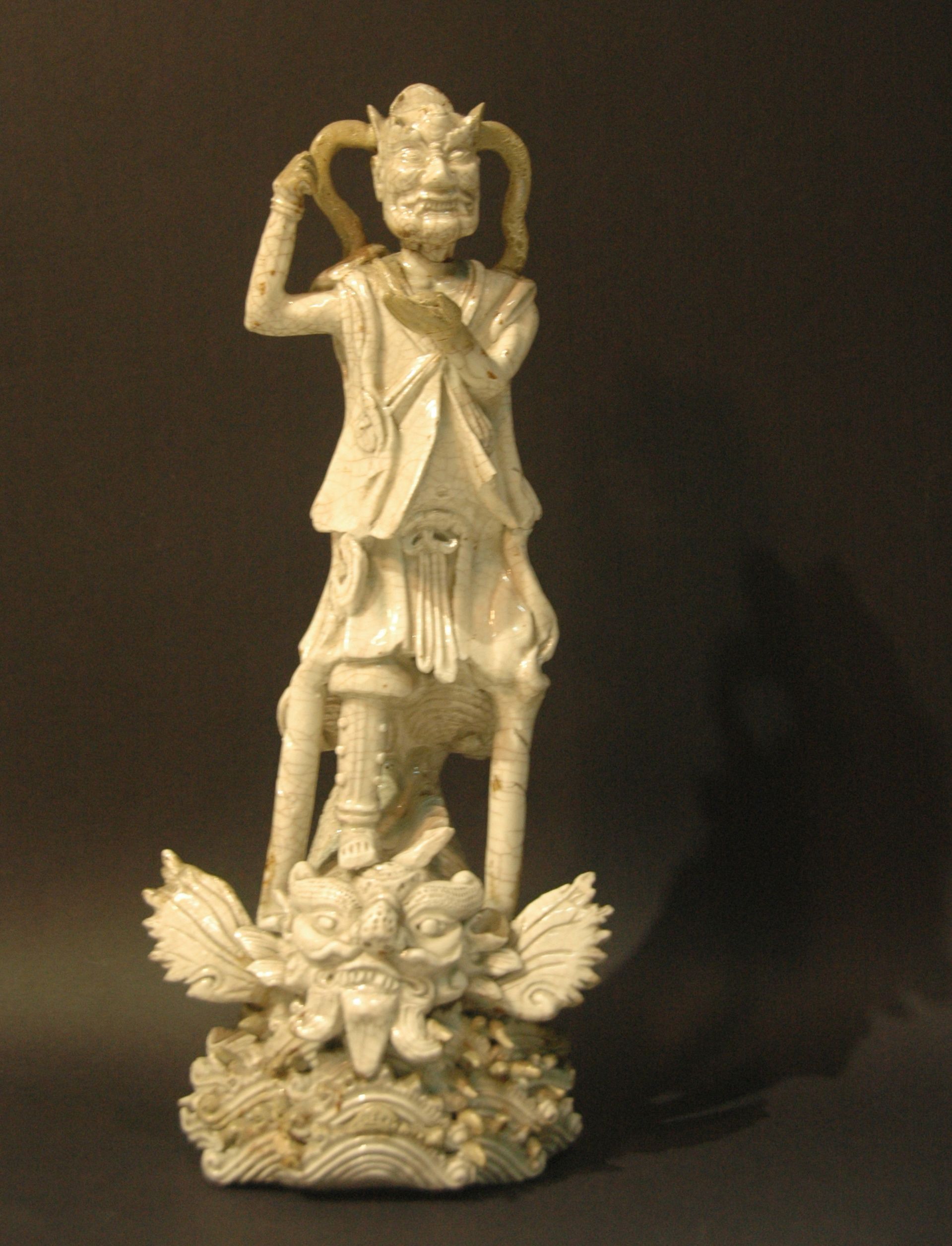
W100xD100xH300mm, China

This is a figurine of Kui Xing, a well respected figure amonst the Confucius intellectuals, he is believed to have the power to control the fate of all literature.  The legend has it that before being a god, Kui Xing was a scholar who took the Zhuang Yuan examination 3 times but failed, it was not because of his intellect but his ugly appearance.   Furious and frustrated, he kicked the box that held his books, jumped into the river and committed suicide … those were the days before we have plastic surgery …  Despite not being recognized officially by the court for his literary skills, his intellect was well acknowledged by the commoners, figurines of him were made for getting his blessing in examinations.  On the figurine he held a brush and ink, he is believed to write down the names of those who will success in the examination.  Under his feet is an Ao fish, a creature with a fish head a dragon body, a step carving outside of the palace where the Zhuang Yuan (the person who came top of the exam) will stand to wait for the emperor’s blessing.

W110xH170mm, Japanese

The print belongs to the Tale of Genji, a classic Japanese literature which many consider to be the first and finest pose work novel.  The author Murasaki Shikibu (11th century) was a noblewoman and lady-in-waiting, offer a glimpse into the live of the high courtiers of the Heian period.  There are 54 chapters in the Tale of Genji, each represented by a individual crest (genji-mon/genji-ko).  In this ukiyo-e print, the crest is the repetitive background symbols in dark and light blue, it is the 12th chapter (Suma).  The print depicted Genji exiled in Suma for the scandal of his love affair with Oborozukiyo.

This is an ukiyo-e print of the Utgawa school.  The Utgawa school was founded by Toyoharu and expanded by his student Toyokuni I who made it the most famous and powerful woodblock print school of the late 19th century.

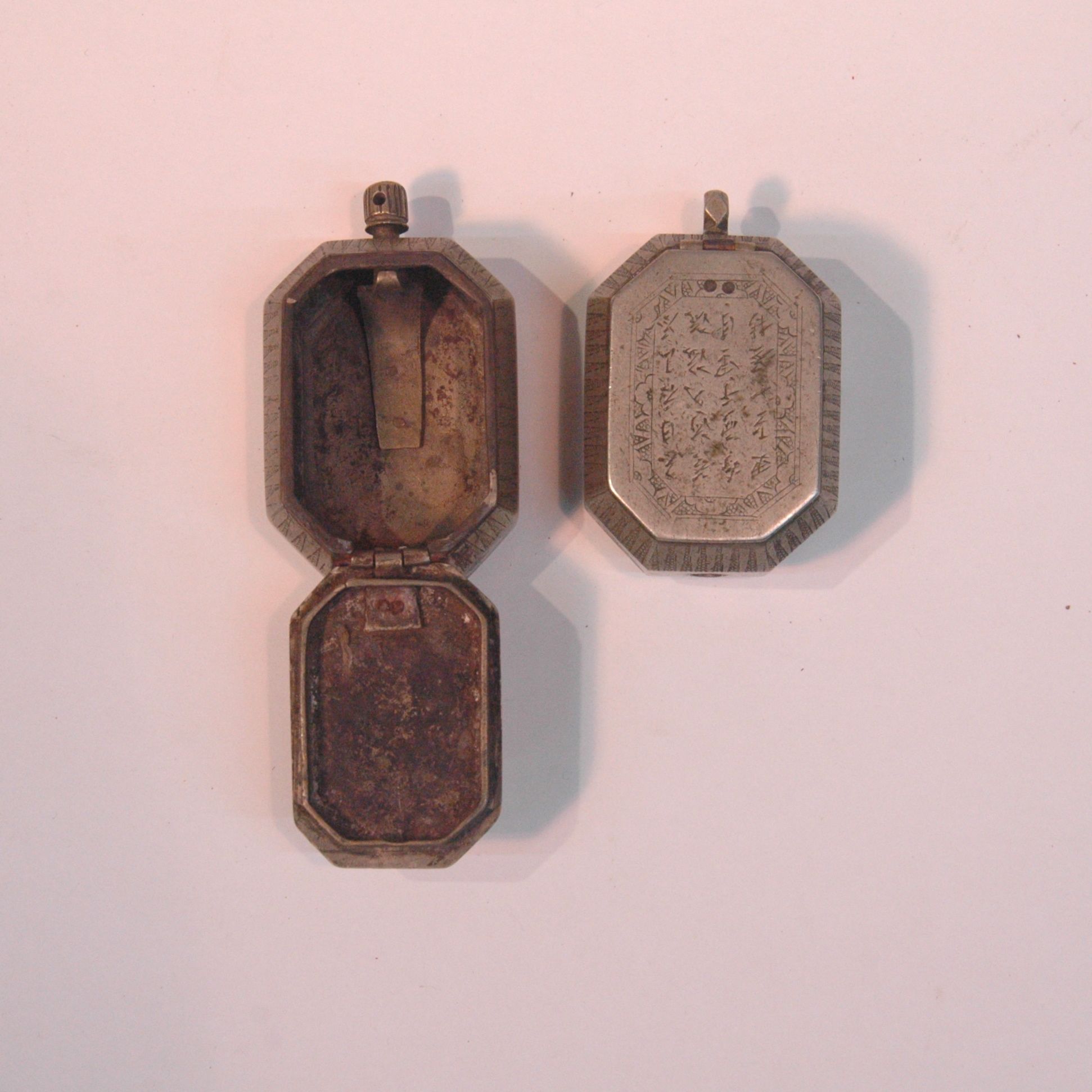
W50XD40XH70mm, China

This copper-nickle silver boxes are used in the late Qing dynasty for storing opium.  On the top of the box is a button for releasing the cover and also for attaching a string which can be tied to the waist.  The boxes are well used and worn, as if they were something treasured by the owner.  Knowing the history, its kind of sad looking at them, but at the same time they are a sharp reminder of what drugs can do to a person and a country.

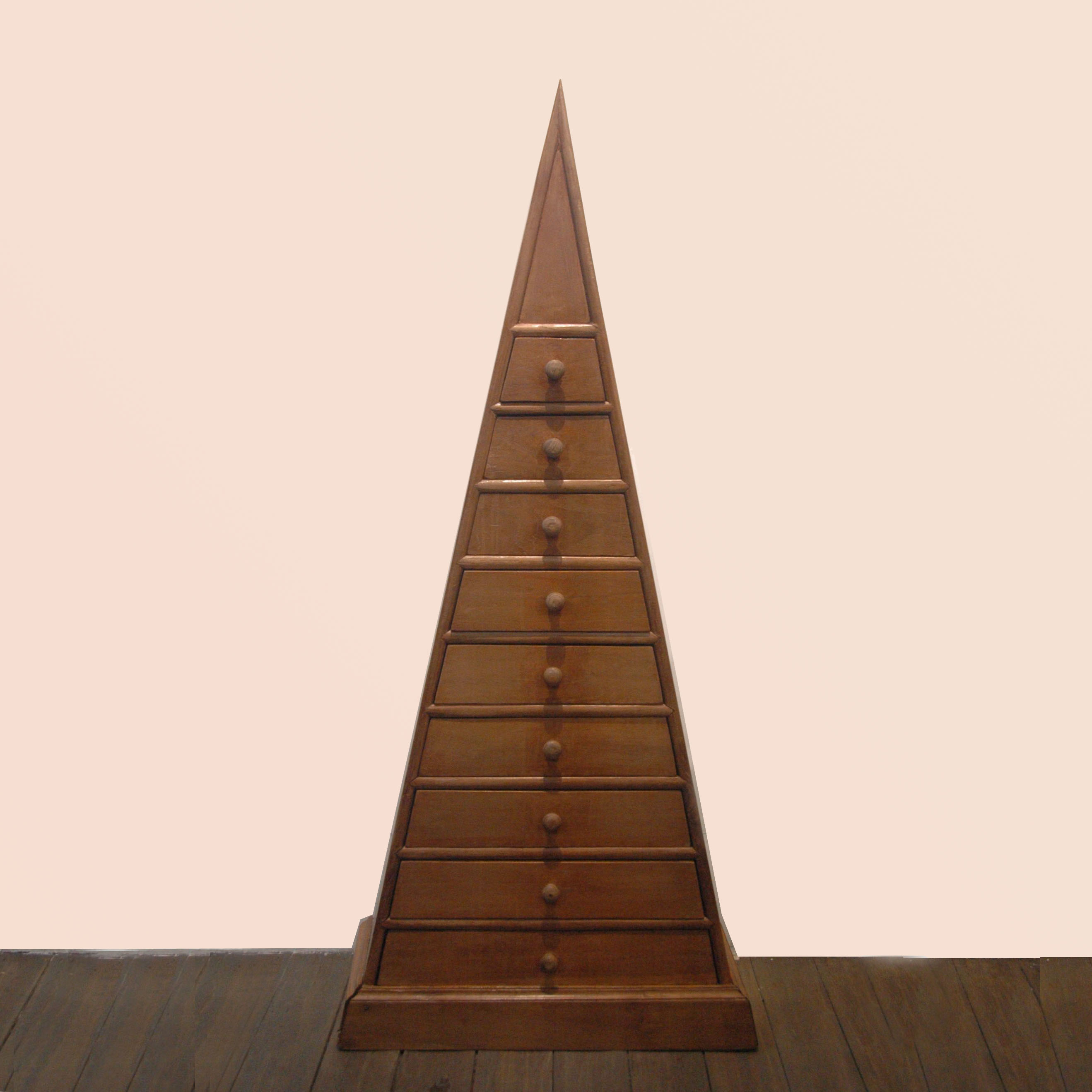
D170xW450xH1100mm

This item has been in the shop for as long as I can remember, being an architect I can see it as a concept for a skyscraper, a vertical city, etc.  But there is something more to it, it seems it really should belong to a fairy tale where these drawers open up to endless possibilities and magics.