Archives for the month of: November, 2011

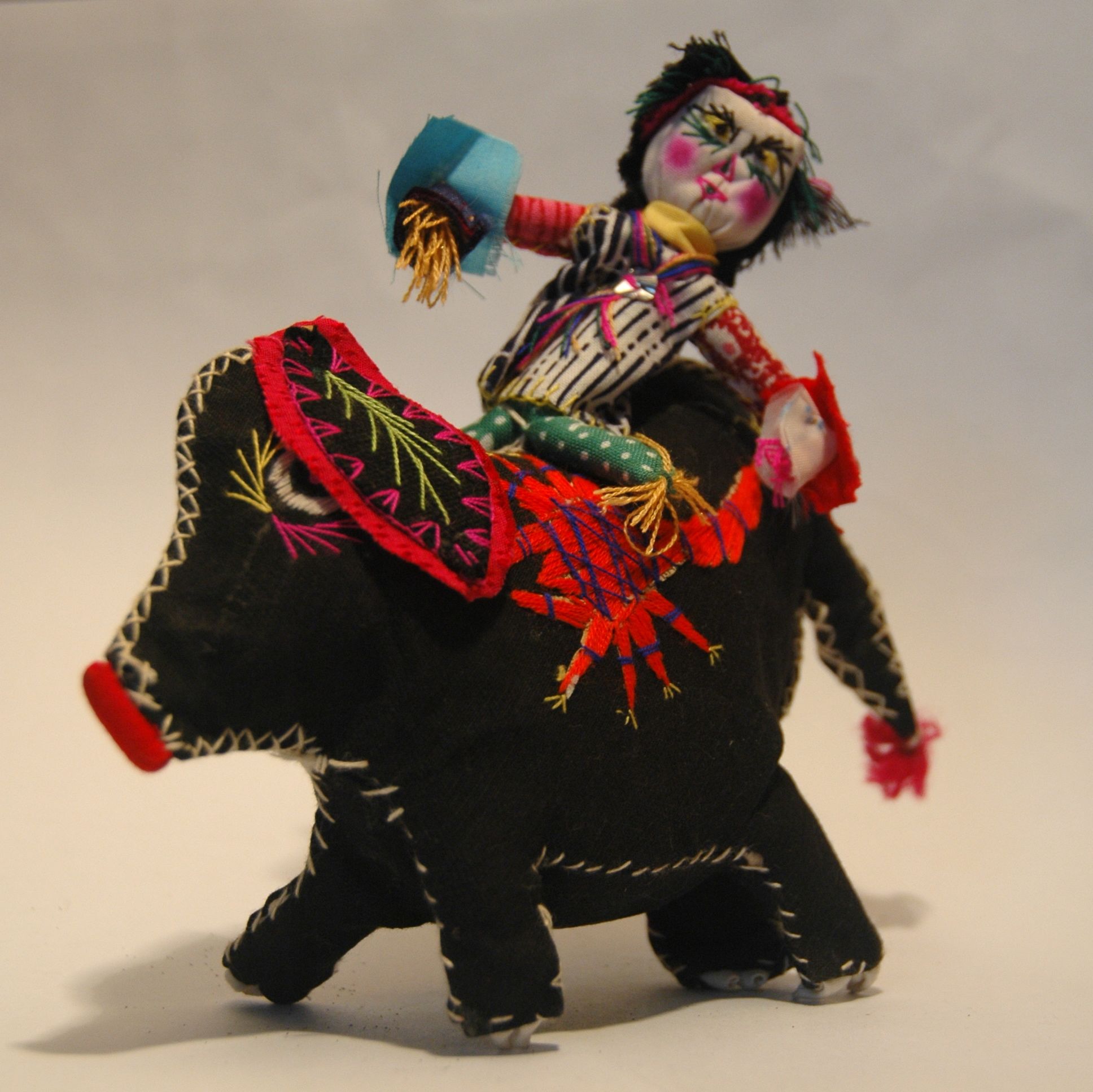
H150xL150xW50mm, China

Cloth toys are popular items made by mothers for their children in rural China.  They are made of everyday object; leftover cloth, cardboard, decorated with bold embroidery giving an animated life to the toy.  The cloth toy in this part of Shaan Xi area is noted for the head being flat and changing to a 3 dimensional body.

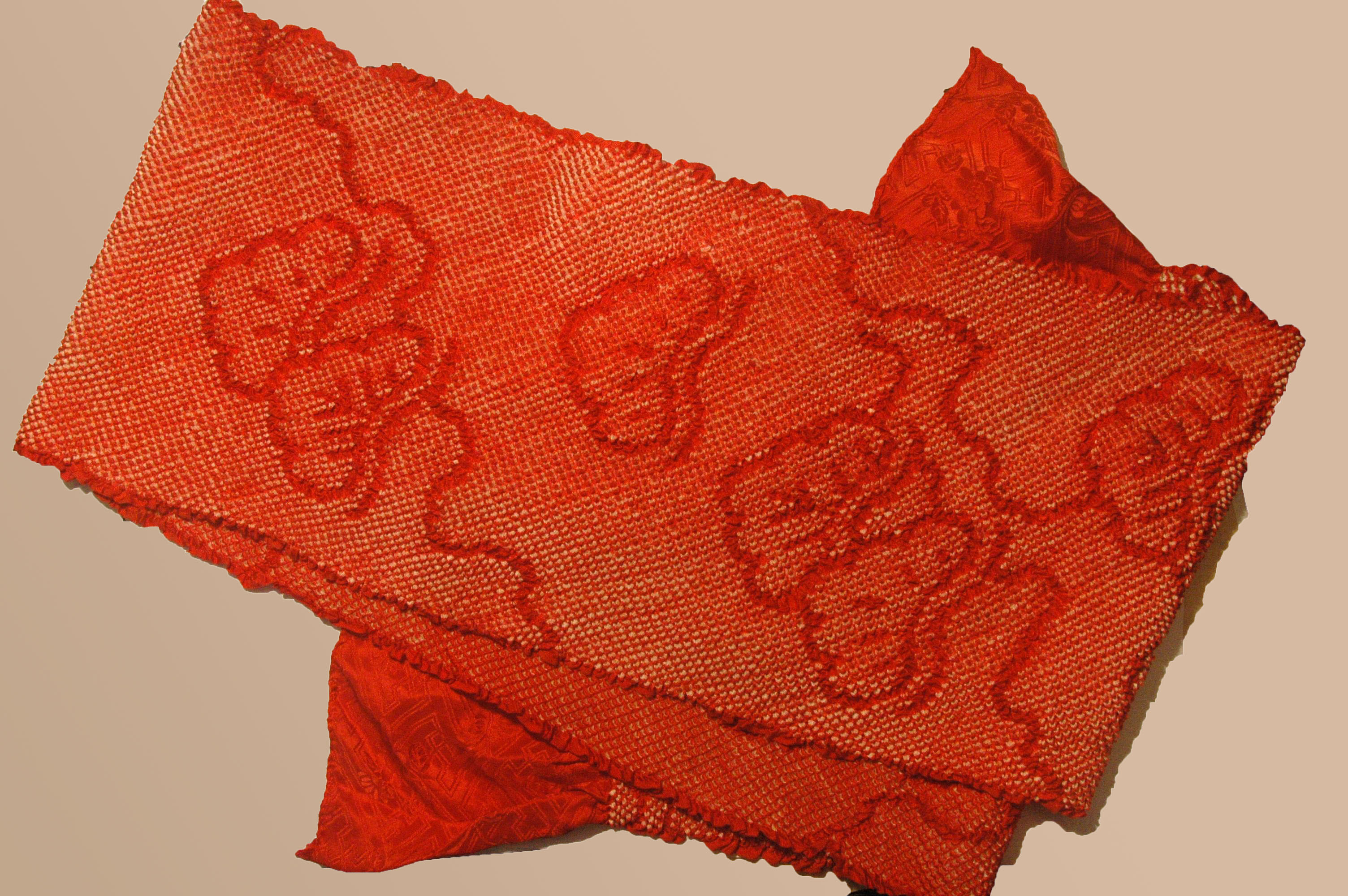
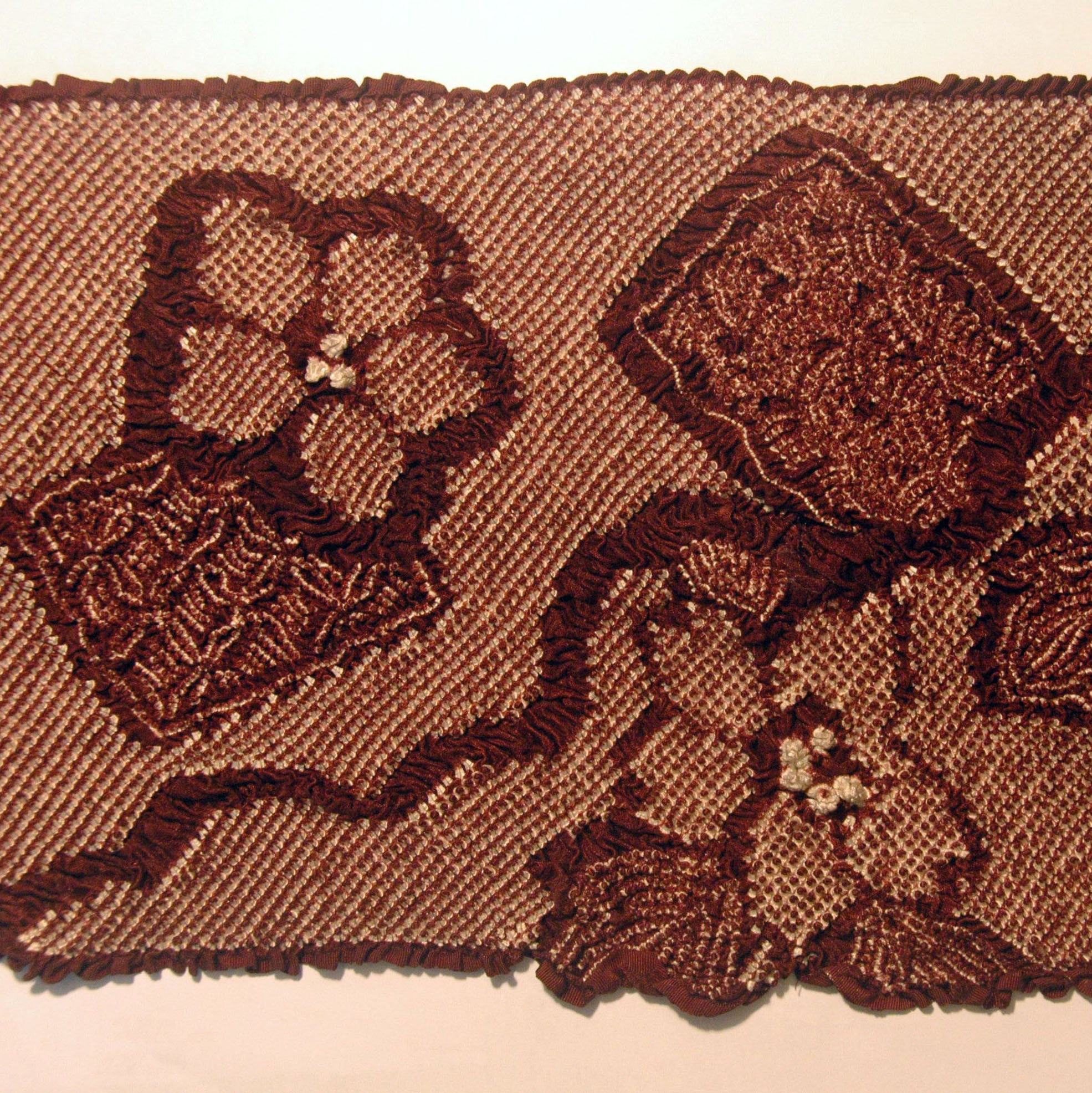
W120xL1400mm, China

This is a tie dye on a piece of hand woven silk.  A short knitting needle like tool is used to pinch the silk for tying, this give a small and crisp effect on the fabric.  The main outline of the pattern is not tied, resulting as a bold line for the design.  Because of the nature of the silk and small ties, the fabric becomes stretchy and elastic.  This technical was only developed in the last couple of decades, relatively modern in the long history of tie dye in China.

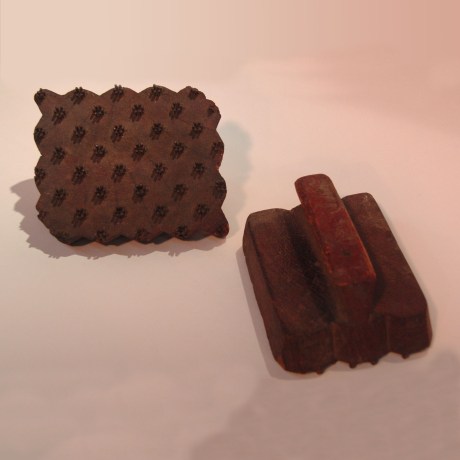
W180xL130xH80mm, India

These are stamps (Bunta) for making woodblock print textile.  Over a piece of draft pattern, the craftsman laboriously chisel out the design from a single block of wood.  Over at the printing sweatshop, plain colour fabric is stretched over the printing table.  The vegetable dye paste is placed in a tray and even out over a sheet of wire.  No draft or guiding sheet is used for the printing, the master printer would set out the outline colour, judging only by his eye, hands, points on the stamp and experience.  The stamp is placed and hit a few times by the fist ensuring a good impression.  The printing would go from left to right.  After the outline colour is finished, the second printer would follow, then the third etc.  The fabric is then put into an acid wash to fix the colour.
DIA200xH70mm, China

This is a bowl is called the vegetarian bowl, it is used for containing offerings for the Buddhist and Taoist gods on the individual god’s festival, new year and the day that marks the 16th and 21th birthday of  a boy.  The offering would be of  dried fruits, nuts, cakes, etc., presented in the form of a cone.  There is an old saying for people with intention, “coming not to worship the Buddha but to have a look at the offering bowls”.

W150xL200mm, Malaysia

This is a Mah Meri mask used for the Mayin Jo-oh mask dance ceremony.  The Mah Meri is a tribe of 2000 people living along the southwest coast of West Malaysia.  Mayin Jo-oh is a traditional dance where the Muyang (plant and animal shadowless spirits) would join in the celebration.  The dance is performed by 5 women and 2 masked men in a counter clockwise fashion.

W80xL150xH100mm

We need your help!  This is a paper mache pig that was acquired a long long time ago, the origin of this item is unclear.  Perhaps someone can enlighten us?  Korean?  Thai?  Chinese?  Vietnamese?

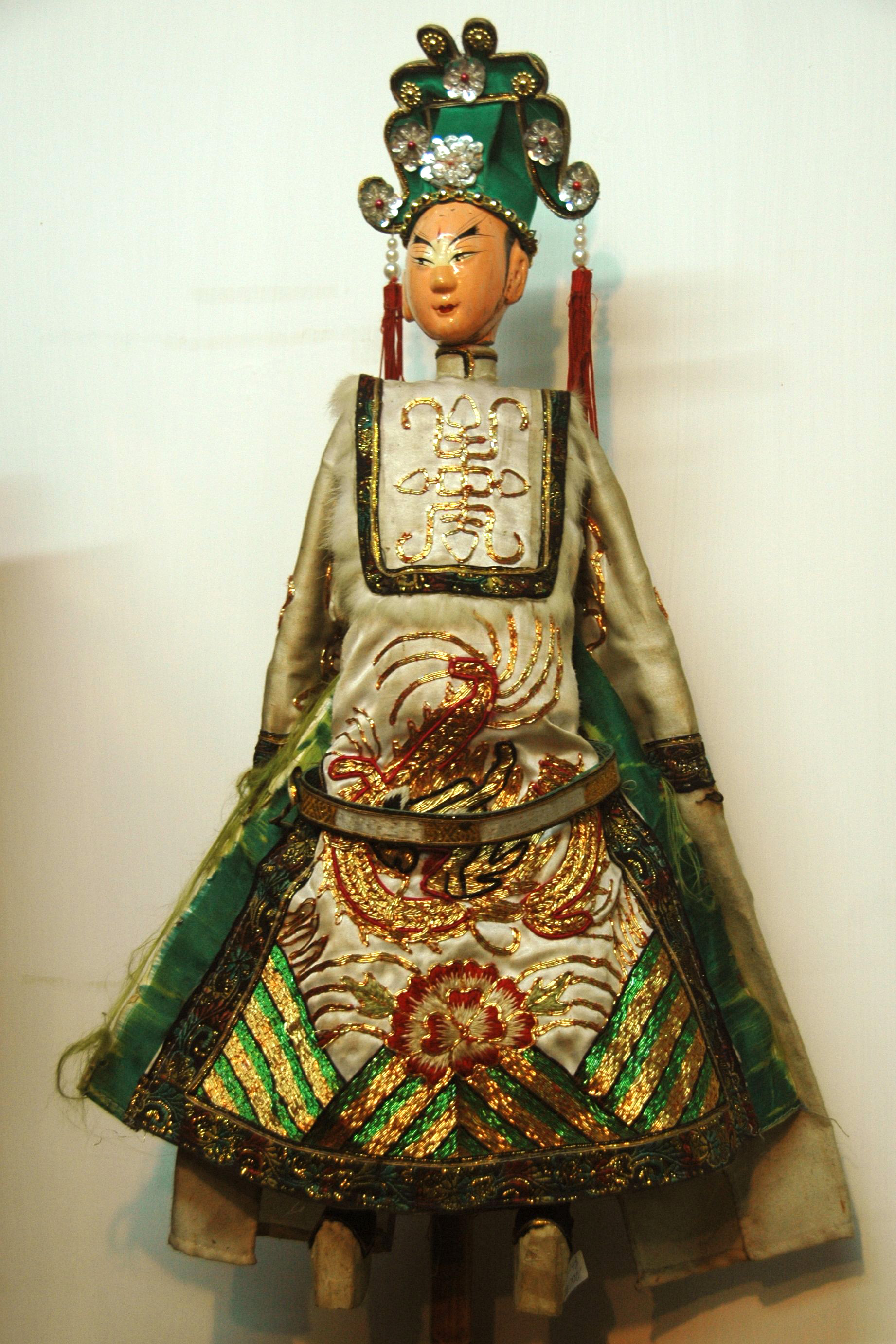
H500xW150mm, China (Chaozhou)

This is a Chaozhou wire puppet.  The head and the body are made by 3 separate specialist craftman, a pottery is charge of the clay head, an embroider is responsible for the costume and the puppet maker for the body, legs, hands and putting the puppet all together.  The body is made with a piece of local soft wood (Erythrina variegata) that has been treated by wetting and drying against cracking and snapping.  The clay head is painted over with the facial characteristic for the different character of the puppet show and these also go for the costume.

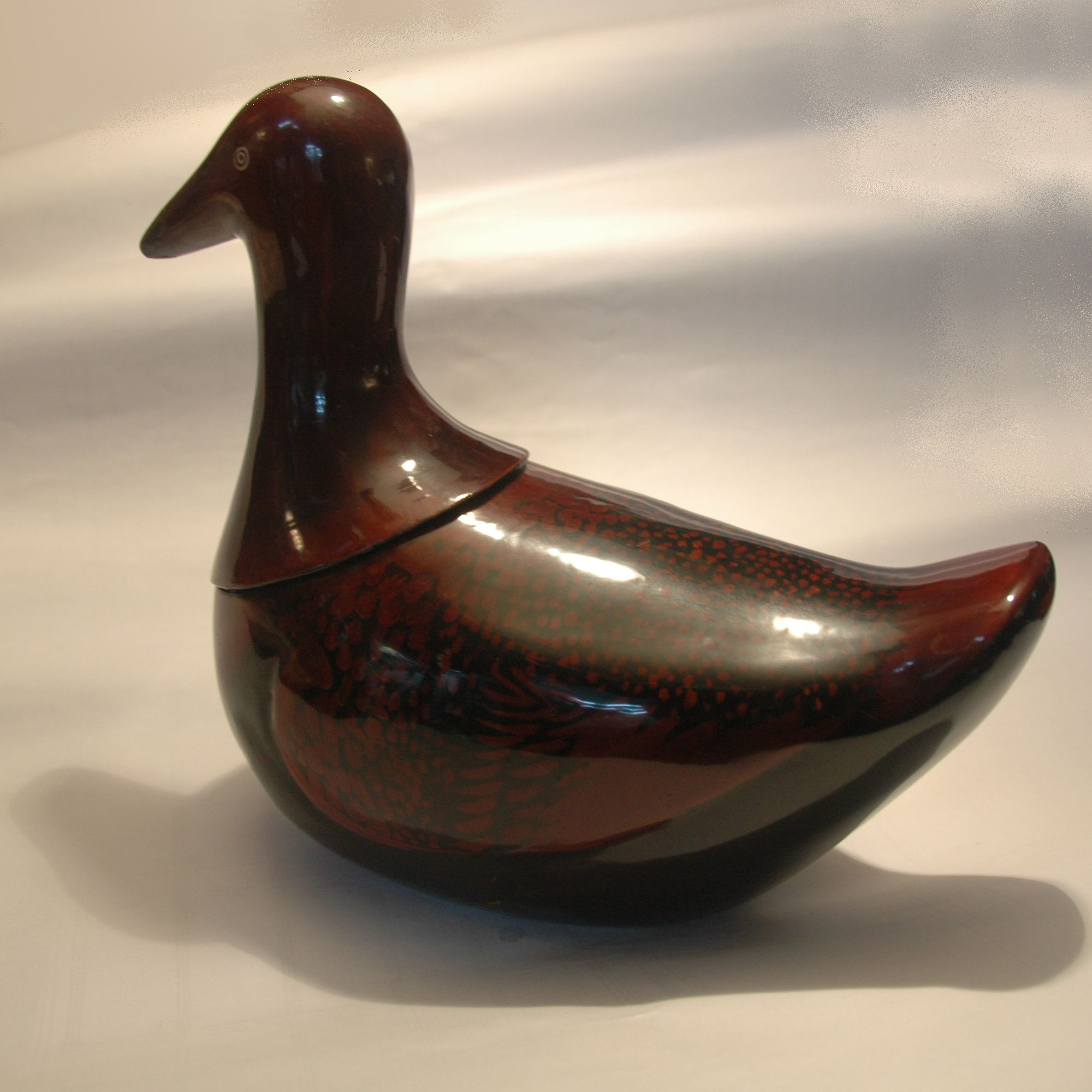
W130xL250xH200mm, China

This duck container is made with special technique known as Bodiless Lacquering.  Bodiless Lacquering is similar to the technique of paper mache; first a clay model is build, layers of ramie cloth are placed on the model with lacquer as the adhesive.  Once dried, the positive mould is released, the shell is then smoothed with putty and polished.  This technique was developed in the Qing Dynasty in the Fuzhou province creating lacquer ware that are light and durable.

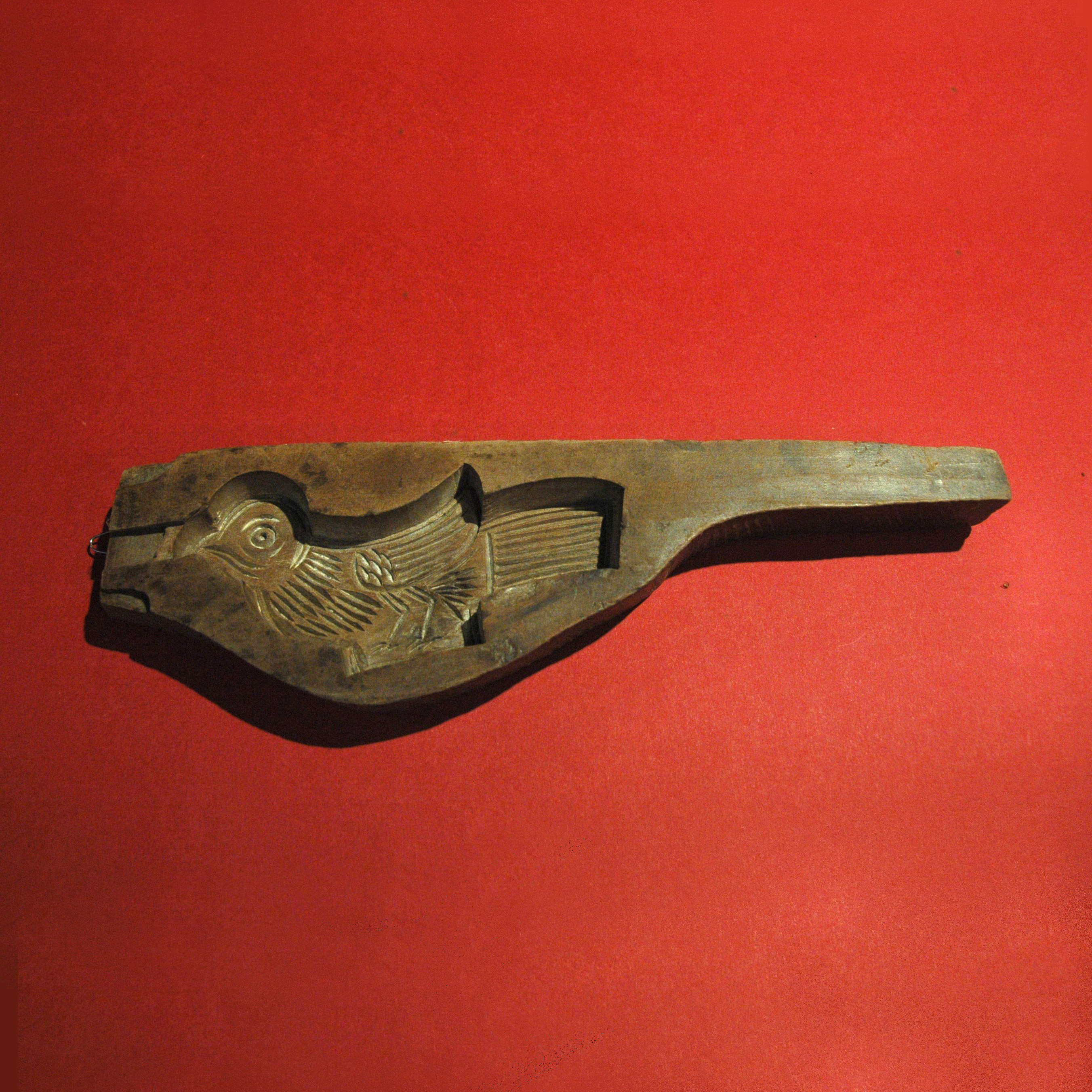
W80xL250mm, China

Traditionally a household would have a collection of different pattern cookie moulds; fish, cat, monkey, bird, bat, plants, etc.  These mould will be used for the several festivities each year with different recipes.  At the beak of the bird in this particular mould, one can see a carving adjoining to the edge of the mould, this air channel will make it easier when releasing the cookie from the mould.

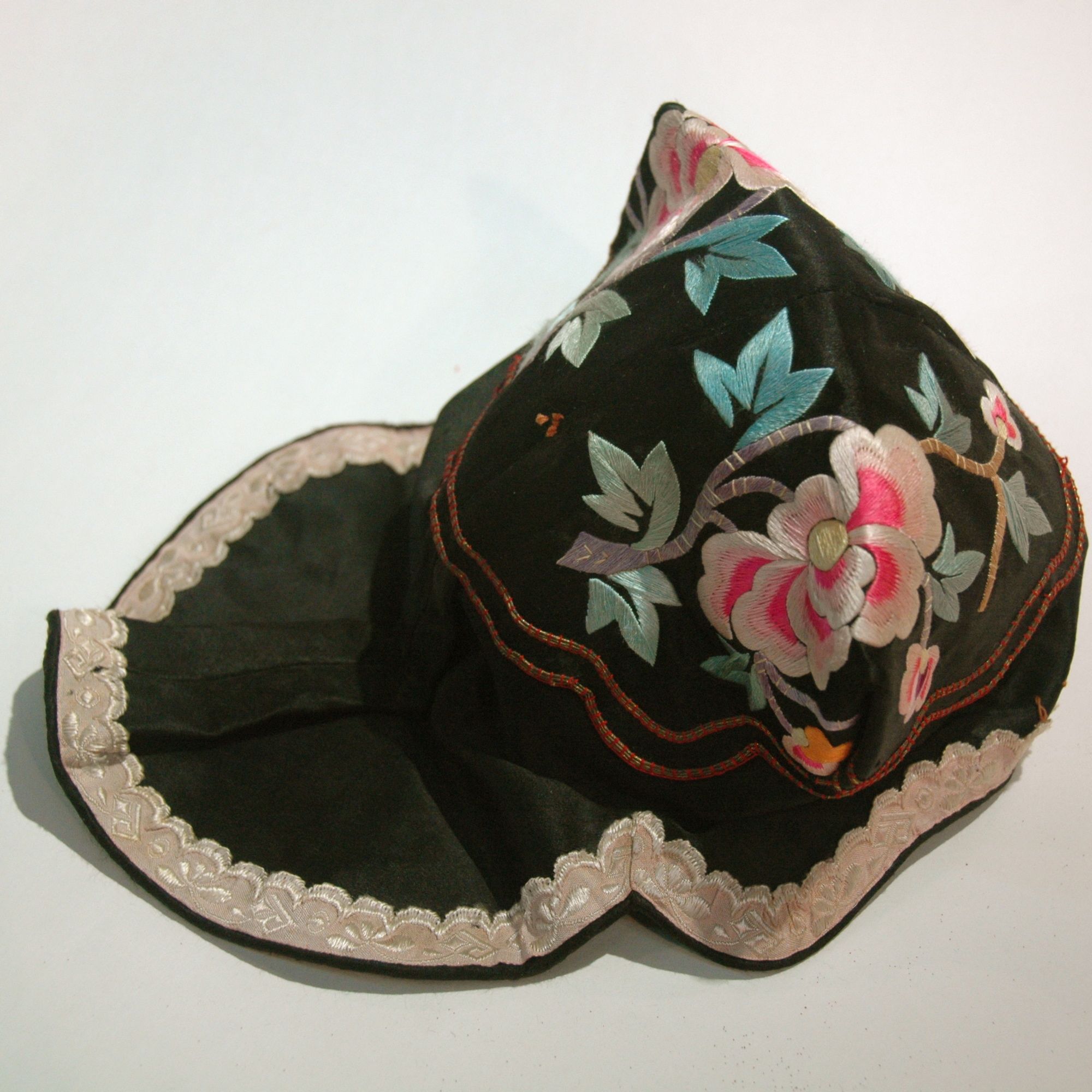
W180xL250mm, China

This is an embroidery hat for a child, flower pattern is embroiled on silk.  The embroidery would usually be made by girls in the family.  Please note that this is not a baseball style cap, the extension is not the bill but  a cloth that drap down the back of the neck.