Archives for posts with tag: wood

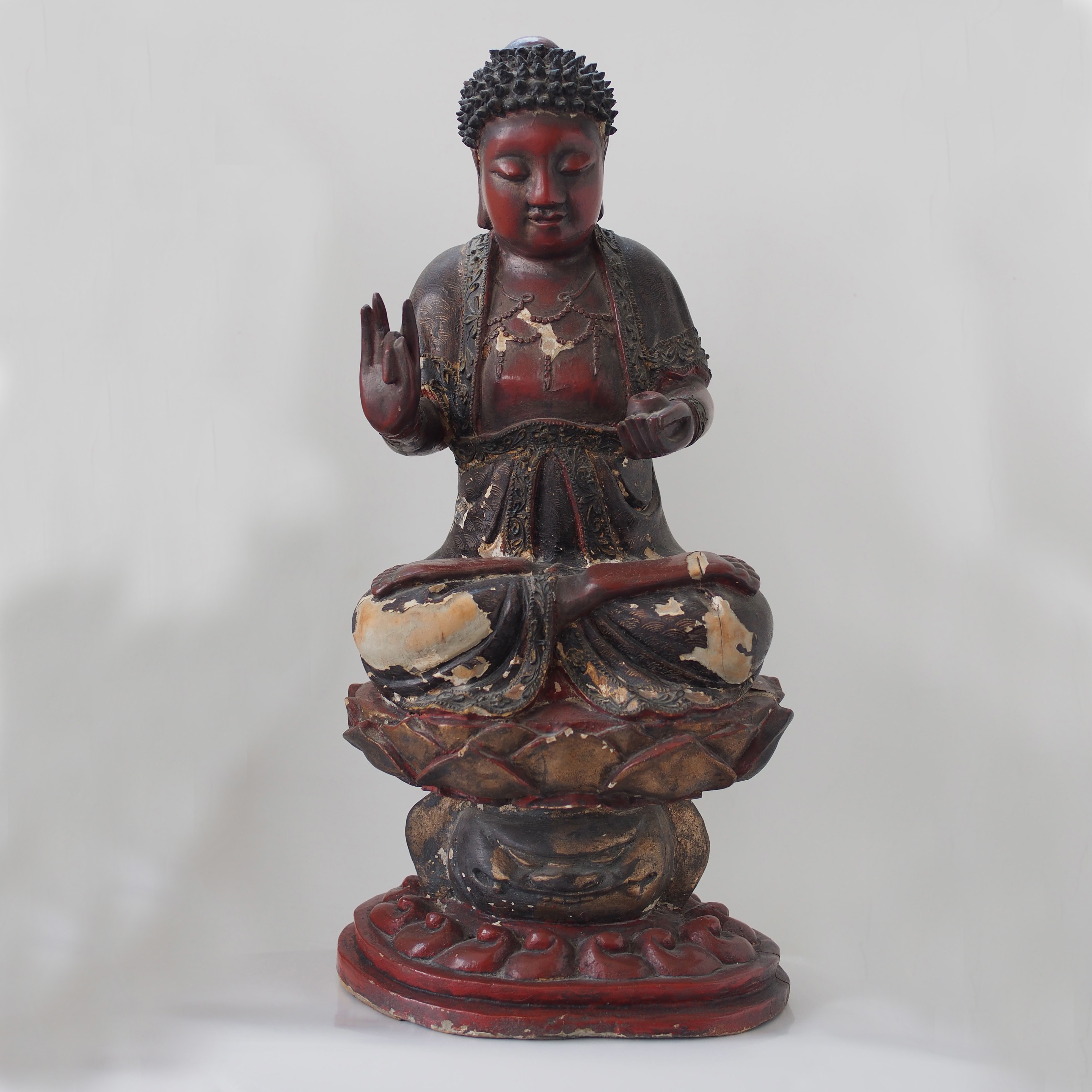
lacquer buddha on lotusW270xD180xH600mm, China

This is an old lacquer figurine of the Gautama Buddha.  He is sitting on a lotus blossom which symbolizes purity of the mind and body.  Though the lotus is rooted from the mud, its leaves naturally repel dirt and water, its blossom raises well above the muddy pool.  Under the lotus blossom sits a lion; lions are symbolic of bodhisattvas, being that have attained enlightenment.

The hand gesture of the Buddha indicating the banishing of evils (karana) and the gesture of leisure (avakasha).

At the back of the figurine is a secret compartment for storing scripts.

duck

L350xW190xH200mm, China

A wood carving of a duck with hand painted feathers.

I am afraid there is no Chinese legends of ducks but only recipes …

Cantonese Roast Duck

INGREDIENTS

  • 1 duck
  • 1 tbs of honey
  • Chinese spiced salt

METHOD

  1. set up an area where you can hang the duck for 8 – 12 hours (e.g. over the sink, etc.)
  2. fill up the kettle and put it on.
  3. spoon out 1 tbs of honey and put the spoon in a mug.
  4. wash the duck and clean out all the giblets
  5. pour half a mug of hot water into the honey containing mug.
  6. in an unplugged sink, carefully pour the rest of the boiling water over the outside of the duck, you will notice the skin will tighten up as the water touches.
  7. hang the duck and pour the honey water over the skin.
  8. leave the duck alone for 8 – 12 hours
  9. in a preheated oven  roast the duck breast side up for 20 mins at 180c, turn it over and roast for another 20 mins, then breast side up again for another 20 mins.
  10. leave to rest for 15 mins if you can resist the temptation, carve it out, sprinkle with salt and enjoy!

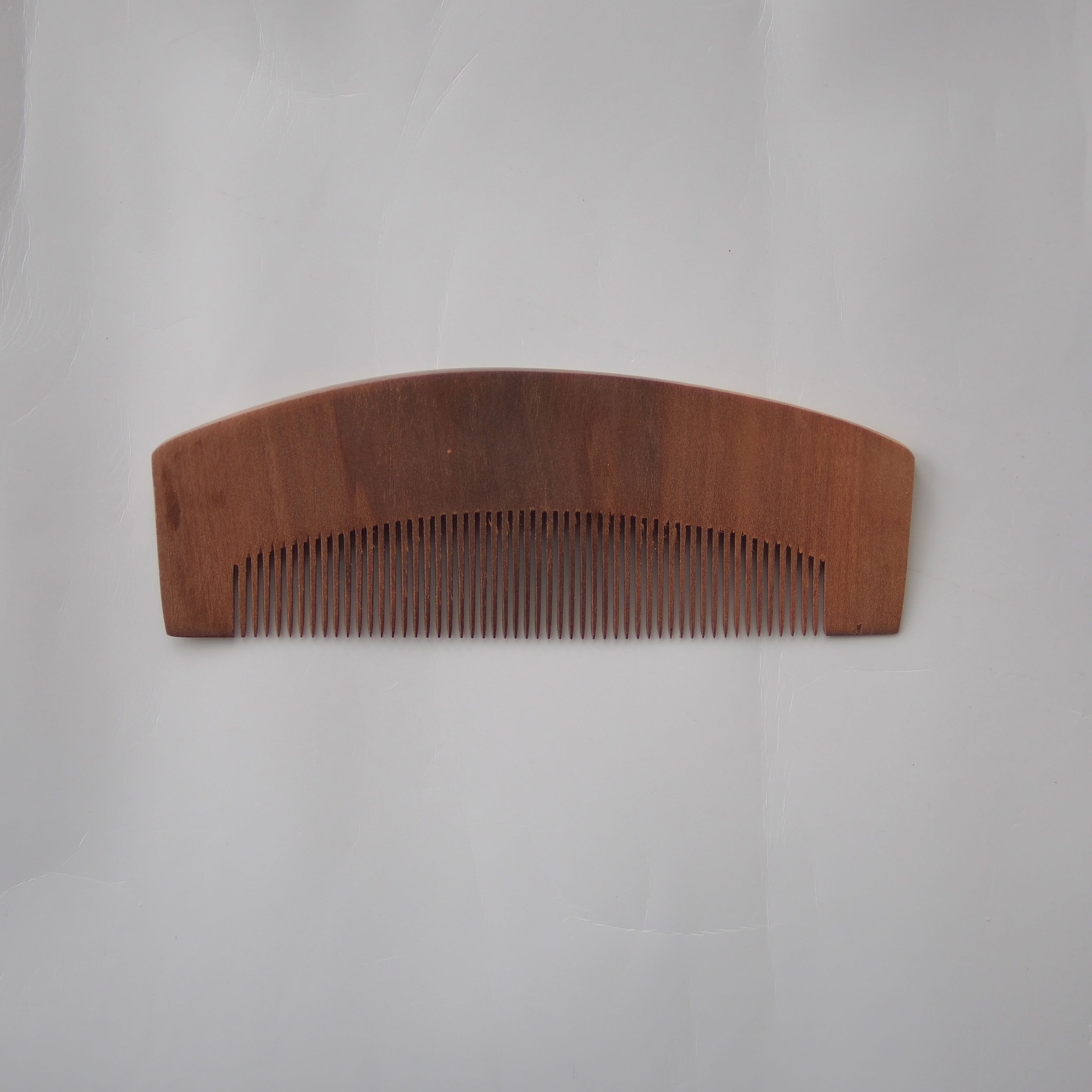
comb

L130xW50mm, China

Ever wonder how a wooden comb is made?

In the days when hair washing is not a daily event, the combs acted as a tool for cleaning of the hair.  Dust, dandruff, lices and any knots and tangles are all sorted.

bed alcove

Come to see our selection of furniture!

maskW145xH210mm, Indonesia

 This is a mask of Jinggananom,  a rebellious fighter in the masked dance of Topeng Cirebon, the masked dance of West Java.

The Cirebon masked dance describes the disposition of human life;
Panji Dance (the perfect human, fair, wise and doing good deeds),
Samba Dance (procession, lust and glamour)
Tumenggung Dance (a warrior’s loyality, heroism and dedication)
Rumyang Dance
Kelana Dance (greeds and ambition)

Two touching documentary tributed to the late maestro Mimi Rasinah.

golden wood carvingW60xL90xH130mm, China

This is a figurine of the character Fan Li Hua, one of the four famous Chinese female warriors (Hua Mu Lan, Mu Gui Ying and Qiu Jin).

Fan Li Hua is the beautiful daughter of a border general, well treated in military tactic and martial art, married to General Xue Ding Shan, she was also a general herself and pacified the western counties in the Tang dynasty.  The story of Fan Li Hua has been made into opera, “Fan Jiang Guan”.  The story began with Emperor and General Xue’s father trapped by the enemy in the town, Suo Yang Cheng.  The mother of General Xue has send a message for Fan to help with situation, at the same time, the twin sister of Xue has arrived with the army supply.  At this point, Xue’s sister has a strategic dispute with Fan Li Hua (who by then is already a General).  The spoiled sister-in-law started a fight, though no match against Fan wanted the upper hand.  Fan uses her wit and managed to calm the household as well as rescuing the Emperor.

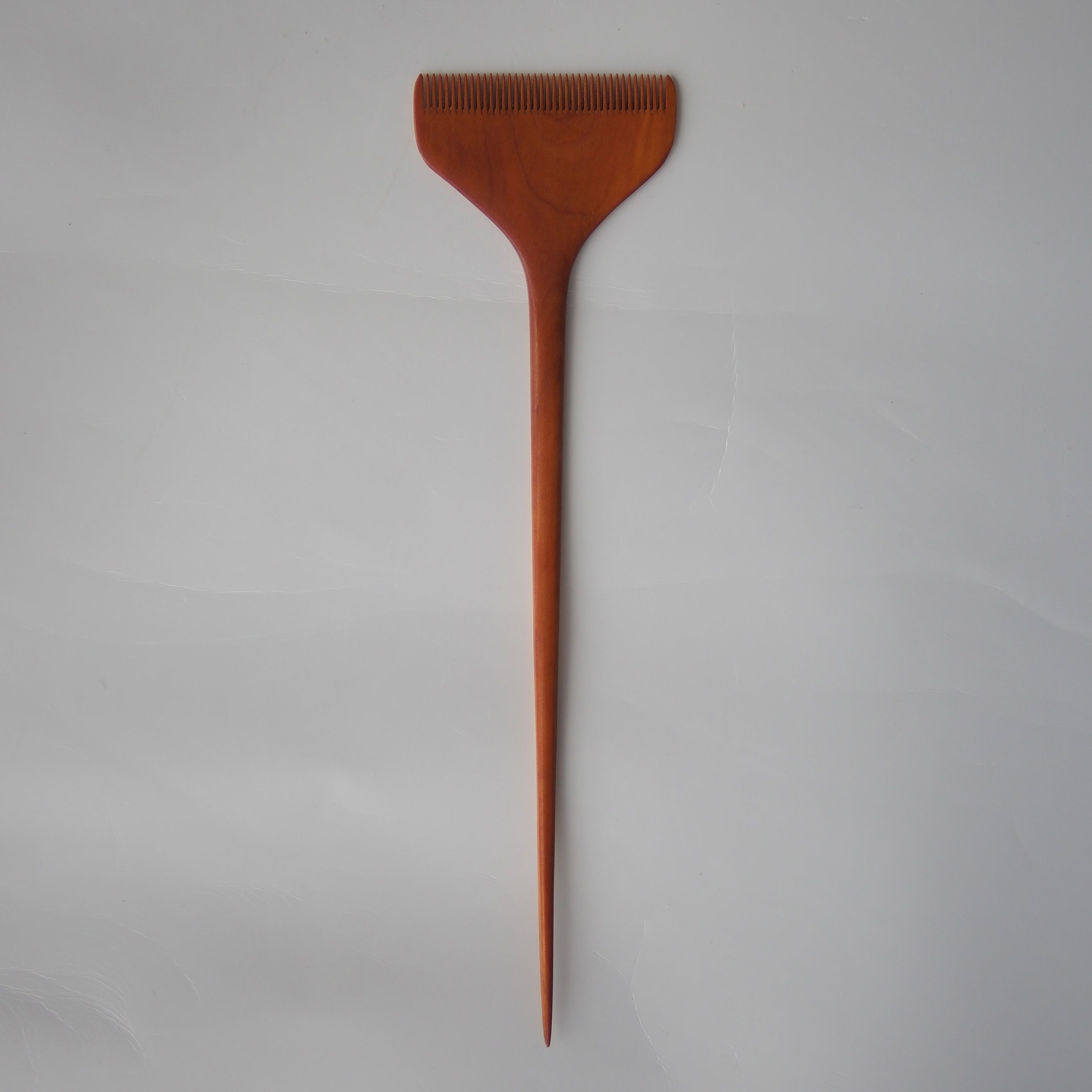
OLYMPUS DIGITAL CAMERAW45xL180mm, Japan

In today’s world, we often own only one comb and likely to be plastic, but for traditional Japanese coiffure there are many different types of comb (kushi) each having a different function.  The sujitate comb is a special tool for straightening the side and the back hair used by the Kamiyui (geiko hairstylist).

And this is how the comb is actually used.

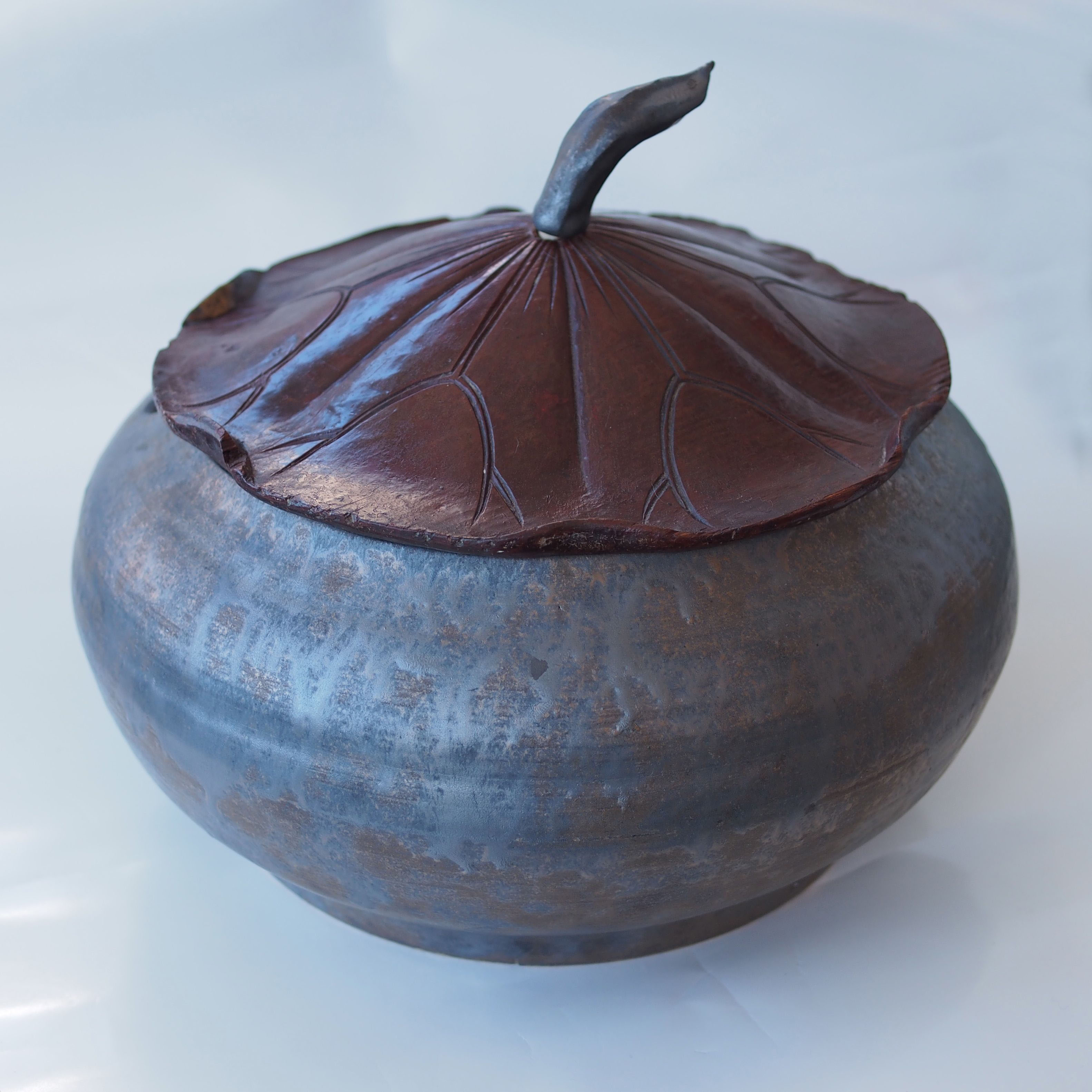
lotus leaf vessel

DIA320xH240mm, Hong Kong

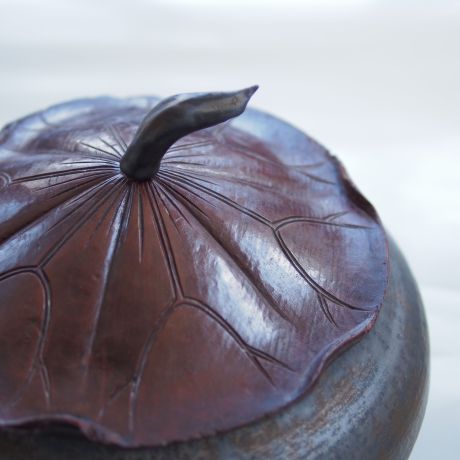
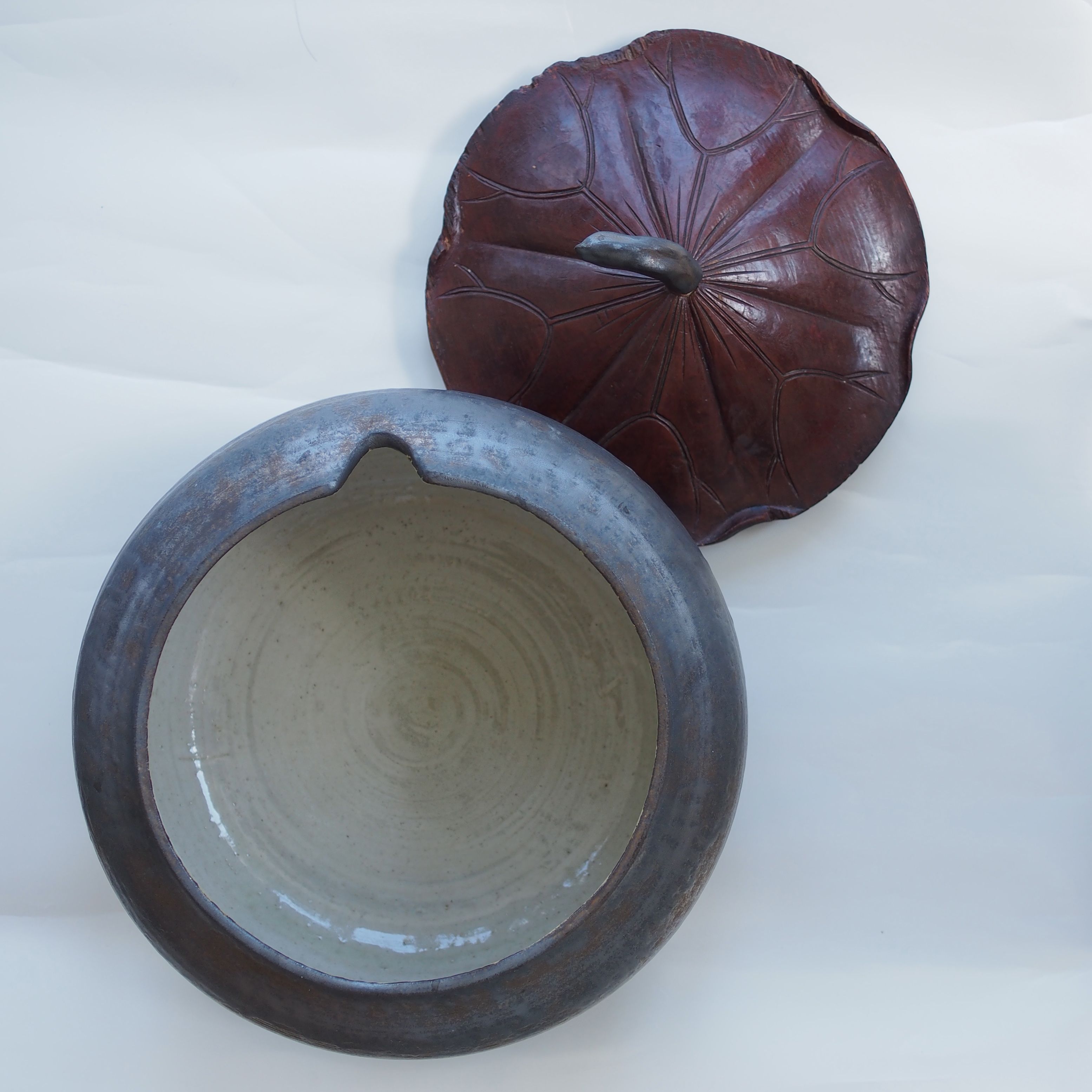
Remember the antique lotus leaf lid that was featured in last winter’s blog?  I started a pottery project of making a vessel to match the lid, after several versions this is the final version which I am most happy with.  It is ideal for serving soup and of course lotus leaf rice.

OLYMPUS DIGITAL CAMERAlotus lid

court lantern DSC_0203

DIA800xH800mm, China

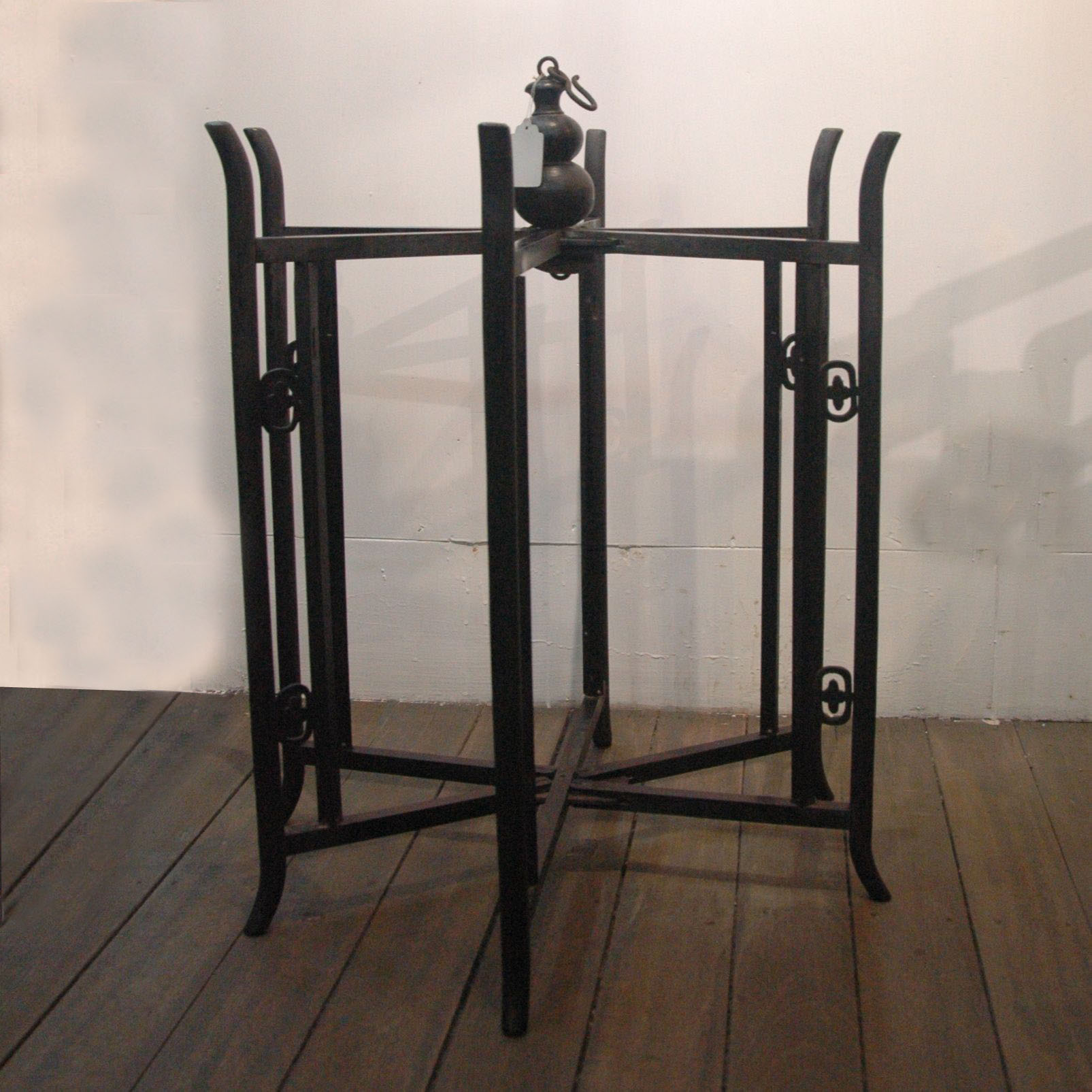
It is believed that the first court lantern was made for Emperor Liu Xiu, 23 A.D., after successfully unifying the country he held a large banquet in the palace, decorated with ribbons and lanterns.  Until the Sui dynasty, the court lantern is restricted for the use in the palace.  On the coronation of Emperor Wen, 590 A.D., the city Lou Yang held a bit celebration with nightly banquets, operas and court lanterns hanging throughout.  Since then, on the day of  Yuan Xiao every family will hang up court lanterns on the main beam of the living room.

This is the wooden frame of the lantern, a decorative silk or glass panels.  The frame can be folded up nicely for storage till the next Yuan Xiao festival.

brush standW140xD30xH70mm, China

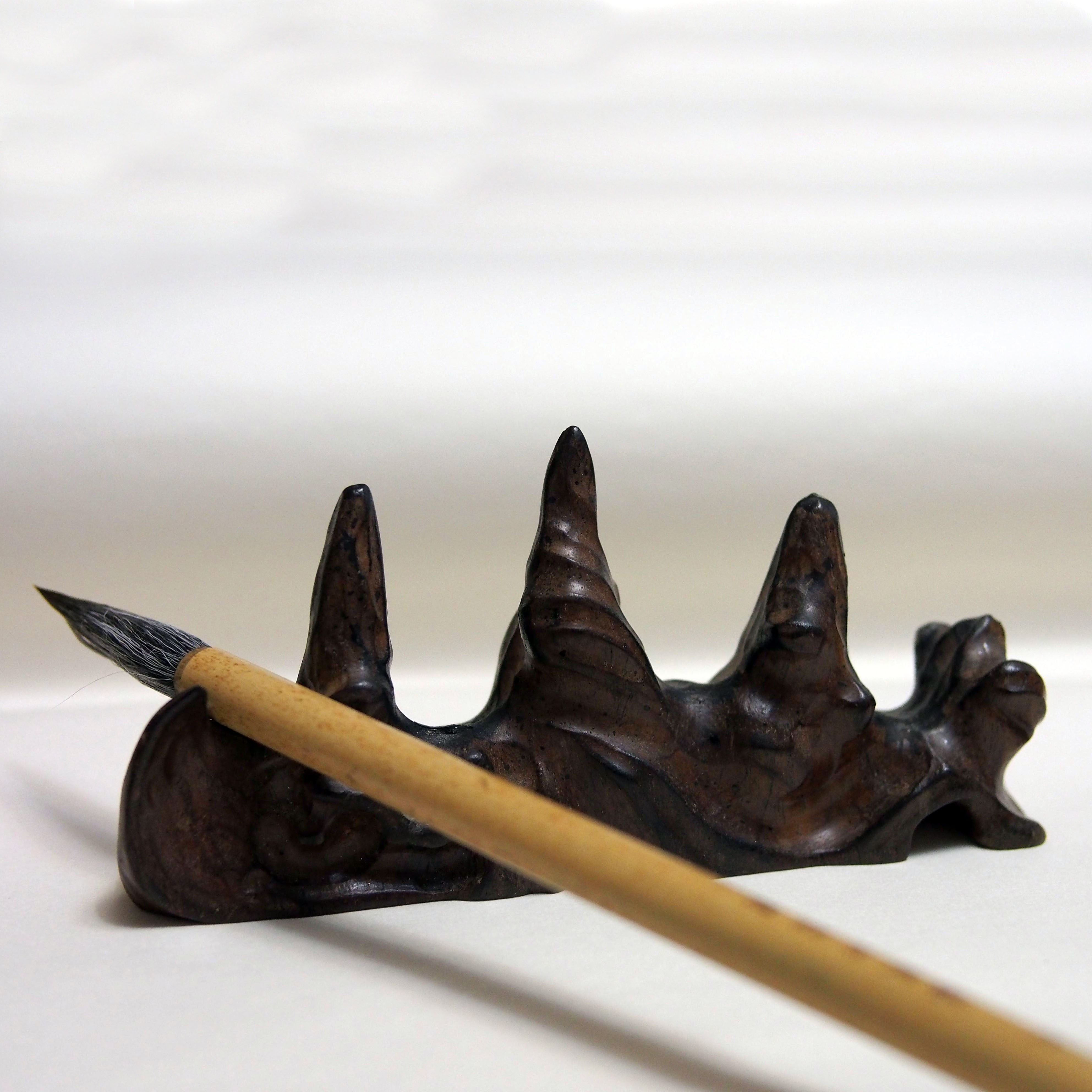
An essential stationary for the scholar, a brush rest for the temporary resting of the brush, as well as the mind.  When the job is done, the brush will be hung vertically to let gravity dry up the brush evenly.  There are many shapes for the brush rest but the mountain is one of the popular form, they can be made from coral, agate, crystal, jade to more common material such as wood and ceramic.