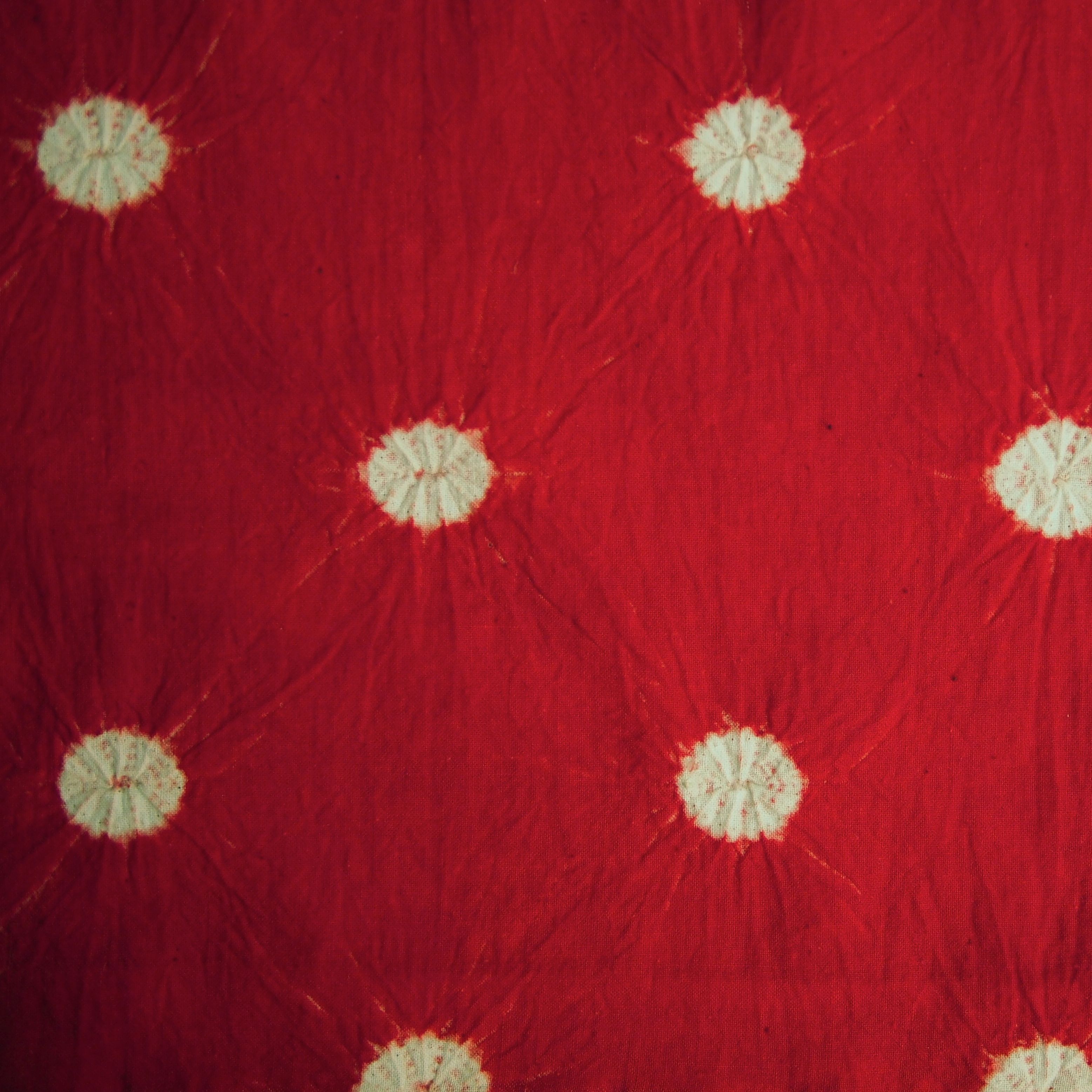
This is a piece of tie dye fabric, the folds created by the tie is still visible on the cloth, like the sketch mark on a drawing. For me, these marks of process are very subtle and touching. There is a sense of human creativity verse the now computer aided design products.
The craft of mother of pearl inlay on lacquer began in the Sung dynasty. Turbo marmoratus (great green turban) shell are polished down to a thickness of 0.5mm, then cut into point, lines and planes, these are then inlay onto the container before lacquer is applied. Click here to see the elaborated process.
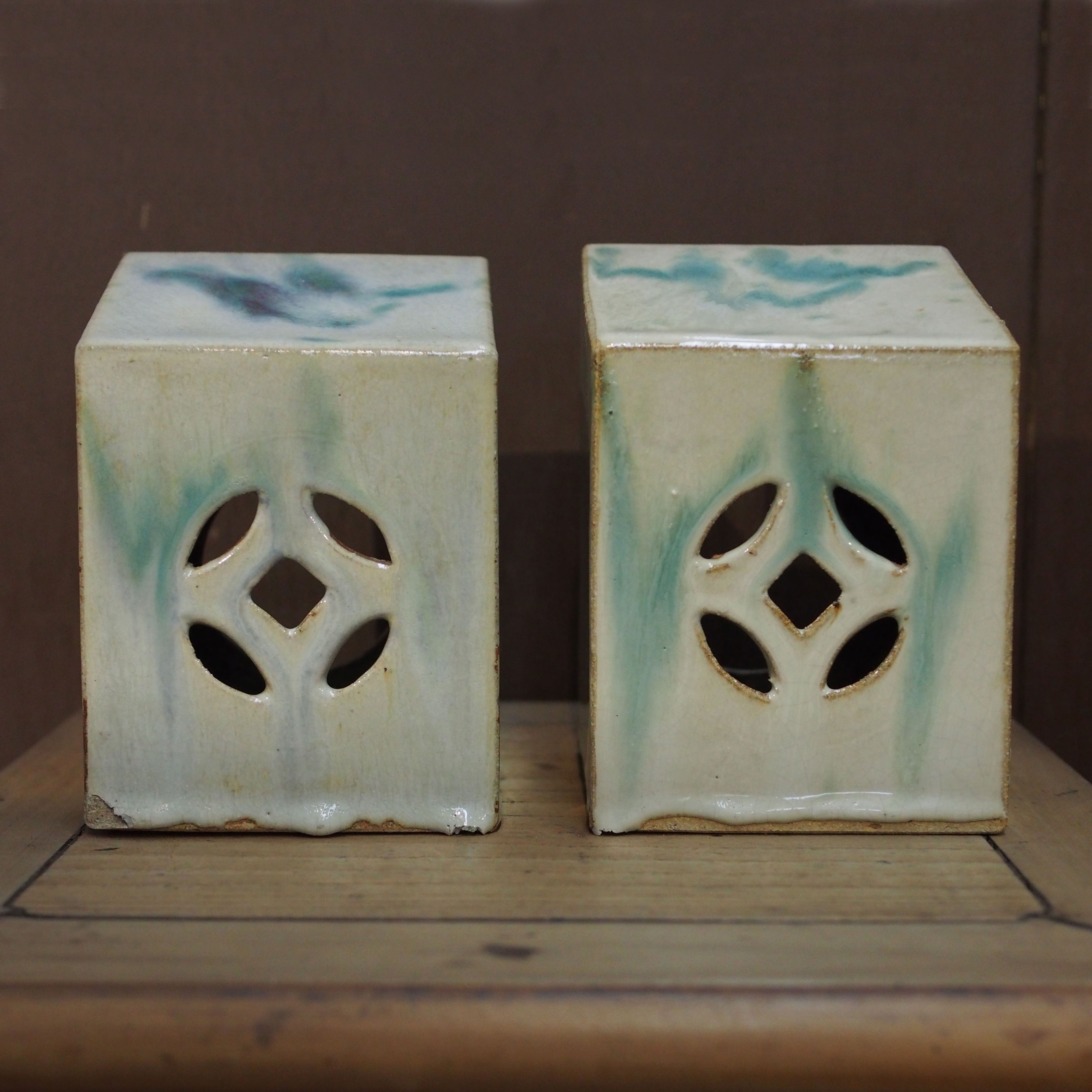
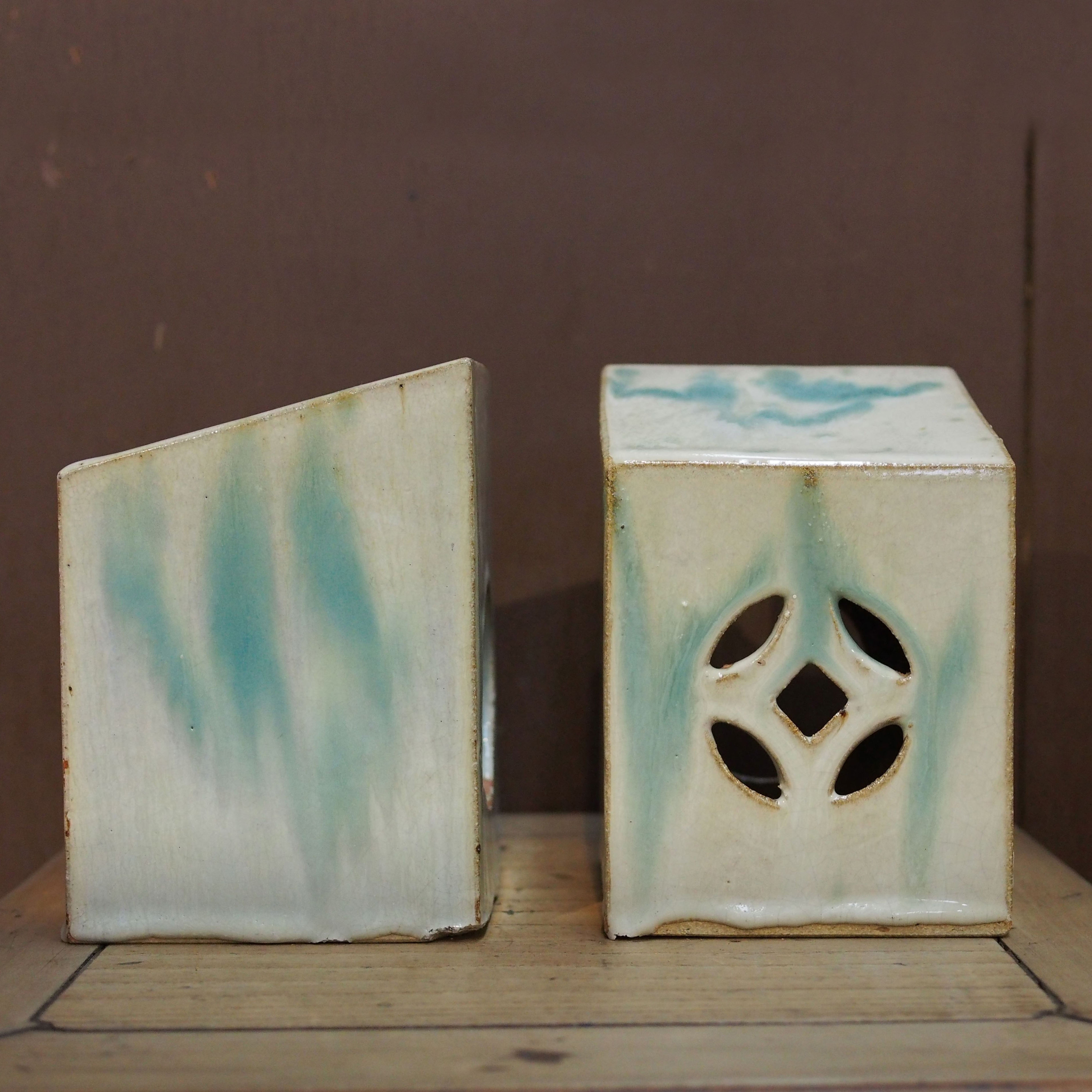
This pair of very architectural objects are in fact a pair of ceramic pillows! They have a running glaze which is typical of the Shi Wan kiln, used for smoking opium, the airing holes which forms a pattern of an antique Chinese coin are used for ventilation, helping to keep the pillow cool. I probably would not be able to be parted from the Tempurpedic but these would make lovely book ends.
The title of this wood block print is called “Buddha of the West Sky”, referring to Siddhattha Gotama of India. The idea of the West Sky is complex, in the early days the sun is believed to be a godly object; raising from the east, watching us on the day and going away and setting on the west. It is believed that while we sleeping the sun will be watching over in the west sky. With Buddhism introduced to China from India, a country to the south west, India, the West Sky, is the place where the truth, the important scripts are. Monks, notably Xuanzang (depicted in the novel the Monkey King), went to India to find enlightenment. The West Sky symbolizes a cleansed soul and mind, a nirvana world.
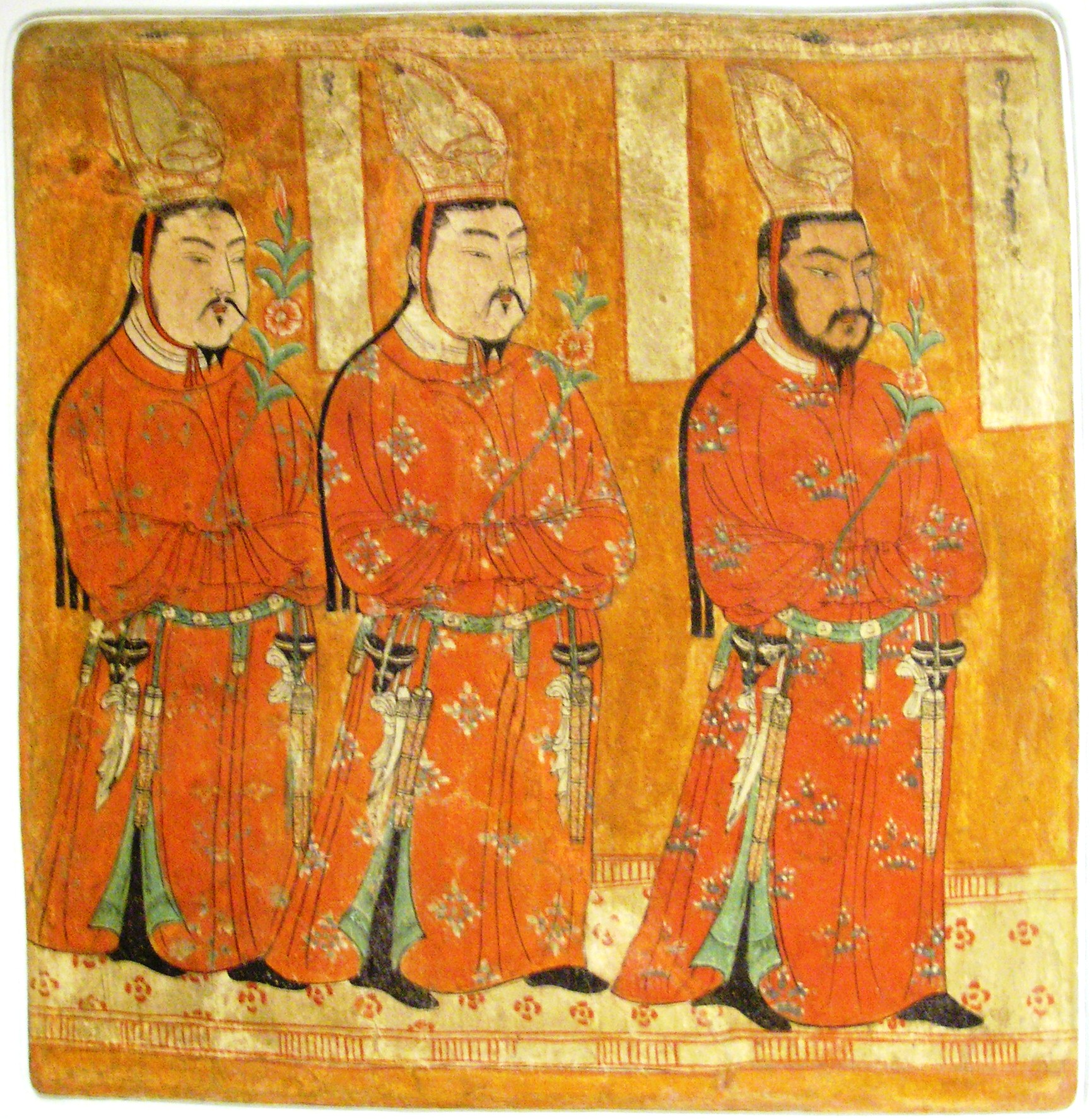
Similar to the western wallet which began its life as a knapsack for carrying articles not restricting to money, the Chinese wallet too start as a bag for keeping items like handkerchief, seals and of course money. The use of the wallet dated back to the Han dynasty, on the Bezeklik cave painting, 12th century CE, one can see Uyghur princes dressed in Chinese style robes and hanging wallets on their waists. As time goes by the shape and decoration of the wallet became more and more elaborated.
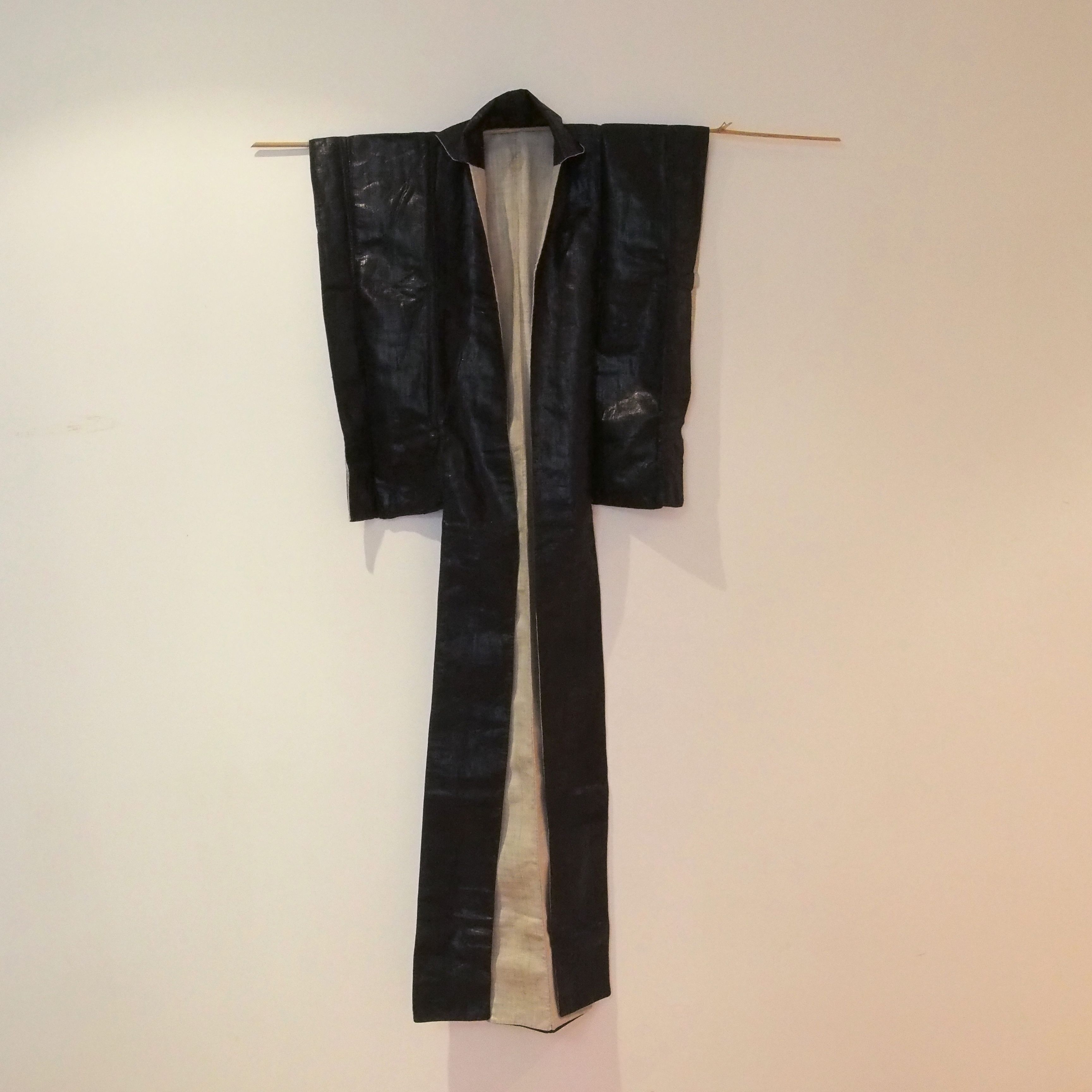
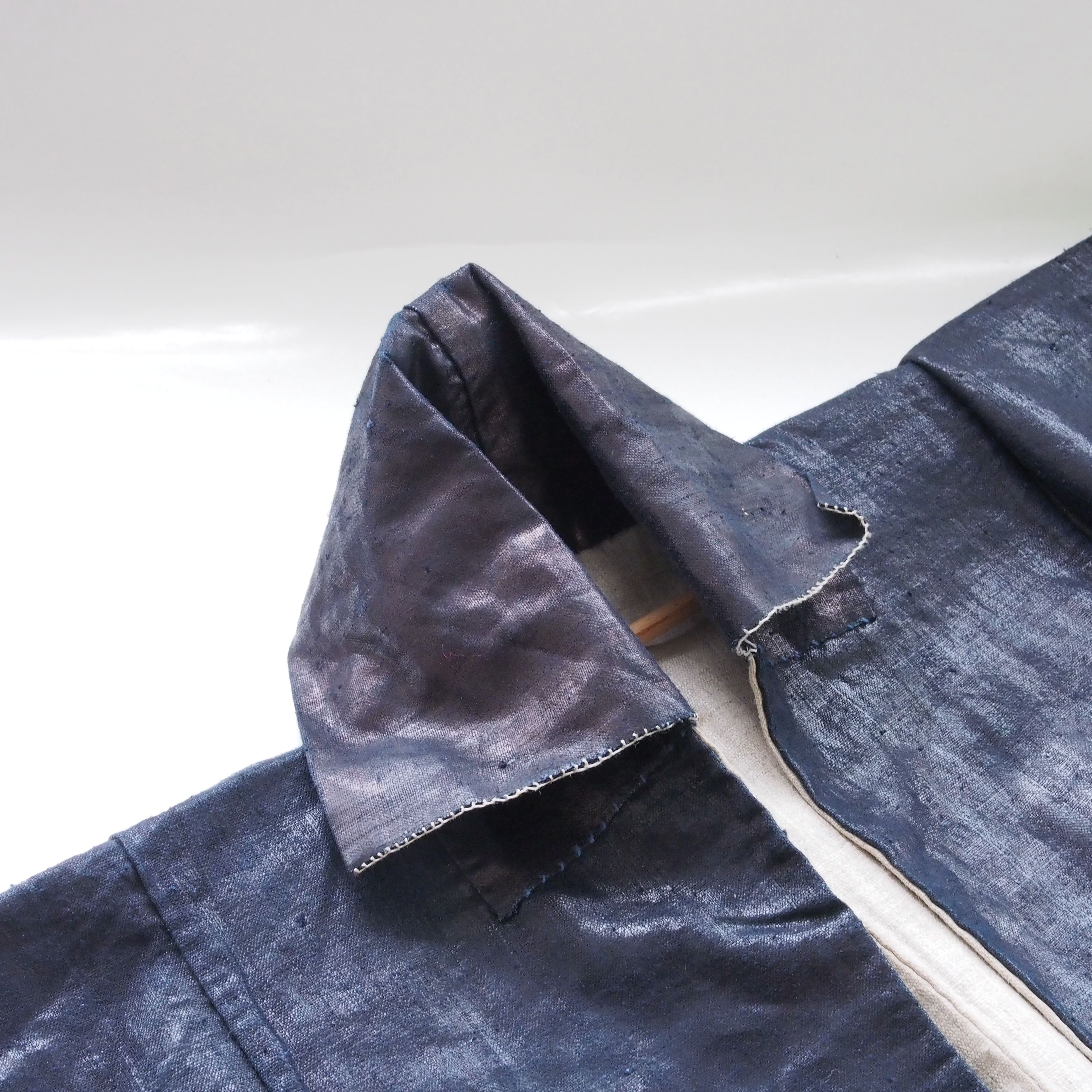
This costume belonged to the wizard of the minority Dong tribe. In the villages of Guang Xi area, each village will have their own wizard, whom like Harry Potter are passed down from generations of wizards. The wizard would make offering to the gods as well as casting away the evil ghosts. Life in the villages are harsh, whenever sickness or other misfortune fell on a family, they would asked the wizard to see if the place needed cleansing.
This bowl bring back a lot of childhood memory for me, I remember it containing this delicious red bean paste desert.
In the old days, these type of bowls are used by the hawker street stalls, “dai pai dong”, which has long been replaced by plastic bowls. Tung Po, my favorite place, is probably the only dai pai dong that still using similar bowls. The use of the bowls are not more sophisticated, they are chilled and beer is served for drinking challenges.
On the Tea Horse Route, there are gangs of horse cavavanners who take up the job for transporting goods through the network of narrow mountain pathway from Yunnan. Their routes connects Beijing and other big Chinese cities to Tibet, South East Asia, India, Africa and Europe. They were the main form of trade transport before the arrival of railways and roads. Nevertheless, even today, they cavavanners are still the main porters for the Pu Erh tea of Yunnan.
The life of the cavavanners take up a lot of hardship; camping at where ever they stop, taking care of the goods and the horses, facing all sorts of danger and unexpected danger on their journey. All these made the groups unite and willful, not only do they look out for their gang members but also other gangs. The palm fiber hat is part of the gang costume that unified the group.
This is a bamboo weaved basket used for chabana, flower arrangement for tea ceremony. The flower arrangement would be placed in the alcove of the room, using a seasonal flowers, narrow and tall vase made of natural material such as bamboo, ceramics or metal. The flower arrangement is also less formal than Ikebana, using little or decorative fillers material. Chabana developed from the Ikebana style Nageire, where flowers are thrown into the vase giving the viewer the same impression as they would have if they had been in the wild. The simple arrangement would have one single blossom, arranged to be leaning toward the guest.
Tea drinking is a social activities but it can also be a personal indulgence. This type of teapots were made to be drank directly from the sprout while holding the handle in the opposite direction with the sprout facing oneself. They are much appreciated by the scholars, an object of desire to be fondle with by the eye, the touch and suckle of fragrant tea. It would perhaps be comparable to a beloved pipe which one would enjoy touching and mouthing.
 Textile Width 1140mm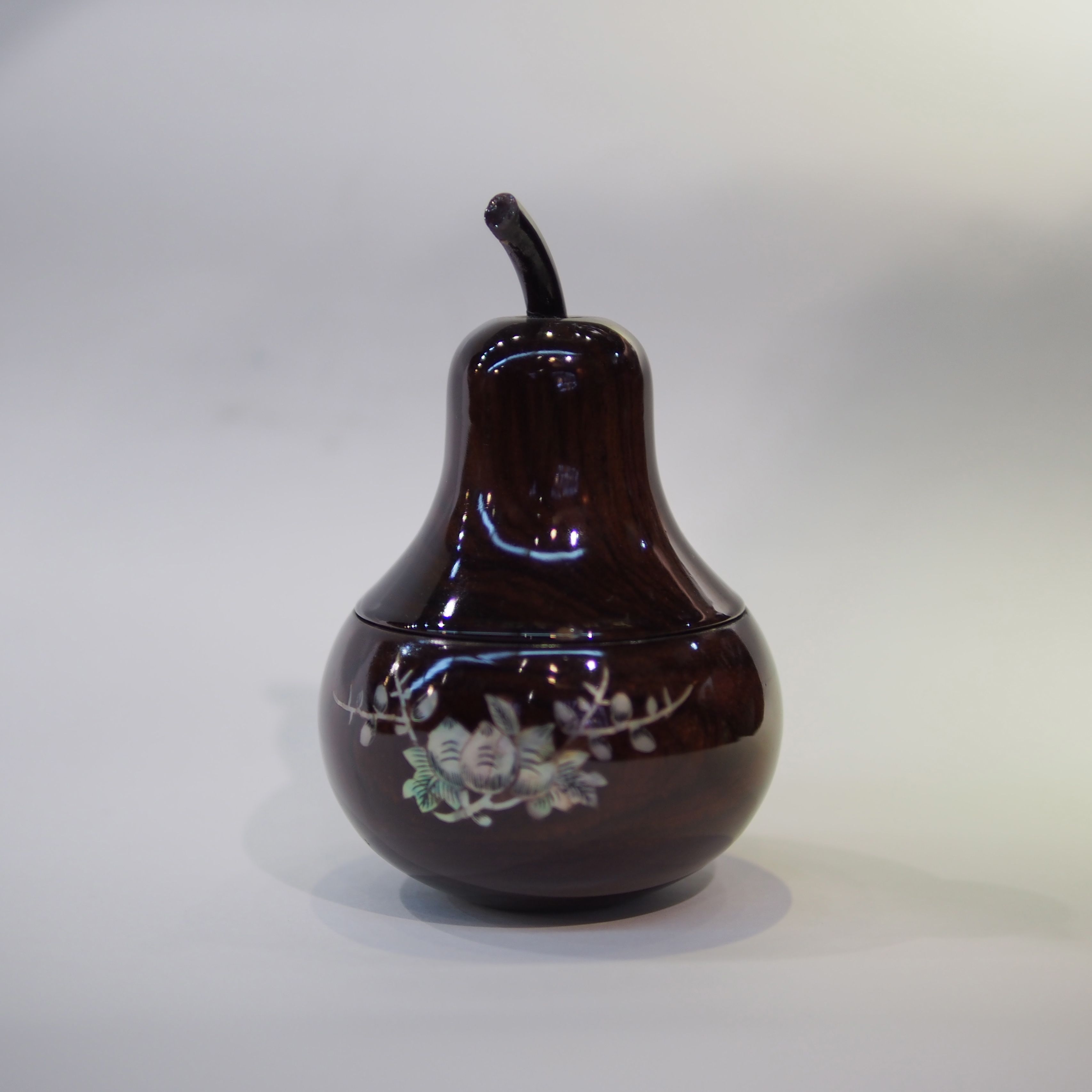




 Mountain Folkcraft