Archives for posts with tag: chinese

OLYMPUS DIGITAL CAMERAW290xL310xH40mm, China

The Chinese chess is a popular game since the Warring State period 1600BC and today major tournaments are held across China and it is a major past time for many.

The character of the chess resembles different roles in the military and have their own rule in movement.  Unlike western chess, the pieces are placed on the nodes rather than the square itself

  • General – 將 / 帥 (restricted in the middle “palace” 9 nodes except when executing the flying attack at the other general)
  • Advisors –  仕 on either side of the general (restricted in the palace and can only move in a diagonal fashion)
  • Elephants – 相 / 象, protectors of the general (restricted on their own side of the board which is separated by the river in the middle, moves in a 2 nodes diagonal (田 field) but the first diagonal point has to be cleared)
  • Horses – 馬 (moves in an elongated diagonal (日 sun))
  • Chariots – 車, a powerful piece (move in a vertical or horizontal straight line and more restricted to one node at a time.
  • Cannons – 砲 (move as the same way as the Chariots, it require another piece as a spring board for taking down opponent’s pieces)
  • Soldiers – 卒 / 兵 (can only advance and no retreat, once on the enemy’s side it can move side ways)

From these rules, and the popularity of the game, there are some idioms basing on the game of chess.

  • 過河卒 – “the soldier that crossed the river” – point of no return
  • 卒子過河當車使 – “soliders across the river can be used as chariots” – even minute, it can be very effective
  • 事急馬行田 – “urgent! the horse will need to across the field” – normally, the horse moves in a 日 sun fashion and the elephant in a 田 field, but being so desperate the horse will need to forfeit its usual move and do the field.
  • 放馬後炮 –  “putting the cannon behind the horse” – a powerful move, the horse enters the opponent’s palace and restricting the general from moving to either side, then the cannon come in and checkmate.  the idiom refers to those comments after checkmate.
  • 飛象過河 – “elephant fly across the river” – as the elephant is forbidden to cross the river, it refers to those who dont follow the rules.
  • 棄車保帥 – “forfeit the chariot to save the general” – making sacrifices to avoid a total loss

clay toyW150xD40xH200mm, China

Characters from the Beijing Opera (which is a collection of legendary stories in itself) are made into toys.  I suppose the its no difference now with Buzz Lightyear and the Woody action character, an hero friend you can keep in the pocket.

This is Guan Yu, the hot blooded general of Liu Bei in the Three Kingdoms era (200BC), the character is made popular by the historic novel “Romance of the Three Kingdoms” (published 1350) where he is described as 9 feet tall with a 2 feet long beard, a date colour face and red lips, eyes of a phoenix, silkworm like eyebrow and above all loyal and dignify.

Not only is he a favorite character for the kids,  he can also liked by the adults, taking on the role as the God of Wealth.  In praise for his loyalty, in Hong Kong Guan Yu is also worshiped by the police and Triads alike.

DishesDIA100xH40mm, China

A pair of peony bowls.

Peony is a flower that has been much appreciated, beyond displaying in gardens.
Its beauty reciprocated in painting, opera and poetry.

Emperor Xuan Gong was with his beloved Lady Yang admiring the peony blossom in the palace garden.  Li Bai was summoned to court to write a poem about the peony.

清平调

雲想衣裳花想容,春風拂檻露華濃。
若非群玉山頭見,會向瑤臺月下逢。

一枝紅豔露凝香,雲雨巫山枉斷腸。
借問漢宮誰得似?可憐飛燕倚新妝。

名花傾國兩相歡,長得君王帶笑看。
解釋春風無限恨,沉香亭北倚闌干。

The poem “Lady Yang” by Li Bai, translation by S. Obata

The glory of trailing clouds is in her garments,
and the radiance of a flower on her face.
O heavenly apparition, found only far above
On the top of the Mountain of Many Jewels,
Or in the fairy Palace of Crystal when the moon is up!
Yet I see her here in the earth’s garden
The spring wind softly sweeps the balustrade,
And the dew-drops glisten thickly …

She is the flowering branch of the peony,
richly-laden with honey dew.
hers is the charm of the vanished fairy,
That broke the heart of the dreamer king
In the old legend of the Cloud and Rain.
Pray, who in the palace of Han
Could be likened unto her,
Save the lady, Flaying Swallow, newly dressed
In all her loveliness?

She stands, leaning against the balustrade
Of Chen Hsiang Ting, the Pavilion of Aloes.
Vanquished are the endless longings of Love
Borne into the heart on the wind of spring
The radiant flower and the flowery queen rejoice together,
For the emperor deigns to watch them ever with a smile.


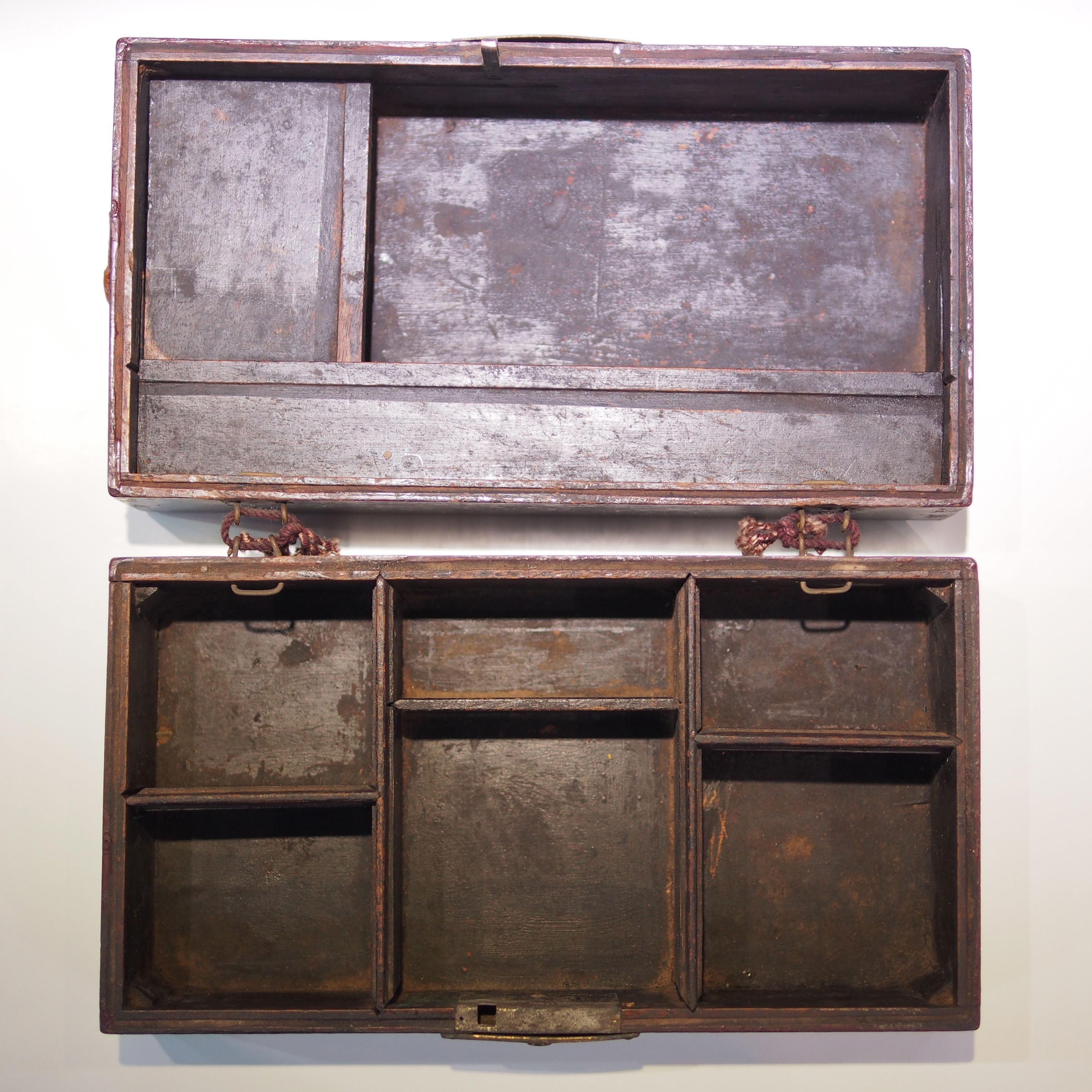
stationary box

W250xD140xH110mm, China

While researching on other items relating to opium, I realised there has been a mistake.

This item as previously published (2013/10/23) as being a stationary box.  Apology!  It is actually a box for storing the opium kit.

Similar box can be found in the Brooklyn Museum Collection.

OLYMPUS DIGITAL CAMERA

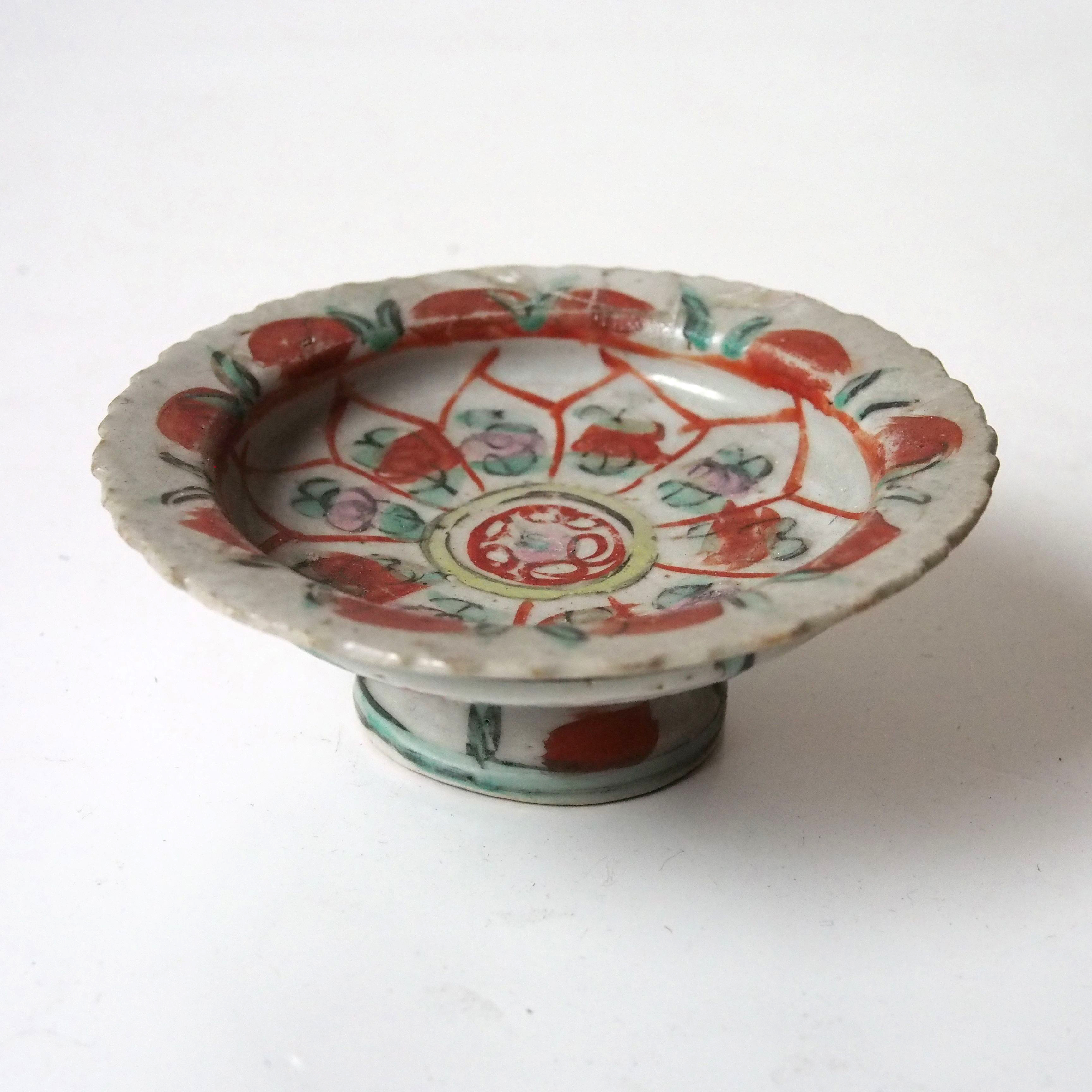
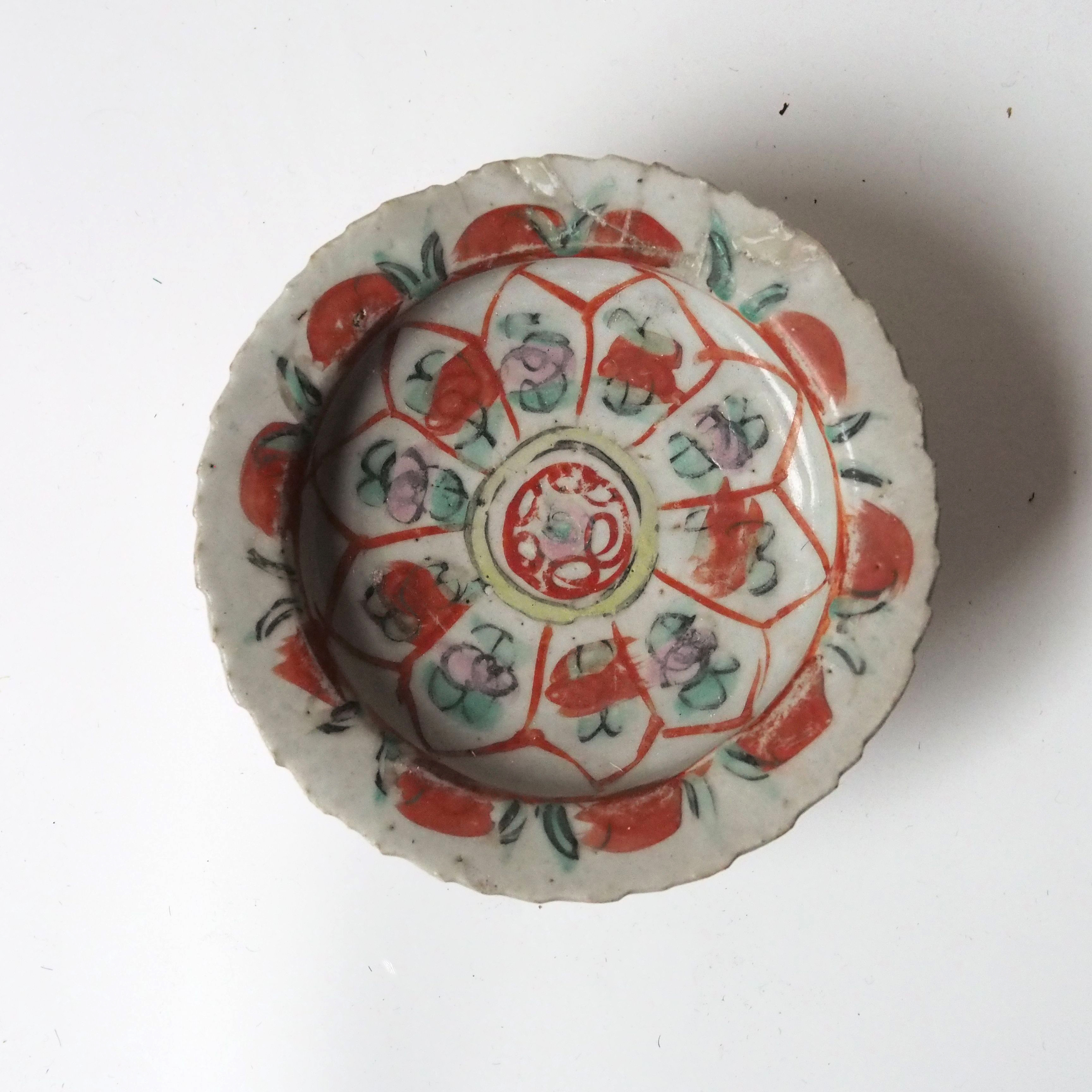
plateplateDIA100xH140mm, China

This is an offering plate for the gods at the temple or even at the shrine at home.

The offerings are broadly divided into 5 groups; tea and wine, incense, fruits and cakes, the 5 grains, animals.  These offering has to be aesthetically beautiful, making a melodic sound and of course tasty.

However, it seems Master Chin Kung’s teaching makes more sense.

Instead of tea and wine, water should be offered, our mind should be as pure and peaceful as water.
We should understand the meaning of what it is we are offering.

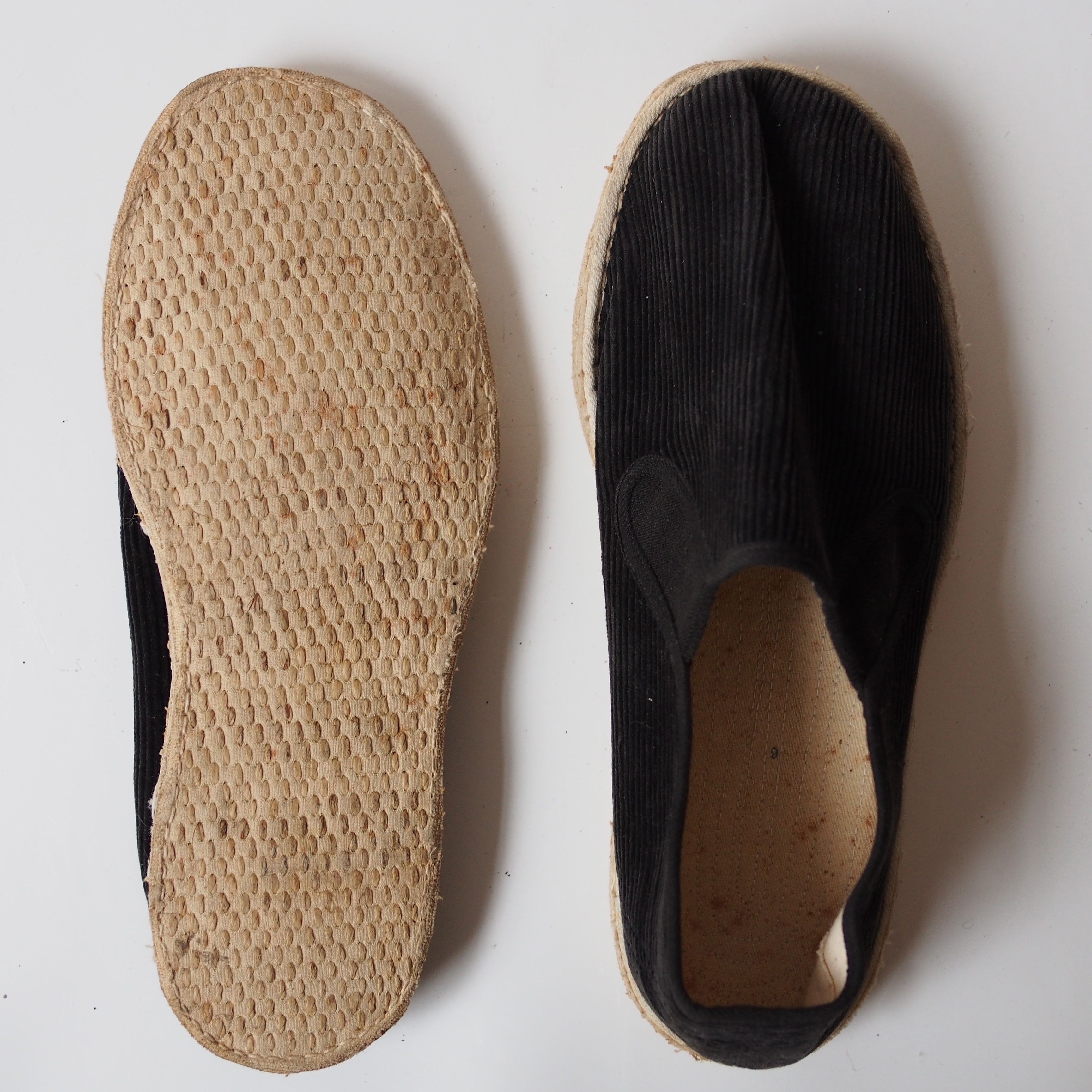
shoesEuropean Size 41

The name “Thousand Layer Sole” came from the fact that the sole is made with numerous layer of cloth held together with rice glue and hand stitching.  It is a common way of making traditional shoes in China, according to the archaeologists the technique has been around since the Zhou dynasty (700 BC).

Click to see how it is made, maybe you can try making it at home!

And here is how mom has learnt it as a child.

figurineL160xD100xH120mm, China

This figurine is by the famous pottery area Shi Wan; their figurines are typical to have a glazeless delicate facial and hand depiction while contrasting with an expressive and bold glazing on the clothing.

The drunken poet, Li Bai, is a popular subject for figurine, paintings, etc., apart from his literary stature, his love for drinking also give a character for the artisan to express.

月下獨酌

花間一壺酒
獨酌無相親
舉杯邀明月
對影成三人
月既不解飲
影徒隨我身
暫伴月將影
行樂須及春
我歌月徘徊
我舞影零亂
醒時同交歡
醉後各分散
永結無情游
相期邈雲漢

The poem “Drinking Alone under the Moon” by Li Bai, translation by W. Bynner

From a pot of wine among the flowers
I drank alone. There was no one with me—
Till, raising my cup, I asked the bright moon
To bring me my shadow and make us three.
Alas, the moon was unable to drink
And my shadow tagged me vacantly;
But still for a while I had these friends.

To cheer me through the end of spring . . .
I sang. The moon encouraged me.
I danced. My shadow tumbled after.
As long as I knew, we were boon companions.
And then I was drunk, and we lost one another.
. . . Shall goodwill ever be secure?
I watch the long road of the River of Stars.

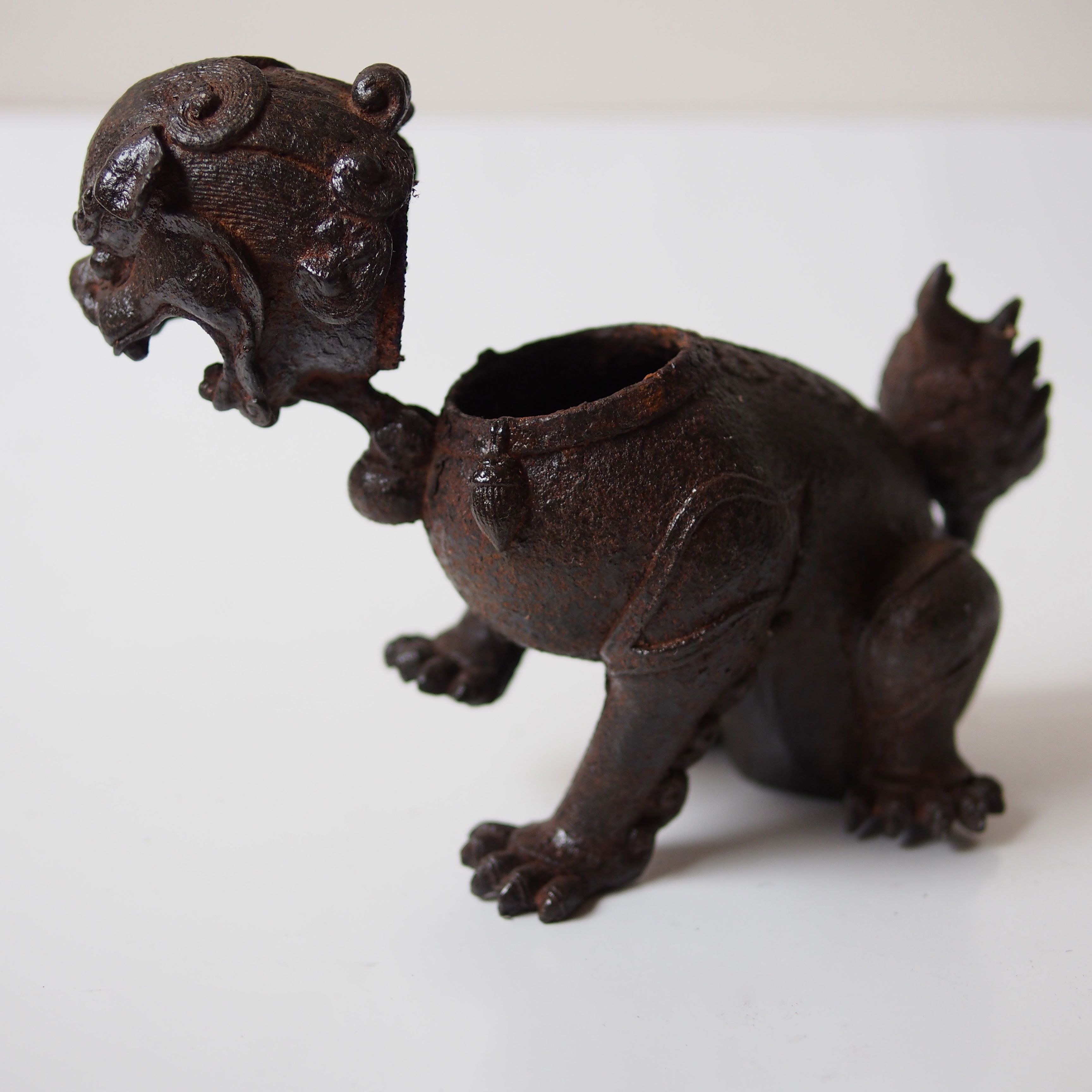
metal lionsW90xL200xH180, China

A pair of suan ni, with smoke coming out of their mouths!

Like the Tao Tie, Suan Ni is one of the sons of the dragon (the 8th son).  Unlike the Tao Tie who adores food, the Suan Ni is a patient creature that loves the smoke from the incense.  He can be found on the large incense burners and also as a carrier for the Bodhisattva Manjusri.

These Suan Ni are a pair of incense burners, flip open the head, place the incense, light it, flip the head back and enjoy their smokey conversations.

metal lion

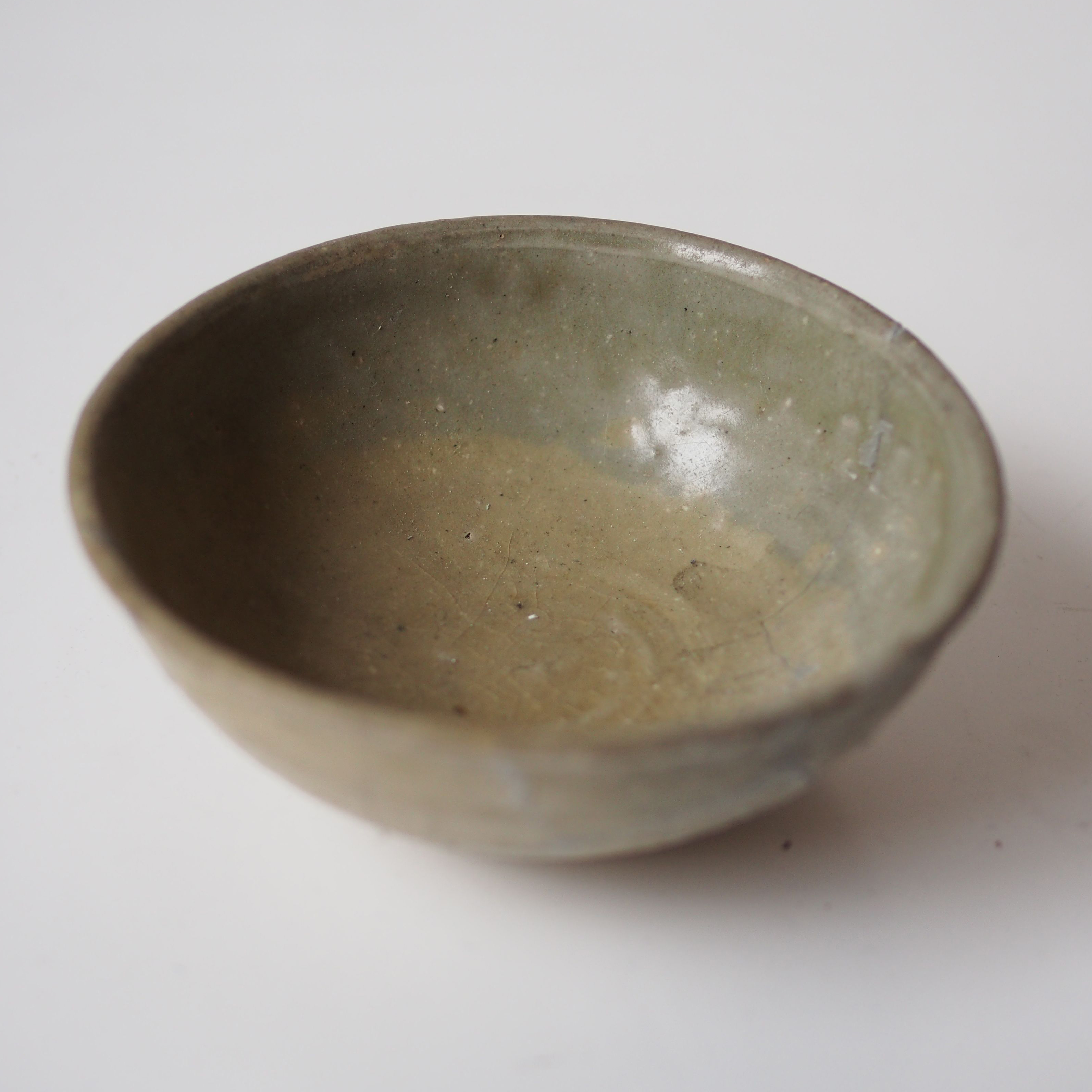
bowlDIA155xH60mm, China

A simple bowl, the colour of the glazed is almost the colour of nature itself.

This bowl has been buried underground and unearthed, the artificial colour, glossiness and form seems to be tamed by nature itself.