Archives for category: fabric

W90xL1900mm, China

This hand woven band is the belt for the costume of the Miao tribe.  Just after lunar New Year is the Cai Hua Shan festival of the Miao tribe.  Different clans will come together to the common area between the different villages, a large pine or cypress tree will be selected as the “flower stem”.  Before dawn the person in charge, “head of the flower stem”, will take on the task of erecting the tree post and tying ribbons and flower on the top.  This job is done by commonly agreed most kind hearted person (with such a task, I am not surprised).  The day begins with the “head” tossing wine to everyone and giving them blessing; fire crackers, drums are played to signify the start of the festival, followed by days of dance, music and laughter.  It is also the chance for dating, the men will give a woven band to the lady he desire and in return the lady will give him a embroided handkerchief or headwrap.

W600xL600mm, China

This cushion cover is made with the “seat” portion of a baby carrier used by the Bia tribe.  This carrier is made with the patchwork technique, the coin pattern is made by folding strip of cloth into an oval shape and stitch over a colour patchwork.  Traditionally patchwork is a blessing for a baby, mother would made a patchwork duvet using clothes gathered from a varies families, wishing the child will have the blessing from these families.

Textile width 380mm, China

We have a collection of the fabric from the Miao tribe, as they are hand woven, unlike the machine woven fabric, their textile width is quite narrow.  They are cotton fabric that would be normally used for making garments for the tribe.

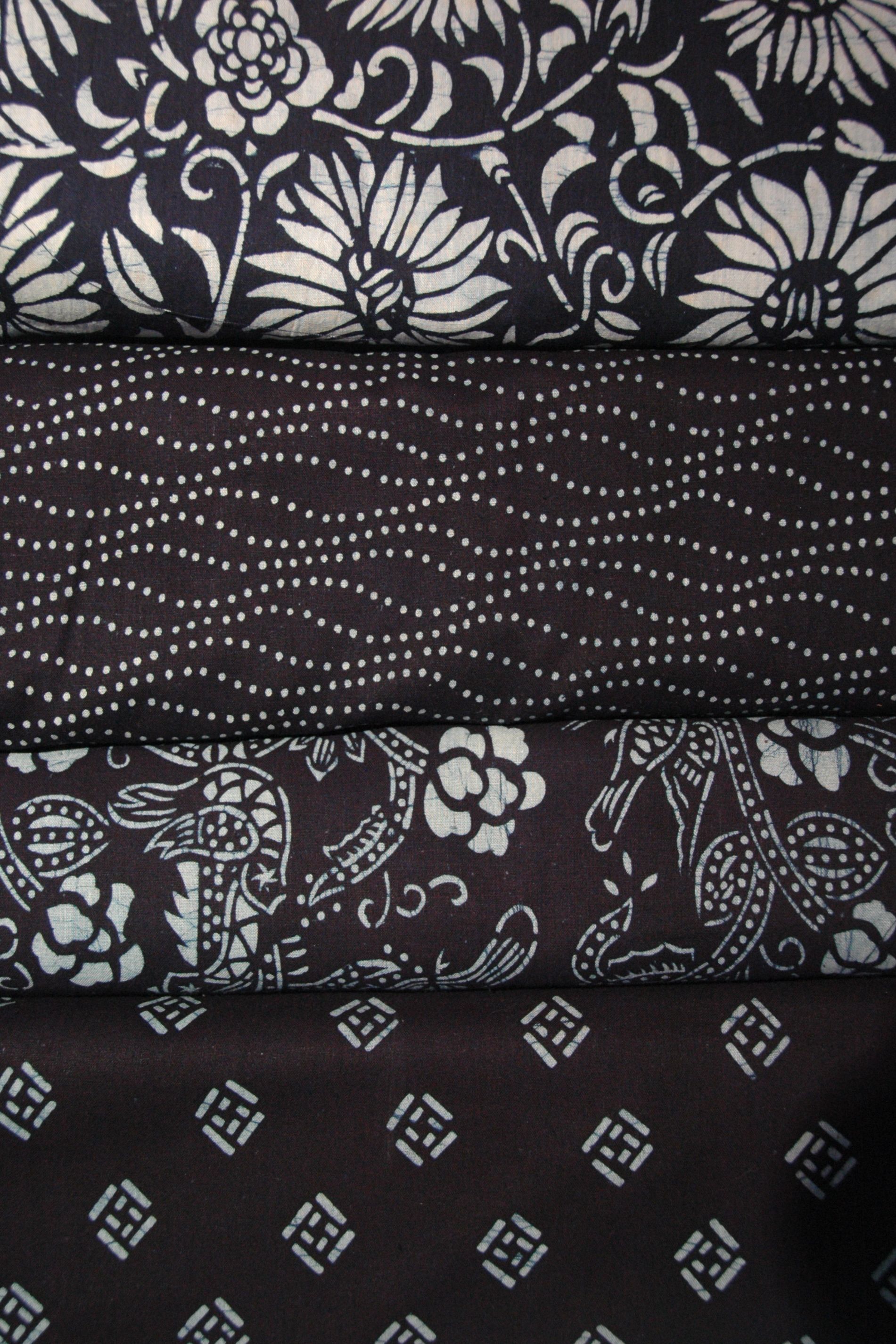
Textile Width 870mm, China

This indigo dye fabric came from Gui Zhou, a place which produces the Blue Grass (Indigofera Tinctoria L) which the indigo dye was extracted from.  Around September to October, the grass will be harvested and soaked in water for 6 days, stirring every 2 days, after which the soaking liquid is poured into a tank with lime.  The mixture is stirred for a couple of hours then left over night to precipitate, by the next day the lime would have extracted the dye, the water covering the lime is carefully taken out.  In Gui Zhou, the Blue Grass is also used for disinfectant.

For the dyeing technique of  please refer to previous post of Indigo Dye Fabric.

Come check out our hand woven fabric collection!

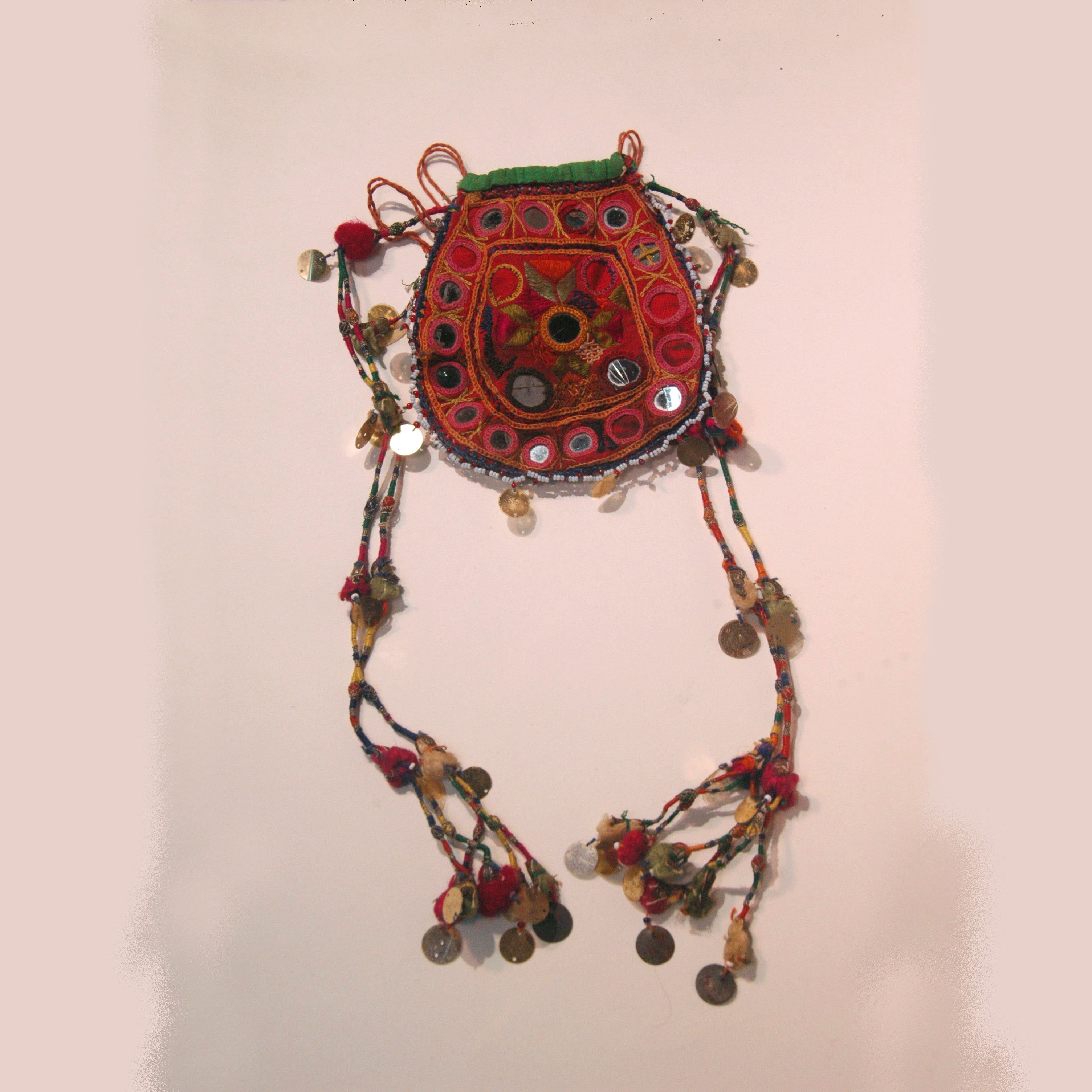
W140xH140mm, India

Shisha (originated from the Persian word shisheh which means glass) is a form of embroidery that is very popular in Gujarat, Rajasthan, Haryana and Delhi of India.  Shisha embroidery is believed to originate in Perisa in the 13th century and brought to India by Persianate Moghul Dynasty.  This form of embroidery can be found on garments, accessories and even for home furnishing product, the glass is usually paired with the colorful fabric used in the area.  This is a small bag with mirror shisha embroidery and tasseled with bronze discs.

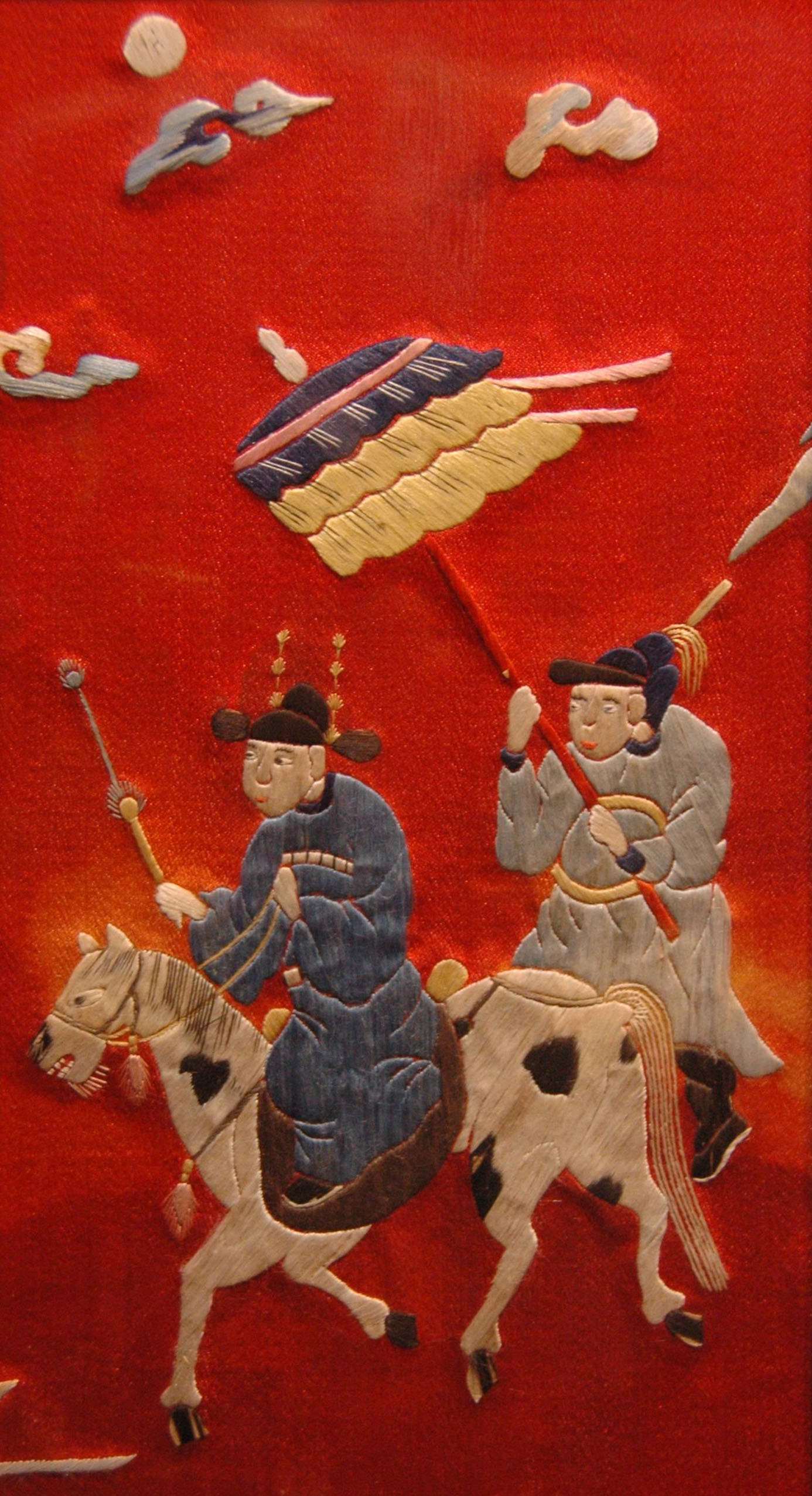
W100xH170mm, China

Since the Siu dynasty 605 AD, China has developed a system in the selection of her officials basing on a literature examination, this system continued till the last examination held in 1905.  By the Tang dynasty, the examination system was very refined; divided into several parts they are held at interval within a year, 50 topics are covered, all the examination will be overseen by the .  By passing the test, one gain the title of the test.  At the final stage, a selected few will be given questions set by the Emperor himself.  The top scholar, Zhuang Yuan, from the final exam will be paraded in the town of Beijing which is what this embroidery is depicting.  This embroidery is taken out from a large embroidery, something like a curtain, we have framed it as a painting.

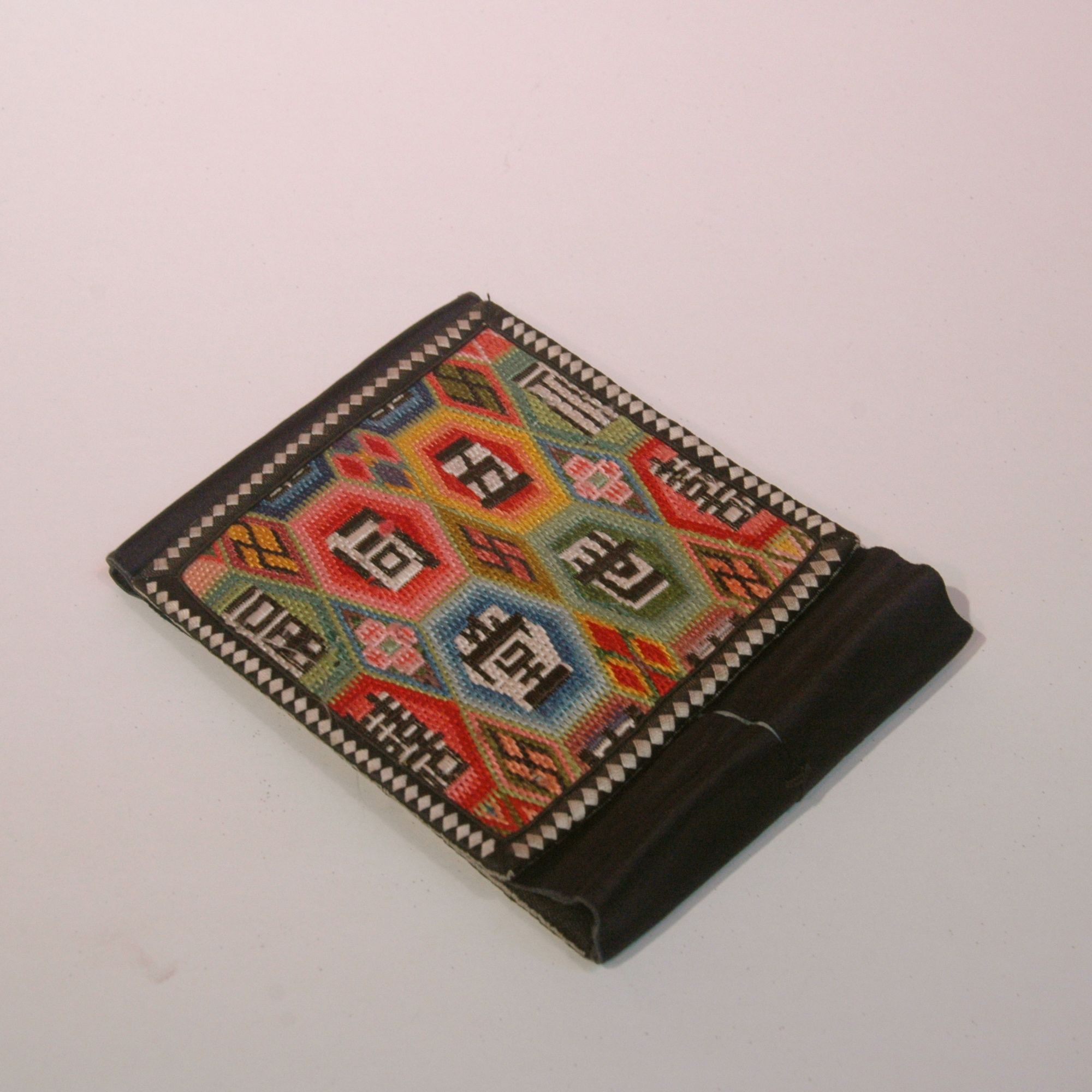
W100xL300mm, China

This is a silk embroidered wallet, He Bao (荷包).  For a long time, I thought the word He has to do with lotus (荷花) but in fact its from the word (负荷) – loading.  In the old days (this going back to Han dynasty), there are no pockets in the Chinese costumes, these He Bao are developed to keep essential items such as the seal, money, handkerchiefs, etc.  In the beginning they are more of a concept for a small sack that are made of leather, can be hung by the waist, carried by hand or as a small rucksack.  By Qing dynasty, they became a popular fashion accessory, made of silk and embroidered.  They will be hang or kept at the waist band, apart from the wallet, the fashionable gentleman would also have in his waist band, a hand fan, aromatic sac, pocket knife etc.  This is folding He Bao, one of the embroidery side would hang out of the waist band while the other 2 flaps securely tuck in.  Embroidered on the wallets are word of blessings; happiness, good fortune, longevity, 5 generations together.

DIA550xH600mm, China

This small umbrella has a silver handle, a structure is made of bamboo and yawn, the shade is non-waterproof, to top it off, it has 2 pom pom on the top of the cap.  This is in fact a Chinese dance umbrella.  Around the Sung dynasty, merchants from the northern province acquired the umbrella from the south and brought them home as a novelty, in order to show it off a dance show is invented.  The moral of the story is – product promotion started early in China.

W300xH450mm, China

The head, feet and hands of the glove puppet is made of wood and its body and arms in a fabric formed glove.  For the right hand control puppet, with the whole hand in the glove, the thumb would go into the left arm of the puppet, the index finger in the head and the remaining 3 fingers in the right arm of the puppet.  As the puppet is directly control by the hand, fine mechanism can be built into the head for the control of the eye, the mouth etc.  As in all theatre, the characters of the glove puppet show can be classified into 7 category and each with its many subtypes;  the Sheng (male role), the Dan (female role), the Jing (the painted face strong character), the Chou (clown), the Xian (saint), the Guai (monster).

The puppet here is of the saint category,  Ling Guan, he is a Taoist saint who used to be bad temple god who would eat children for a meal.  A powerful wizard tamed him with a flying fire charm and set his eyes on fire.  Ling Guan was upset and filed a complaint to the Jade Emperor who compensated him with a golden whip and a third eye of wisdom, he was also allowed to follow wizard and take his revenge if he found the wizard doing a bad deed.  12 years he followed the wizard and the wizard only do good and no wrong, Ling Guan was moved, instead of hoping for his revenge he became a disciple of the wizard.