Archives for category: container

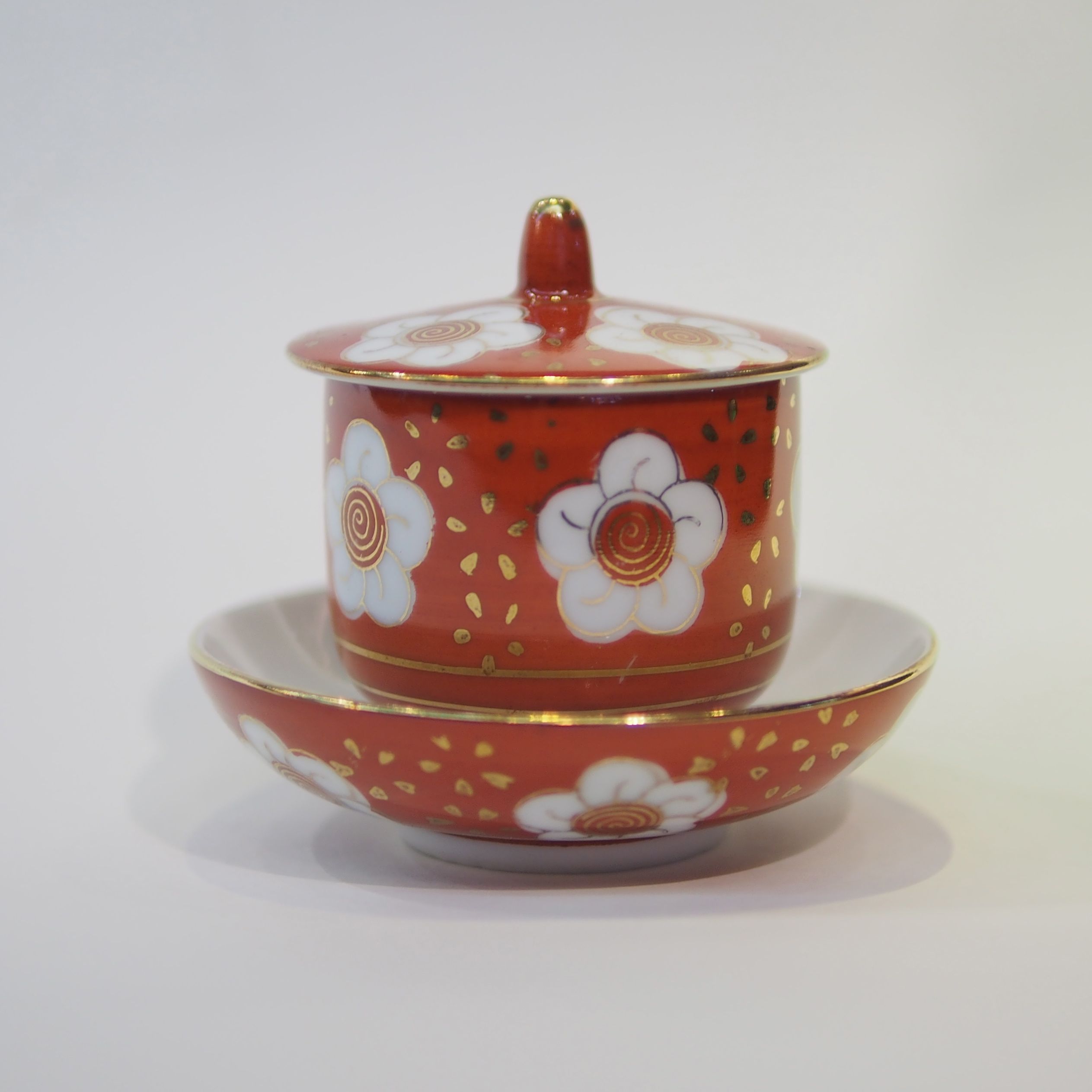
kutani

kutani

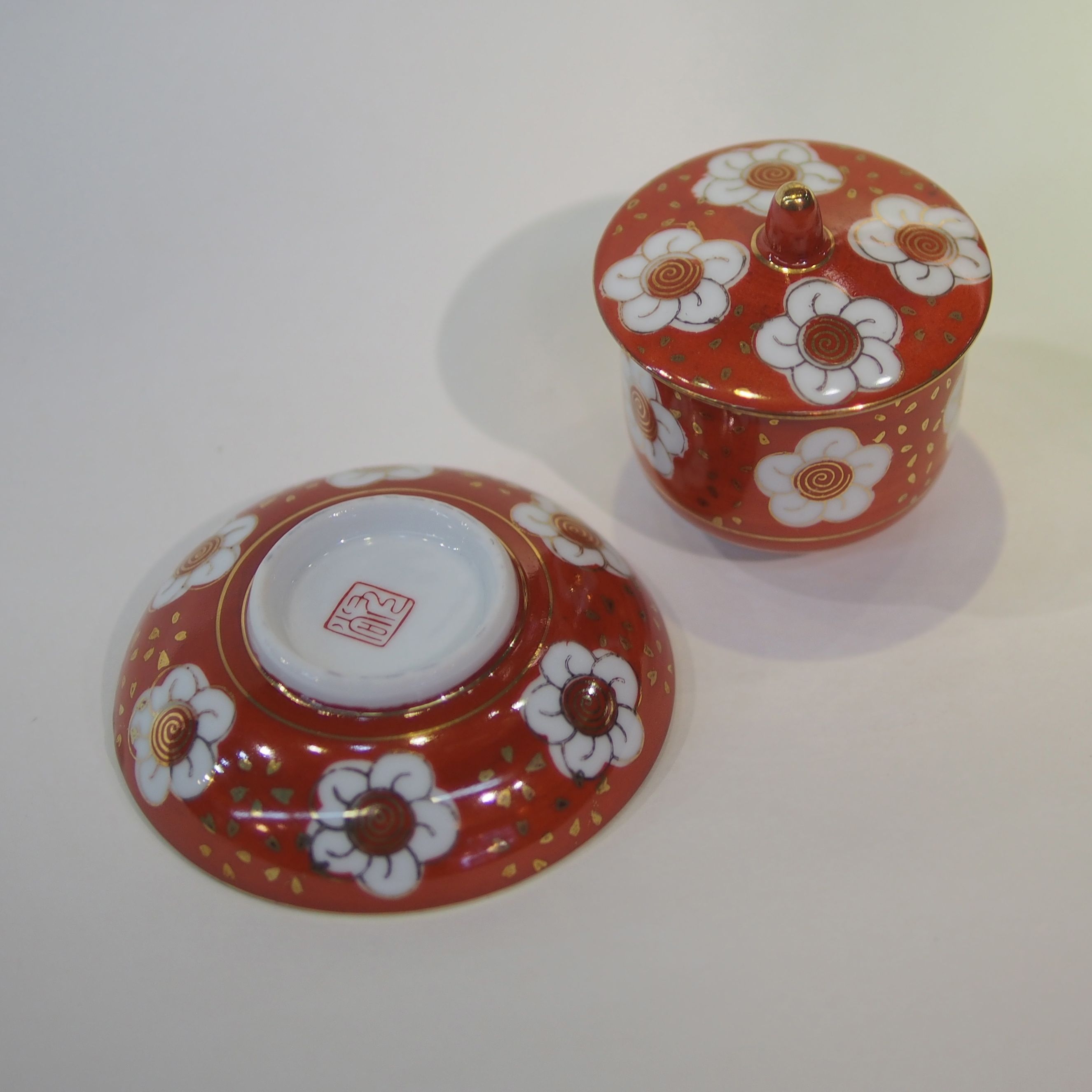
DIA90xH90mm, Japan

Kutani Ware (九谷燒) is one of the representative Japanese Iroe (multicolored over the glaze) porcelain produced in Kanazawa, Komatsu, Kaga, and Nomi city in the southern part of Ishikawa prefecture. It’s traced back to 1650’s in the Kutani village.

 There are 3 periods in the Kutani Ware’s history: Ko-Kutani, Saiko Kutani, and Kutani. The ceramics of the three eras are all renowned and highly valued.

 The ceramics produced in the first 50 years are called “Ko-Kutani,” literally meaning old Kutani. They consist of five colors, blue, green, yellow, purple, and red.

This is an item from SOIL for the ASIAN FOLKCRAFT COLLECTION
SOIL X MOUNTAIN FOLKCRAFT

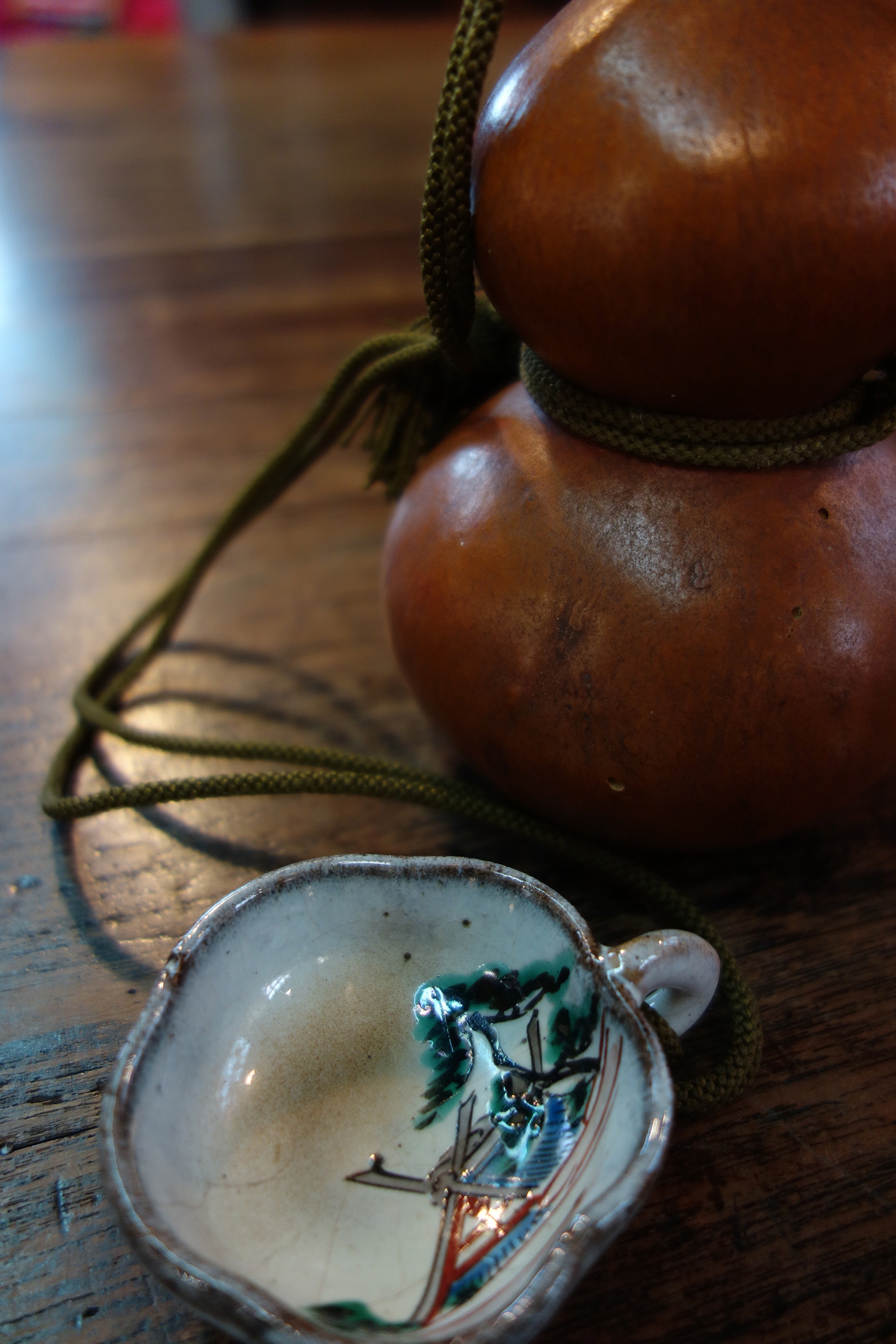
sake gourdDIA70xH130mm, Japan

For the Asian Folkcraft Event, we have from Soil a Sake hyotan container with its own cup!  A more poetic version of the whisky flask.

Hyotan (Gourd) is a symbol of good luck.  This Japanese hyotan gourd is used as handy sake vessel, and complete with a stopper and a ceramic sake cup.  The cup is delicately made, and has a hand painted and gilded decoration depicting a village scene, with a traditional Japanese architecture and pine trees in the background.

Watch this video and find out how gourd could become so useful for wilderness survival.

Here are other gourd items in the shop;
Large Gourd, Small Gourd, Gourd Cricket Cage, Gourd Basket.

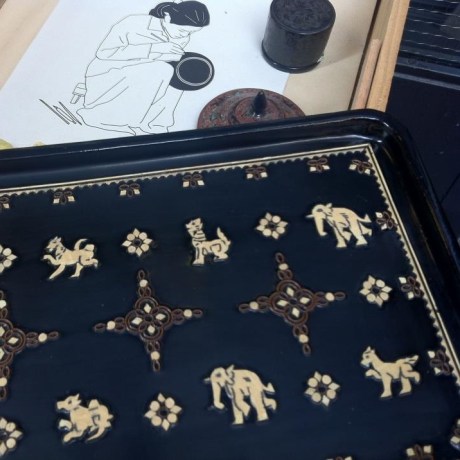
tray

W200xL310xH20mm, Myanmar

According to Burmese astrology, there are eight days in a week. They are Sunday, Monday. Tuesday, Wednesday (till noon), Rahu (Wednesday afternoon till the next morning), Thursday, Friday and Saturday. Burmese people believe that the astrological day a person was born is a great determinant in his or her personality and life. For example, a person born on Monday would be jealous; on Tuesday. Honest; on Wednesday, short tempered but soon calm again; the trait being intensified on the so called eighth day of Rahu; on Thursday, mild; on Friday, talkative; on Saturday, hot tempered and quarrelsome; and on Sunday, miserly.

Burmese also believe that interpersonal relation between people is also determined by the day they were born. For example, Monday born and Friday born would not get along well while Monday born and Wednesday or Rahu (Wednesday evening) born would get along very well. At the pagodas in Myanmar, there are always eight planetary posts build into the pagoda structure, with the representative animal symbols, where the believers could donate offerings at their respective planets to influence the appropriate powers.

These astrological symbols are often depicted on traditional Burmese lacquerware. The lacquered tray shown here is decorated with brass wire and the symbols are delicately made by palm skin.

This is one of the many Burmese lacquer ware from the SOIL collection, come check it out at the Asian Folkcraft event on at Mountain Folkcraft!
Green lacquerware

DIA200xH150mm, Myanmar

ASIAN FOLKCRAFT COLLECTION
SOIL X MOUNTAIN FOLKCRAFT

It is almost certain that Burma acquired the technique of lacquer production from China where it has a three-thousand year history. However, the use of lacquerware was not confined to royalty and the monkhood in Burma. Lacquer objects were used daily by commoners. Food, refreshments, clothing, cosmetics and flowers are all put in lacquer receptacles.

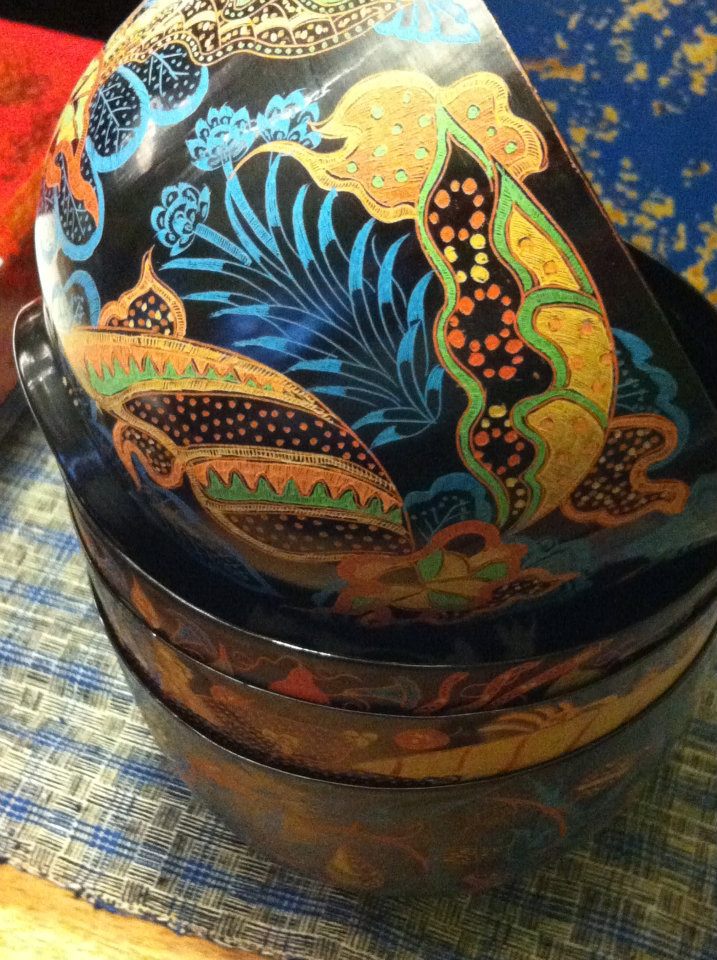
The importance of lacquer to the Burmese is probably equivalent to the modern uses of porcelain, glass and plastic combined. Indeed, lacquer has many of the characteristics of modern plastic. It is light, waterproof, easily moulded and dries to a hard state.  It can be applied to virtually any surface: plain or carved wood, bamboo, paper, fabric, even metal and stone.

This fruit bowl is made by coiled bamboo, covered by over 20 layers of lacquer and decorated with the Burmese astrological symbols. Process of producing green lacquer ware is rather time consuming: One part indigo was added to ten parts of orpiment to produce a traditional green color. With age, many such green lacquer wares have come to assume appeasing opaque turquoise hue.

W270xD270xH280mm, Thailand

This bamboo weaved basket is known as a kratip, a container for cooked sticky rice.  They are a common item owned by every household.  The kratip is double weaved, acting as a insulator for keeping the rice warm.  Kratip comes in different shape and sizes, here is a smaller version.

Come and see the Asian Folkcraft Collection!

horse hair bowlDIA130xH90mm, Myanmar

Veronica Gritsenko is a British-Ukrainian artist and scholar. In 2000 she set up the Black Elephant studio in Bagan, Burma and eventually developed her own unique technique and designs based on ancient methods and materials.  Black Elephant Lacquer is collected by private connoisseurs and was acquired by the British Museum and The Royal Botanic Gardens Museum.

These bowls are made with horsehair woven in between very thin bamboo splints, with further application of lacquer mixed with rice husk ashes.  Burma is famous for a special type of incised lacquerware called “yun” – It’s engraved with a sharp iron stylus and the incisions are filled with colouring matter to create a design.

Item from SOIL for the ASIAN FOLKCRAFT COLLECTION

burmese betel boxDIA60xH50mm, Myanmar

For the first item of the Asian Folkcraft Collection, we have a miniature of Burmese’s traditional lacquer betel box from SOIL.

 Betel, tobacco and pickled tea is an expression in Burmese language that speaks of hospitality and welcomes a visitor to one’s home.

 The circular betel box at first glance, looks solid, but is in reality nicely fitted with a lid over a small container for holding betel nut. The top of the bowl is fitted with two shallow trays, one on top of the other. The upper tray has four little cups to hold ingredients for making betel nuts: cloves, cutch, and seeds, shredded wild Licorice or sweet creeper.

 In the second tray is a layer of dried tobacco leaves. Only when the tray is taken out of the main bowl are green fresh betel leaves revealed.

maio bag

W300xL250mm, China

When I saw this bag,  I felt the tribal craft has really adapted to the new material and function.  Carrying on the bold embroidery tradition, it  has also made use of fluorescent beads and pom-poms, compartments for wallets and travelling pass.

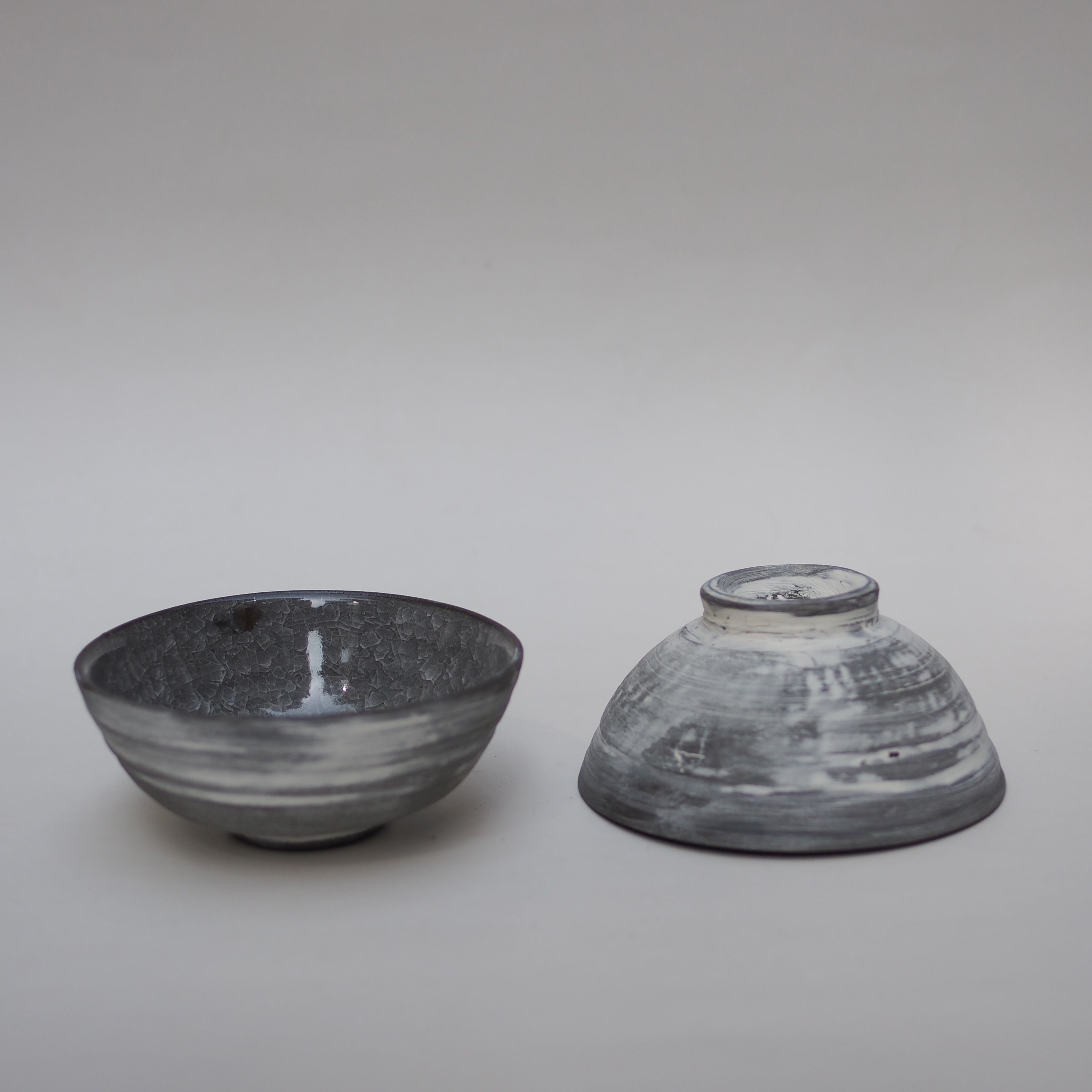
bowlsDIA130xH50mm, Hong Kong

White slip-glaze wash finish on black clay from Shigaraki Japan.
Inner side is glazed with a special crackle glaze named 浮花.

COBOxSOILxMOUNTAIN FOLKCRAFT

Come to see the items before the event ends at the end of March!

Plate

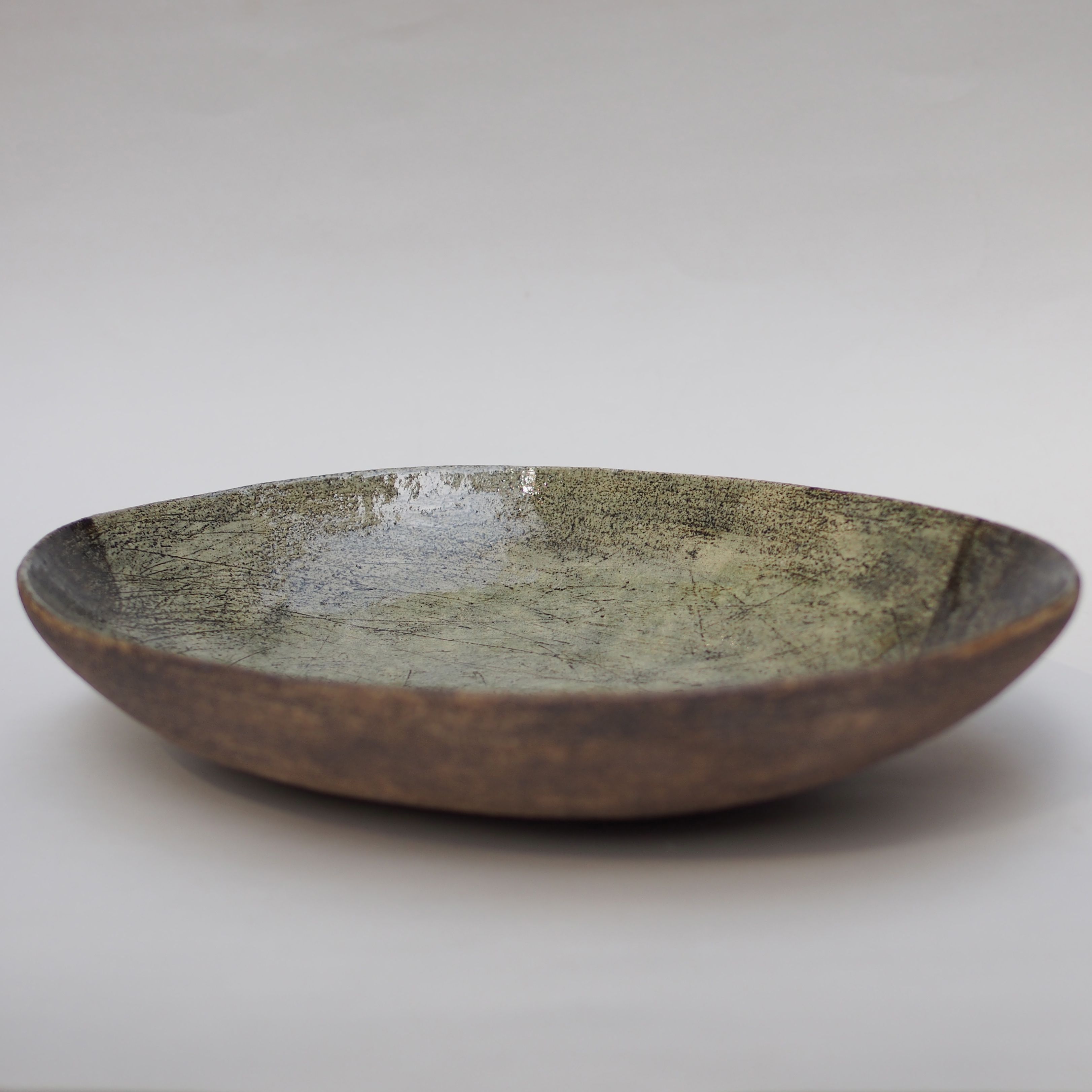
W250xL350xH80mm, Hong Kong

A large plate is perfect for dinner parties, salads, pasta, etc instantly looks mouth watering even when they are simply tossed into the container.

A press mould oval shape dish with black underglaze drawing and a top clear glaze.
Iron oxide wash on the outside of the plate.
The groggy clay body  which enhance interesting texture after scrapping when the clay body is dry.