Archives for posts with tag: container

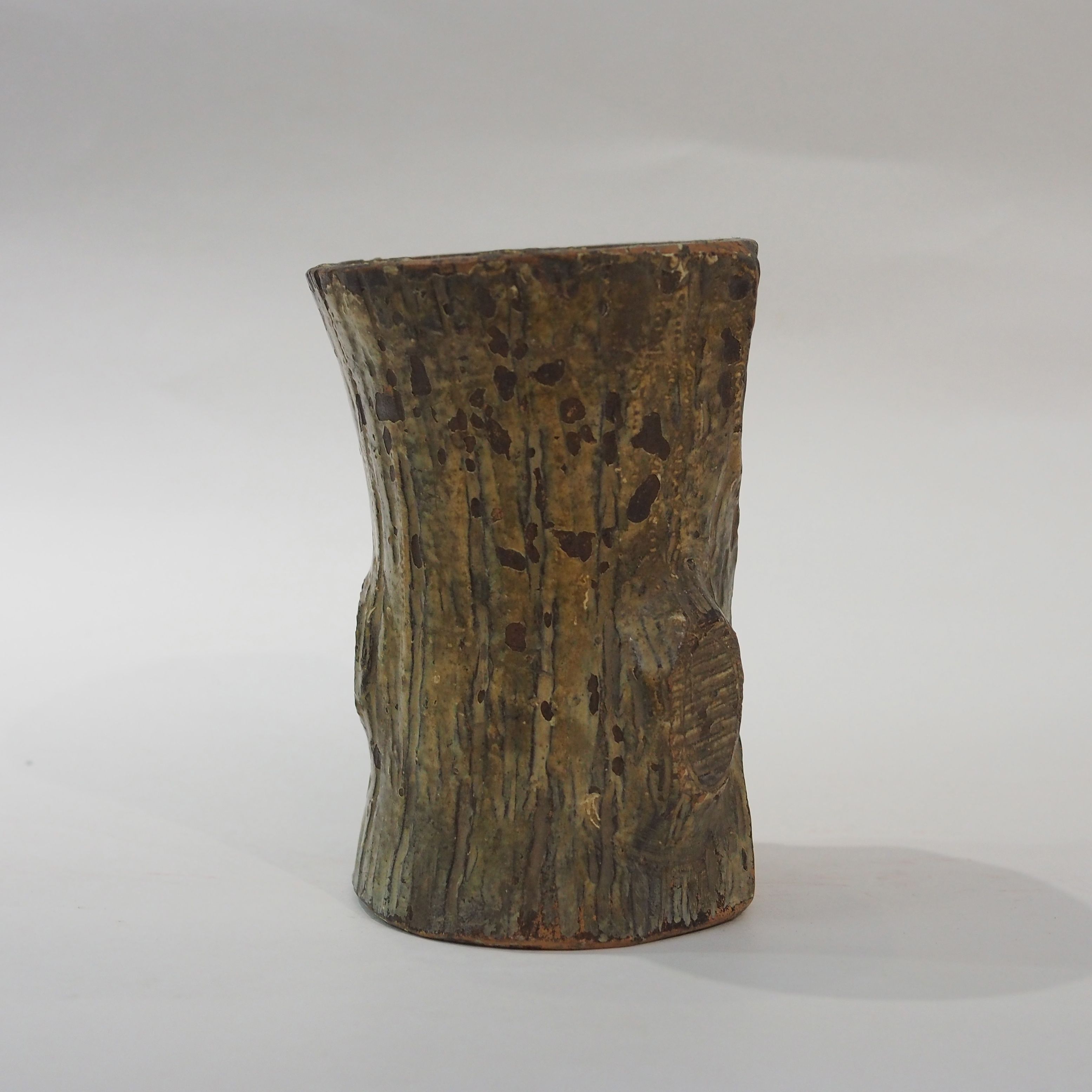
pen holder

DIA80xH420mm, China

This brush holder is in the form of a tree log, it is made with the stone is found outside of the mineral jade, the so called skin of jade.  As the material and colour is completely different from the jade, part of the “jade skin” is sometimes used as an articulation for jade carvings.  Here it is used on its own to resemble the bark of a tree.

Click here to see our other brush holders.

bowl

bowlDIA120xH50mm, China

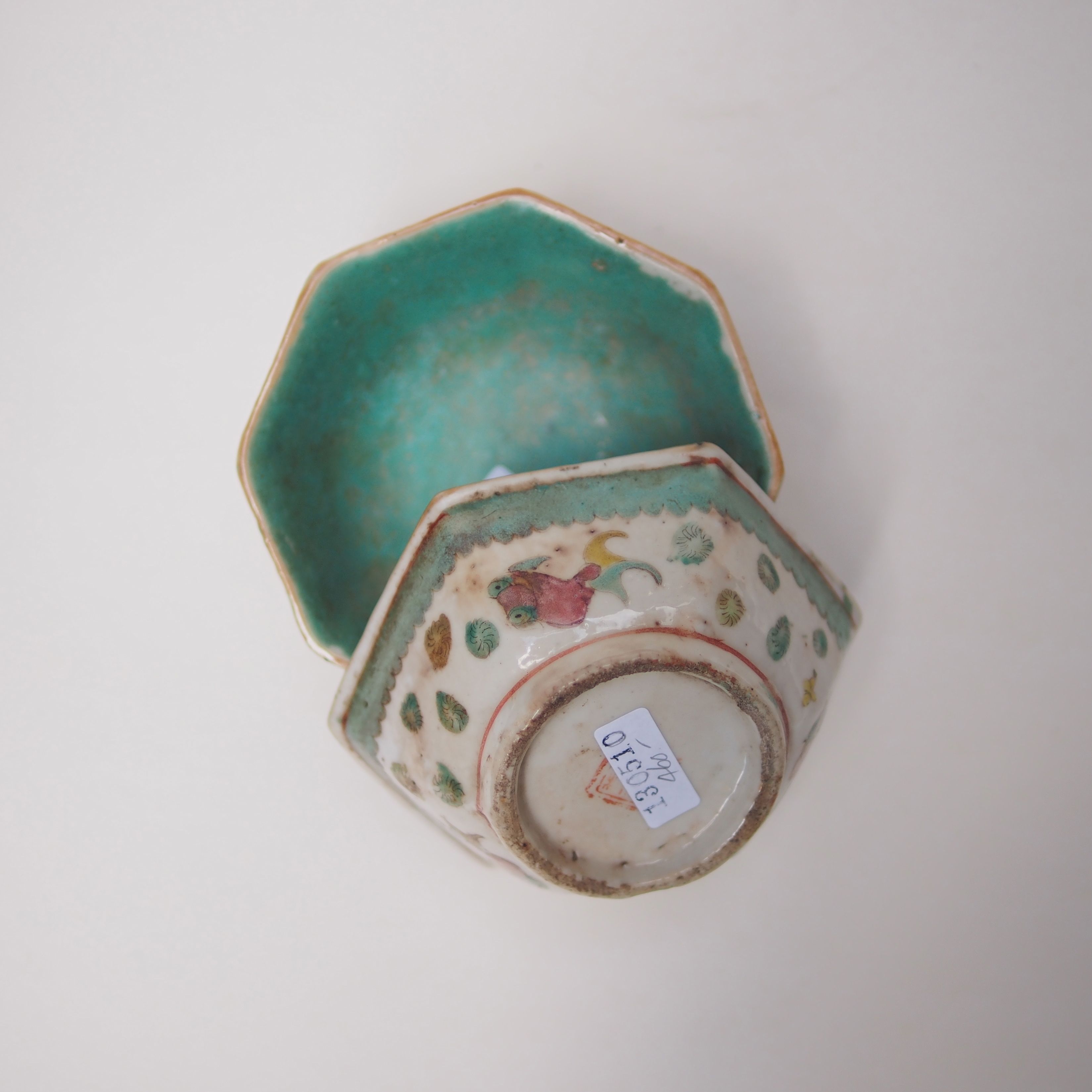
This pair of octagonal bowls are decorated with goldfish, a traditional blessing symbol.  Gold 金 (Jin) Fish 魚 (Yu), the word “fish” shares the same pronunciation with the word surplus 餘 (Yu).  A lot of chinese decoration symbols follow the play of homophone, these might all be a bit superstitious and arbitrary but in the days of old rural China when  life is hard, these kind of blessing is an expression hope for a better life.  Even in today’s world, these kind of subtle tradition carries on e.g. in Hong Kong, an Empty 空(Hung) Residence 宅 (Zaak) would be call a Blessed 吉(Ji) Residence, as the word “emtpy” 空(Hung) has the same pronunciation as 兇 (Hung) – a murder house.  Changing a word that make no sense to the original meaning just for the sake of avoiding a bad homophone.

Anyway, ain’t these goldfish the cutest?!

DIA190xH160mm, China

 This beautiful painted pot is a container for rice porridge (congee), a nourishing dish for the elderly.  Though this is an object that would only be found in wealthy families, it seems that elaborated  decoration and the specific usage might have another reason other than the utilitarian one.  The Chinese name for the congee pot is 粥罐 “zhou guan” which has the same pronunciation as 做官 “zuo guan” (being a court official, which is the desire of all commoners).  For this reason, these shape of pots 罐 are view more highly than that of vases and though has an everyday function are highly decorative.  Congee also is a easily digested meal which promotes longevity.  In this sense the congee pot is seen as an item of blessing and thus had a special place in a household.

Now if you are interested in making congee to go with the pot, here is how they make it in the best congee place in Hong Kong.

And this is how you can make it at home in 5 mins!

bamboo lacquer basket OLYMPUS DIGITAL CAMERA

DIA260xH320mm, China

A lacquered bamboo weaved basket which forms part of the dowry of the young bride and an essential household object.  These form of baskets are used for storing food before the arrival of the refrigerator.  Precious food item like fresh vegetables, fruits, eggs, would be placed inside the basket and hung under the beam of the kitchen.  The basket provide good airing and being suspended will stopped vermin from reaching the food.

OLYMPUS DIGITAL CAMERA OLYMPUS DIGITAL CAMERA

lotus leaf vessel

DIA320xH240mm, Hong Kong

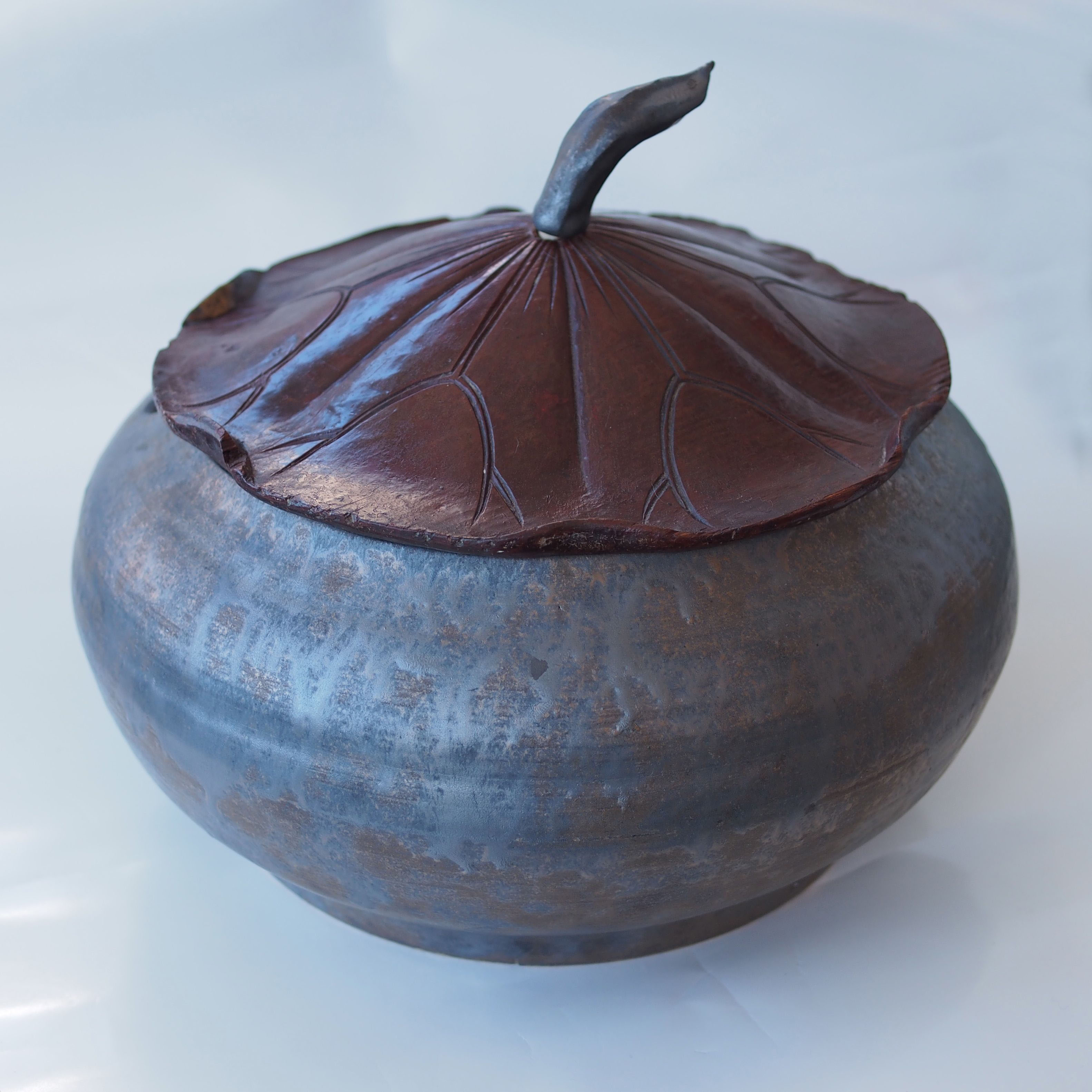
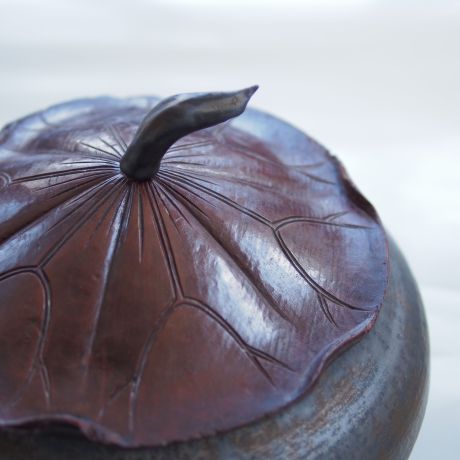
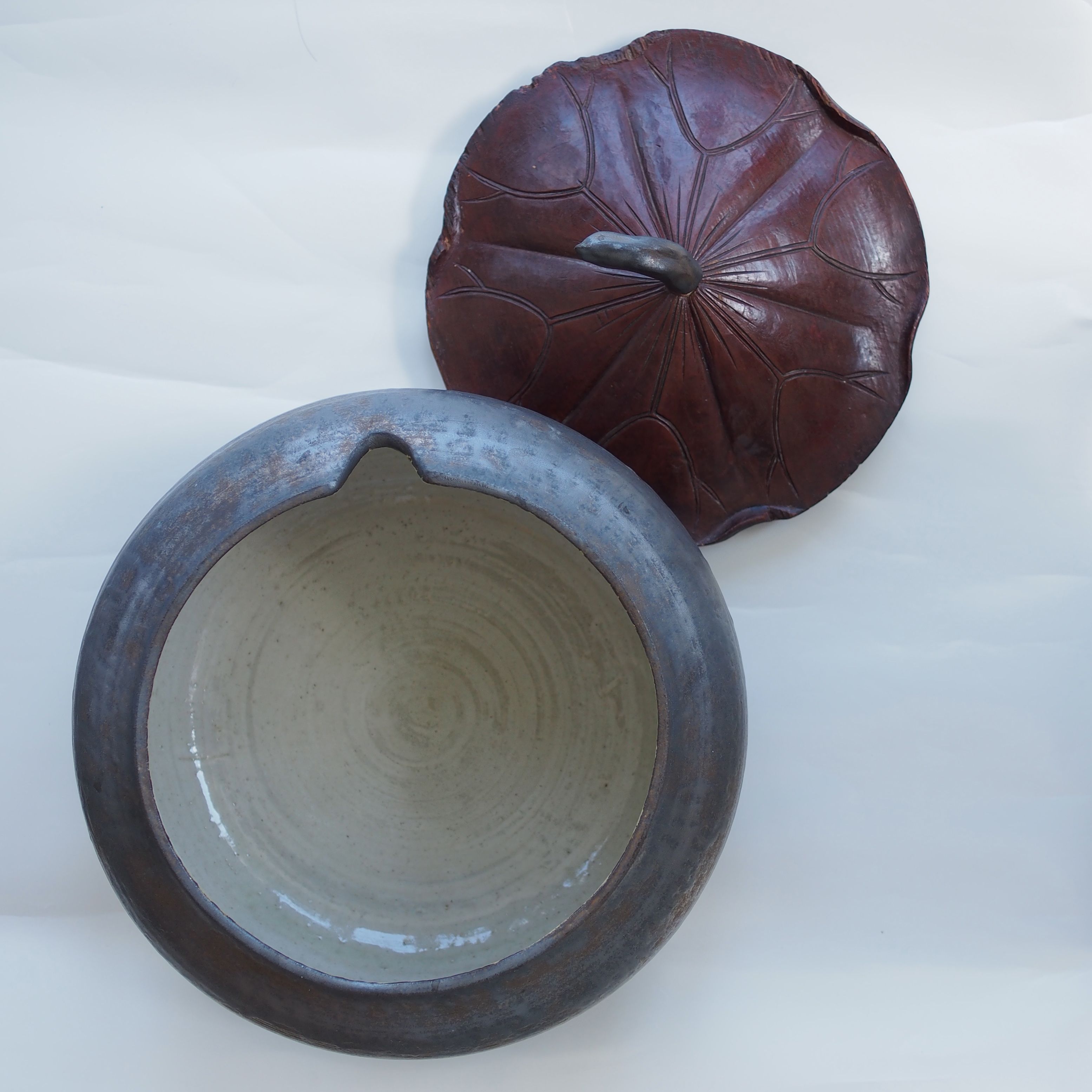
Remember the antique lotus leaf lid that was featured in last winter’s blog?  I started a pottery project of making a vessel to match the lid, after several versions this is the final version which I am most happy with.  It is ideal for serving soup and of course lotus leaf rice.

OLYMPUS DIGITAL CAMERAlotus lid

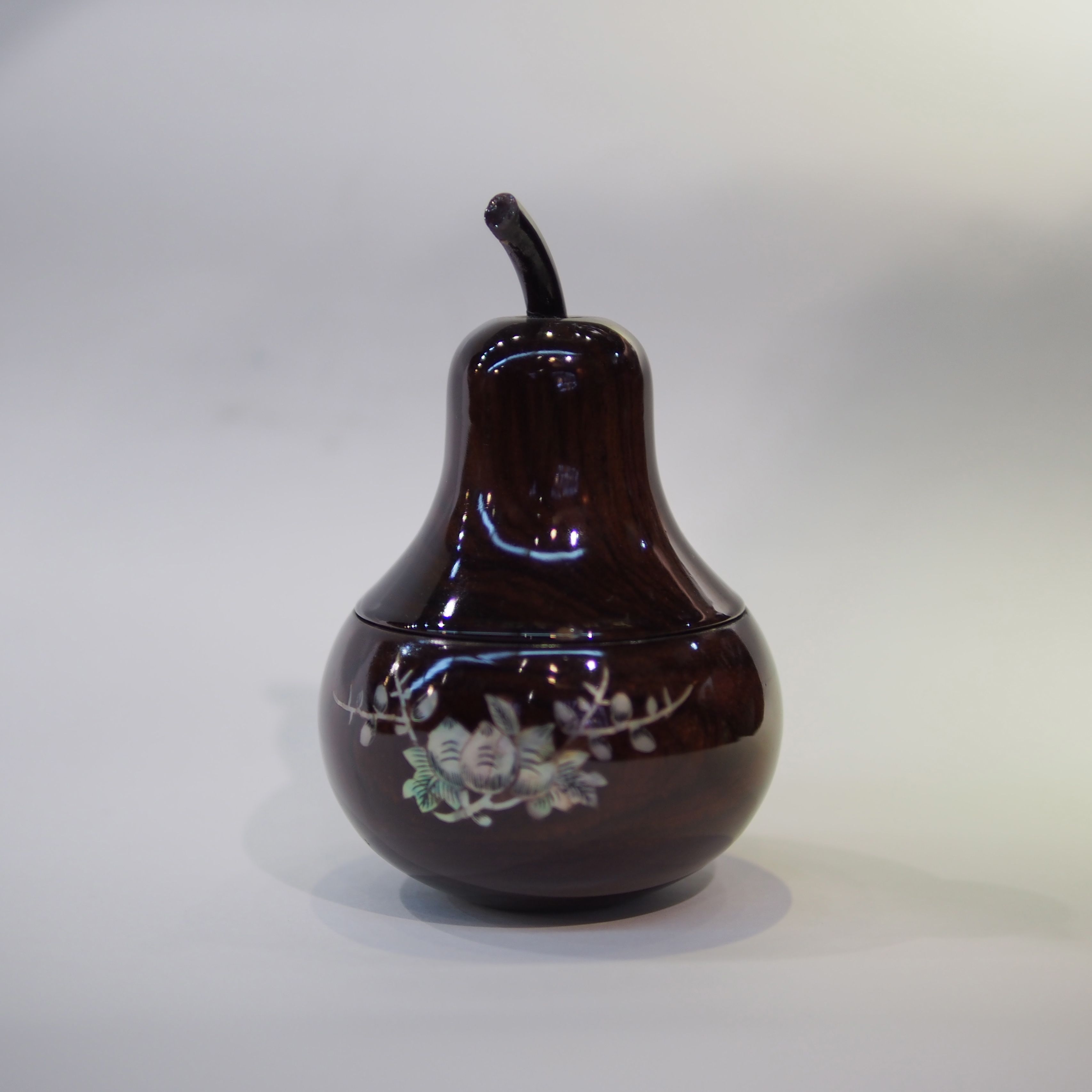
pearDIA90xH140mm, China

The craft of mother of pearl inlay on lacquer began in the Sung dynasty.  Turbo marmoratus (great green turban) shell are polished down to a thickness of 0.5mm, then cut into point, lines and planes, these are then inlay onto the container before lacquer is applied.  Click here to see the elaborated process.

embroidery walletW200xL100mm, China

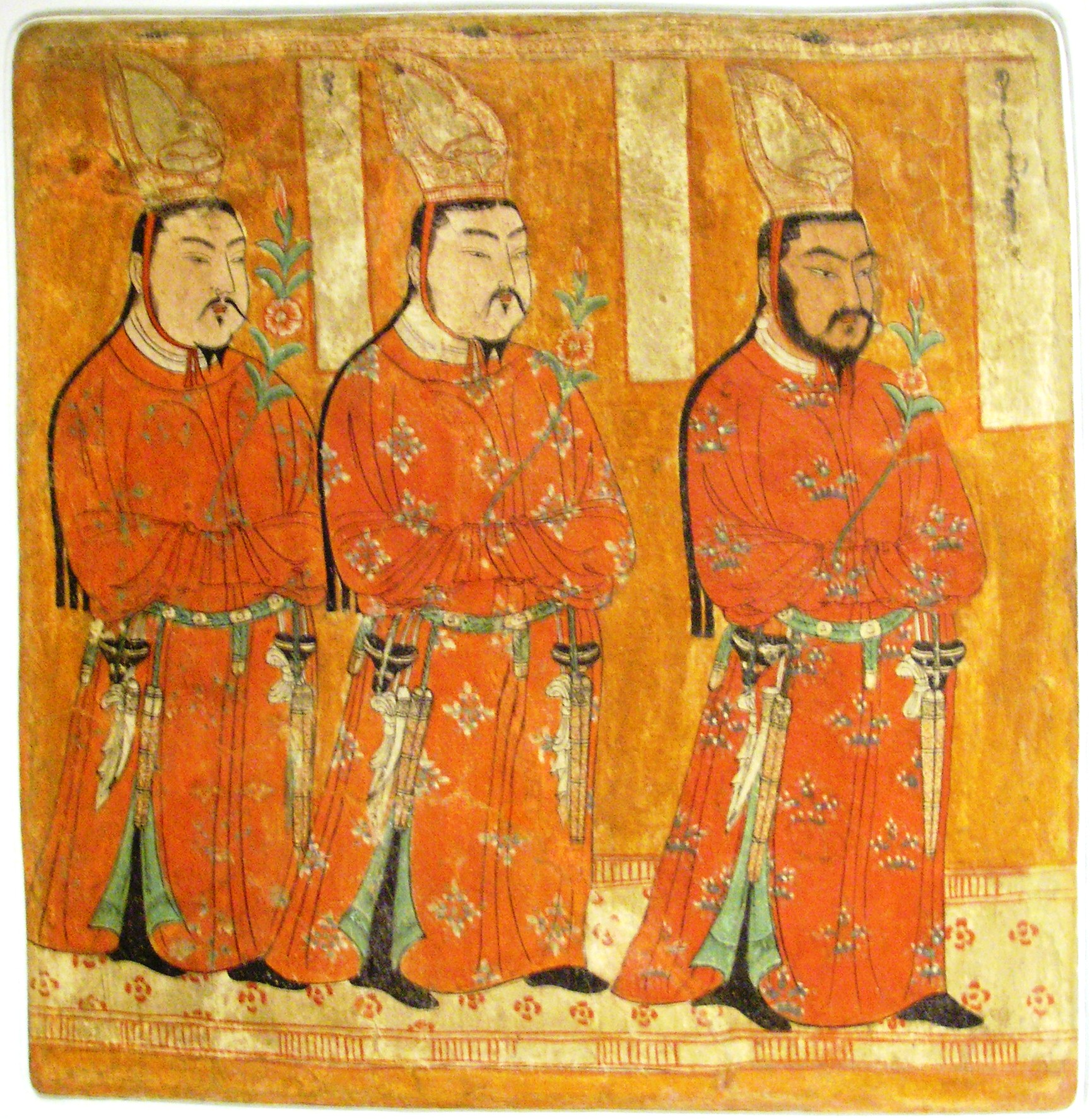
Similar to the western wallet which began its life as a knapsack for carrying articles not restricting to money, the Chinese wallet too start as a bag for keeping items like handkerchief, seals and of course money.  The use of the wallet dated back to the Han dynasty, on the Bezeklik cave painting, 12th century CE, one can see Uyghur princes dressed in Chinese style robes and hanging wallets on their waists.  As time goes by the shape and decoration of the wallet became more and more elaborated.

chabana

DIA100xH400mm, China

This is a bamboo weaved basket used for chabana, flower arrangement for tea ceremony.  The flower arrangement would be placed in the alcove of the room, using a seasonal flowers, narrow and tall vase made of natural material such as bamboo, ceramics or metal.  The flower arrangement is also less formal than Ikebana, using little or decorative fillers material.  Chabana developed from the Ikebana style Nageire, where flowers are thrown into the vase giving the viewer the same impression as they would have if they had been in the wild.  The simple arrangement would have one single blossom, arranged to be leaning toward the guest.

teapot

DIA100xH60mm, China

Tea drinking is a social activities but it can also be a personal indulgence.  This type of teapots were made to be drank directly from the sprout while holding the handle in the opposite direction with the sprout facing oneself.  They are much appreciated by the scholars, an object of desire to be fondle with by the eye, the touch and suckle of  fragrant tea.   It would perhaps be comparable to a beloved pipe which one would enjoy touching and mouthing.

teapot

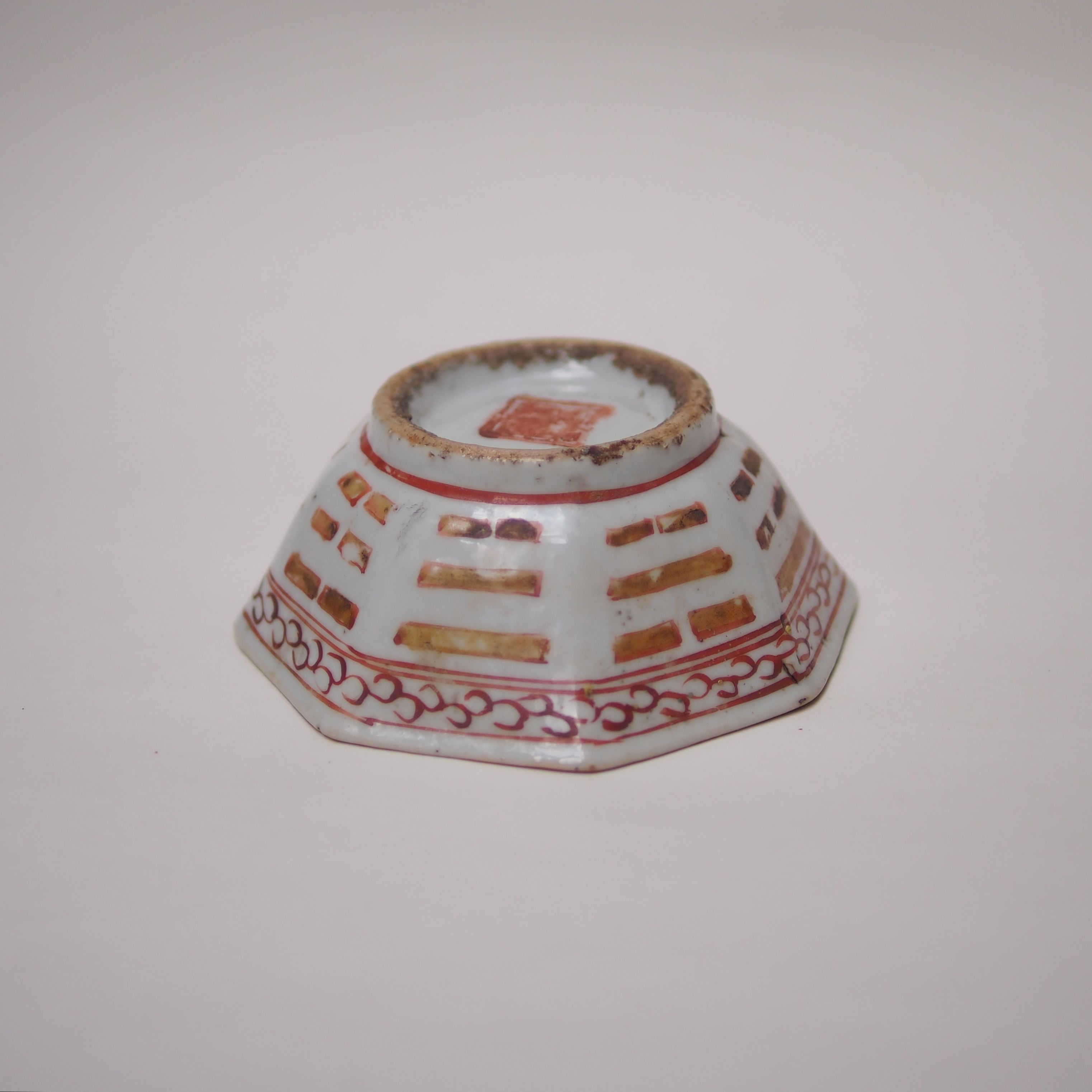
bowlbowlDIA120xH50mm, China

This pottery bowl was used as a container for Taoist offering.   The horizontal line pattern on the bowl are trigram figures from the I Ching, on each face of the octagon bowl are the pattern; 乾 Qian, 兑 Dui, 离 Li, 震 Zhen, 巽 Xun, 坎 Kan, 艮 Gen, 坤 Kun.  These 8 trigrams correspond to 8 nature phenomenon, namely, Sky, Lake, Fire, Thunder, Wind, Water, Mountain, Earth.  From the 8 trigrams found by Fu Hsi, 64 hexagrams was developed capturing more natural phenomenon and human events,it was later used for prediction of events.  From the Yuan dynasty, trigrams pattern were introduced to ceramic decoration and flourished in the Ming dynasty.