Archives for posts with tag: container

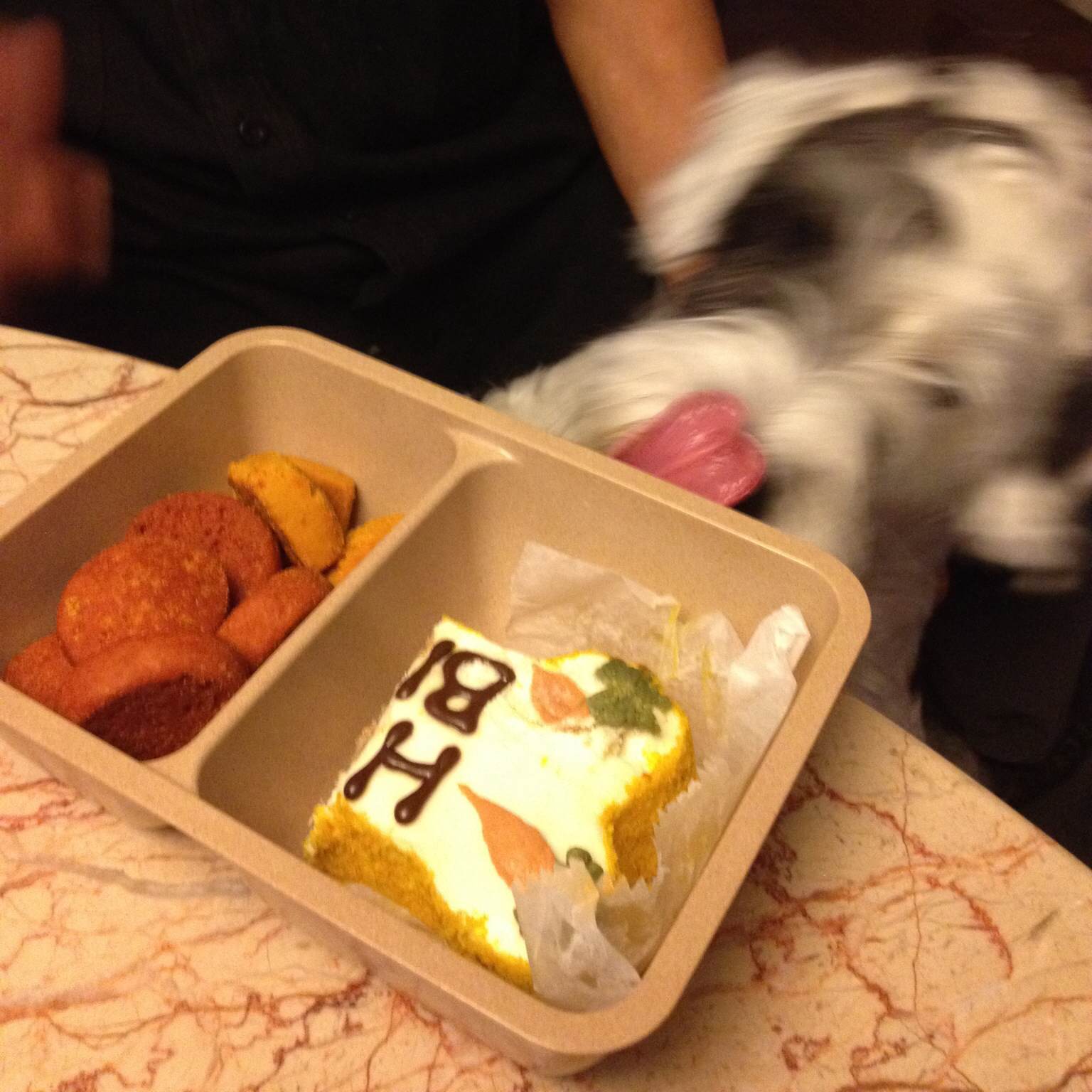
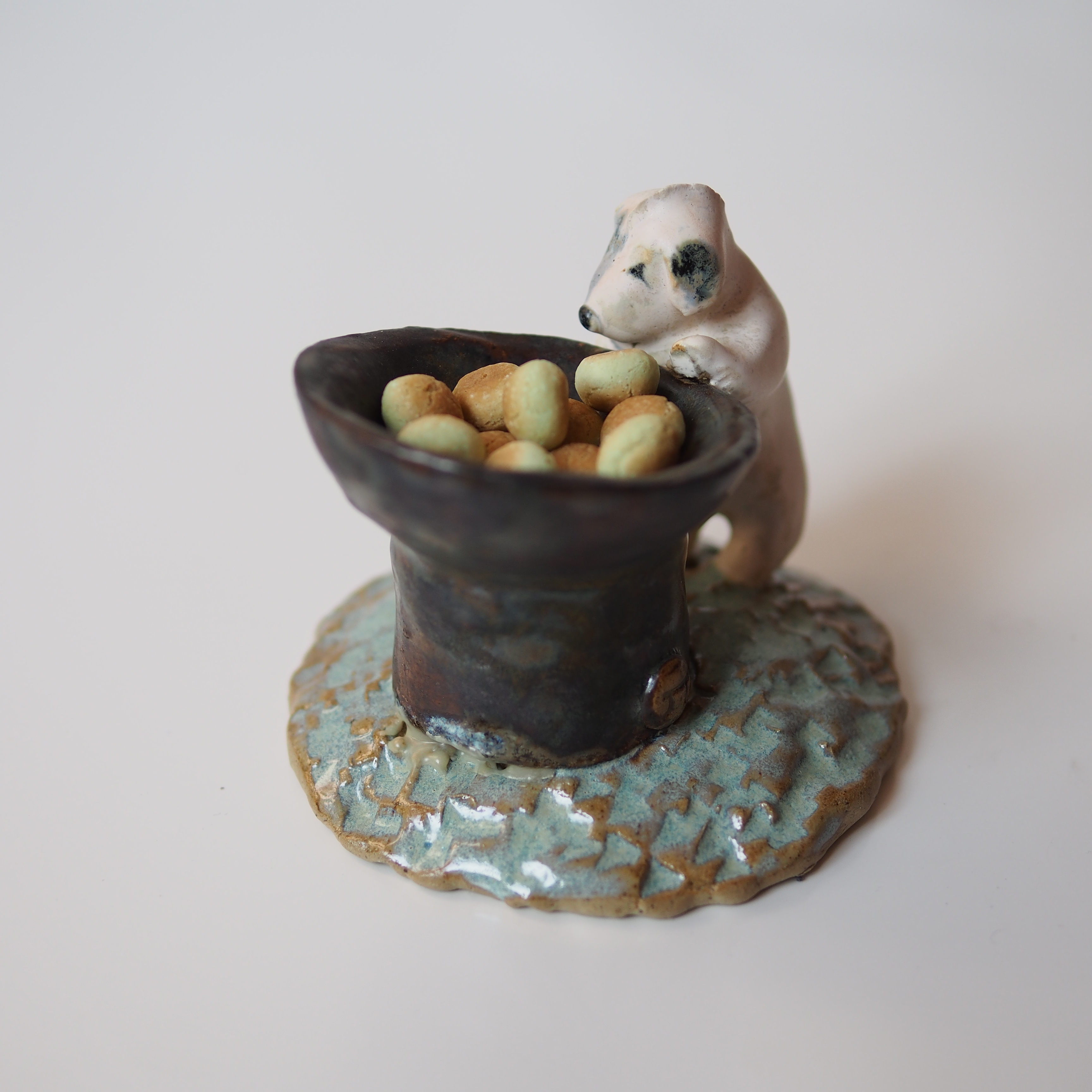
spike treat trayW100xD100xH70mm, Hong Kong (NOT FOR SALE)

For Spikey‘s birthday, a treat tray for my father for dishing out munchies.
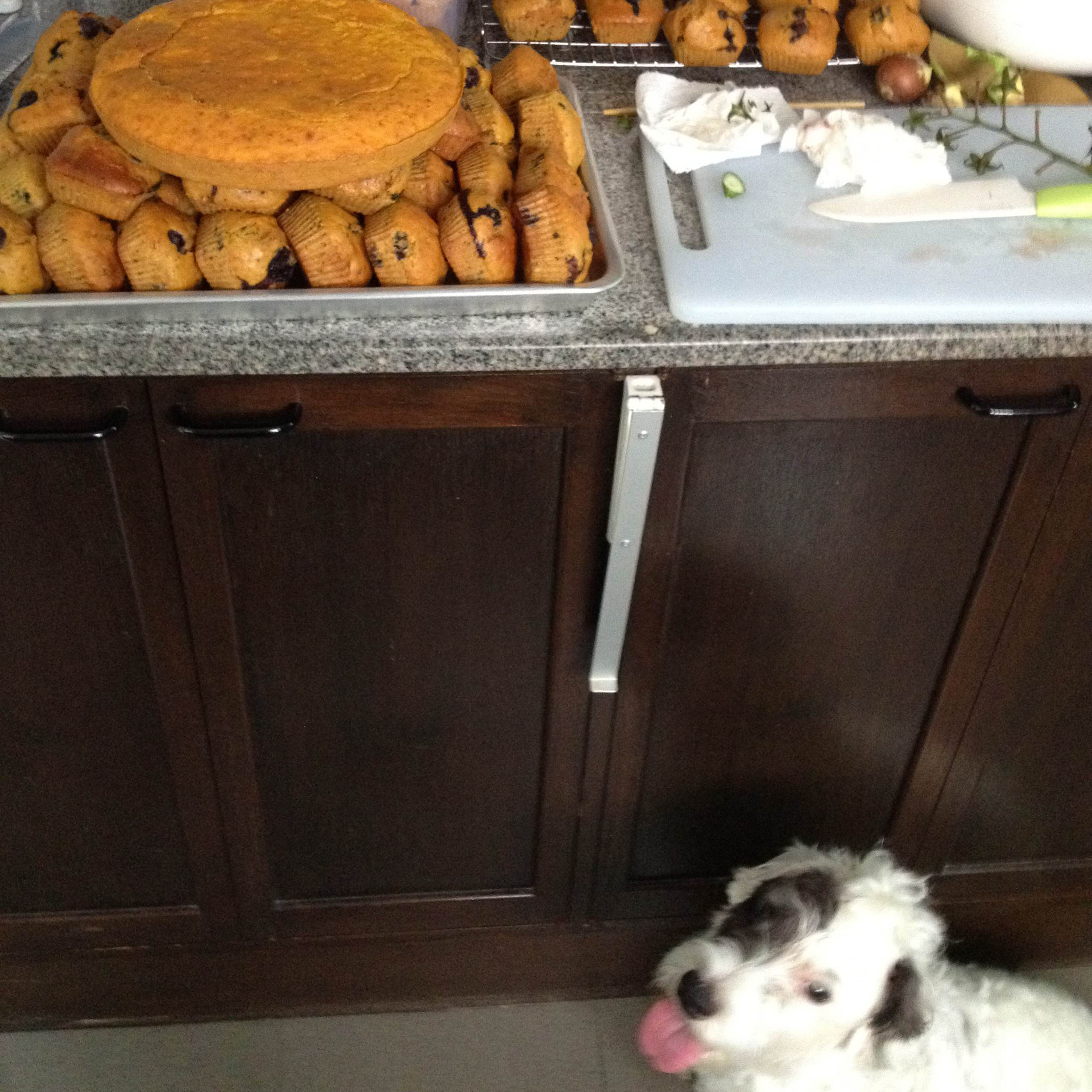
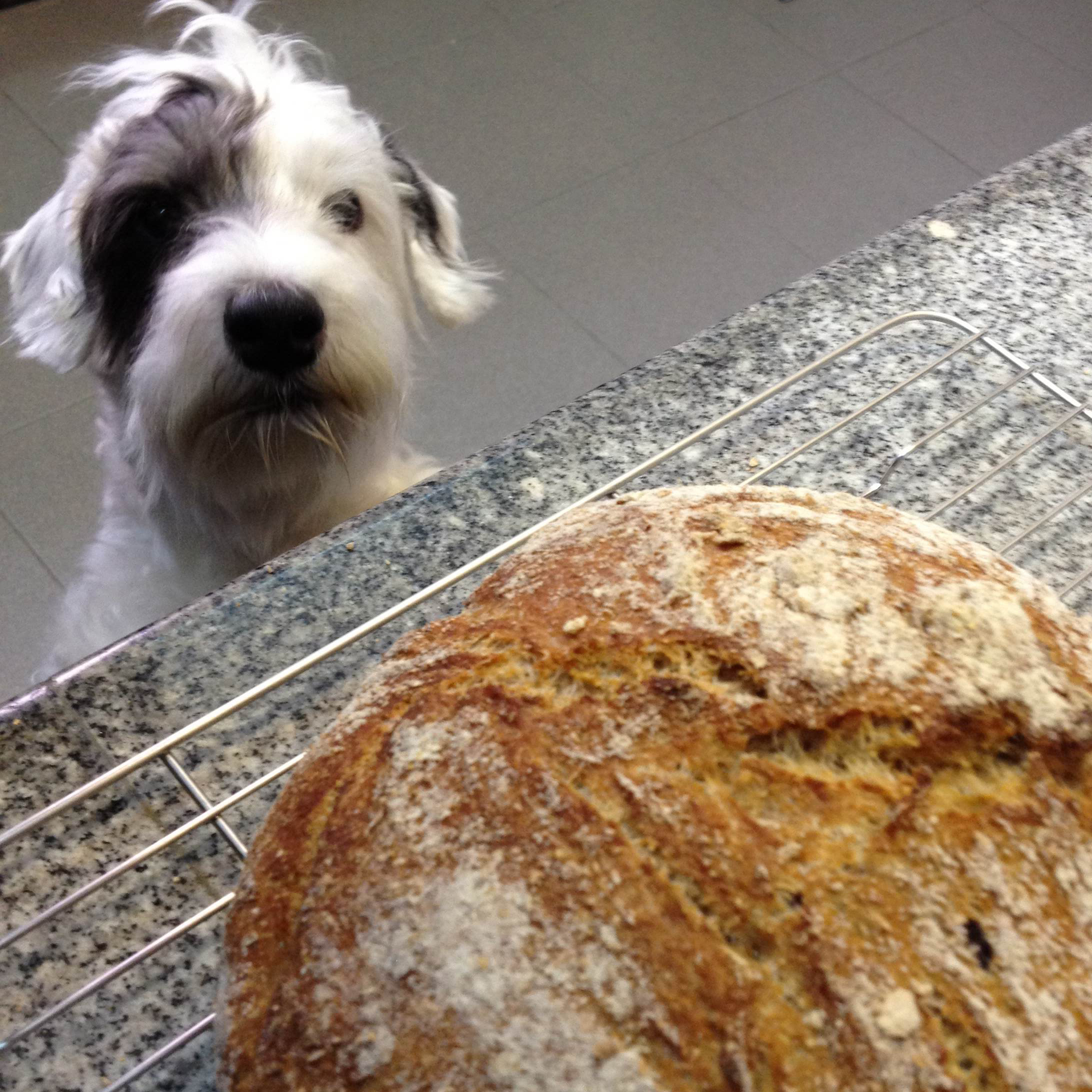
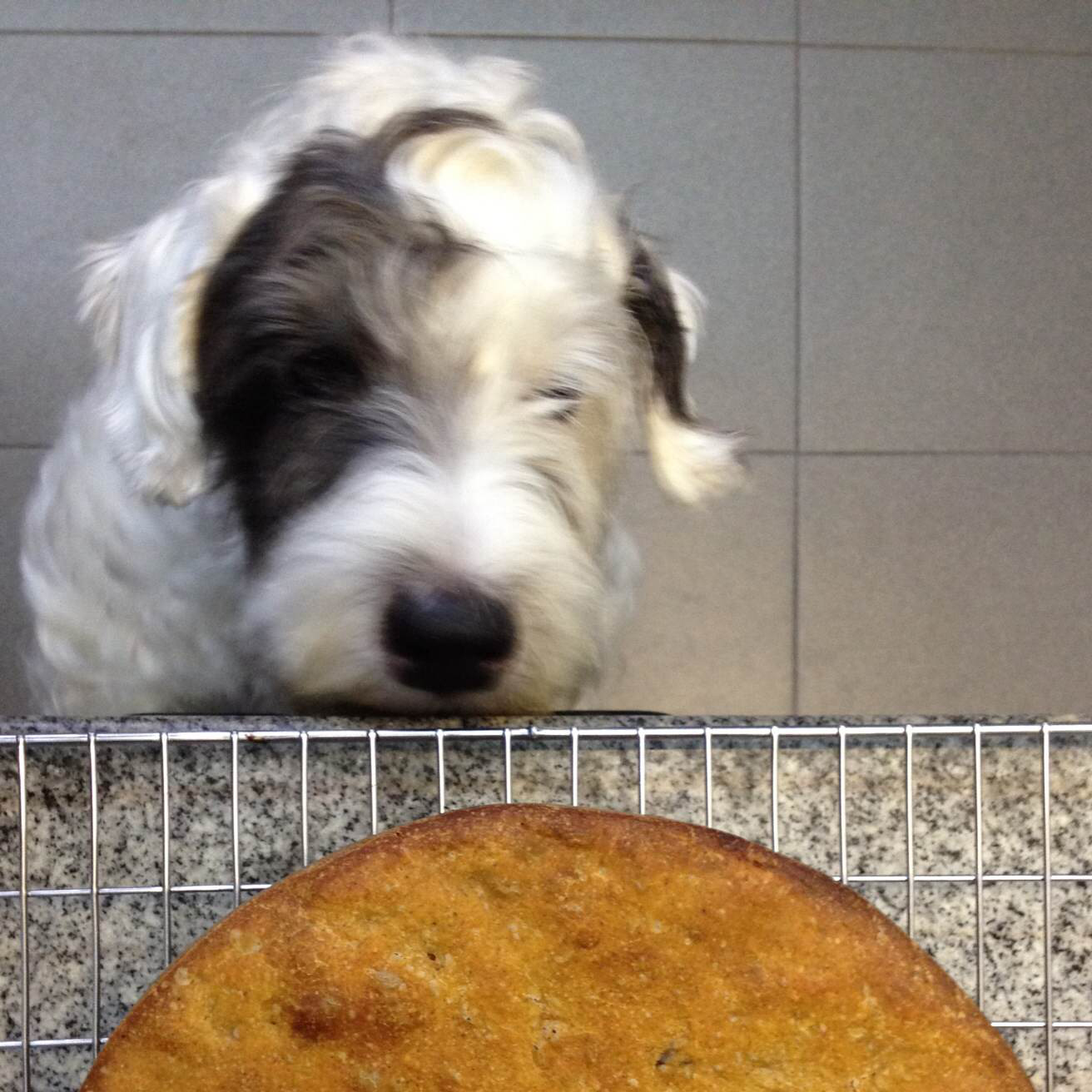
He really does behave like this with his food…

photo_2
photo_4
photo_5photo_6photophoto_3

Can’t believe that you are already 6  years old.
Happy Birthday Spikey!

photo_1
You can follow Spike’s own on www.spiketang.wordpress.com

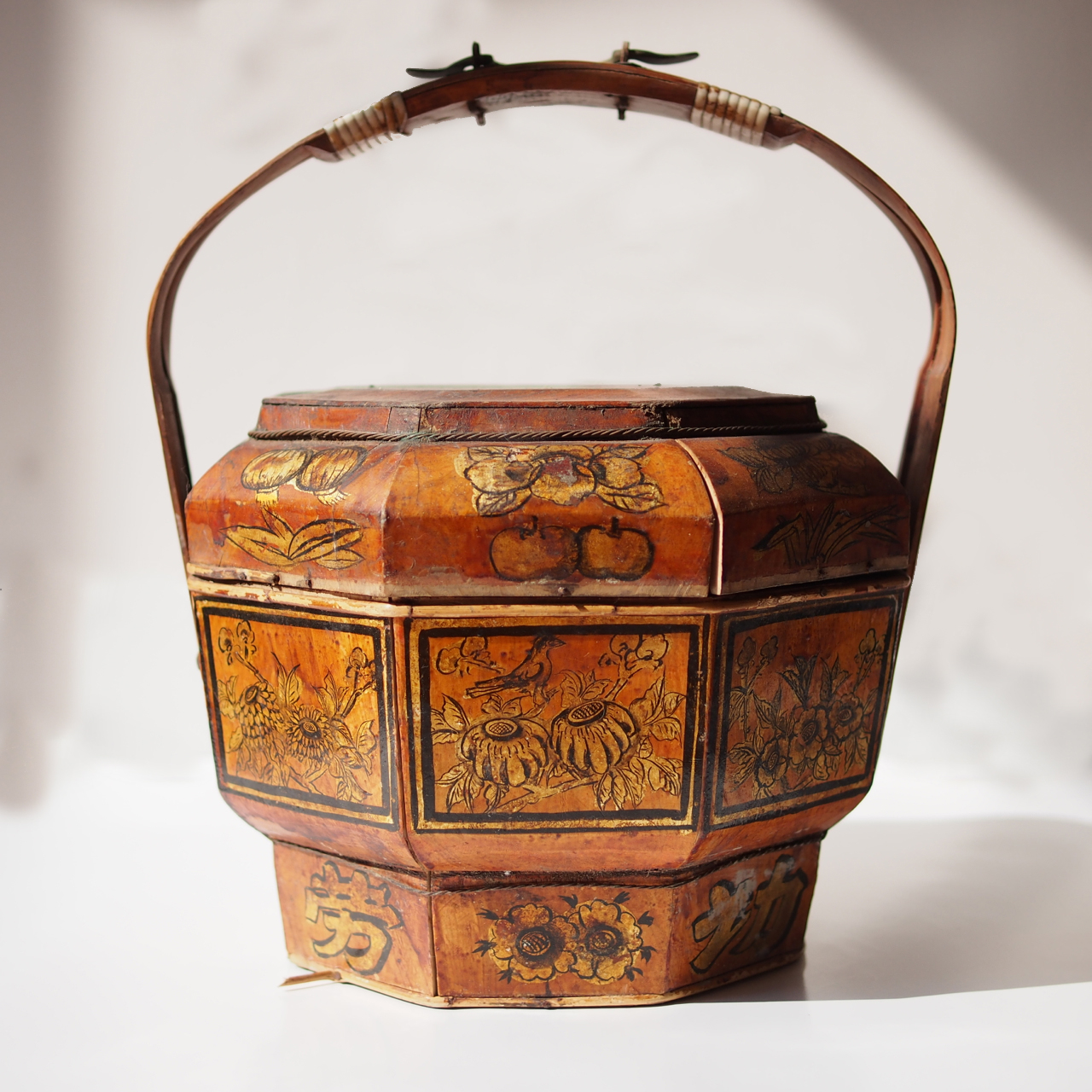
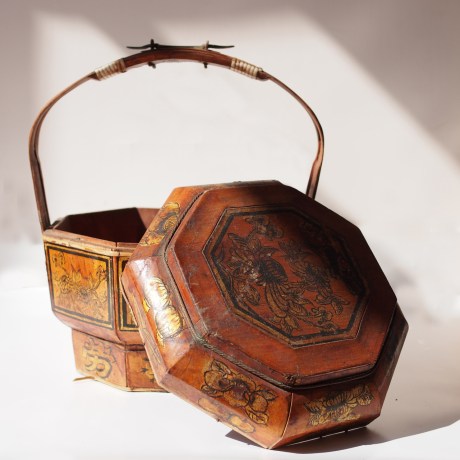
basket basketDIA300xH450mm, China

 A traditional Chinese hamper for delivering delicious goodies.  Unlike the gift hamper that one receive nowadays, the hamper is not a part of the gift and would need to be return to the owner.  Not only is it return but it is also expected to contain a red packet, a return gift in monetary form, “砸籃” (weighting the basket).  In the traditional Cantonese gift etiquette, when receiving a food item as a gift, one would give a red packet to the giver, this is known as “砸” (za), the term that originate from the gift basket.


wine jar

DIA300xH330mm, China

Stock up enough alcohol for the holiday ahead?
This traditional Chinese wine jar would probably be large enough to last till 2014!

Instead of using a large cork, the jar would have been sealed with a strong paper which is secured by a string.  Clay would be applied over the paper making it air tight.  This is where the saying of breaking off the clay seal for describing the act of drinking comes from.

Please don’t drink and drive.

snuff bottleW45xL70xH25mm, China

A snuff bottle in the form of a sleepy blue frog.

Now a song for the festive season.

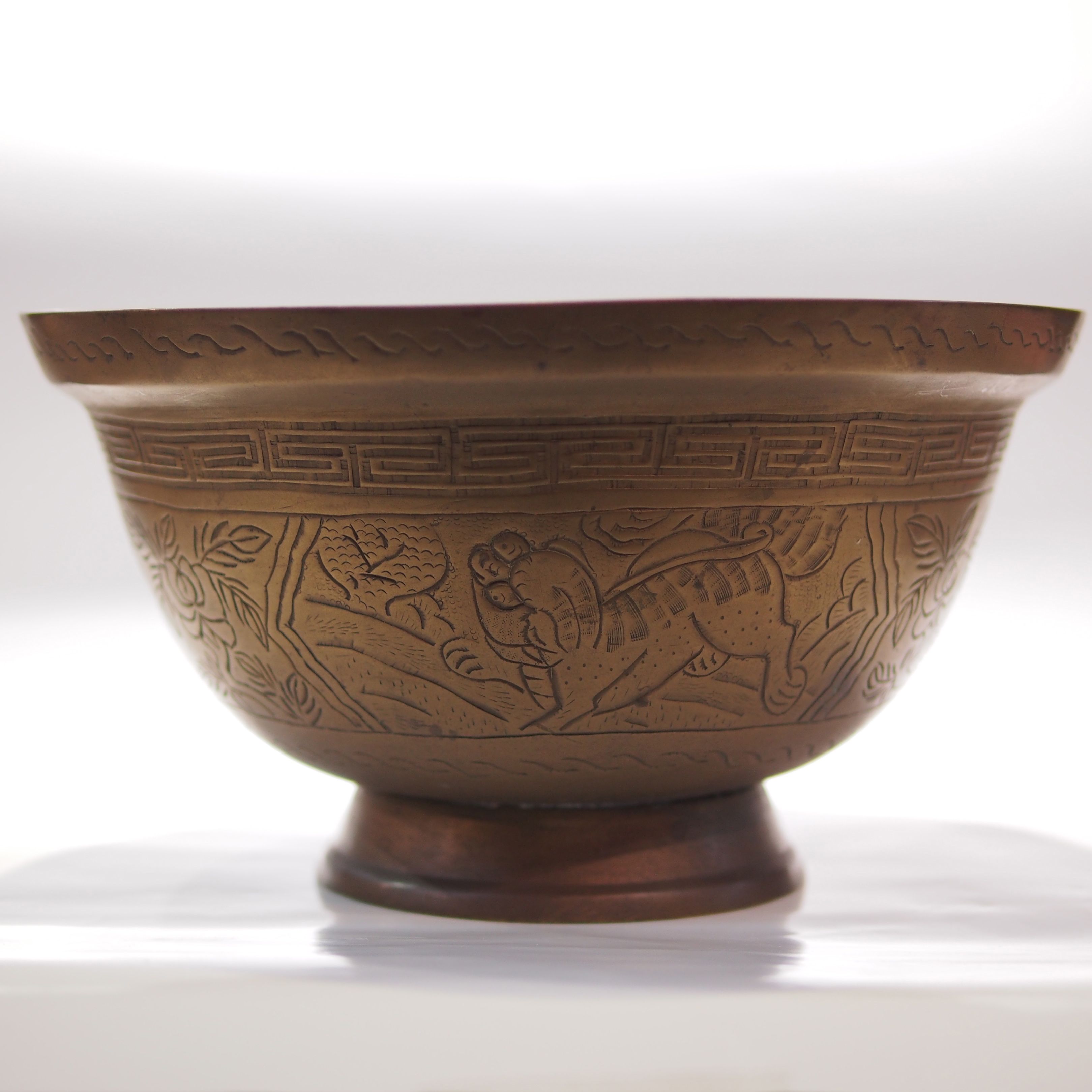
bronze bowlDIA270xH150mm, China

Perfect for beating egg white, melting of chocolate or just as a fruit bowl.

In the old days this bronze bowl would have been uses to provide offering in a Chinese temple.
See our other offering containers; offering bowl, eight trigram bowl, bronze plate, lacquer dish.

OLYMPUS DIGITAL CAMERA

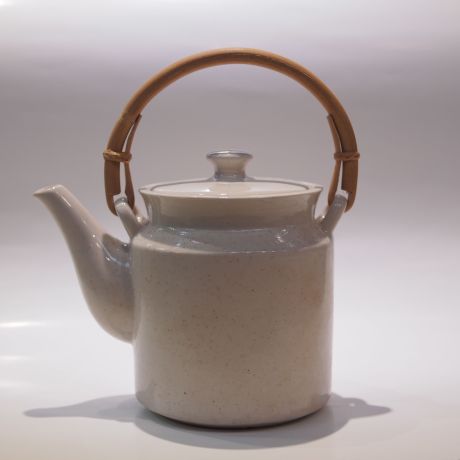
Tea Pot

DIA120xH150mm, China

This is our family teapot, though it might look very modern or even muji like, the form has been around since the late Qing dynasty.

My first association of a teapot was from a drawing, then the nursery rhyme. When I was old enough to go to restaurants that I met the first teapot in a tea house (the place where they serve Chinese tea and dim sum).  It was a comical looking object, perfectly fitting to the first two descriptions I had learn, rounded short and stout.  It was not until later when I was trusted to pour tea for myself that I realized it is impossible to maneuver this typical Chinese teapot.  The design is appalling, the pot is short and long, the momentum pivoted from the handle made it heavy to hold, then the handle to small making your fingers scorch by the side of the pot.  It is made worse by the dripping spout and the lid that keep falling off.  If the Chinese love to drink tea then why would this become the standard teapot for tea houses and restaurants?  Looking at the history of Chinese teapot where the form was influenced mainly by the development of tea brewing method, design of teapots were sophisticated and refine, it would seems that there is no place for an object like this to survive.  My only guess is that it has been modeled after one of the miniature zi sha teapot, the special teapot where the fragrance of the tea is celebrated.  Tea leave packed, brew for seconds with small amount of hot water which is completely drained out for consumption.  The whole design evolve around the power of the smallness, scaling it up loses all its meaning whatsoever.
four season flower bowl four season flower bowlDIA160xH60mm, China

The four season flowers, Narcissus, Lotus, Chrysanthemum, Plum Blossom, were a popular decoration for pottery and other works of art.  They symbolizes a good fortune for all the four seasons.

Click to see the other four season flowers pottery ware.

The four seasons are appreciated all over the world, here is Mutter’s amazing performance on Vivaldi.

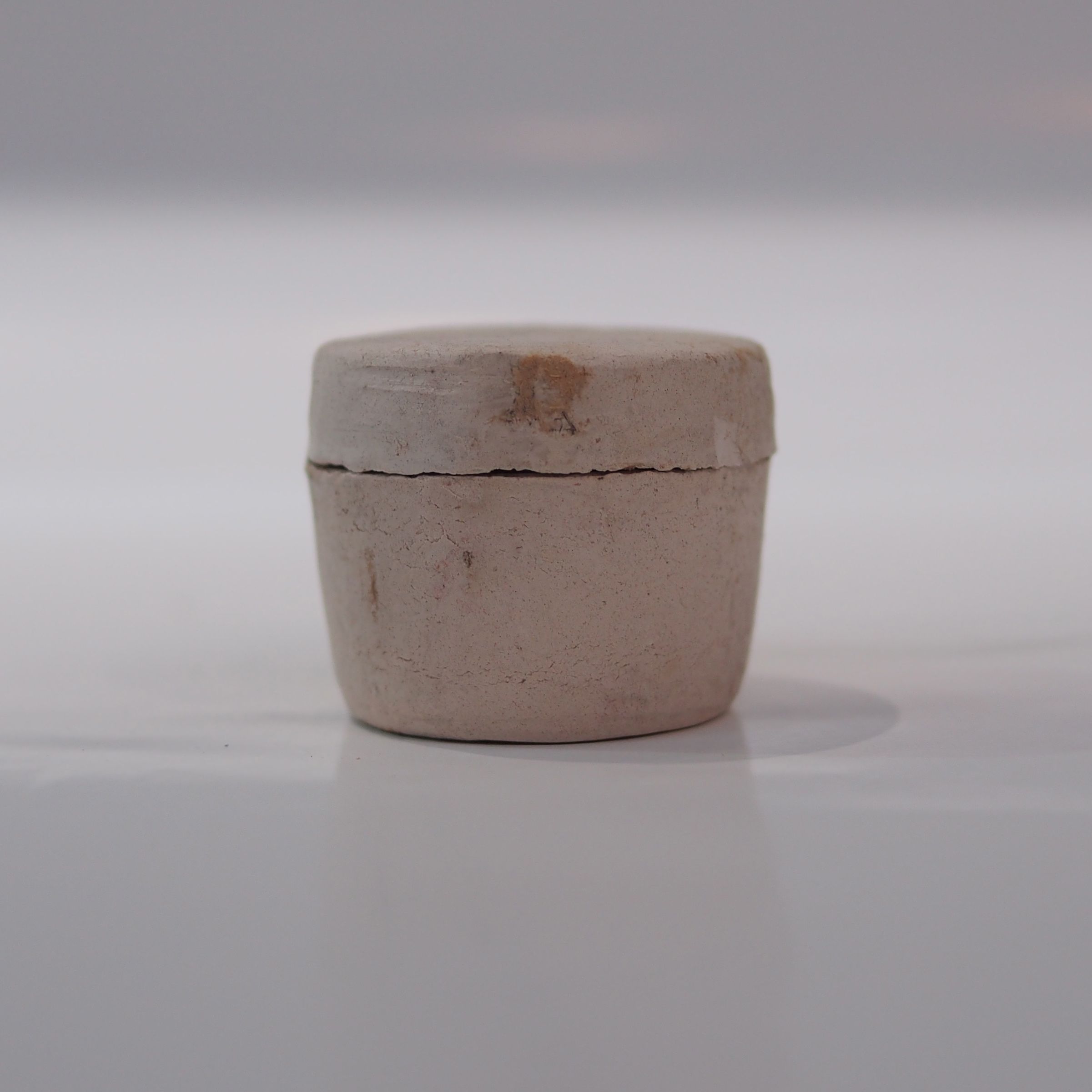
small opium jar

DIA40xH35mm, China

This small pottery jar was a container for opium.

A cheap packaging of the opium den which would then be transferred to a more delicate bottle.

It is similar to today’s disposable plastic bag for pills.

small jar

brush standW70xD50xH20mm, China

Continuing with the stationary items, this ceramic ware is a brush holder.  A holder for the small brush, unlike the previous brush rests where they are lay horizontally, the brush here are inserted into the small holes and left standing.  The small container is for keeping a bit of water in case the brush has gotten a bit dried.  This kind of brush stand are usually used by the people who are writing all the time, e.g. the doctor, the pawn shop owner, the restaurant manager etc.

charcoal basketDIA230xH120mm, China

This bamboo weaved basket is known as a Wu Fu, a basket for storing charcoal for brewing tea.  It use can be dated back to the “Book of Tea” by the Tang Dynasty scholar Gu yuan Qing.  The name Wu Fu is sophisticated way of refer to the charcoal basket, the word “wu” means black, dirt – which is the charcoal, the word “fu” is a grand mansion – the humble basket.