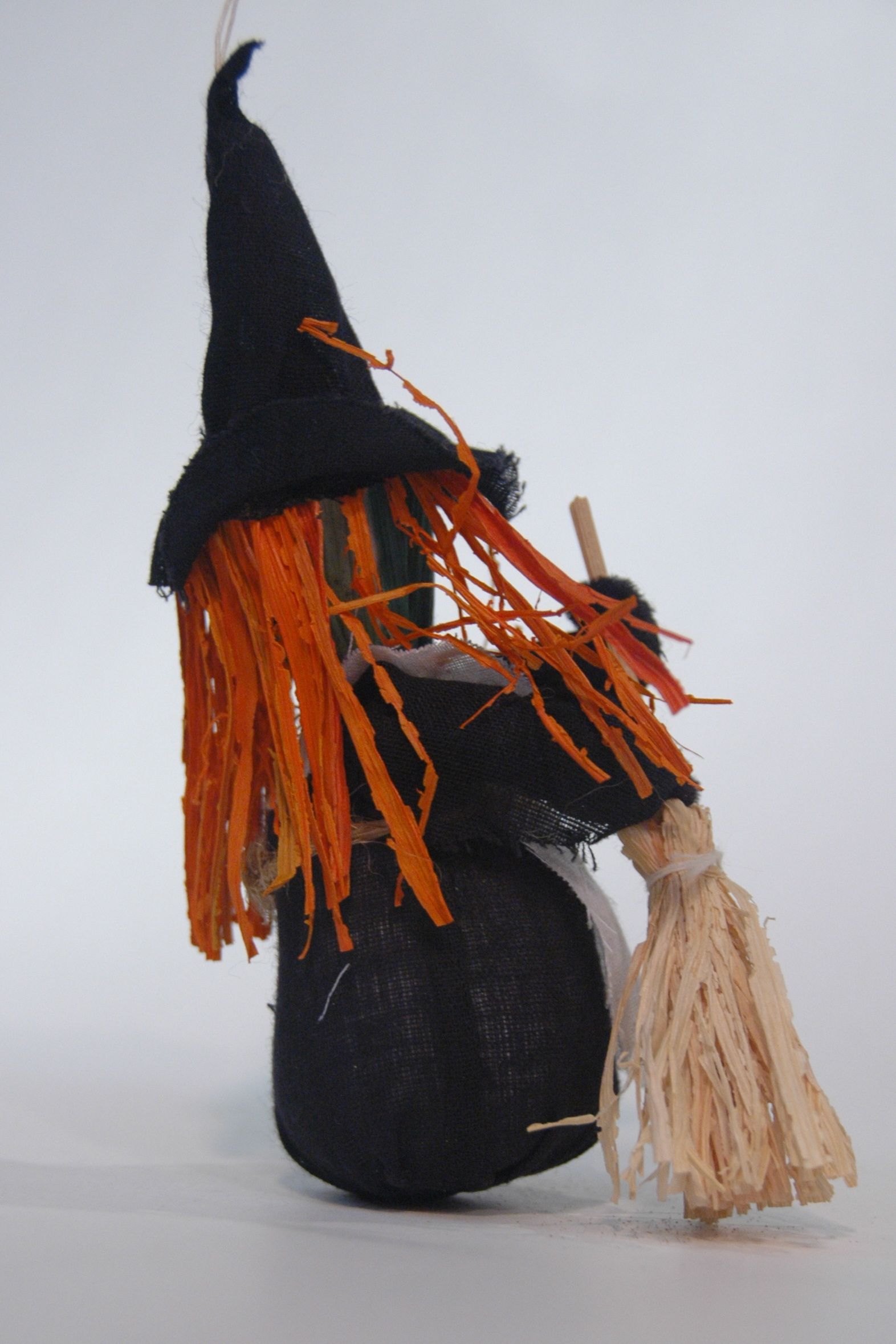
 H150xD100mm, China
Today continuing with the Halloween theme with something less scary. This straw witch is perfect for Halloween decoration.
H150xD100mm, China
Today continuing with the Halloween theme with something less scary. This straw witch is perfect for Halloween decoration.
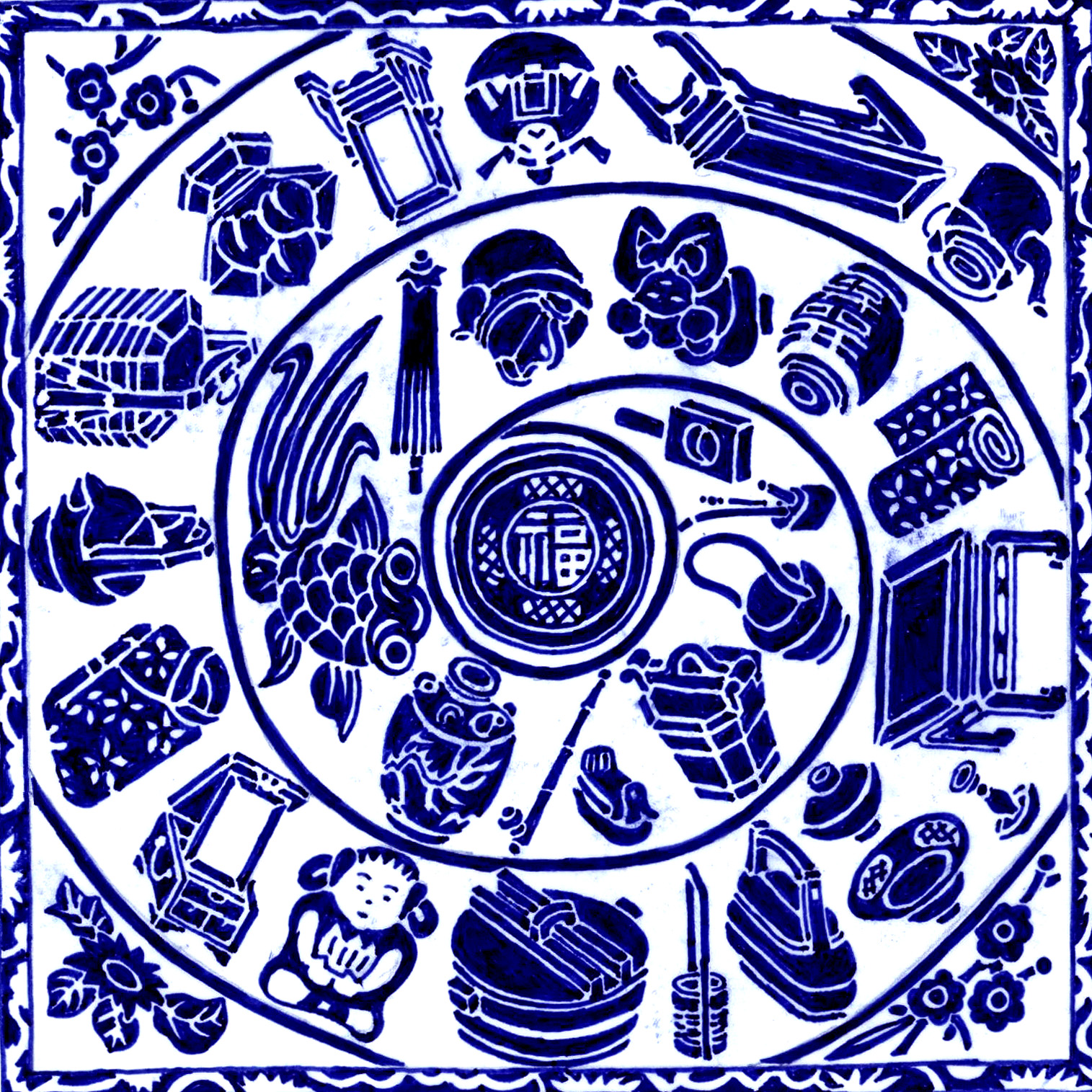 Just part of our collection.
 L150xW130mm, Indonesia
This is a Topeng use for masked dances in Indonesia. This mask would have been worn by the Bondres character , a joker to bring in the humorous elements in the performance. Despite the ugly facial expression, the Bondres are popular character because of the bawdy jokes and satires that poke fun at the current events. The jawless mask was made so for the actor to be able to speak clearly. Each dancer would have his own collection and there are many different of these clown character. The eye brow and moustache are made with goat hair.
 H100xW50xD60mm, China
Puppets originally are used as burial item made to replace human sacrificial burial. In the Han dynasty theatrical art developed, puppet show was not only the first performance art of China, it was the leader of all theatrical art. By Sung Dynasty, Quan Zhou was the cosmopolitan of its time; arts, trade, religion were at their peak, religious ceremony was held every 3-5 days, the witch craft associated puppet show flourished. There was a demand of high quality puppets, the carving works of the head that were in the beginning carried out by the Buddha statue craftman were later developed as specialised art. This is a glove puppet of a monk, the eye and the mouth can be controlled separately and there is even a small tongue!
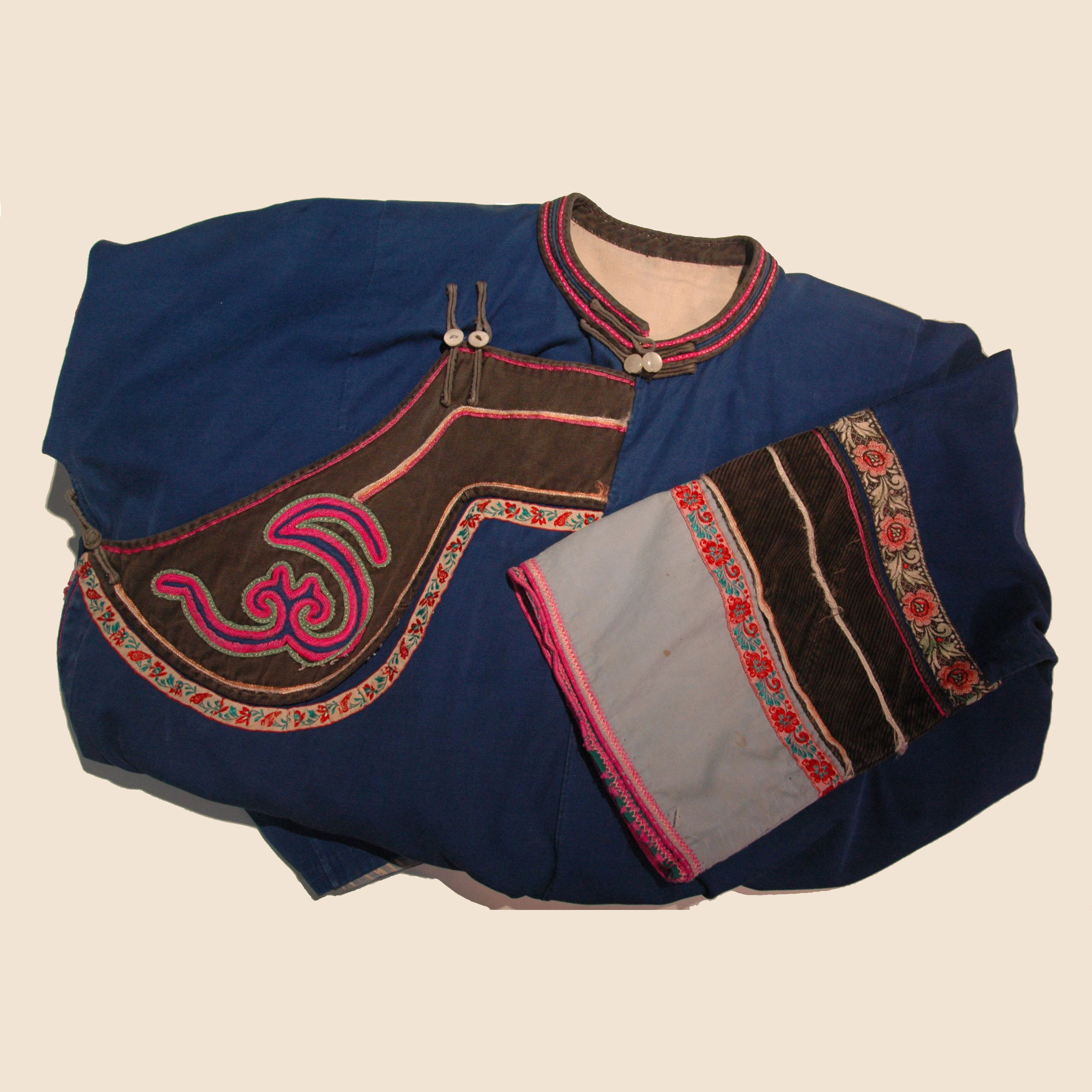 W600xL900mm, China
This is one of the traditional costume of the Miao tribe from the Qian Chung Nan area In fact there are over 200 different styles within the Miao tribe, different district would have their own costumes (hairstyle, accessory, clothing, etc) which has been modified along the different dynasty. From the Qing dynasty, embroidery, silverware, Manchurian style left or right breasted garments were added into the collection. This garment would have been worn by a middle age female; made with blue cotton, tailored to be loosely fitted with no collar.
 H250xW100xD150mm, Thailand
Please pray for those who are suffering by the flood in Thailand, the worst in 50 years, and that serenity will return soon.
Praying monk figurine; they are usually found in a pair at either side of the Buddha statue, both kneeling, one praying and the other one has his hands resting on the thighs.
 DIA300XH100mm, Japan
This is a wooden container for the preparation of sumeshi
(rice used for sushi).
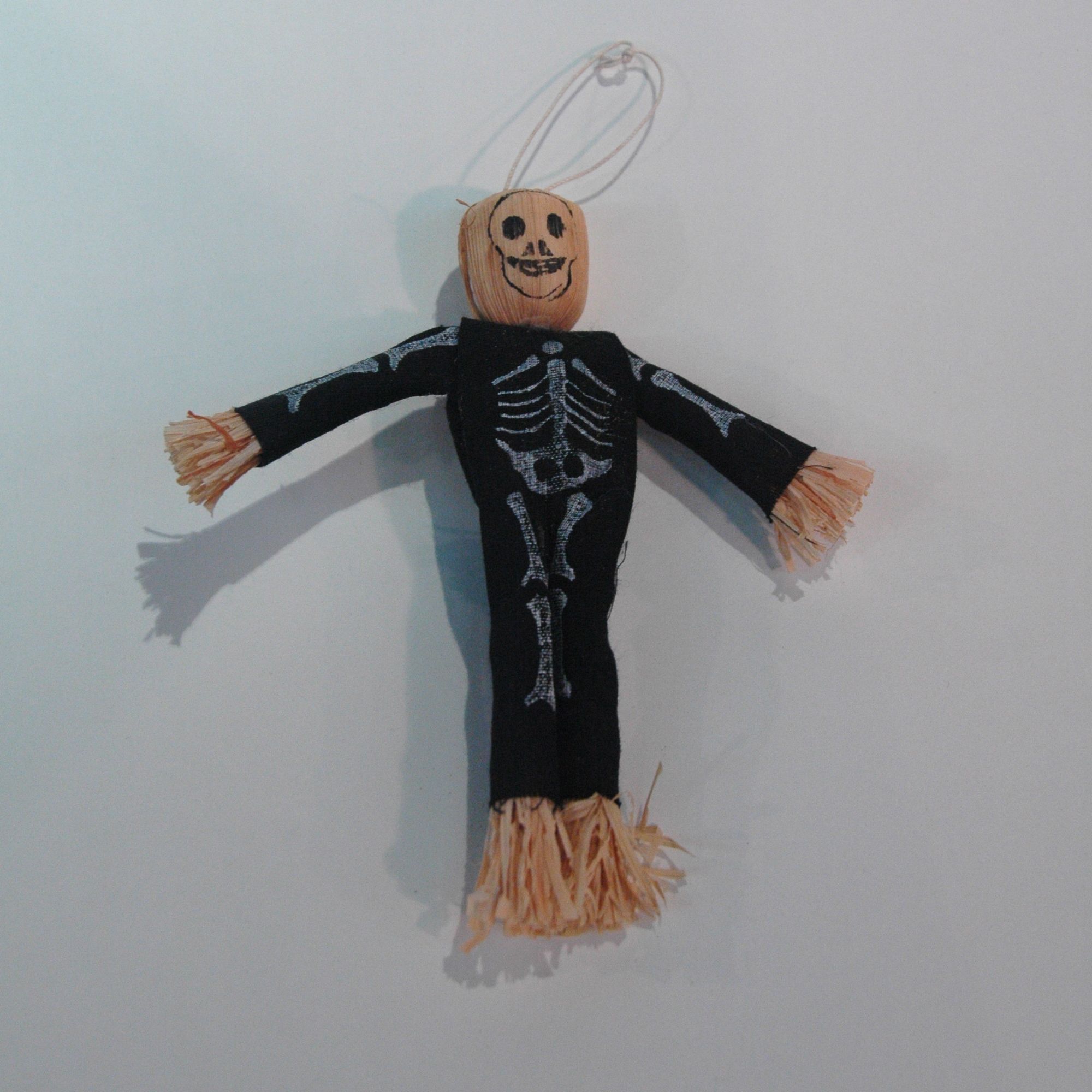 H150xW150mm, China
Shopping for Halloween?
We have masks, decoration and tonnes of other scary items!
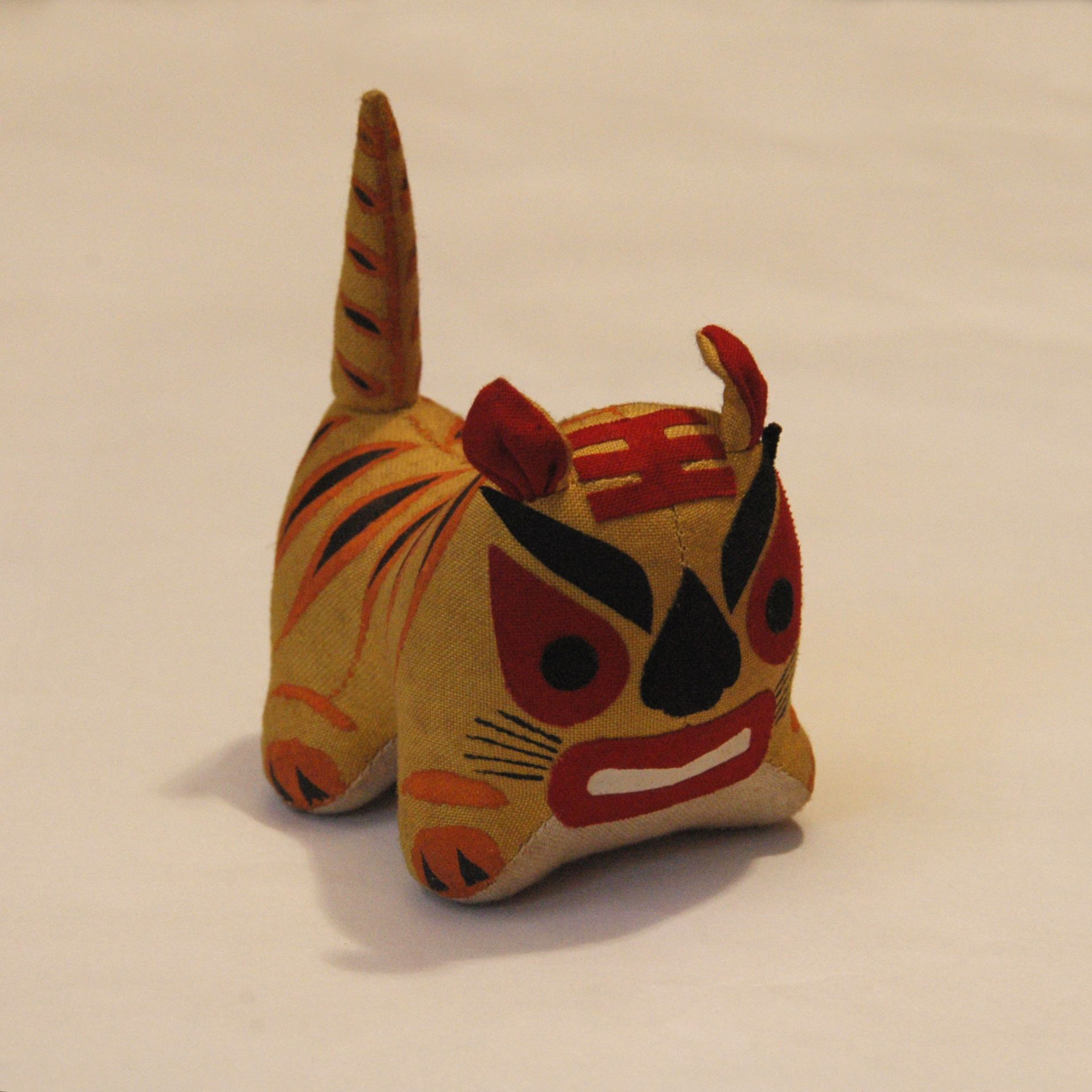
L80xH80xW60mm, China
Cloth tiger is a common toy for children in China. Though we have all kinds of monstrous toys on the market nowadays, it would seems strange for a folk toy to be based on a vicious animal like the tiger. In the days when life in less protected against nature and disease, the Chinese look on the tiger as a symbol of strength, bravery and good health. The cloth tiger becomes a symbol of protection and a blessing for the young. On the 5th of the lunar month of may, the day when ritual would be performed for plague prevention, faces of the children will be painted yellow with tiger pattern for extra protection. Cloth tiger would be given to a child 3 days after its birth, on its 100 days birthday, 1st and 2nd birthdays and on Chinese New Year as a blessing to the child.
 H270xW40xL100mm, China
Since the Ming dynasty bamboo carving has been seen as a specialized art; the practitioners are literati who are master of calligraphy and stone carving, this together with the nature of the material bamboo (hollow internally with knots at intervals), bamboo carving has combined painting and sculpture in one art form. There are broadly two type of bamboo carving, utilitarian and decorative. The utilitarian form mostly make use of the hollow of the bamboo shaft (e.g. a pen holder, wine cup, weight etc) and relief type engraving on the surface of the bamboo. The decorative form are sculpture of figurines, birds, etc, the design would play on the solid and void of the material. This carving is the early work of the famous artist Zhang De He of Zhe style.
 Mountain Folkcraft