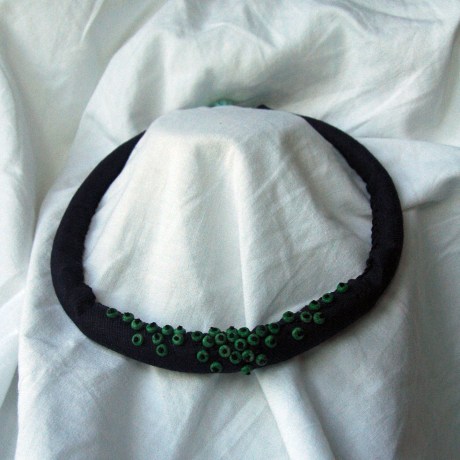
DIA160mm, Hong Kong
This neckwear has been sprinkled with a spoonful of jade beads.
Come to see our Something Old Something New Jewellery collection!
DIA160mm, Hong Kong
This neckwear has been sprinkled with a spoonful of jade beads.
Come to see our Something Old Something New Jewellery collection!
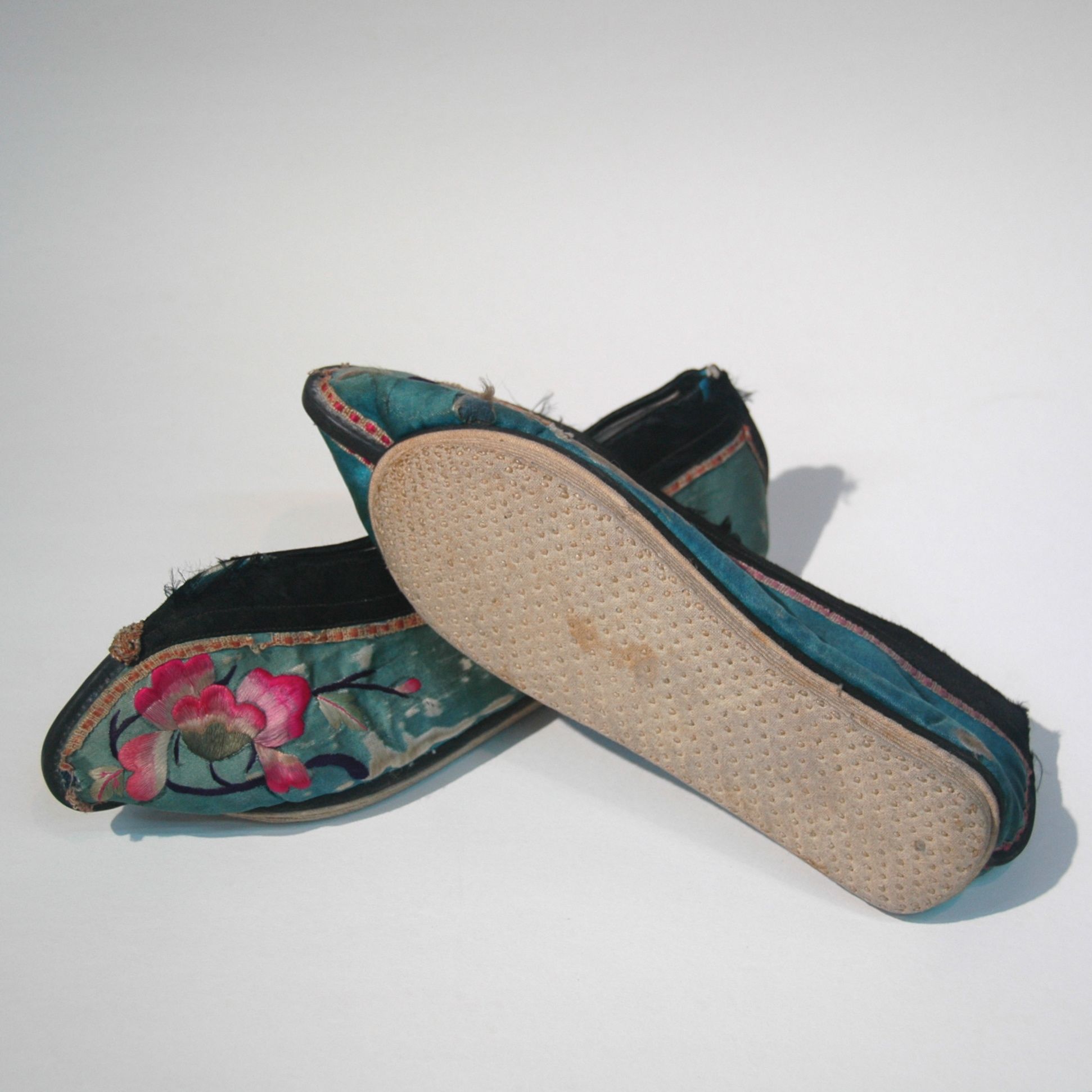
L250xW70mm, China
This is a pair of embroidery shoes of the Miao tribe (for more about Miao tribe shoes, see our earlier post, Embroidery Shoes). Today I would like to concentrate on the cloth sole of the shoes which is entirely handmade. Before rubber and leather sole became popular in China, most of the soles are made with cloth, it is a common household practice, even mother remembers making shoes for herself in her childhood. Here is mom’s instruction:

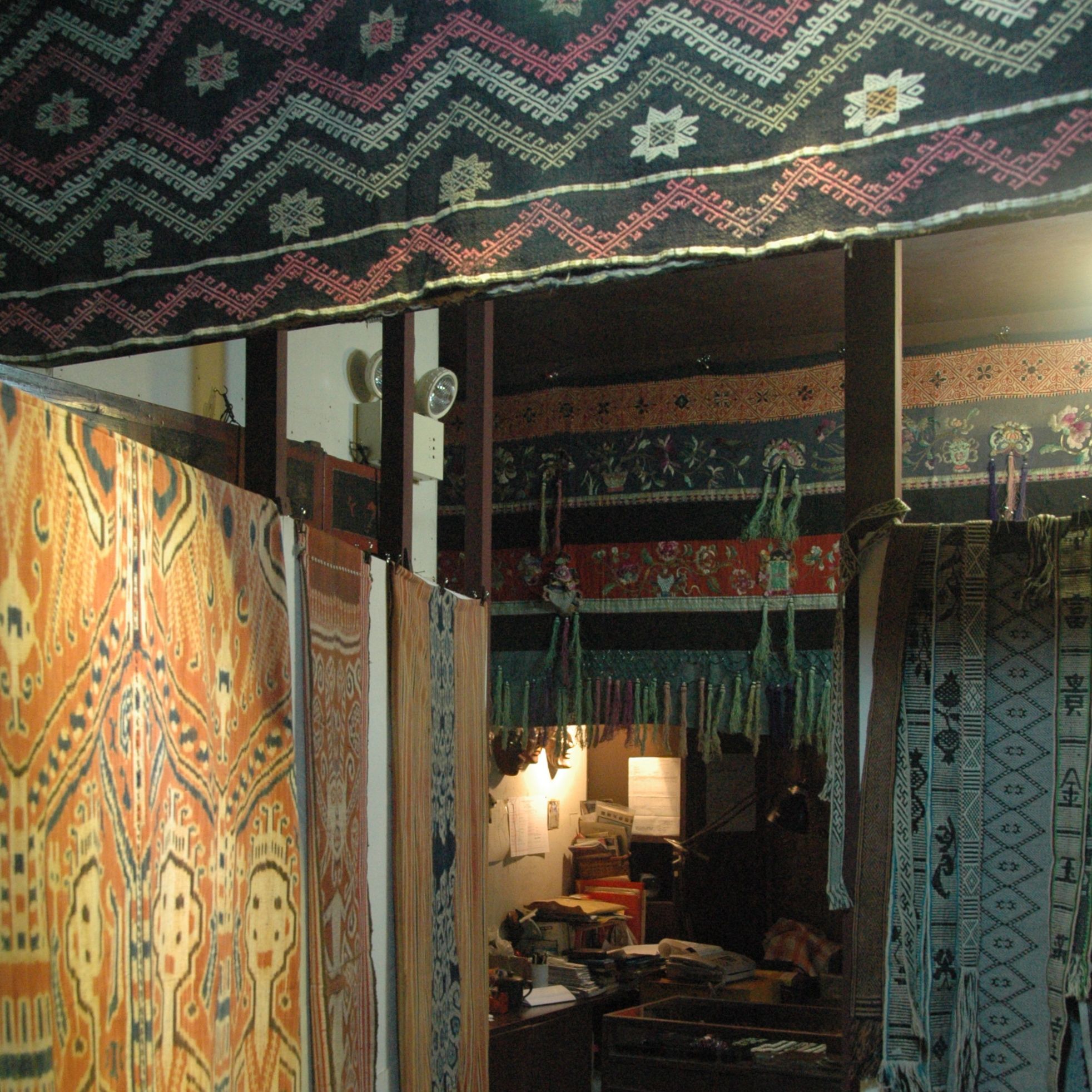

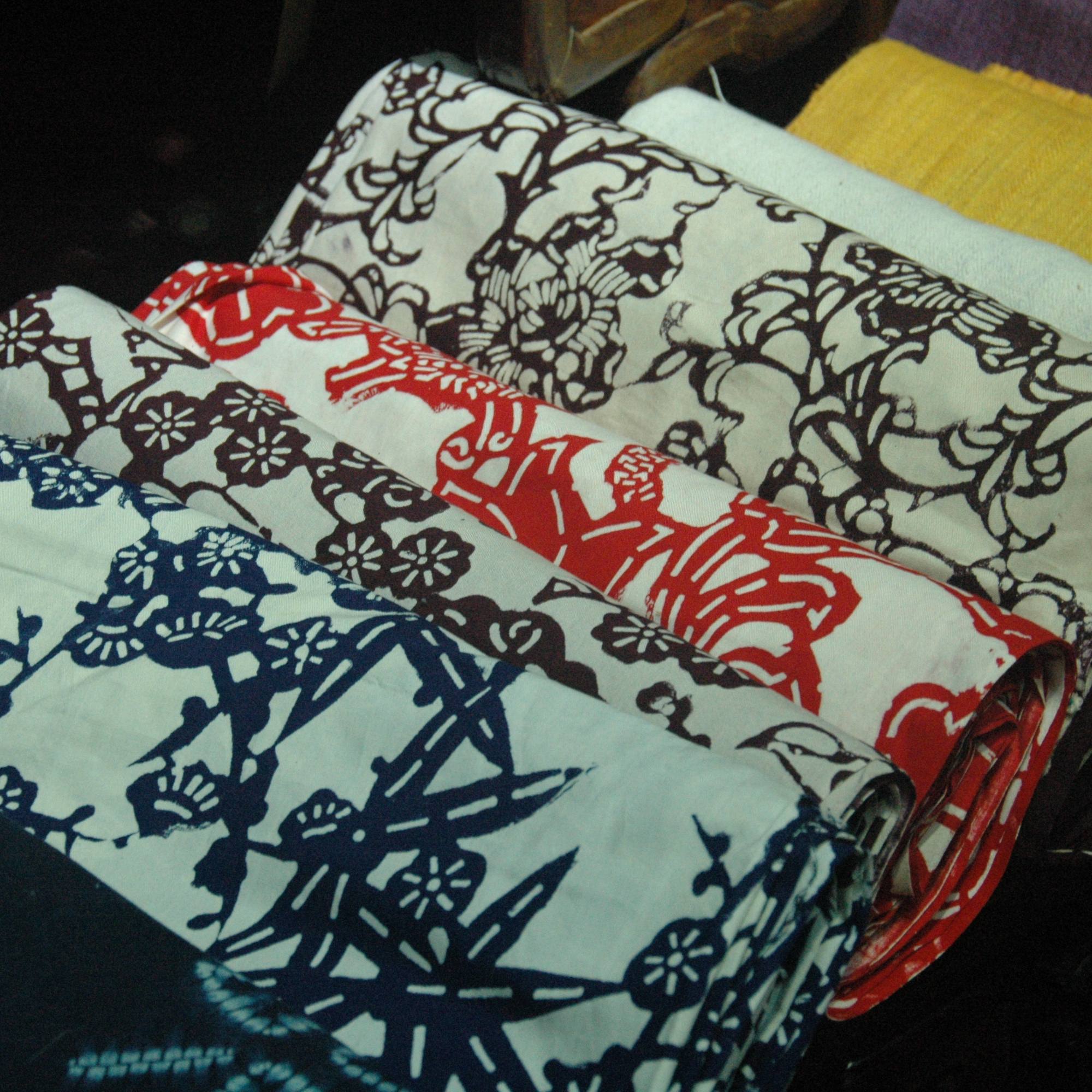
Fabric lovers! For the joint venture of Soil X Mountain Folkcraft, Something Old Something New, Mountain Folkcraft is holding a fabric exhibition. Hand woven fabric such as ikat,lime bean paste resist dye, wax resist dye, brocade, tie dye, discharge dye, patchwork. Also featuring are the creations by artists from Soil; Cotton Car, Denise Chan, Furze and Seung.
Come visit us!
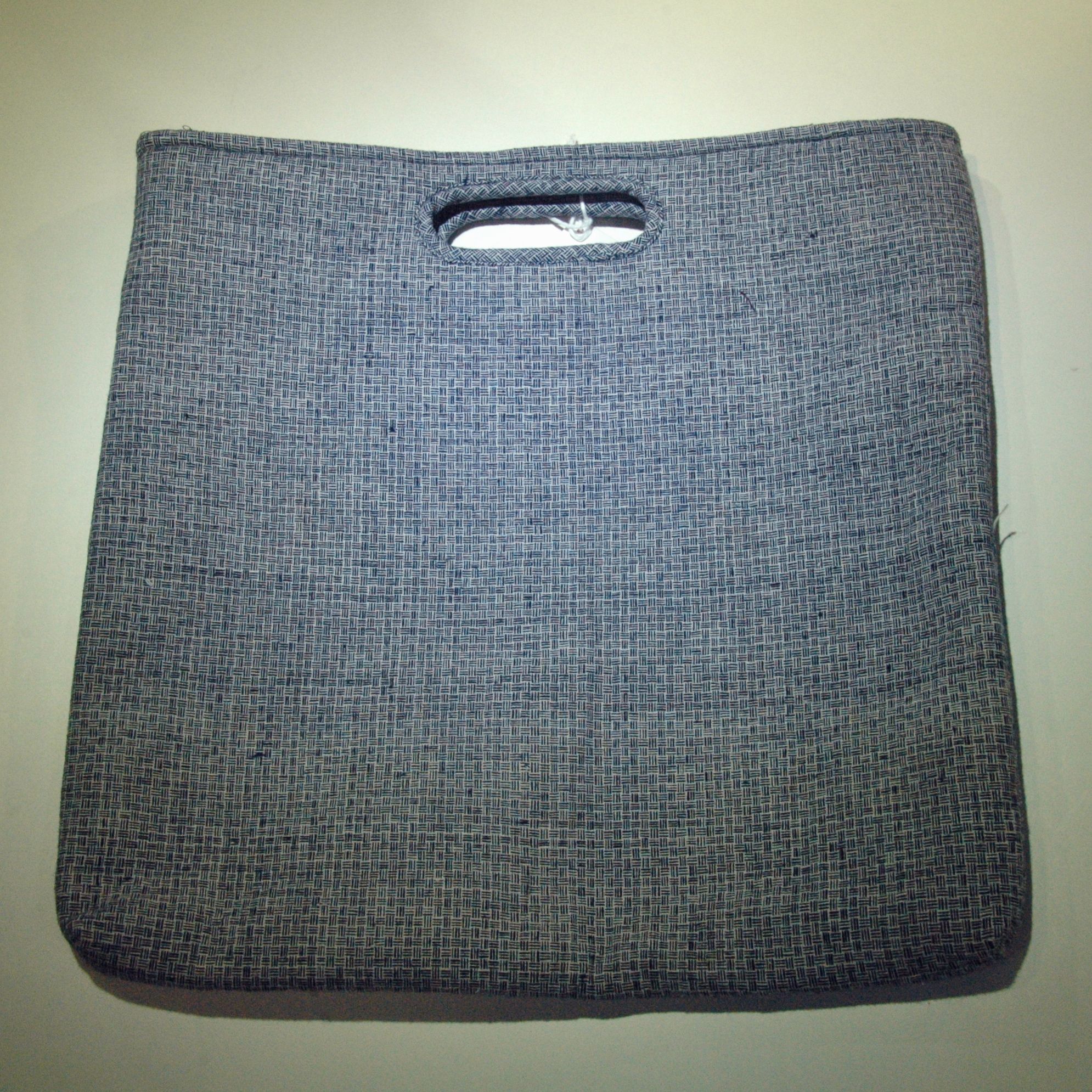
W360xH360mm, Hong Kong
For the joint venture of Soil X Mountain Folkcraft – Something Old Something New, artist Denise Chan has created a padded bag using traditional hand woven fabric from her collection.
The padded bag is perfect for carrying ipad or netbooks.

Denise is from Paiwan 台湾排灣族, an aboriginal tribe of Taiwan. Her interest on handwoven fabrics starts from her collection on minority costume. She is not only a collector by has also become a craft designer.

W300xL300mm, Korea
For the Something Old Something New Exhibition with Soil, we have the Korean artist Seung Yun Yoo and her fabric creation, hand printed dyed with natural ingredient.
Seung lives in Seoul, Korea. She makes home textile goods inspired by her plain but beautiful surroundings. After studying fashion design at Esmod Seoul and Illinois of Art in Chicago, She worked for several clothing companies in New York and Seoul. Recently she quited her day job and started to make her own fabric creations. All products of Seung were printed and made individually by hand with care. She hopes to make something simple, different and sincere which can fit into every home.
To learn more about Seung visit her blog @ http://knifeinthewaterblog.blogspot.com
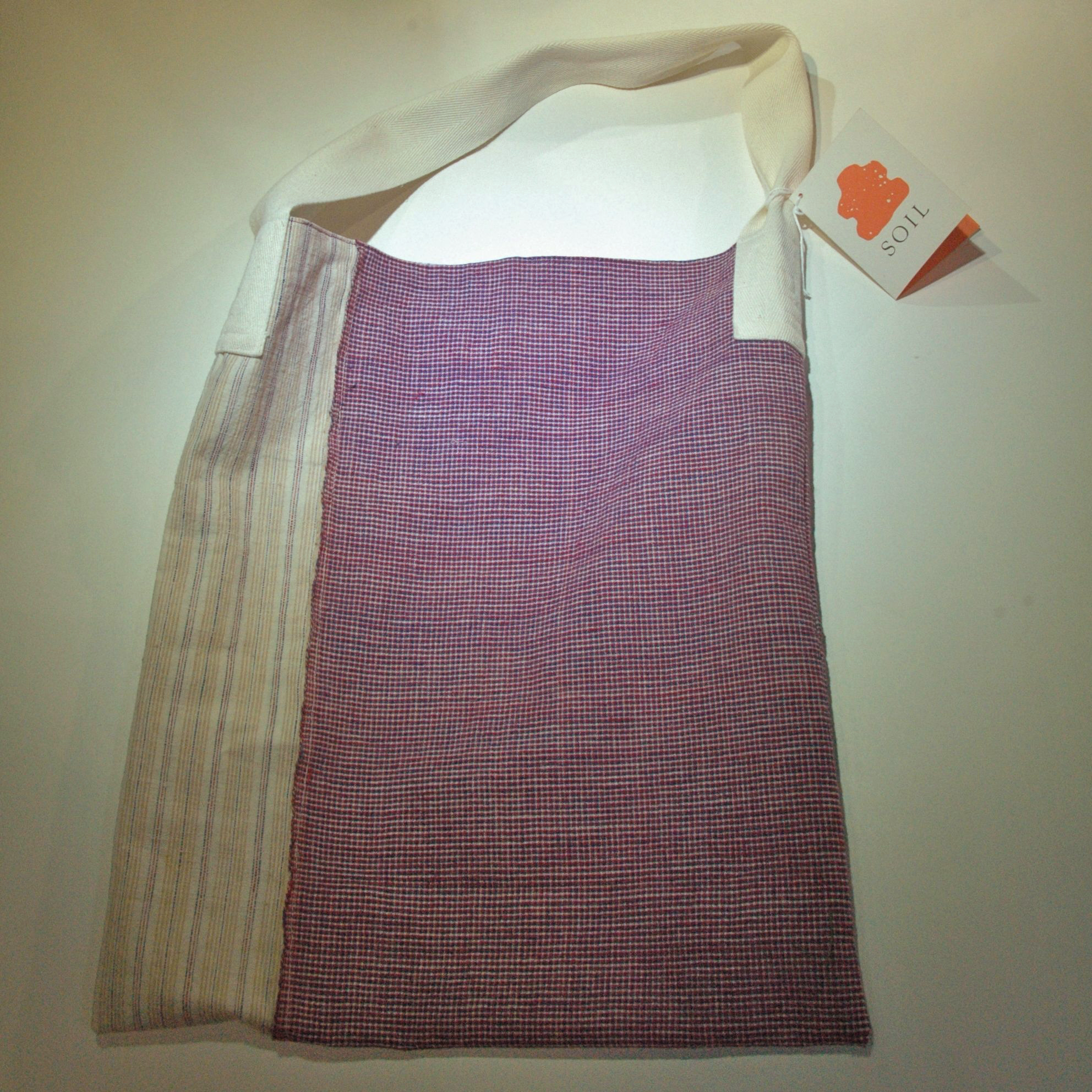
Hong Kong
Denise is from Paiwan 台湾排灣族, an aboriginal tribe of Taiwan. Her interest on handwoven fabrics starts from her collection on minority costume. She is not only a collector by has also become a craft designer.
These bags are made from her private collection of handwoven fabric, the construction of the bag is inspired by the traditional tailoring of the minority tribe.
Something Old Something New, a joint venture with Soil.
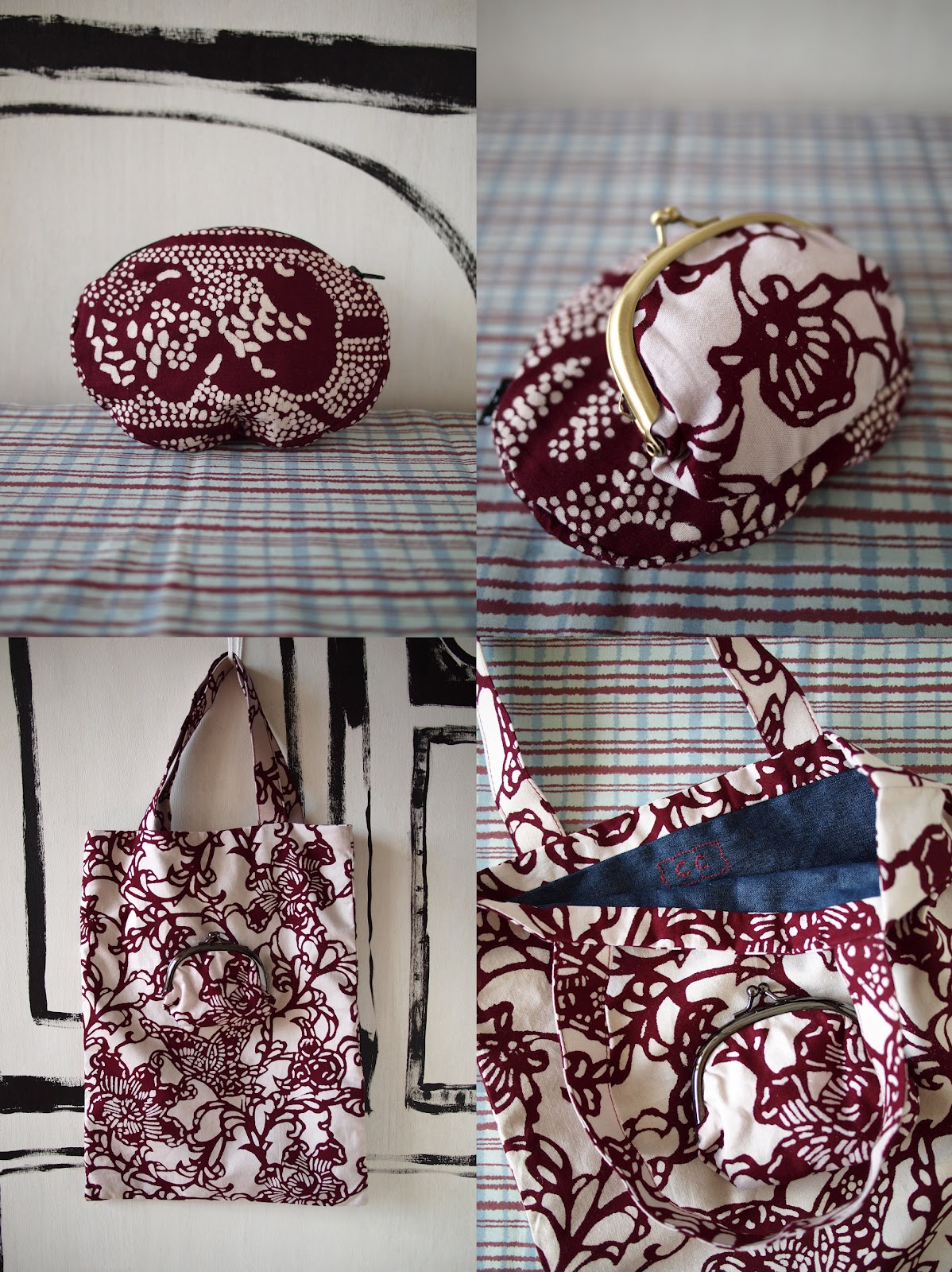
Hong Kong
Using the fabric from Mountain Folkcraft, artist Cotton Car has created lovely purse and tote bags for the Something Old Something New exhibition with Soil.
A Pleasure in Metal Frame Purse
“besides stripes and round shapes
I enjoy working with metal frames as well
so tempting to attach it to other purses
like extra compartment, yet decorative at the same time”
Cotton Car primary source of inspiration comes from daily life, or everything around her.
To find out more about Cotton Car visit her blog @ http://cottoncar.blogspot.hk/

varies sizes, Hong Kong
For the Something Old Something New Exhibition with Soil, our curator and participating artist, Furze Chan, has created for us these Happy Dolls. They are handmade by Furze with tie dye indigo fabric.
Furze Chan is a design freelancer in Hong Kong. Her works include publication design, web design and illustration. She owns 2 brands – “With Her Animal Poetry” and “Ferse Verse”. She was graduated in visual communications(Hong Kong Polytechnic University, the School of design)(BA) in 2006.
To learn more about Furze, visit her blog @ http://furzechan.com

Patch work is a piece of fabric formed by little pieces of fabric. The idea of patchwork started early in ancient Egypt and northern China, possibly because of the shortage of material and the cold climate. It was later developed as an art in Renaissance Europe and then became a popular during the period of new settlement in America. The patchwork quilt at one time was the symbol of reminiscence of their mother countries.
In China, patchwork is called the “hundred swatch quilt”. Upon a child first birthday, village friends and neighbors would each contribute a swatch of fabric, old or new, to the child as a present. The mother would then patch these pieces of fabric to make a vest or a small quilt for her child, depending on the quantity she acquired. The vest or quilt is supposed to embrace hundred of blessins and render the child a happy and healthy life.
Step by step guide for making a patchwork quilt from the International Quilt Study Center and Museum.

Discharge technique in fabric is to make the design pattern on dyed fabric by chemical means. Diluted sulfuric acid agent is painted with a brush directly on the indigo dyed fabric. Chemical reaction takes place as the acidic agent get in contract with the indigo dye. The acidic agent will then discharge the indigo pigment, leaving a white pattern. This method of pattern making allows more freedom in expression. But most of the time, stencils are used in production because of labour. The discharge fabric is finally rinsed in an alkaline bath to remove the acidic remains.
Here is a DIY version of the same technique, you can try it at home!
Discharge Dye Fabric are shown at the Mountain Folkcraft shop in our Something New Something Old exhibition with Soil.
 Mountain Folkcraft