Archives for category: costume

costume

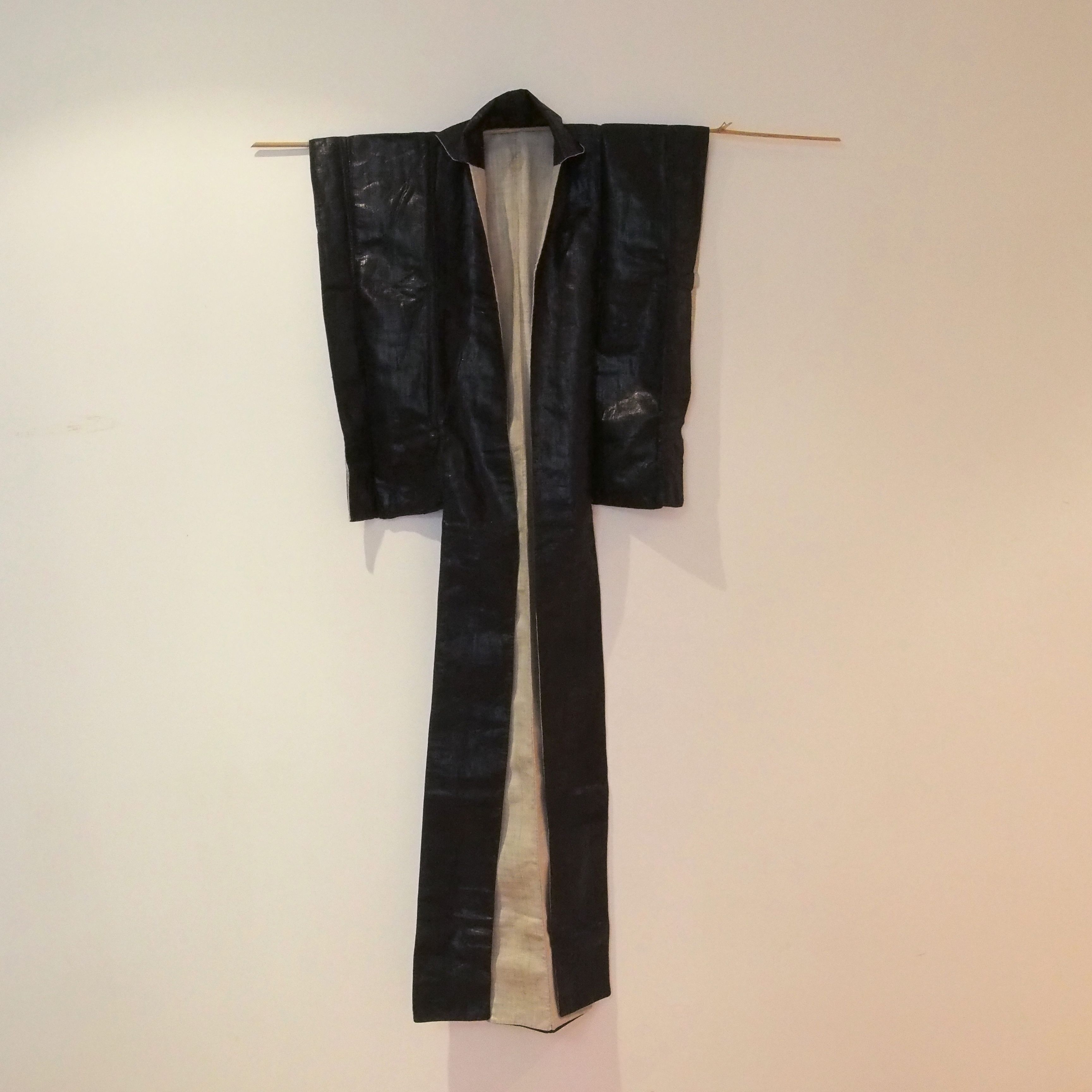
W700xH1400mm, China

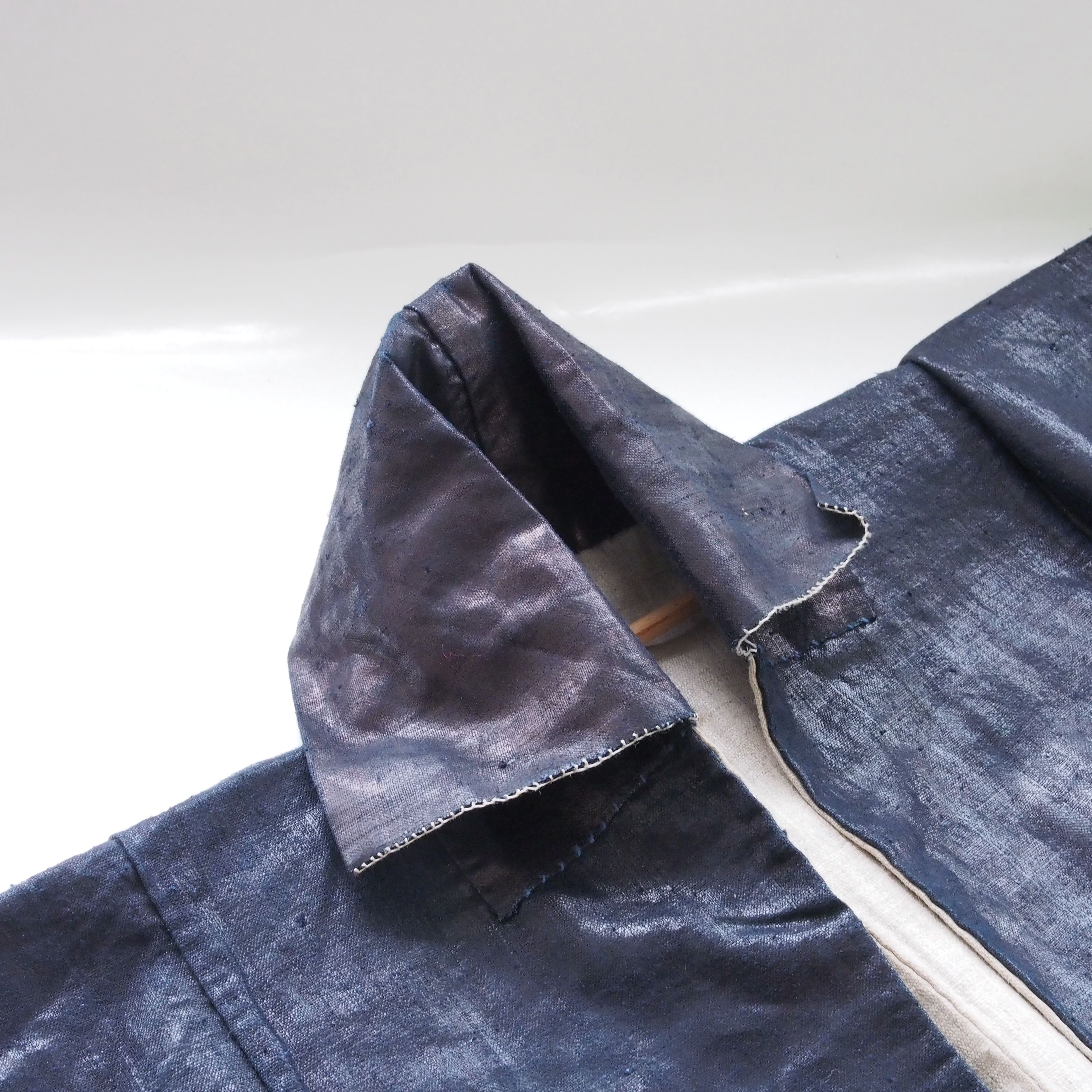
This costume belonged to the wizard of the minority Dong tribe.  In the villages of Guang Xi area, each village will have their own wizard, whom like Harry Potter are passed down from generations of wizards.  The wizard would make offering to the gods as well as casting away the evil ghosts.  Life in the villages are harsh, whenever sickness or other misfortune fell on a family, they would asked the wizard to see if the place needed cleansing.
costume OLYMPUS DIGITAL CAMERA

hat

hatRIM DIA160mm, China

On the Tea Horse Route, there are gangs of horse cavavanners who take up the job for transporting goods through the network of narrow mountain pathway from Yunnan.  Their routes connects Beijing and other big Chinese cities to Tibet, South East Asia, India, Africa and Europe.  They were the main form of trade transport before the arrival of railways and roads.  Nevertheless, even today, they cavavanners are still the main porters for the Pu Erh tea of Yunnan.

The life of the cavavanners take up a lot of hardship; camping at where ever they stop, taking care of the goods and the horses, facing all sorts of danger and unexpected danger on their journey.  All these made the groups unite and willful, not only do they look out for their gang members but also other gangs.  The palm fiber hat is part of the gang costume that unified the group.

cotton car 1cotton car 4

W300xL460mm, Hong Kong

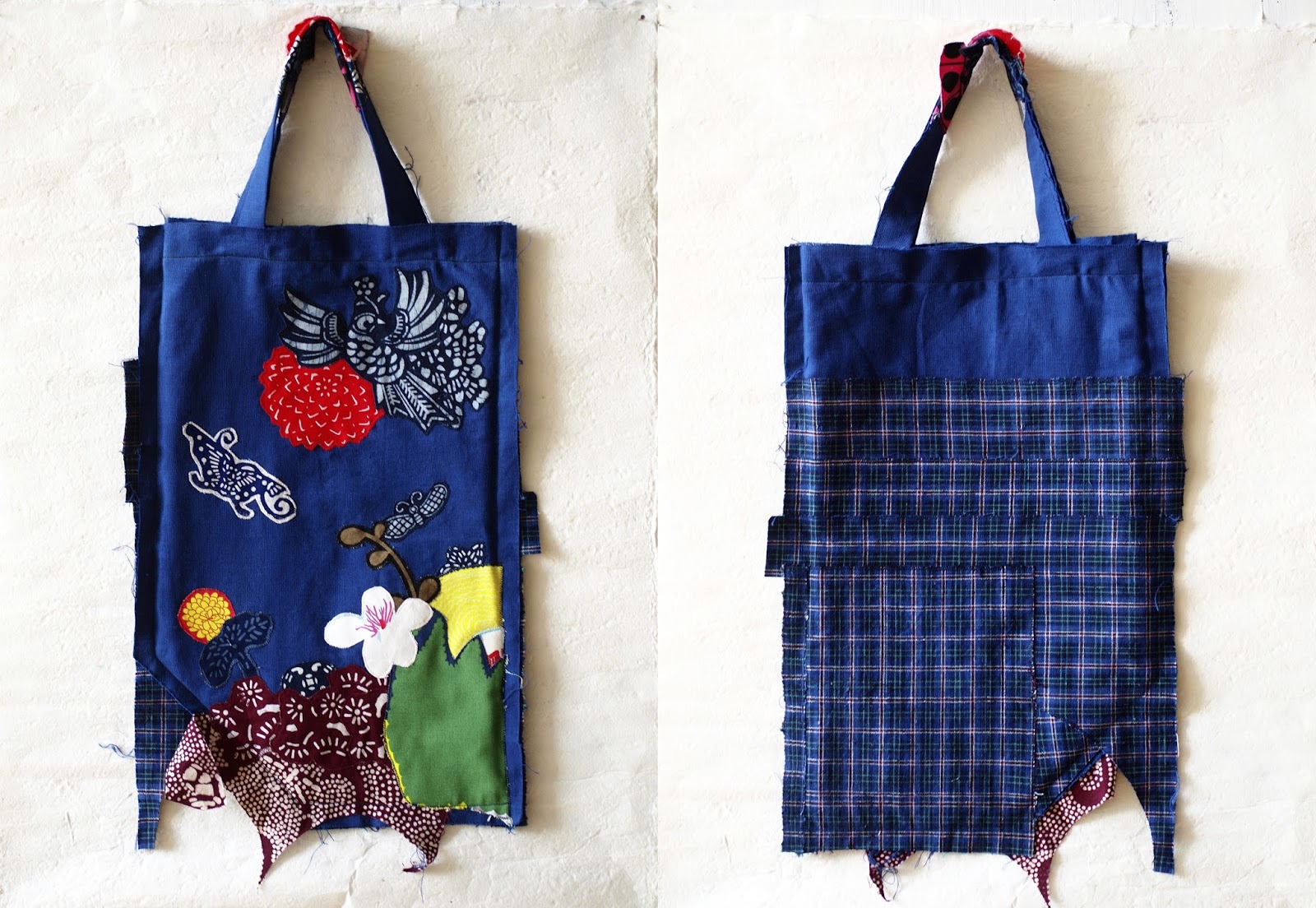
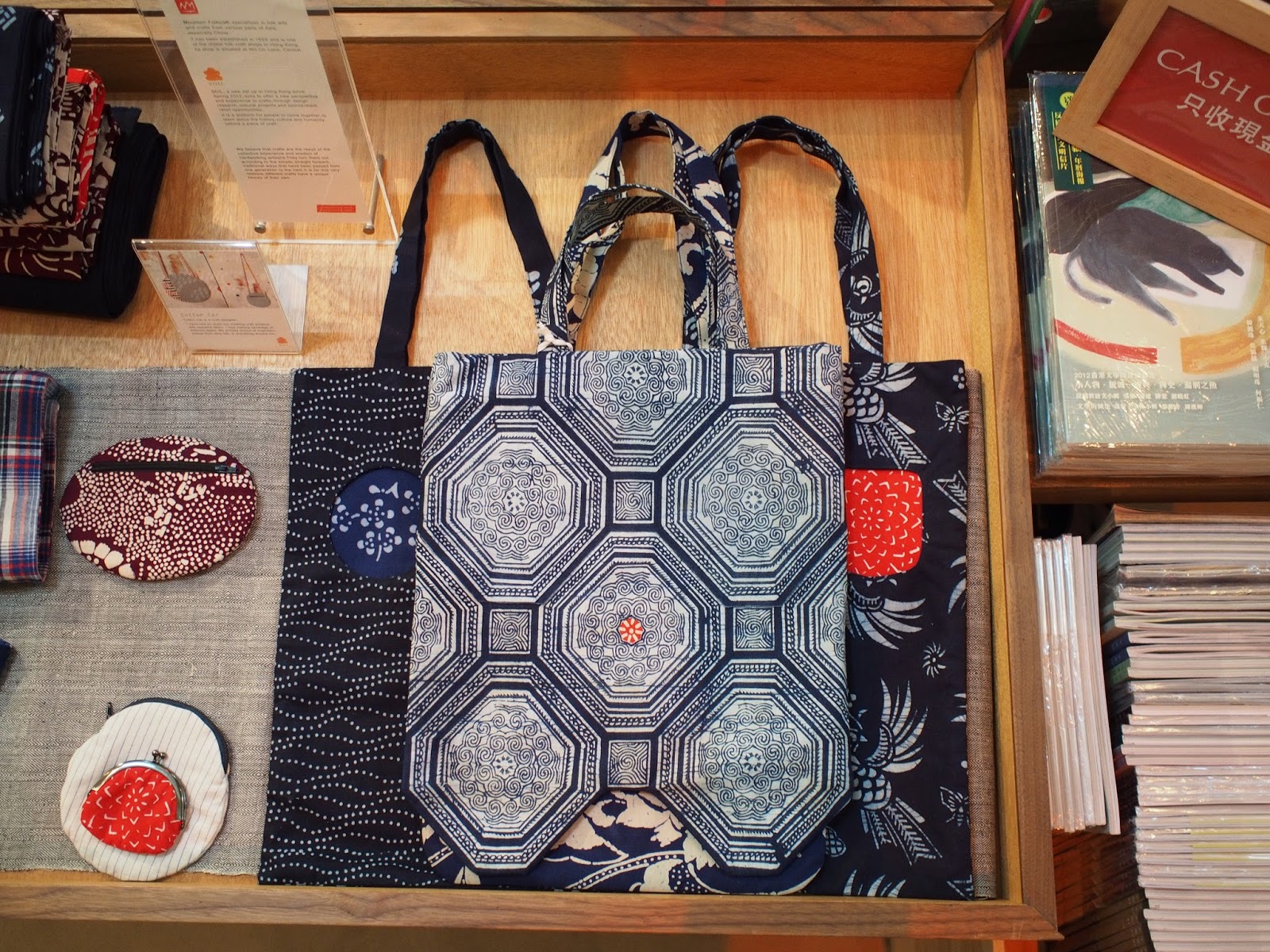
These beautiful tote bags are the creation of CottonCar for her collaboration with Soil.

An imaginative use of our fabric with a contemporary design.

Available @ Pop-Up Bookshop Gallery @ Fringe Vault

cotton car 7

cotton car 8

W300xL400mm

cotton car 9cotton car 10

W310xL400mm

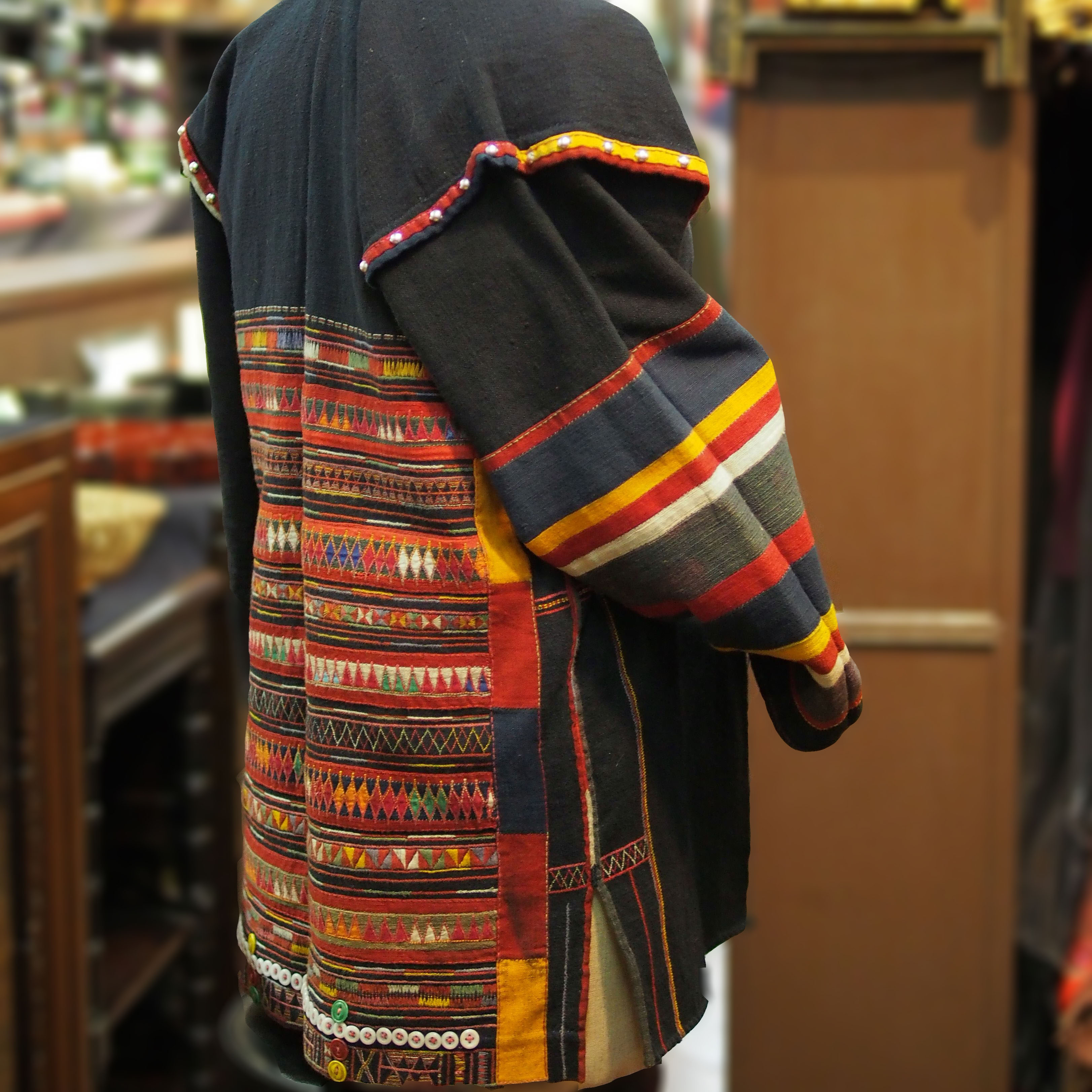
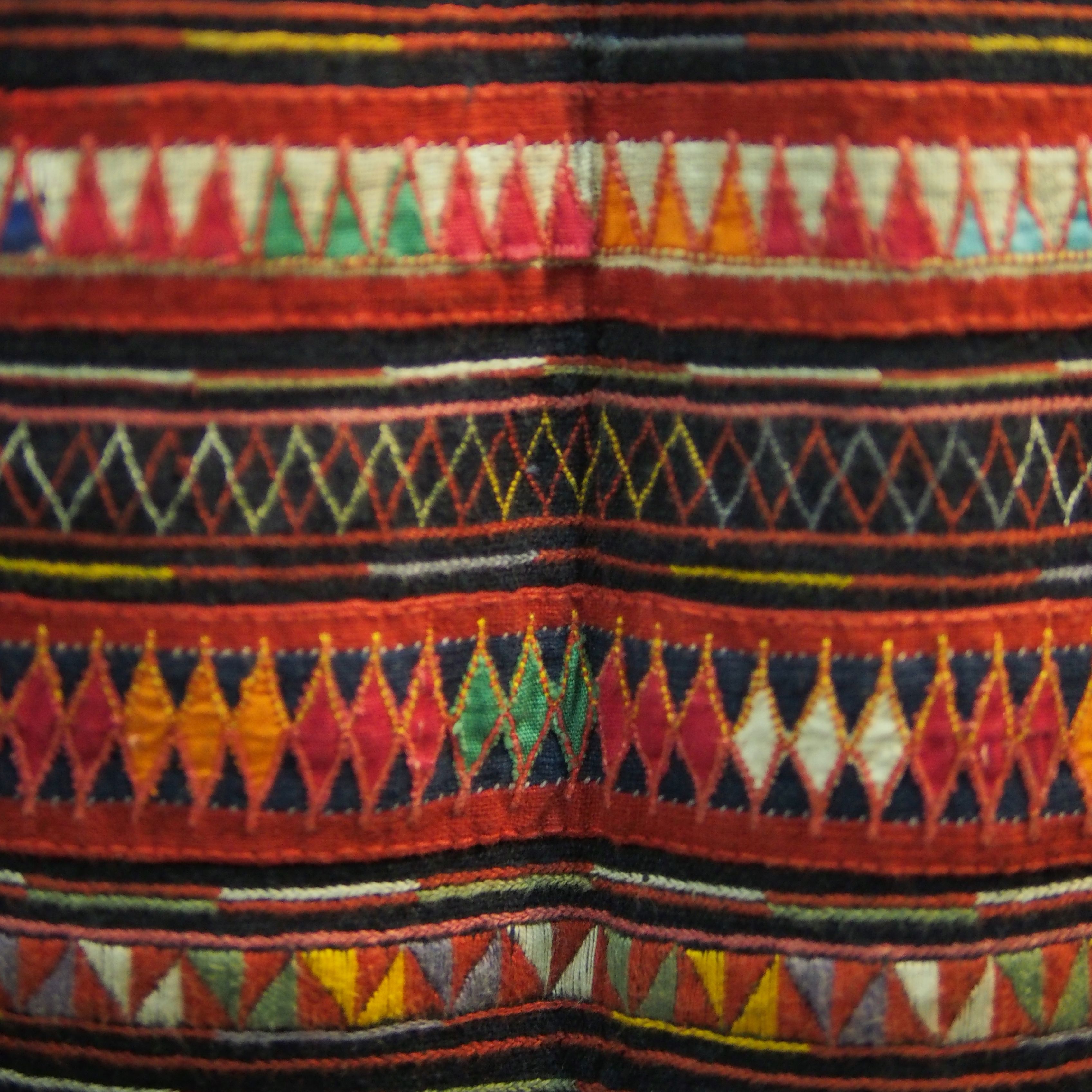
Hmong tribeHmong tribe costumeL700mm, Thailand

This smart garment belongs to the Striped Hmong tribe (Hmoob Txaij) of Thailand, they are one of the 5 hill tribes in the area between Northern Thailand, Laos and Myanmar.  Amongst the Hmong tribes, there are 4 sub tribe – White Hmong, Green Hmong, Striped Hmong and Hmong Chinese.  The Striped Hmong’s costume have striped bands on the arms.

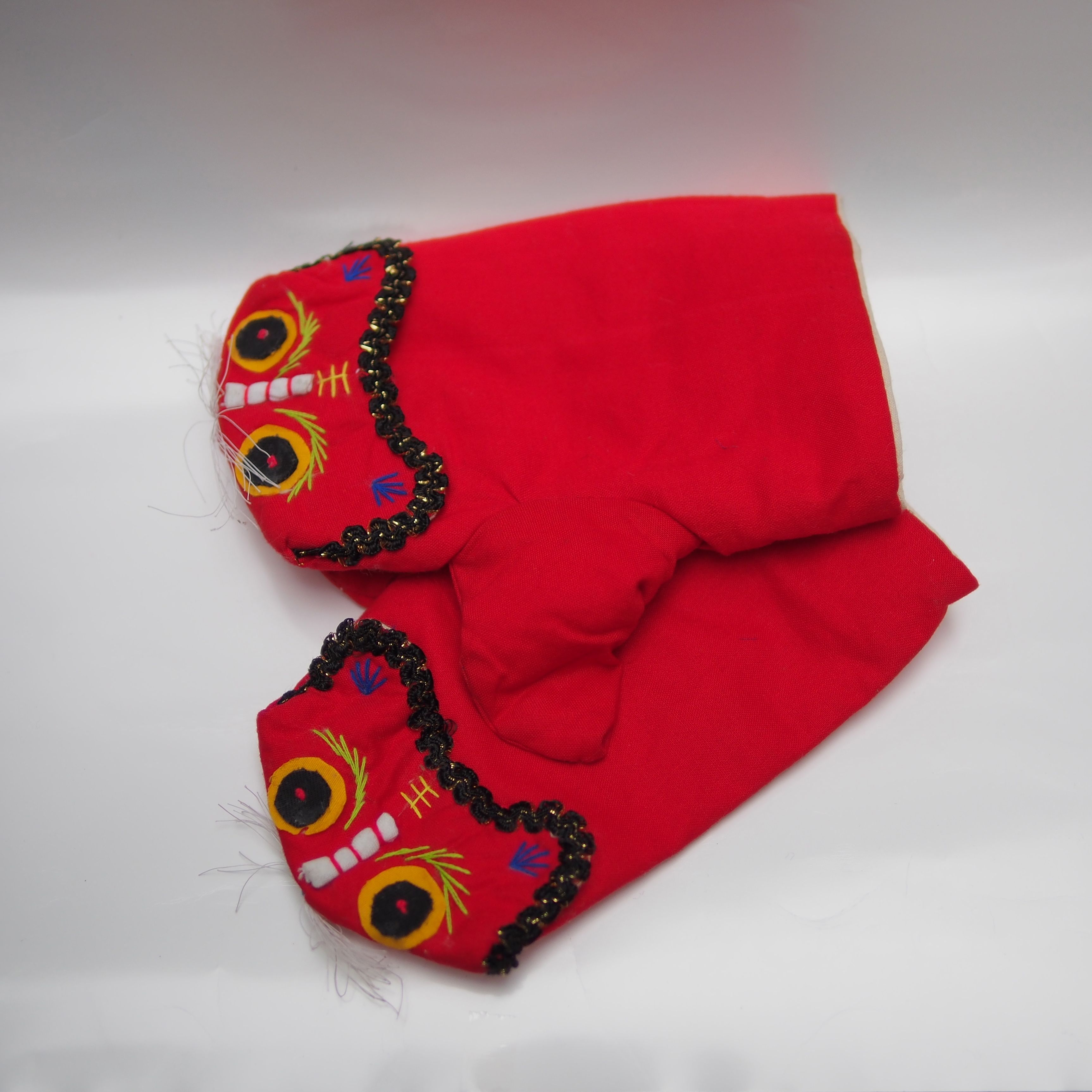
tiger mitten

W110xL180mm, China

In China, the idea of tiger is not seen as a threat but a sign of protection.  The strength and bravery of a tiger is aspired to; for the Chinese New Year, parents would dress the baby up in tiger gear, both as a protection blessing as well as a wish for their son to have the tiger’s attributes.

Apart from tiger mitten, there are tiger hats, tiger shoes, tiger du dou and of course tiger toys.

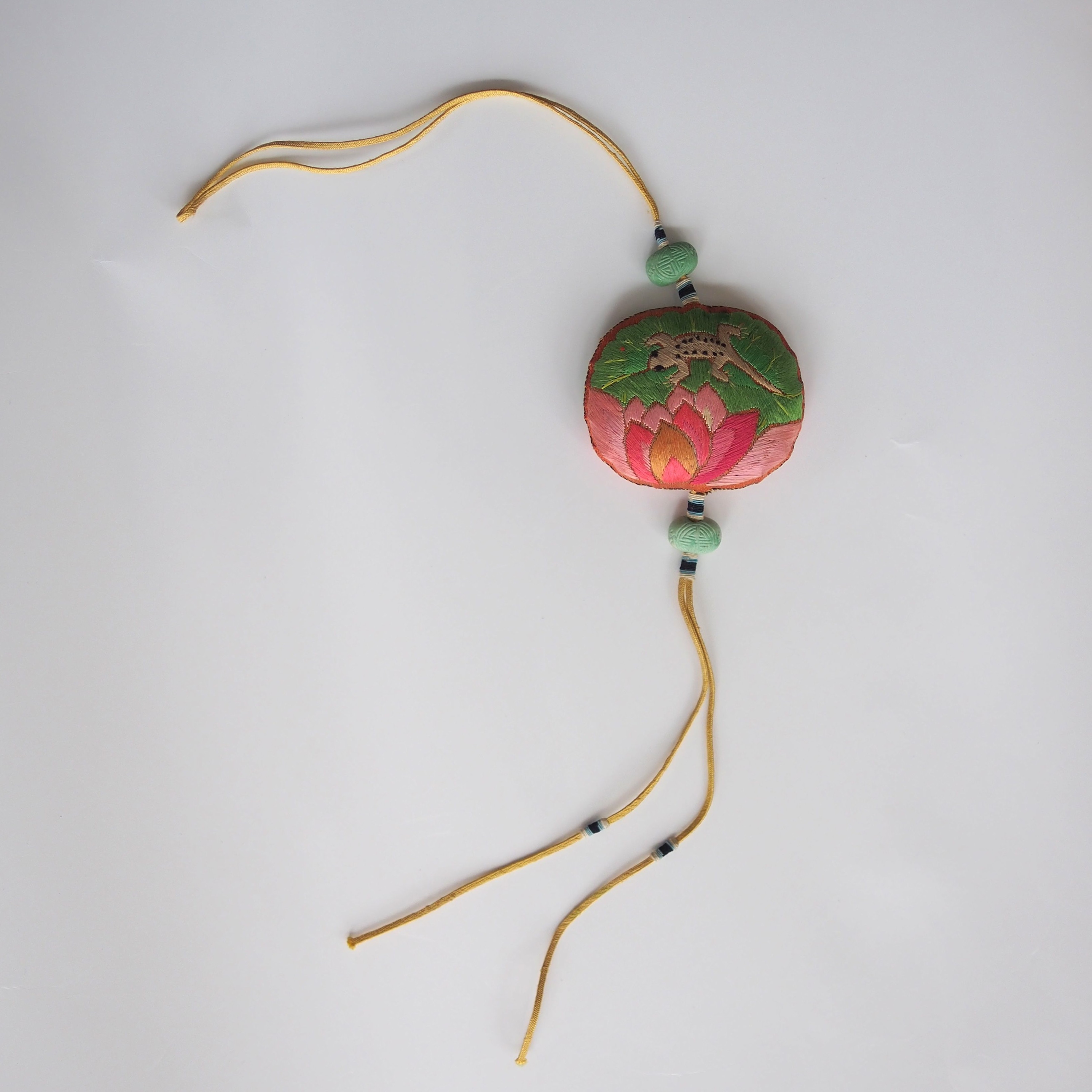
fragrant sachet

W60xL370mm, China

Tomorrow is the Duan Wu festival, the 5th day of lunar May, before Qu Yuan and the dragon boats came along it was a day for casting away the deadly famine.  In ancient times when science and hygiene was poor, it is believed that lunar May is the month of toxin and the 5th is the day of  evil and on this combination the day of death.  To avoid ailment one is to be purified by bathing and resisted on meat, alcohol and sexual activities.  A fragrant sachet would be worn by people all ages, the contents of the bag changes through time as hygiene improves and the taboo of the day of death becomes more remote, from the evil busting copper coins to the pesticide realgar powder, to the antiperspirant clam  powder to medicinal fragrant herbs.  From patchwork, the sachet was later decorated with embroidery; this particular on has on it a lotus and a lizard, lotus symbolizes togetherness with the lizard (one of the 5 poisonous creatures) offering it protection.

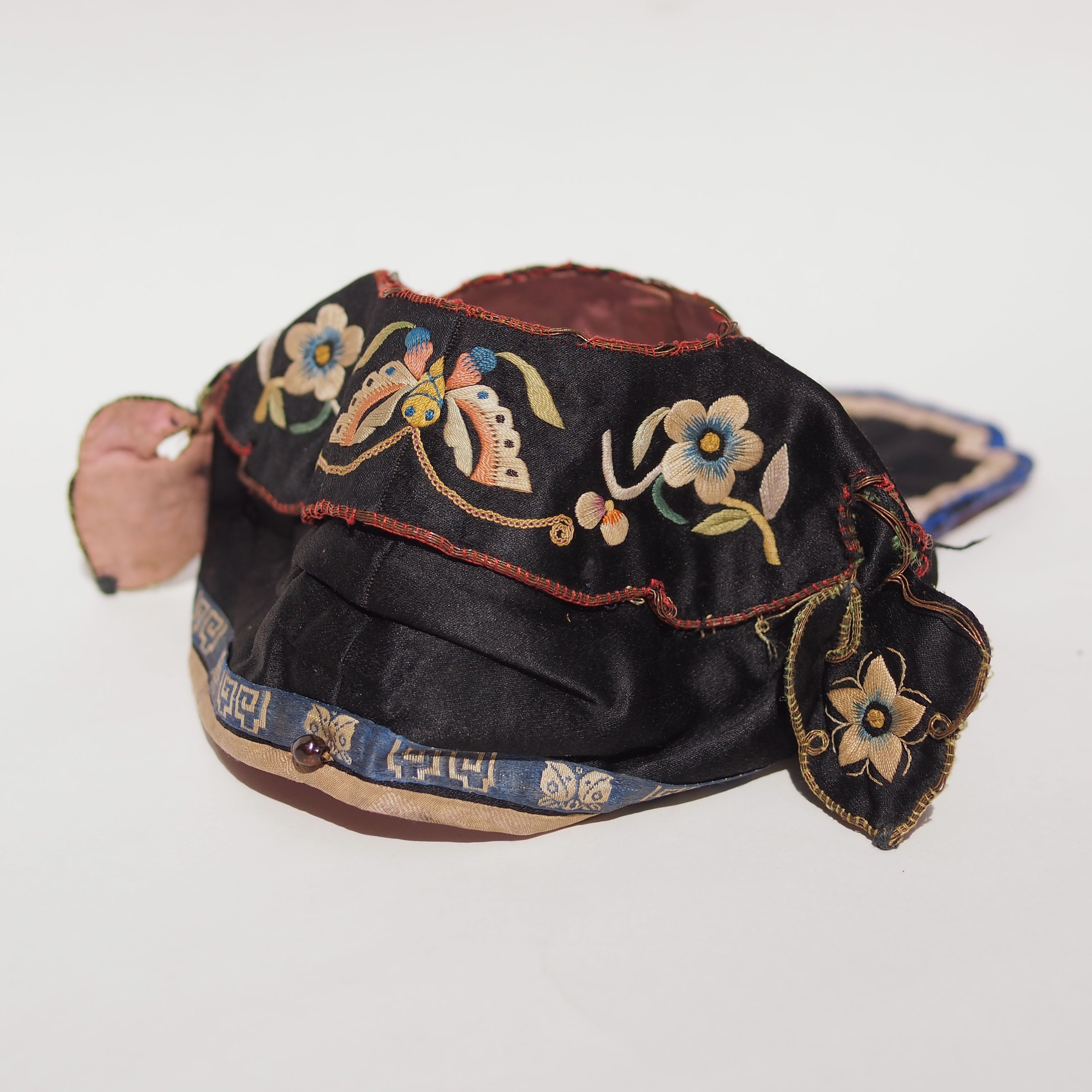
Baby HatDIA170xH100mm, China

This is a butterfly embroidery hat for a new born baby, before a child is born the grannies will prepare a hat for the new comer.  A tiger hat for the boy and a butterfly hat for the girl (there was no ultrasound then, so I suppose they will have to make one of each, just in case).  Butterfly symbolizes beauty, a wish for the family for the young baby girl.

maio bag

W300xL250mm, China

When I saw this bag,  I felt the tribal craft has really adapted to the new material and function.  Carrying on the bold embroidery tradition, it  has also made use of fluorescent beads and pom-poms, compartments for wallets and travelling pass.

silver neckwear


DIA180mm, China

Today we have something more traditional, part of the Dong tribe consume, a triple ring silver neckwear.  Together with the silver head wear, they are the most important part of their costume, passing down from generations.  There are many style for the neck ring, we found this particular one to be very modern and bold.

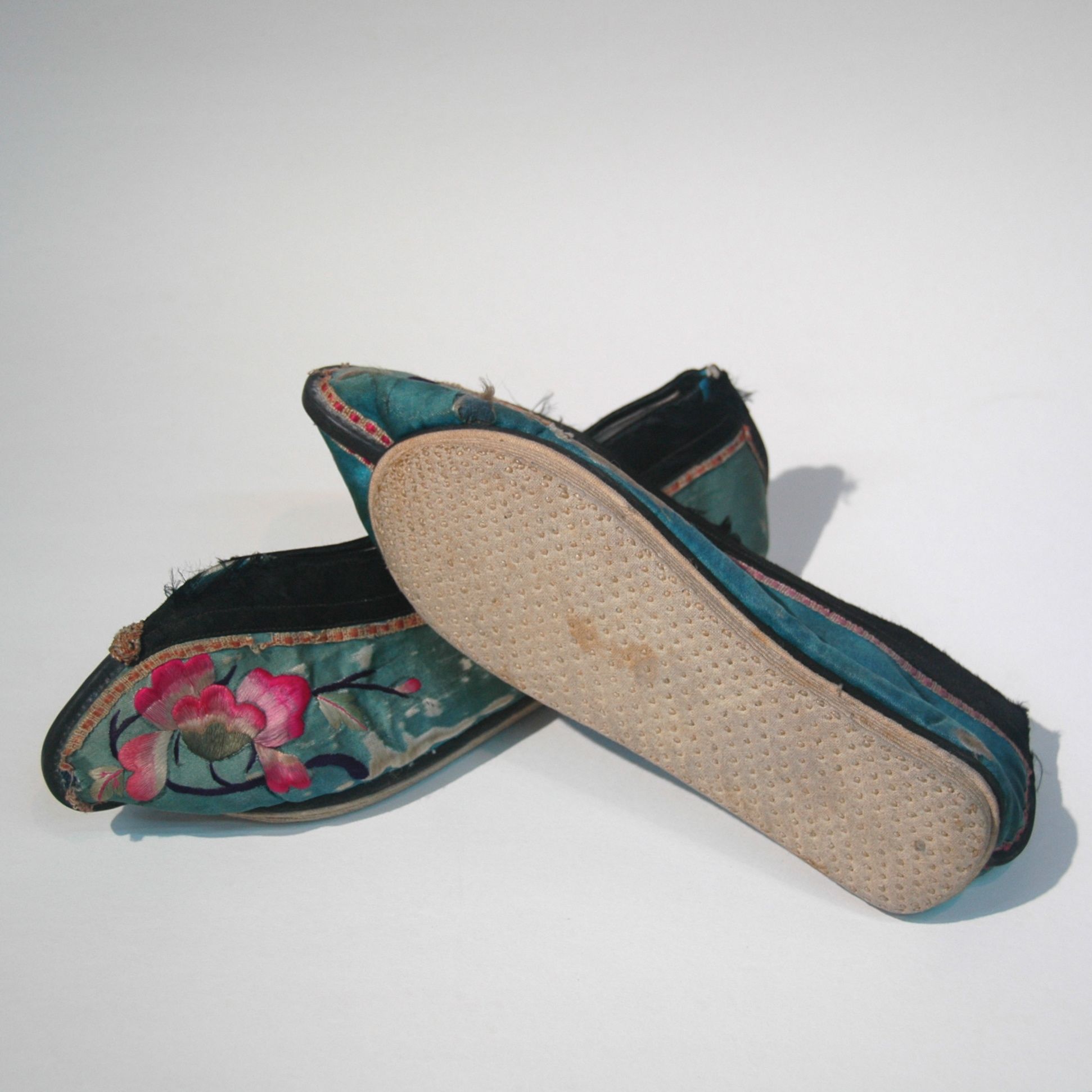
L250xW70mm, China

This is a pair of embroidery shoes of the Miao tribe (for more about Miao tribe shoes, see our earlier post, Embroidery Shoes).  Today I would like to concentrate on the cloth sole of the shoes which is entirely handmade.  Before rubber and leather sole became popular in China, most of the soles are made with cloth, it is a common household practice, even mother remembers making shoes for herself in her childhood.  Here is mom’s instruction:

  1. Save up old clothes and off cuts for a year, so materials are ready for making new shoes for Chinese new year
  2. Cook up some glue with water and rice flour (the Chinese version of wall paper paste)
  3. On a flat board, applied glue to the edge of the board, then stretch the a large piece of cotton cloth, apply a layer of glue over it.  On the second layer place smaller pieces of cloth, avoid any overlapping or gaps, apply a layer.  On the top place a large piece of cotton, avoid creases, applied glue over it.  Let dry for a night
  4. Use a newspaper to trace out the sole of the old pair of shoe, enlarge to suit.  Prepare an addition one for a size larger.
  5. Cut out from the dried cloth pile 6 pieces from the larger template (large filler – LF), 7 from the smaller (small filler – SF) one and 2 smaller pieces for the heel (H).  Put the pieces of the same size together, clamp them and give it a good trim so that they are the same size and shape.  Reverse the template and cut out the soles for the other shoe.
  6. Take a piece from the large filler and mount a piece of cotton, wrapped the edges over to the top.  This will become the bottom layer of the sole (BS), the piece that touches on the ground.  Take the other 6 larger fillers and stick on a cotton piping around it.
  7. Then places the fillers in the order; BS-LF-SF-LF-H-SF-LF-SF-LF-SF-LF-H-SF-LF-SF-SF-SF.  Stitch temporarily to hold them together, clamp it well and sew the edge with hemp string (you will need an awl for this).  Then make uniform and small stitiches (as seen in the photo) throughout the whole of the sole.
  8. The completed sole is then brushed with warm water and covered with a blanket overnight.
  9. The next morning, the sole is compressed with a mallet and air dried.
  10. Now the sole is complete, all you need to do is the upper shoes and of course the embroidery …