Archives for the month of: August, 2013

bamboo lacquer basket OLYMPUS DIGITAL CAMERA

DIA260xH320mm, China

A lacquered bamboo weaved basket which forms part of the dowry of the young bride and an essential household object.  These form of baskets are used for storing food before the arrival of the refrigerator.  Precious food item like fresh vegetables, fruits, eggs, would be placed inside the basket and hung under the beam of the kitchen.  The basket provide good airing and being suspended will stopped vermin from reaching the food.

OLYMPUS DIGITAL CAMERA OLYMPUS DIGITAL CAMERA

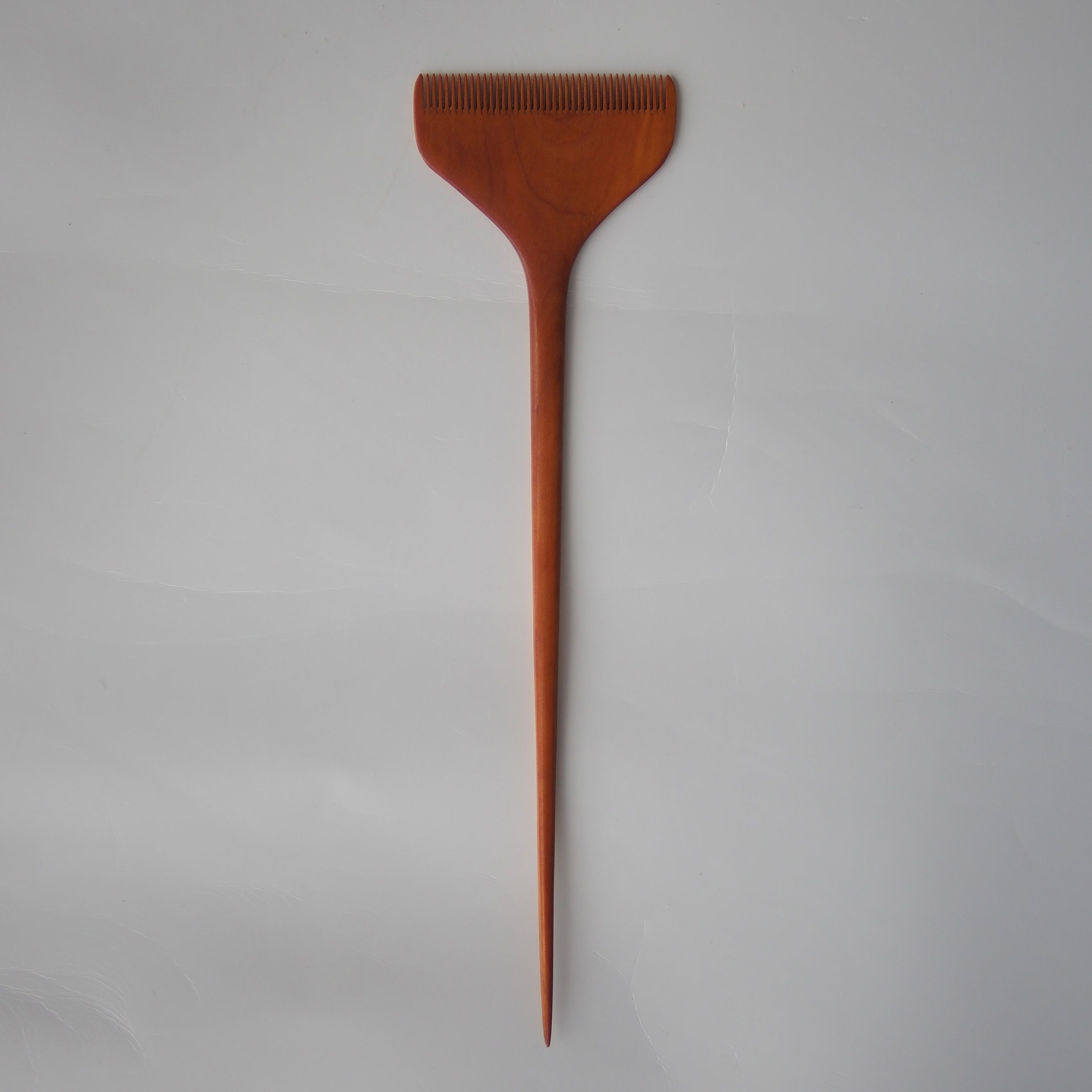
OLYMPUS DIGITAL CAMERAW45xL180mm, Japan

In today’s world, we often own only one comb and likely to be plastic, but for traditional Japanese coiffure there are many different types of comb (kushi) each having a different function.  The sujitate comb is a special tool for straightening the side and the back hair used by the Kamiyui (geiko hairstylist).

And this is how the comb is actually used.

monkey

W150xD50xH110, China

A roly-poly monkey toy.

The story goes like this; in the Sung dyansty, there was an additional of a baby boy to a wealthy household.  Precious and spoiled, he cried every night till dawn.  Worried that something was wrong, the family consulted all the well known doctors in town but cries continued.  One day, the father came home with a clay toy shaped with a rounded bottom and a small top.  The child pushes, it wobbles and bounces back, it amuses the child and the crying stopped.  The father believed that it was a blessing from god and had the figure of Guan Yin painted onto it, hoping it will protect his family from toppling.  Unfortunately, one day the child broke the clay toy in half, a bad omen the father thought but the clay cannot be put together again.  Cleverly, he used the broken toy as a mold and created a paper mache version and it became a popular folk toy in China.

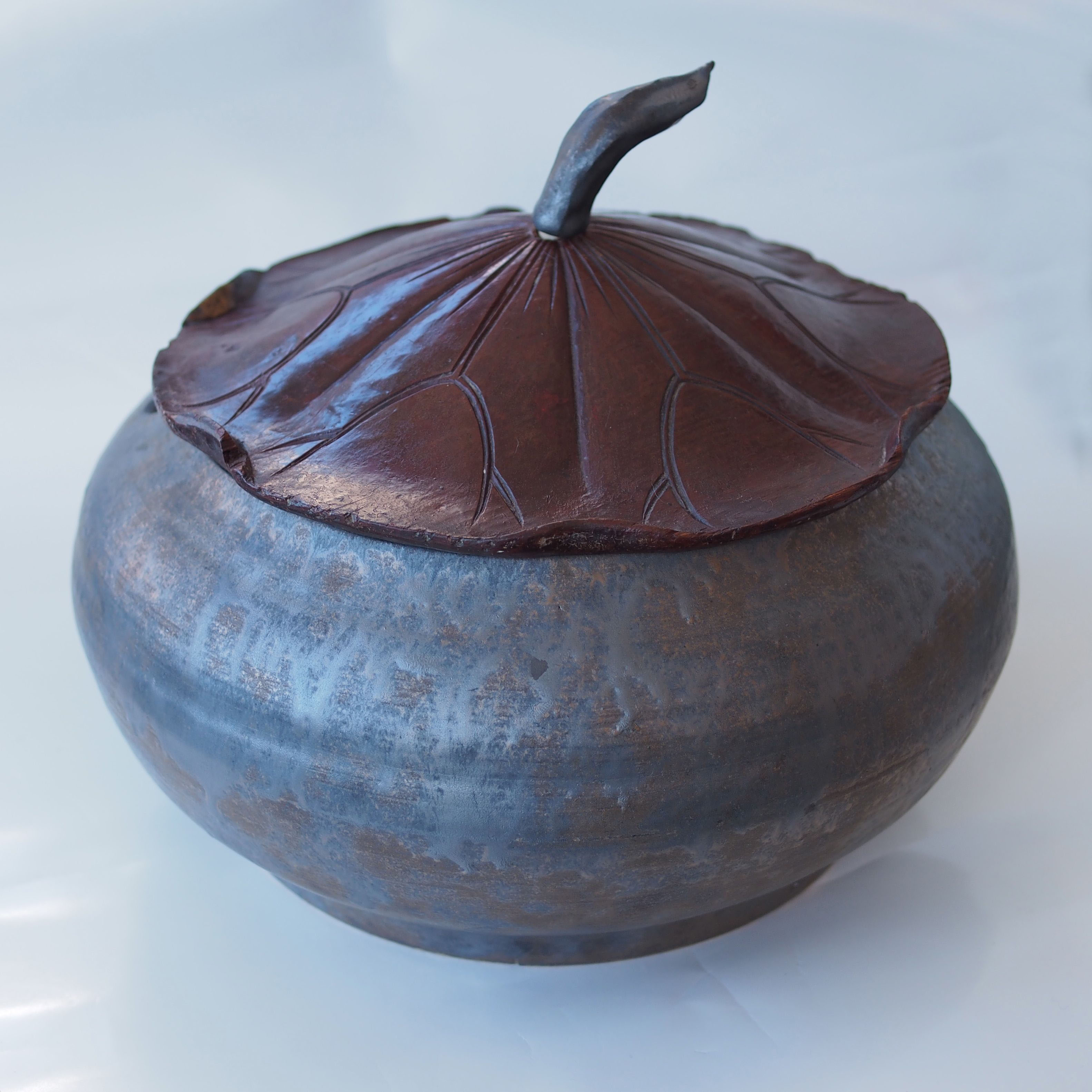
lotus leaf vessel

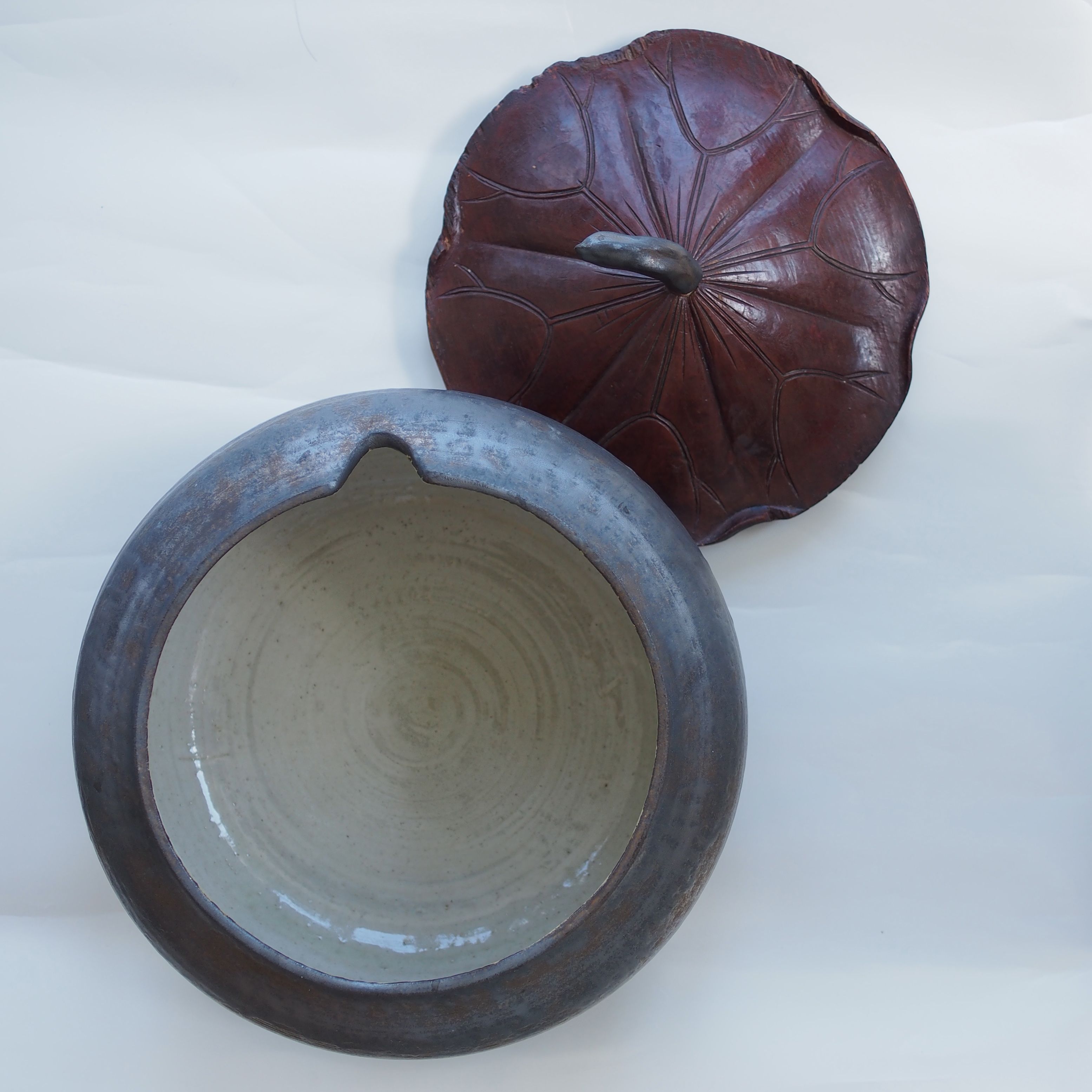
DIA320xH240mm, Hong Kong

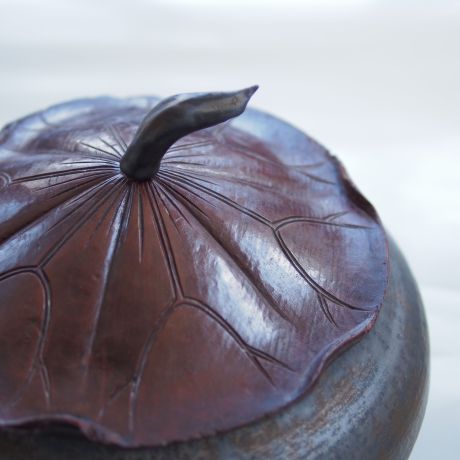
Remember the antique lotus leaf lid that was featured in last winter’s blog?  I started a pottery project of making a vessel to match the lid, after several versions this is the final version which I am most happy with.  It is ideal for serving soup and of course lotus leaf rice.

OLYMPUS DIGITAL CAMERAlotus lid

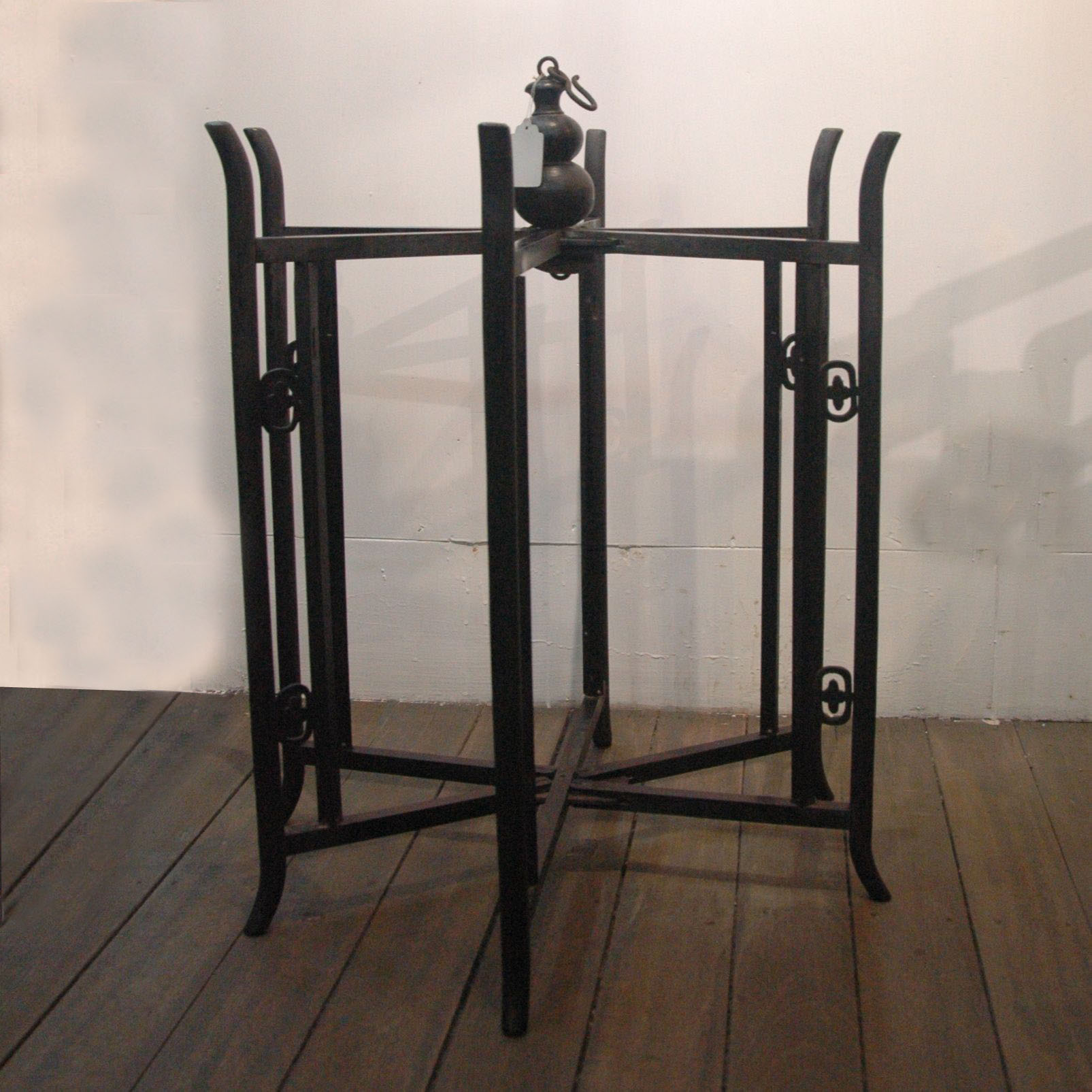
court lantern DSC_0203

DIA800xH800mm, China

It is believed that the first court lantern was made for Emperor Liu Xiu, 23 A.D., after successfully unifying the country he held a large banquet in the palace, decorated with ribbons and lanterns.  Until the Sui dynasty, the court lantern is restricted for the use in the palace.  On the coronation of Emperor Wen, 590 A.D., the city Lou Yang held a bit celebration with nightly banquets, operas and court lanterns hanging throughout.  Since then, on the day of  Yuan Xiao every family will hang up court lanterns on the main beam of the living room.

This is the wooden frame of the lantern, a decorative silk or glass panels.  The frame can be folded up nicely for storage till the next Yuan Xiao festival.

oil lampW90xD60xH200mm, China

 A figurine of a boy dressed in a du dou, a long life locklet and lifting a bowl on top of him.  The bowl is the oil container for the oil lamp while the boy being the stand.  The name of the lamp, “Boy Raising A Lamp” (童子舉燈) signified however, the lamp is referring only to the container itself.  This is a popular theme for Chinese oil lamp, of different material and for pottery different kilns.  This figurine is an example of the Ci Zhou kiln.  The name 童子舉燈 “Tong Zi Ju Deng” is taken as a blessing for the child of the family, the first three words 童子舉 is a name for a official tang dynasty exam for the gifted child of under 10 years of age, while the word 燈 “deng” is a homonym to the word 登”deng” meaning ascend, achieved.

felt hat

RIM DIA220mm, China

This felt hat is part of the Beijing Opera costume, it is one that is worn by the Chou (clown) character.  Within the clown category, it is separated into the fighters and the intellectuals (I guess for clowns, this would mean the non-fighters).  This hat is used by a type of  intellectual clowns known as the Towel Clown (Jin Zi Chou) in the role of an old and amusing man.  The most famous of the Towel Clown is Chong Gung Dou, the old guard who helped the loyal prostitute Su San to escape.

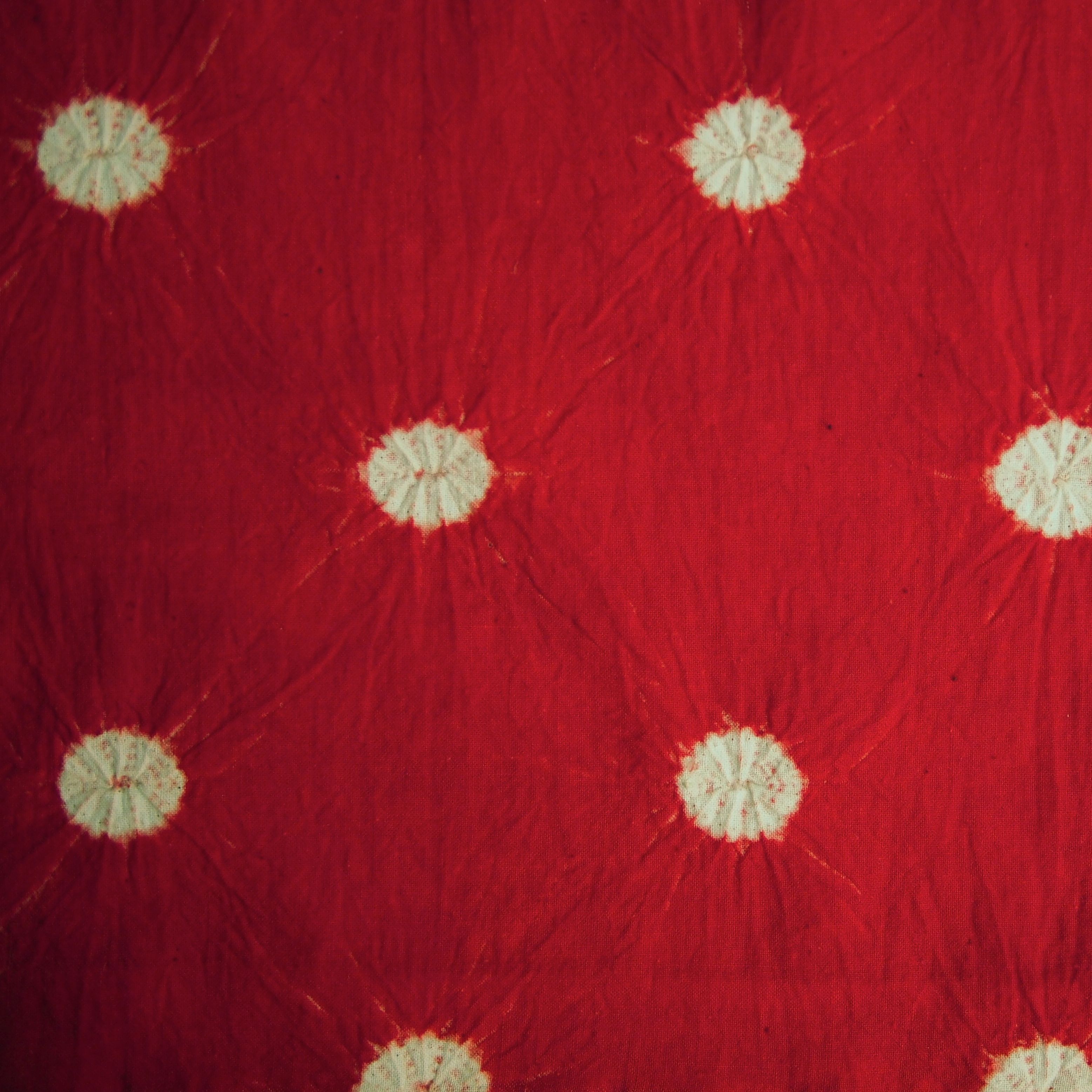
Tie DyeTextile Width 1140mm

This is a piece of tie dye fabric, the folds created by the tie is still visible on the cloth, like the sketch mark on a drawing.  For me, these marks of process are very subtle and touching.  There is a sense of human creativity verse the now computer aided design products.

To see the making of tie dye fabric click here.

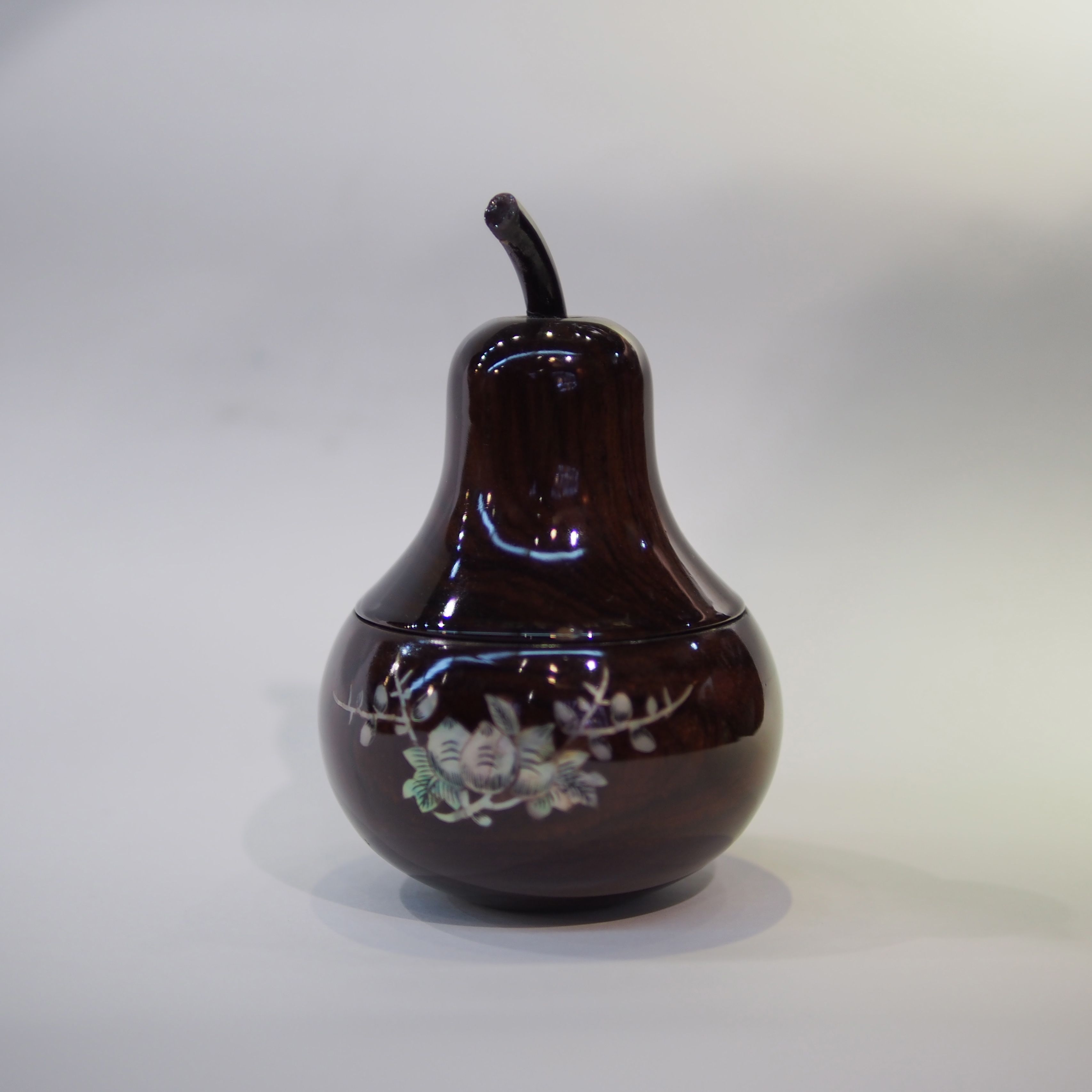
pearDIA90xH140mm, China

The craft of mother of pearl inlay on lacquer began in the Sung dynasty.  Turbo marmoratus (great green turban) shell are polished down to a thickness of 0.5mm, then cut into point, lines and planes, these are then inlay onto the container before lacquer is applied.  Click here to see the elaborated process.

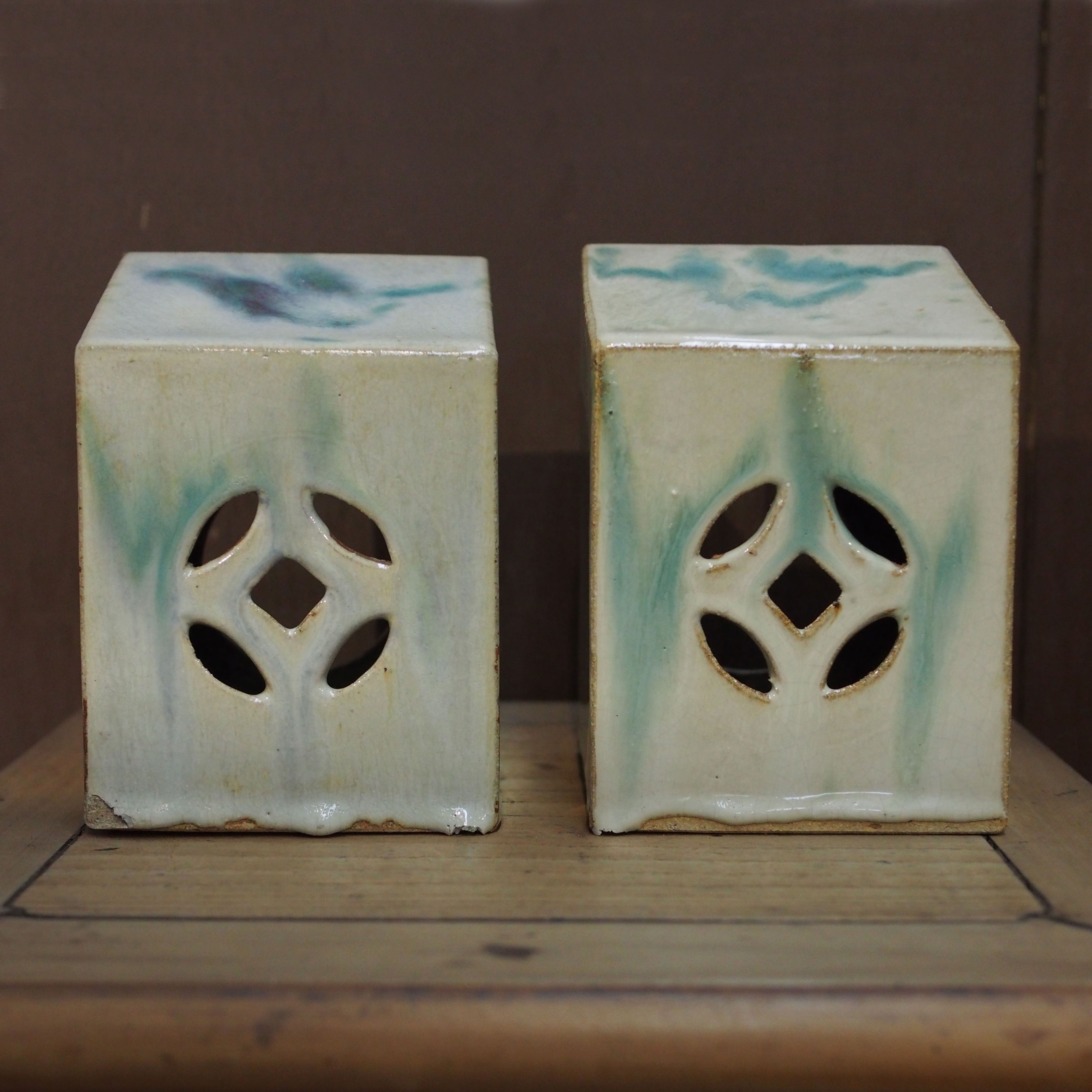
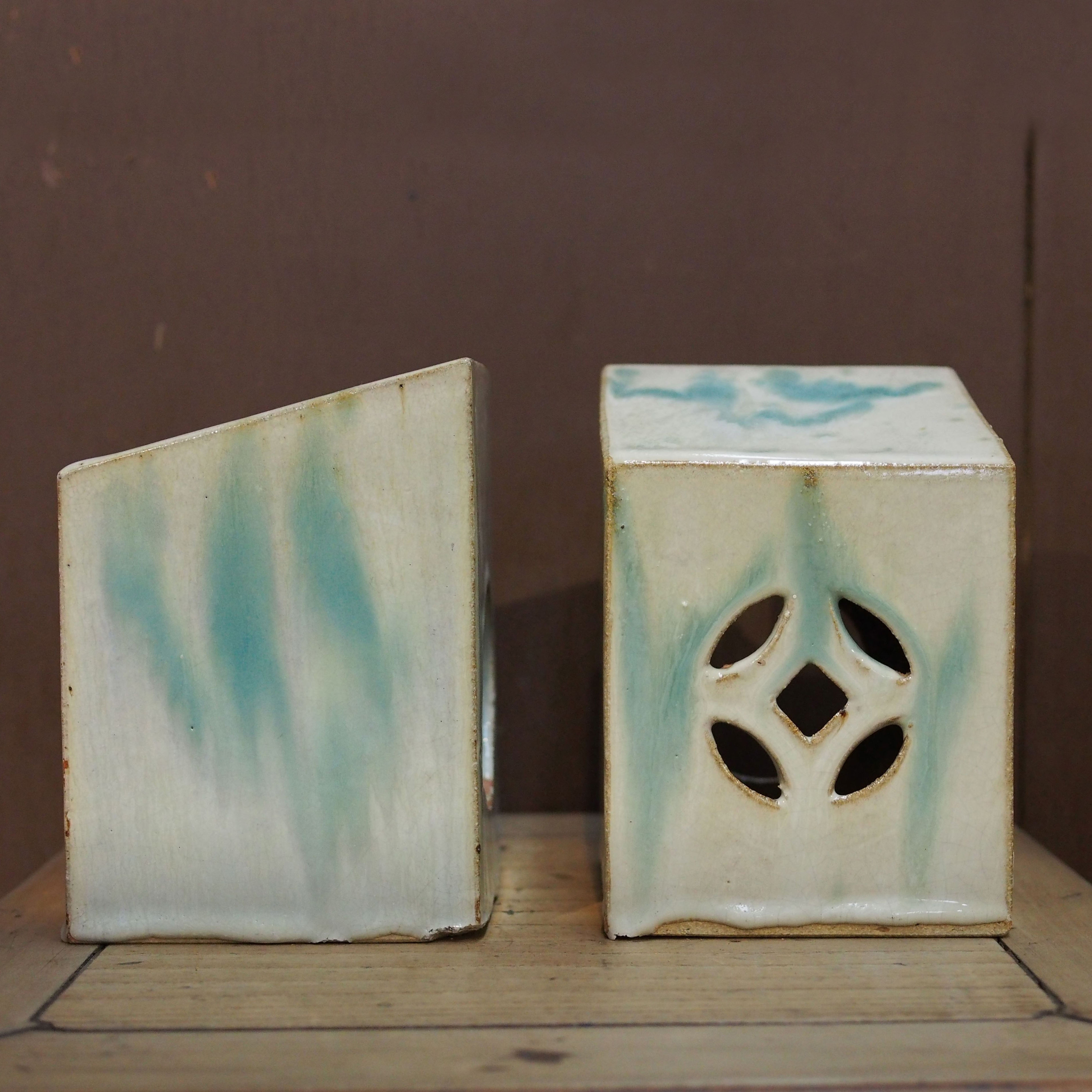
pillowpillowW120xD130xH180mm, China

This pair of very architectural objects are in fact a pair of ceramic pillows!  They have a running glaze which is typical of the Shi Wan kiln,  used for smoking opium, the airing holes which forms a pattern of an antique Chinese coin are used for ventilation, helping to keep the pillow cool.  I probably would not be able to be parted from the Tempurpedic but these would make lovely book ends.