Archives for the month of: January, 2012

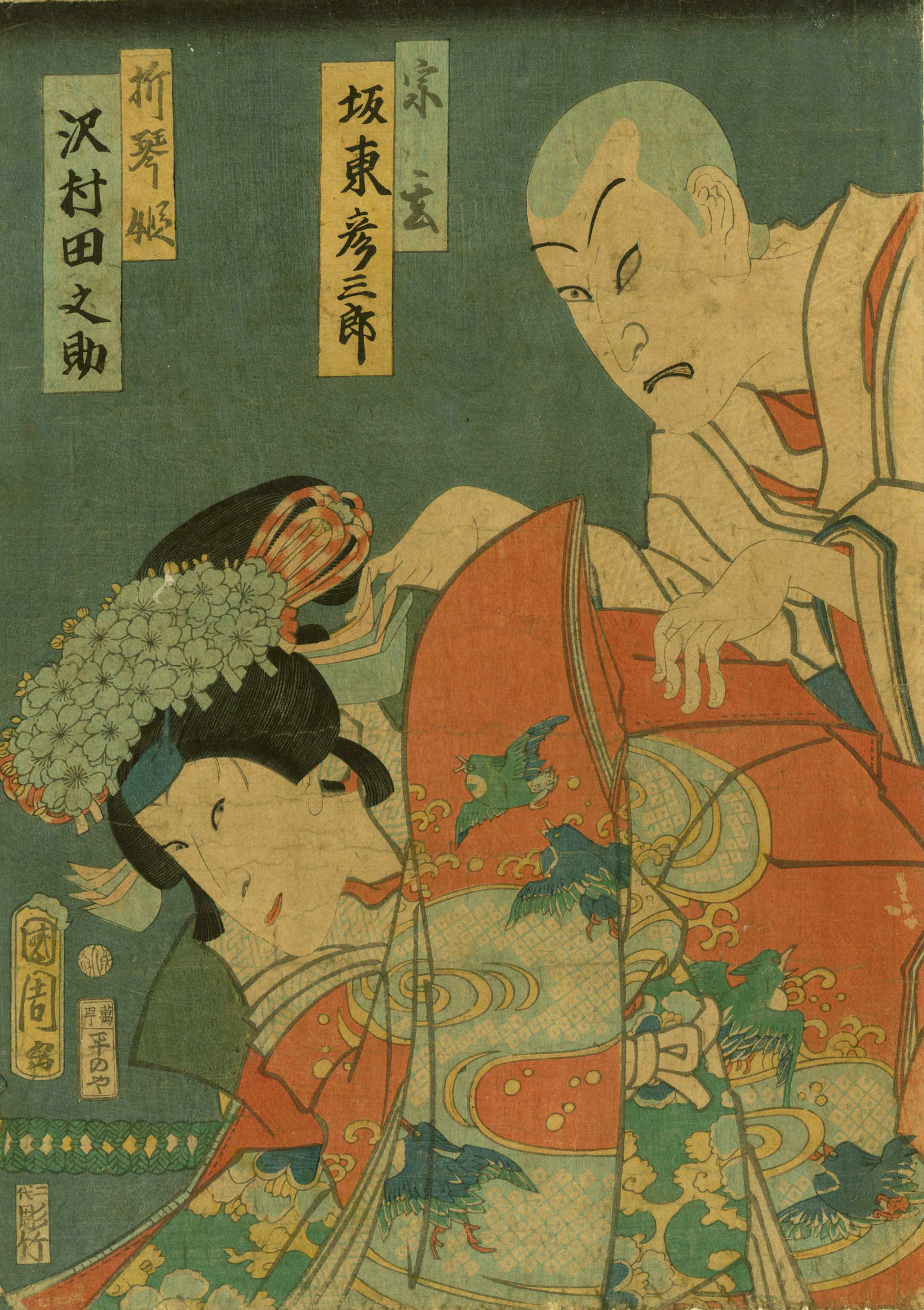
W240xL360mm, Japan

This is a Japanese wood block print by the artist Kunichita, published in 1862 by Hiranoya.  Kunichita was the founder of the Toyohara School and was one of the most famous ukiyo-e artist of his time.  His love with the Kabuki theater led him to work on ukiyo-e actor prints (prints of the kabuki actors and scenes from the popular plays).  In 1867, he was commissioned by the Japanese government to produce 10 pictures for the World Exhibition in Paris.  This exhibition strengthen the Japonism influence in the European art world.

This print is about the Kabuki play where monk Sogen (played by Bando Hikosaburo) became infaturated with the beautiful courtesan Orikotohime (played by Sawamura Tanosuke).  For this Sogen was expelled from the temple, tragically  Orikotohime died and he was left alone.

DIA150xH120mm, Hong Kong

The perfect mystery gift!  This ceramic coin jar has been completely packed with coins and notes and used to belonged to a great grand aunt of mine who passed away in the 80s. For the family it seems to be a waste to break this time capsule, the pieces we managed to wiggle out from the top are a 1 dollar bill of 1959 and 50 cent coin of 1965, see the very young Queen’s portrait?  The current Hong Kong bills are of course without the Queen’s head.

DIA120mm, China

Yesterday we talked about a representation of  the Xiu Qiu on wood carving (see Golden Wood Carving-01/08/2012), here is the real thing.  The legend behind the Xiu Qiu is a love story; some 800 years ago in the old town of Jing Xi, Ah Di was in love the with girl Ah Xiu of the neighboring village.  One spring, when Ah Xiu was shopping in the market, a rich arrogant brat had his eyes on her and want her as his wife.  Ah Xiu turned down the proposal because of her love for Ah Di.  When the wealthy guy was furious and bribed the court to give Ah Di a death sentence.  Ah Xiu was blinded by her tears but she decided to make a xiu qiu for Ah Di as a keepsake.  Before the execution Ah Xiu visited Ah Di at the prison and gave him the xiu qiu as a gesture of her love for him, at that moment the siu qiu lighted up and transported both of them to a place far away from their villages.  And of course, they lived happily ever after …  Since then it became a popular keepsake.

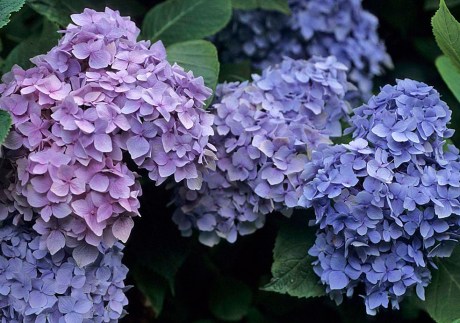
For its resemblance, the Chinese has also named the Hydrangea as the Xiu Qiu flower.

L180xD70xH70mm, China

There are many themes for the gold plated lacquered wood carving (so many verbs, but there there are so many layers layers to the work); floral and symbolic carving is one of them.  The two symmetrical flowers are peony, representing wealth and glamour.  The center piece is xiu qiu (embroidery ball) which is a blessing symbol for love.  Many year ago when public dating are forbidden, the girl would select the groom by throwing the xiu qiu.  On the 15th of lunar January / August, the suitors would gather under the ladies’ quarter, the girl would throw the xiu qiu and whoever catches it will be the groom.  This carving is likely to be part of the decoration from the bridal sedan.  (see more about xiu qiu)

DIA150xH300mm, China

Gourd is kind of squash, its latin name is Lagenaria Siceraria, traditionally the Chinese view it as an icon of blessing.  It has been with the Chinese culture for a long long time, its seeds were found at a Zhe Jiang 5000BC archaeological site, the hollowed out dried skin is probably the first liquid container used before pottery and bronze.  It is also commonly used in the old days to store medicine, there is an old say, “wonder what kind of potion is stored in this gourd” meaning a suspicion of someone up to something.

The gourd used for the basket is not of the common “8” shape (see entry Small Gourd) form but a more rounded shape, which is a species from Japan.

W90xL260xH120mm, Borneo, Indonesia

This is a buffalo horn rice spoon decorated with a bird as a handle.  This combination reminded me of legend.  A long long time ago like all animals the water buffalo has both the upper and lower teeth in his jaw.  One day, minding his own business munching the grass as he does all day long, hidden in the grass there is a tiny bird with a beautiful tail.  Not seeing the bird, the buffalo accidentally stepped on the tail of the bird, the bird squeaked and while the buffalo bend down to ask what has happened, the bird’s wing knocked out all the teeth out of his upper jaw.  Both upset with each other, they cast evil spell on each other, the bird for all the buffalo never to have upper teeth and the buffalo for the bird to have the tail fell off.  The bird is the pimpikau of Borneo which has no tail and a lack of feathers at the butt and of course now the water buffalo no longer has any upper teeth.
Is this true that water buffalo really have no upper teeth?  Someone please confirm this?

China

This is part of the armrest detail for the Chinese wooden furniture.

Come check them out!

W150xH200mm, Indonesia

This is the Java mask for the Ramayana epic character Sugriwa , the king of the monkeys.  The monkey kingdomm Kishkindha was ruled by Bali, Sugriwa’s brother, one day a demon came to challenge a fight with Bali.  Seeing blood from the demon’s mouth and that Bali not returning, Sugriwa thought his brother has died and took over the kingdom.  Bali however returned unharmed and suspected Sugriwa has betrayed him, took Sugriwa’s wife Tara and banished him from the kingdom.  During his exile, Sugriwa made friends with Rama whose wife Sita was captured by the demon Rakshasas.  Sugriwa and Rama made a deal to help each other, Sugriwa to take revenge of Bali and Rama to save his wife.  Sugriwa challenged Bali and a fight started, midway Sugriwa’s counsellor Hanuman to place Garland of flower around Sugriwa’s neck.  Rama took the chance and shoot Bali at the heart.  After Bali’s death, Sugriwa took over the kingdom and forgot about the promise with Rama.  Rama’s brother Lakshmana was upset and was planned to destroy the monkey kingdom and to kill Sugriwa.  Luckily Tara reconciled Rama and Sugriwa.  Hanuman found out the location of Sita and with joint forces Sita was free.

L300xW120xH400mm, China

Deer is a symbol of blessing in China; deer in Chinese sounds like “lu” which means fortune and the salary for a emperor’s officials.  This is a bamboo weaved deer container, zoom in closer and you will appreciate how the fine bamboo threads are.

W600xL600mm, China

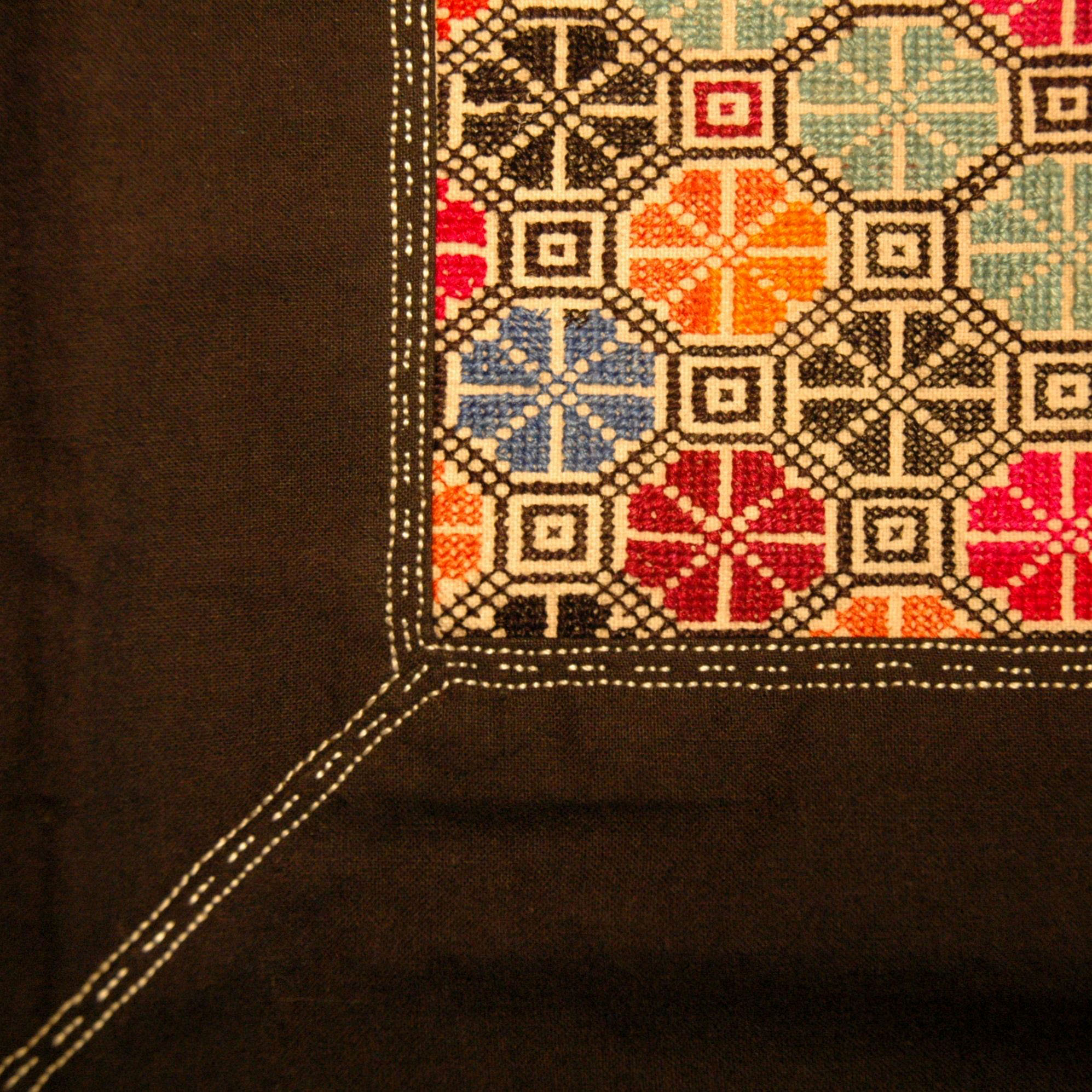
This Miao embroidery started its life as a traditional baby carrier.  The cloth baby carrier was once very popular, looking at old photos I too have spend some time wrapped up in a much less elaborated version of it.  For those who are not use to carrying baby around with belt and cloth, the Miao has converted the embroidery as a cushion cover.  The embroidery is made with cross stitch, a basic stitching of the Miao.