
SOMETHING OLD SOMETHING NEW
COLLECTIBLE JEWELLERY COLLECTION
This is a coral necklace, but dont they just look like red hot chilli?
SOMETHING OLD SOMETHING NEW
COLLECTIBLE JEWELLERY COLLECTION
This is a coral necklace, but dont they just look like red hot chilli?

DIA165mm, Hong Kong
A simple necklace with a handmade millefiori bead. The making of a millefiori bead is though not as simple …
COLLECTIBLE JEWELLERY
SOMETHING OLD SOMETHING NEW

W130xD70xH400mm, Thailand
Tomorrow is the 2557th birthday of the Buddha, Vesakh, a holy day that commensurate the birth, enlightenment and death of Gautama Buddha by Buddhist all over the world. The date of the celebration differ slightly throughout the different countries, 8th of lunar April, in Thailand for example, Vesakh is on the 24th May.
On this special day, the devoted Buddhist will observe the 8 Precepts:
If you happen to be in Hong Kong, join in the celebration.
ASIAN FOLKCRAFT COLLECTION
SOIL X MOUNTAIN FOLKCRAFT
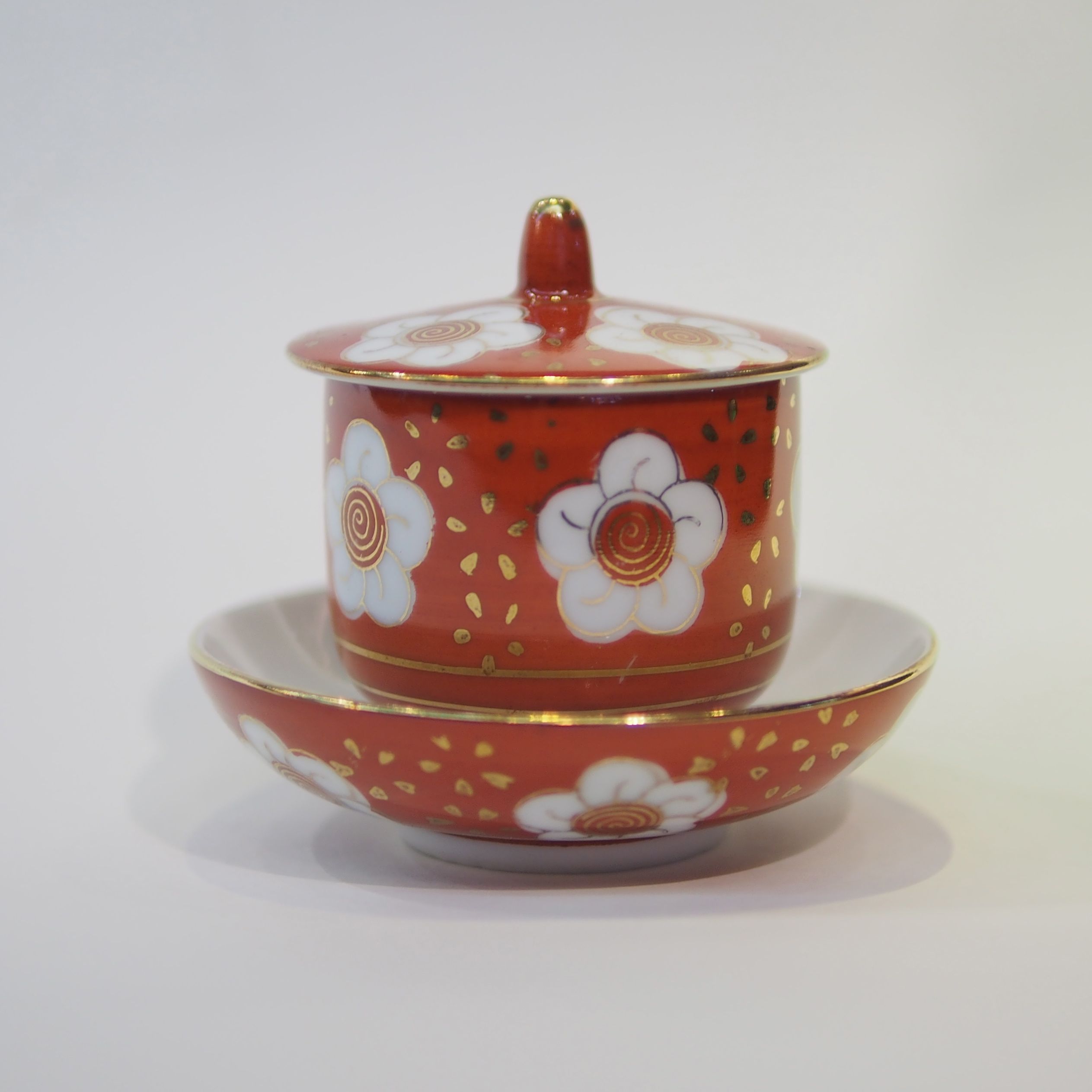
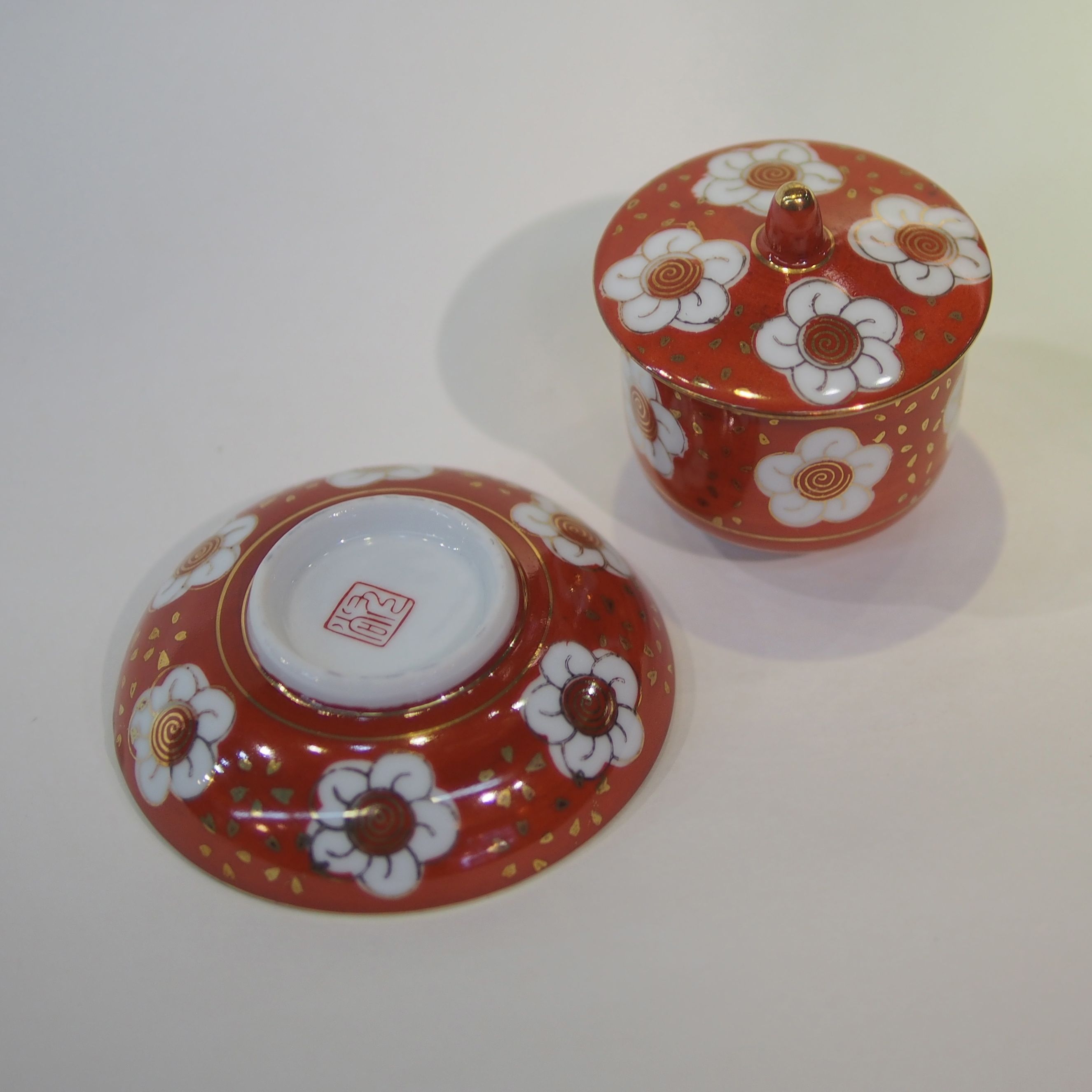
DIA90xH90mm, Japan
Kutani Ware (九谷燒) is one of the representative Japanese Iroe (multicolored over the glaze) porcelain produced in Kanazawa, Komatsu, Kaga, and Nomi city in the southern part of Ishikawa prefecture. It’s traced back to 1650’s in the Kutani village.
There are 3 periods in the Kutani Ware’s history: Ko-Kutani, Saiko Kutani, and Kutani. The ceramics of the three eras are all renowned and highly valued.
The ceramics produced in the first 50 years are called “Ko-Kutani,” literally meaning old Kutani. They consist of five colors, blue, green, yellow, purple, and red.
This is an item from SOIL for the ASIAN FOLKCRAFT COLLECTION
SOIL X MOUNTAIN FOLKCRAFT
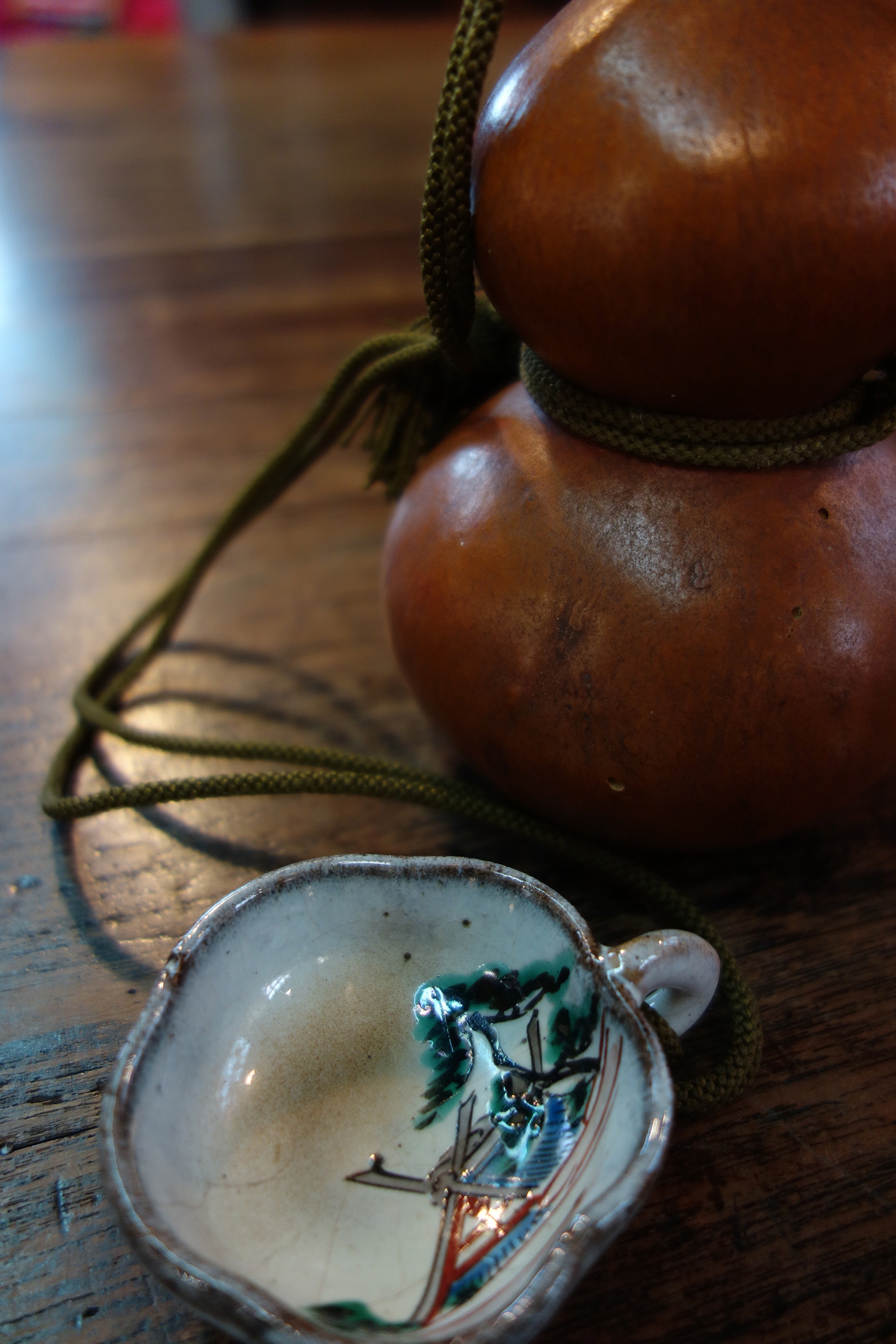 DIA70xH130mm, Japan
For the Asian Folkcraft Event, we have from Soil a Sake hyotan container with its own cup! A more poetic version of the whisky flask.
Hyotan (Gourd) is a symbol of good luck. This Japanese hyotan gourd is used as handy sake vessel, and complete with a stopper and a ceramic sake cup. The cup is delicately made, and has a hand painted and gilded decoration depicting a village scene, with a traditional Japanese architecture and pine trees in the background.
Watch this video and find out how gourd could become so useful for wilderness survival.
Here are other gourd items in the shop;
Large Gourd, Small Gourd, Gourd Cricket Cage, Gourd Basket.
 W60xL140xH90mm, Japan
Though tiger is not native to Japan, its worship has started before the first tiger was imported from Korea some 400 years ago. The figure was generated from painting, tales and imagination, it is believe that the tiger is a symbol of strength and health. This is a paper mache tiger with a noddy head.
Here is a collection of the paper mache tiger wood block print by Shirayanagi Eiichi (http://www7b.biglobe.ne.jp/~kokakuro/essay/110619shiroyanagi/toratoratora.htm to see the complete description)


W200xL310xH20mm, Myanmar
According to Burmese astrology, there are eight days in a week. They are Sunday, Monday. Tuesday, Wednesday (till noon), Rahu (Wednesday afternoon till the next morning), Thursday, Friday and Saturday. Burmese people believe that the astrological day a person was born is a great determinant in his or her personality and life. For example, a person born on Monday would be jealous; on Tuesday. Honest; on Wednesday, short tempered but soon calm again; the trait being intensified on the so called eighth day of Rahu; on Thursday, mild; on Friday, talkative; on Saturday, hot tempered and quarrelsome; and on Sunday, miserly.
Burmese also believe that interpersonal relation between people is also determined by the day they were born. For example, Monday born and Friday born would not get along well while Monday born and Wednesday or Rahu (Wednesday evening) born would get along very well. At the pagodas in Myanmar, there are always eight planetary posts build into the pagoda structure, with the representative animal symbols, where the believers could donate offerings at their respective planets to influence the appropriate powers.
These astrological symbols are often depicted on traditional Burmese lacquerware. The lacquered tray shown here is decorated with brass wire and the symbols are delicately made by palm skin.
This is one of the many Burmese lacquer ware from the SOIL collection, come check it out at the Asian Folkcraft event on at Mountain Folkcraft!
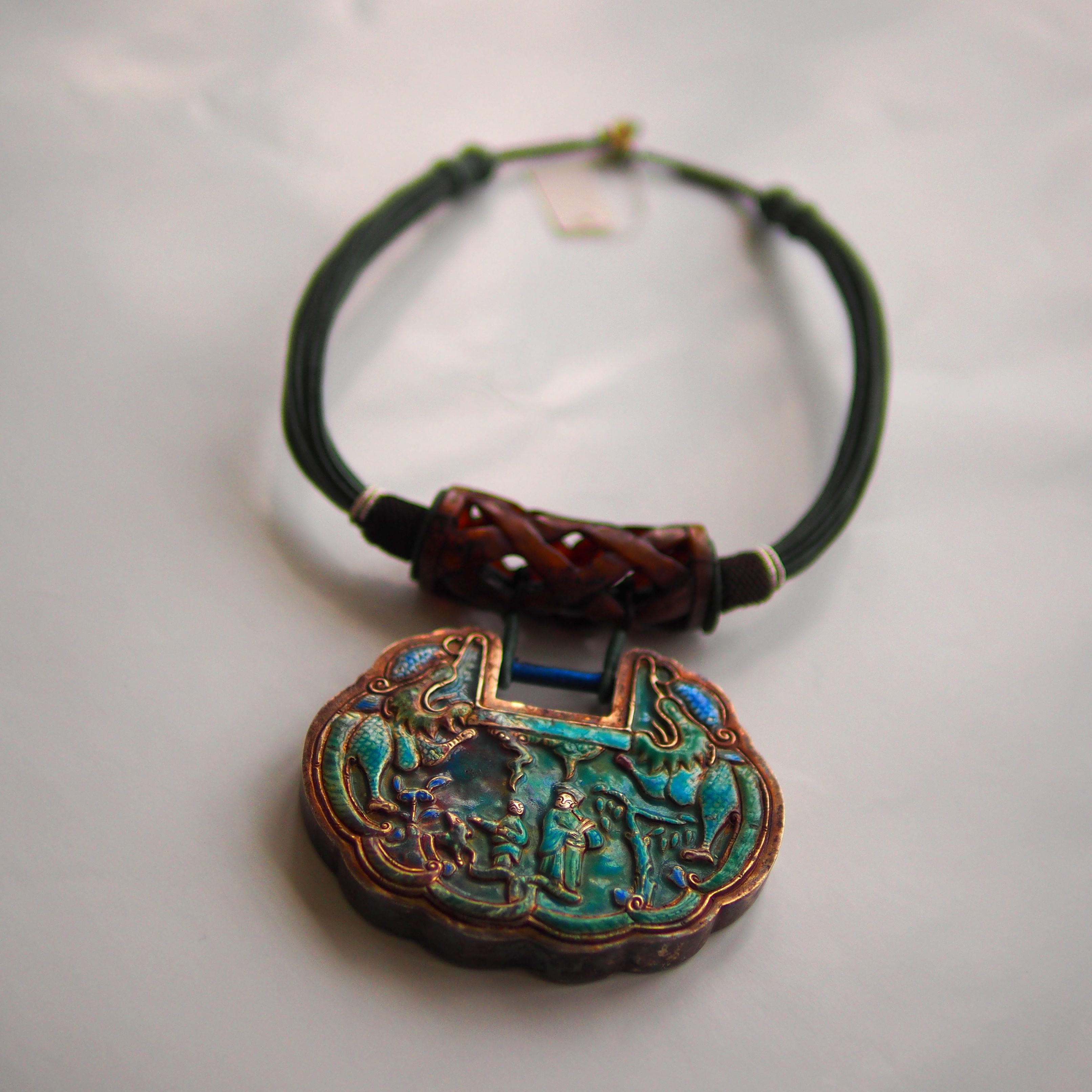
DIA165mm, China
We have previous talked about the long life lockets as a blessing for the young, more detail can be found in the posts;
Silver Necklace, Kirin Boy Necklace, Happy Encounter Necklace, 13 Tai Bo Locket, Original Long Life Locket and others items such as Du Dou Embroidery, Clay Doll – A Fu.
This particular locket has been glazed with Beijing enamel, shao lan, a vitreous enamel process used typically for silver jewellery. The powder enamel was melted at 600c to set on the silverware, cooled and reeapplied for 4-5 times. Because of the low temperature firing, the different ingredient, the Beijing enamel is more transparent than the popular Cloisonne.
The technique was introduced from Europe in the late 17th century and like all novelty only restricted for court production. By late Qing dynasty silver items of Beijing Enamel can be found in silversmiths.
This necklace has a hand woven string, with the silver locket anchored with a jade carving tube dyed traditional technique. On the locket, there are two kirins on either side with the word of blessing – Fortune and Career


Something Old Something New
Collectible Jewellery
 DIA165mm, China
Something Old Something New
Collectible Jewellery Collection
Fish jade pendants have been popular since the Neolithic period, Zhou, Sung, Ming, Qing dynasty and it continue till today. Fish was the probably the first stable food source before the invention of primitive farming and was chosen as an early subject matter. As linguist developed, it also attended as a symbol of “surplus“. In the Tang dynasty, it had even been prescribed to Concubine Yung Gui Fei for cooling the dry summer heat – by sucking on one jade fish a day.
The fish on this necklace are attached to the beautifully pleated collar.


DIA200mm, China
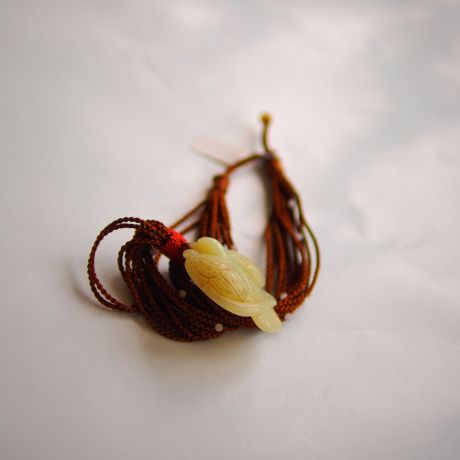
The pendant of this necklace is the partridge, “Chun”, the Chinese believes that this special bird comes from the same family as the Phoenix. Looking at the video … its probably a very very distant cousin …
The “Chun” first made its name in the Warring State period as a gourmet dish, by the Tang dyansty it is used in bird fighting. It made its name by the Sung dynasty as a popular subject for painting. One might wonder with its physique managed a place in the subject of the art world. It has to do with the word “Chun” sounds like “An” which means peace, ease and together with the other elements in the painting symbolizes longevity, settle, etc. The subject matter extended from Sung dyansty all the way to the Qing dynasty.

 Mountain Folkcraft