Archives for posts with tag: stone

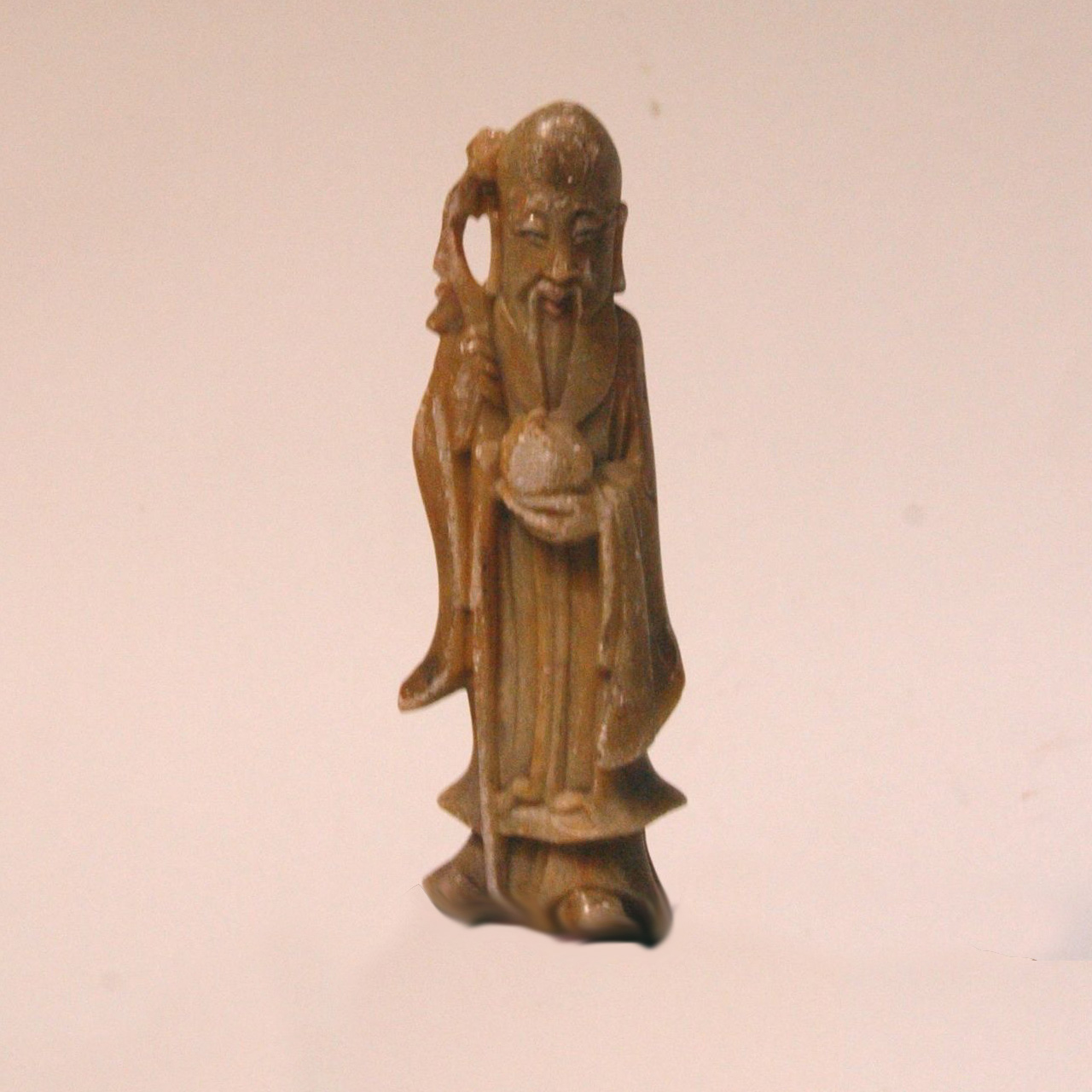
W40xD20xH120mm, China

This is a figurine of the God of Longevity in an early post.  You might notice that he is always carrying a long cane; this cane came from the state banquet held for all the OAP (the 70+) in the East Han dynasty.  The emperor had the cane specially made for all those who attended the party, the cane symbolized the privileges that were awarded to the elderly.  The head of the cane was decorated with a turtledove thus its called a turtledove cane.
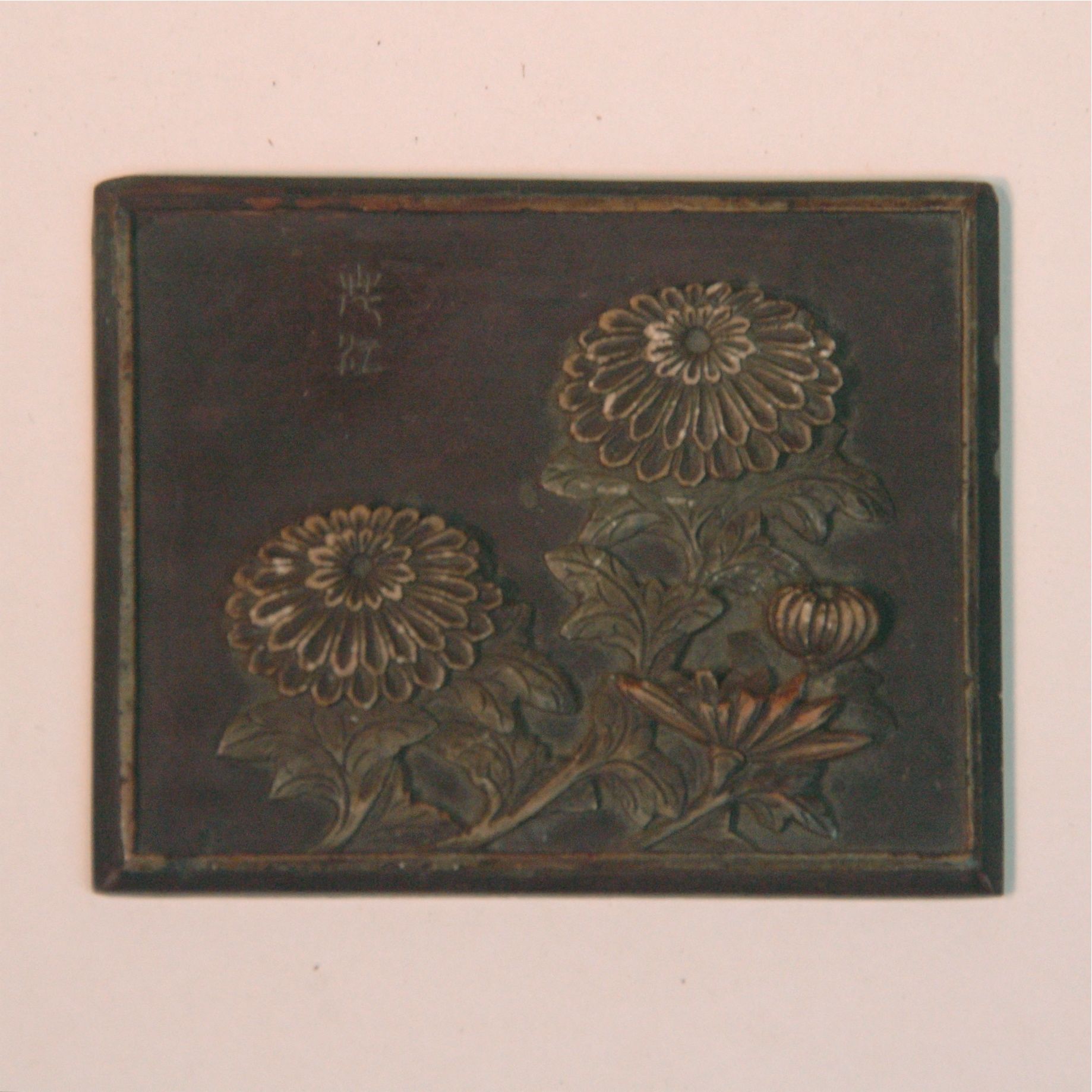
W80xL60mm, China

This is a stone carving use for the decoration of a small yan ping (see our other entries; yan ping and again yan ping).  Yan Ping is part of the Chinese stationary, it is designed to be used as a screen for shielding the ink well from drying.  The carving is a relief of the chrysanthemum flowers from a small piece of stone, the slight polish gave the flower its shading and tones.

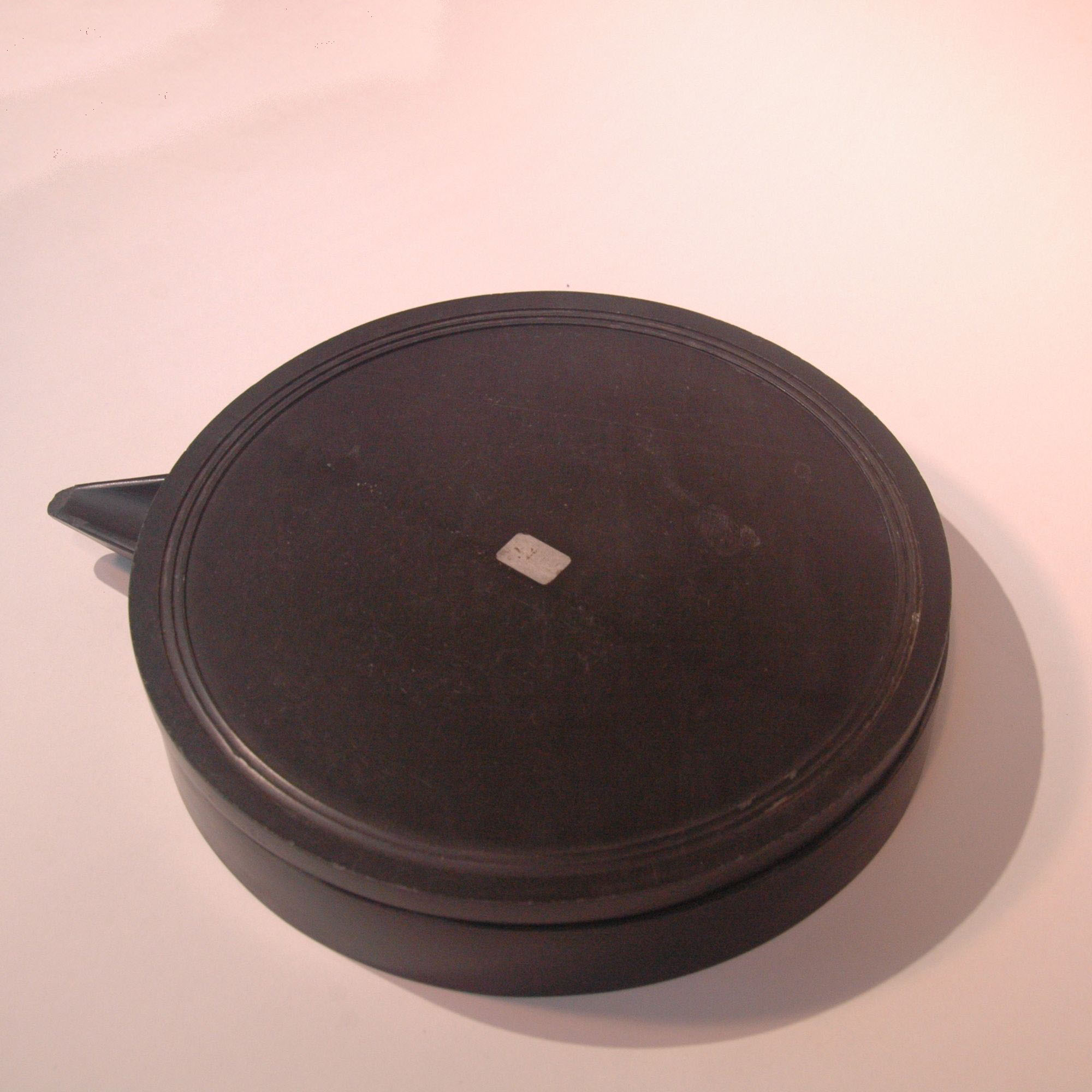
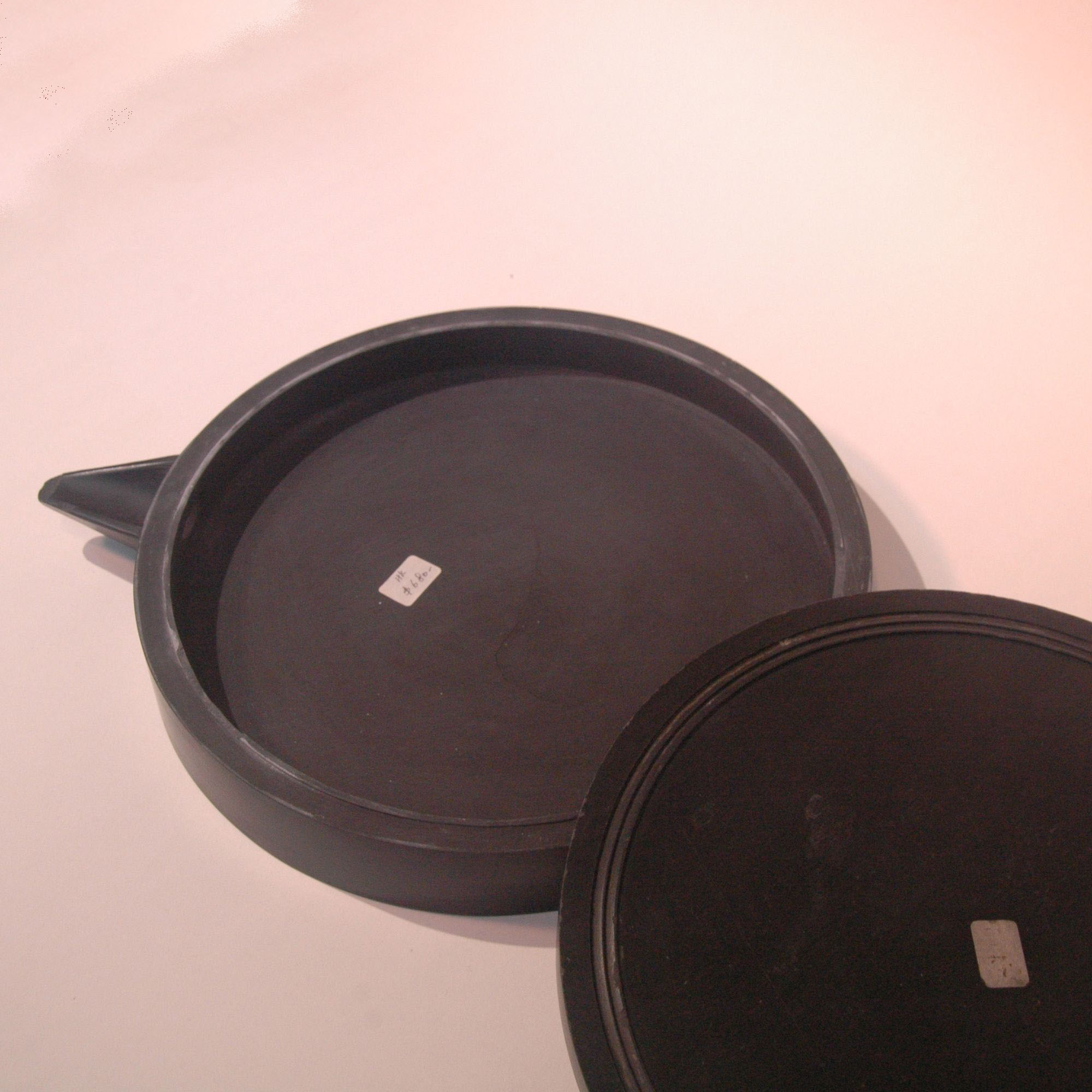
DIA230xH30mm, China

Yan, inkstone is one of the 4 stationary treasures of China, i.e., brush, ink, inkstone, paper.  The main function of the inkstone is for grinding the ink stick in preparation for the ink.  Before the inventory of inkstone, people would getting the pigment directly from the ink stick, this however is very restrictive in the size of the calligraphy word or painting, the brush would have ran out of ink when writing bigger size word.  To over come this problem, in Shang dynasty (17th century BC), flat and hard object (stone, bronze, jade, iron, brick) would be used for ink grinding.  Stone is the far most popular and liked material for inkstone, the stone type are also very selective.  This inkstone is a more utilitarian type, having no carving and the addition of a spout, its is most probably used to make a large quantity of ink for task like wood block printing.

H540xW410xD200mm, China

This is screen is actually classified in history as a stationary, in the Song dynasty it is designed to be used as a screen to shield the inkwell from evaporation.  As time goes on, it became more of a desktop decorative item.  This cha ping has stone painting framed by mahogany.  The painting cleverly made use of the grain of the marble in the composition, at the back is a poem about a snow scene which reflect the marble grain.  The frame is removable, the painting can be taken out easily to show the reverse side.

H170xW170xD70mm, China

In the old days, the Chinese would sit on the ground covered by a thin rice straw mat (similar to the Japanese tatami but with only the top layer).  Stone or metal weights will be used to hold down the corner of the mat.  These weights are normally based on animals such as lion, tiger, panther, tortoise, deer, sheep etc.  The Chinese believe they will give blessing as well as protecting them from evils.