Archives for posts with tag: chinese new year

pork belly

W55xD60xH60mm, China

Got your appetite ready for the Chinese New Year fest?  Would this slow cook pork belly make your mouth watery?

Fear not for the cholesterol, this is in fact a piece of stone which naturally reassemble the most desirable cut the “5 layers belly” where five thin layers of muscles is sandwiched in between layers of fat.

The most famous pork belly dish in China would have to be the Dong Po Rou, invented by the Sung scholar Su Dong Po.  He was arrived in Huang Zhou as the new governor only to find half of the West Lake was covered with a kind of wild grass, he ordered for the grass to be cleaned up and developed a waterway system that not only prevented flooding but also made use of the water for cultivation.  For the revival of the beautiful West Lake, the residents brought also their precious pork and order them to him.  Su Dong Po accepted all the offerings, but instead of keep them all for himself, he asked his chef to cook the meat with his special recipe and give a piece to every household.  They have never tasted anything so delicious and here it is;

INGREDIENTS

  • 1 piece of pork belly 120x120mm
  • a couple of spring onion, cut half in length
  • few slices of ginger
  • strings
  • 50g sugar
  • 120g Chinese wine or dry sherry
  • 70g light soya sauce
  • water

METHOD

  1. tied the pork belly as if you are putting a ribbon on a present
  2. blanch it quickly in boiling water and take out
  3. in a casserole, put the spring onion and ginger slices at the bottom, then put in the pork skin side down
  4. follow by the sugar, soya sauce and wine, then top up with water, put the lid on.
  5. bring to boil then turn the heat down to the smallest and slow cook for 30 mins then turn the meat over so that the skin faces up and cook for another 30 min.
  6. cut the meat into four piece and serve with a hot bowl of rice.
  7. enjoy!

pork

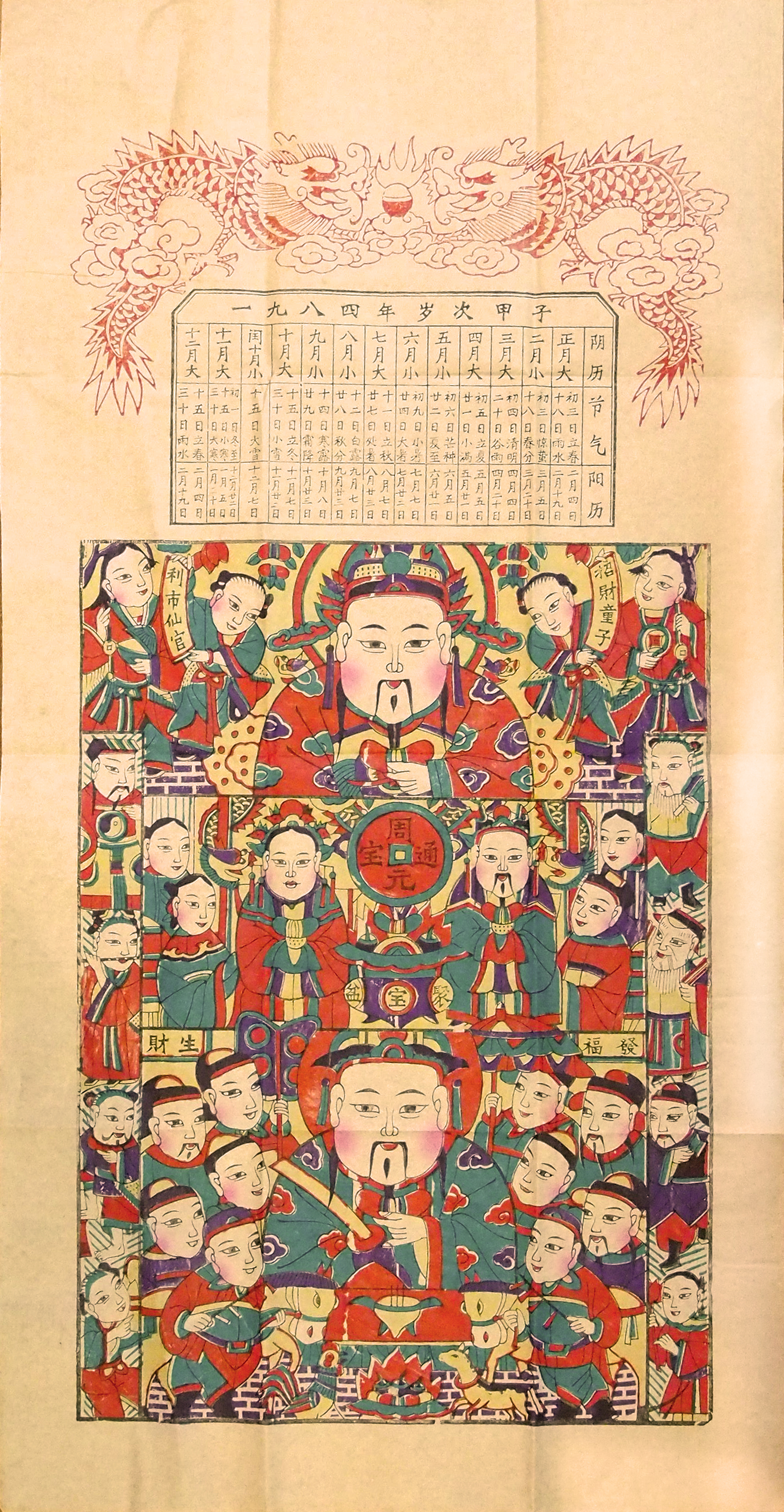
kitchen godW400xH760mm, China

Once again, its the time of the year to thank the Kitchen God.

It is believed that at the beginning of every Chinese New Year, on lunar January 4th, the Jade Emperor will sent the Kitchen God to monitor the activities of each household (a bit like the NSA, I guess) and at the end of the year, lunar December 24th, the Kitchen God will depart to make his annual report back to the Jade Emperor.  To thank his for a year’s hard work, before his departure a special meal will be prepared for him.

If you still havent prepare the farewell dinner, hurry up before he leaves!

See our other Kitchen God pints.

tiger paper cutoutW180xL180mm, China

This special paper cutout is made for traditional window lattice; to be able to fit into the small lattice frame the paper cutout are normally of a small size.  To make a bigger pattern, this tiger has been divided into 4 pieces to be paste onto the four interior corner the lattice frame to combine into a tiger.  These paper decorations are called chuang hua (window flower), they are removed and paste a fresh on every Chinese New Year as a projecting of hope and blessing for the year ahead.

Tiger from the Chinese is a symbol of blessing, an admiration for this strength and bravery, a popular theme for children

cookie mouldW120xL230xD20mm, China

This is a wooden mould for making the famous red peach guo.  Guo is Chaozhou dumpling that is made for festivals as well as for everyday snacks.  The peach shaped guo reserved for festive days like the Chinese New Year, Dragon Boat Festival, Mid Autumn Festival, Winter Solstice, they are also made for the new born baby by the grandma on its hundred days’ celebration.

The peach shape symbolizes longevity, it is again emphasized by the word “壽” in the middle of the mould.

Here is the master mould carver working on a turtle shape guo mould.

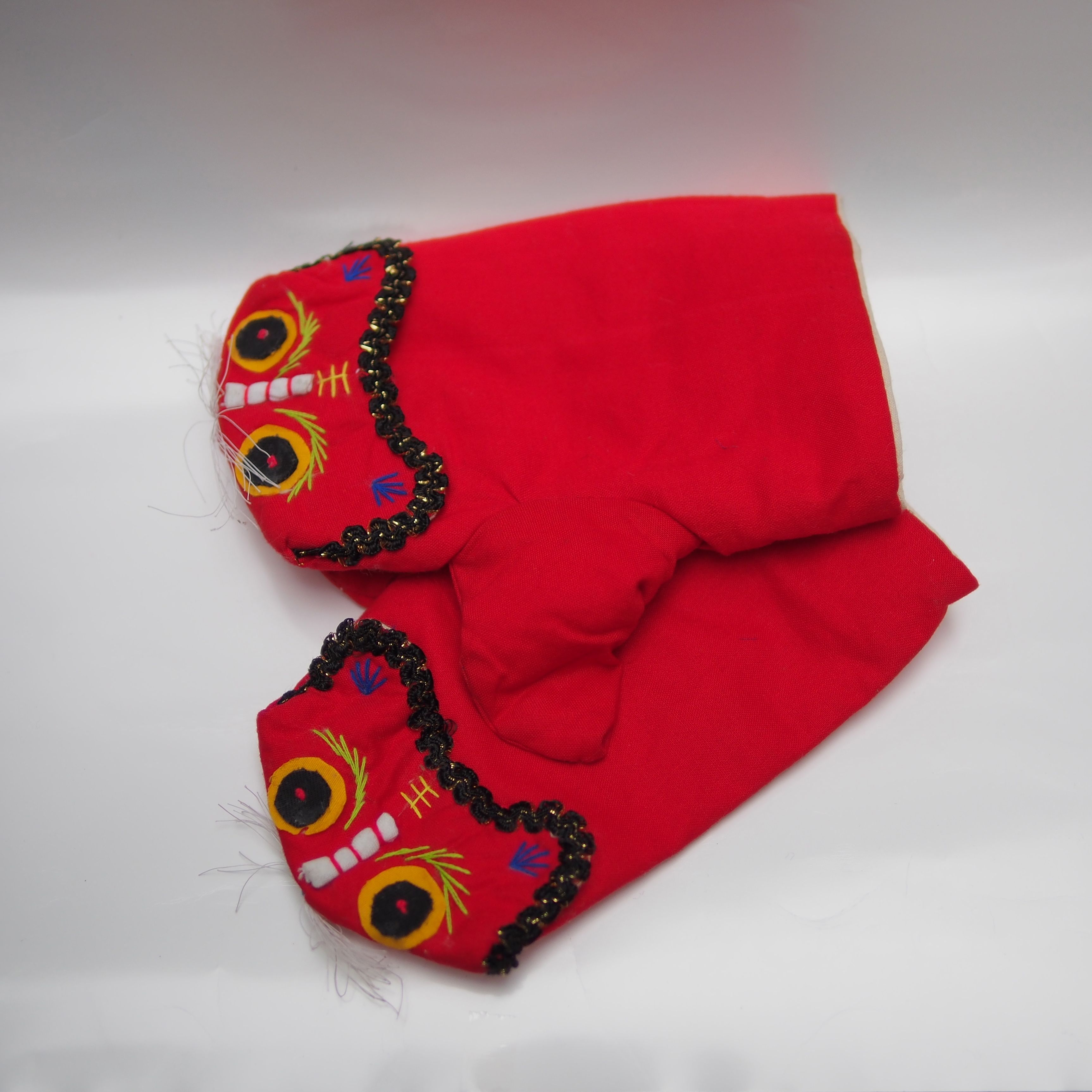
tiger mitten

W110xL180mm, China

In China, the idea of tiger is not seen as a threat but a sign of protection.  The strength and bravery of a tiger is aspired to; for the Chinese New Year, parents would dress the baby up in tiger gear, both as a protection blessing as well as a wish for their son to have the tiger’s attributes.

Apart from tiger mitten, there are tiger hats, tiger shoes, tiger du dou and of course tiger toys.

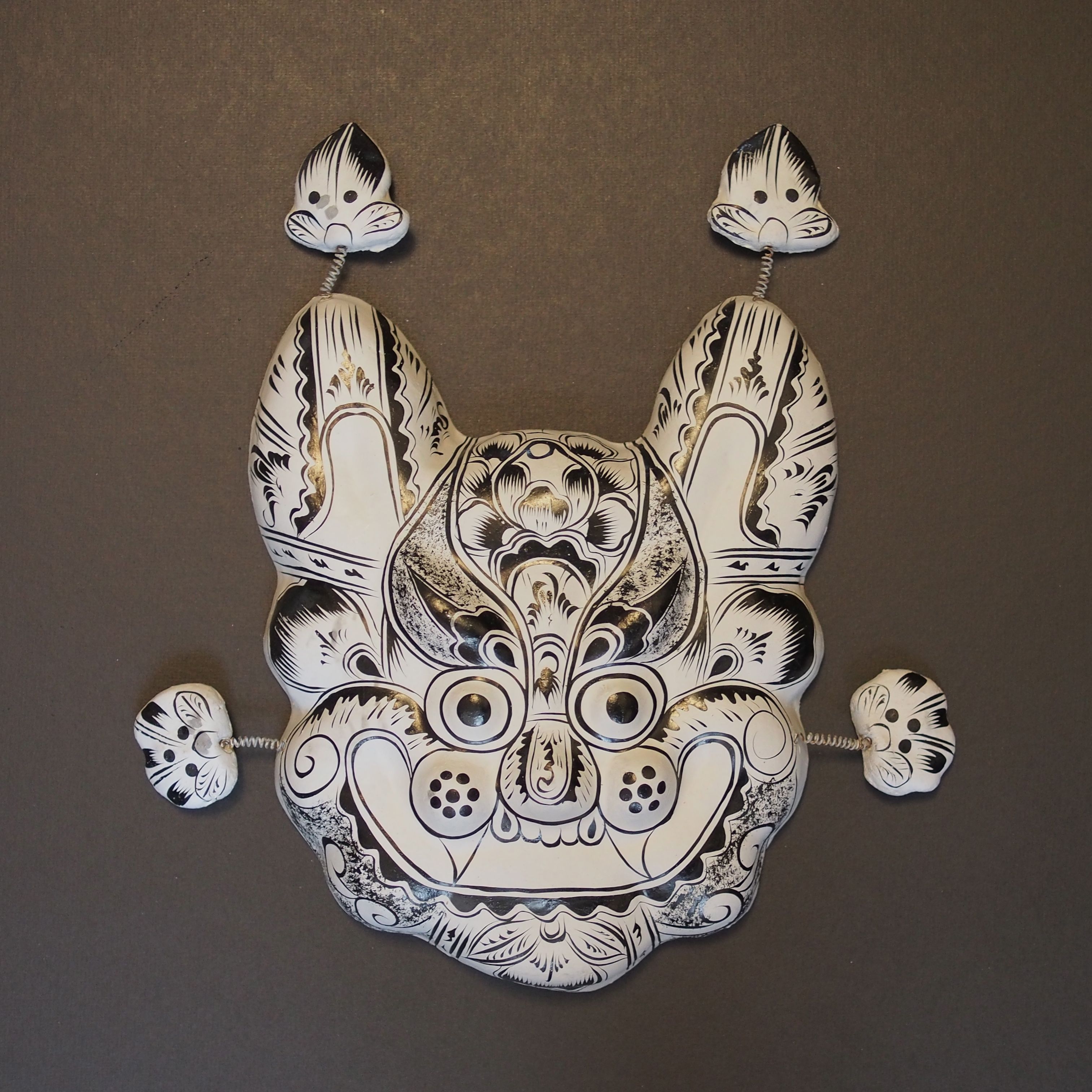
Clay wall hangerW200xH250xD50mm, China

This clay wall hanger is the form of a tiger, it offers protection from the evils.  In the rural area of Shaan Xi, before Chinese New Year every household would would be placed a new tiger hanger on the lintel of the door.  The origin of the wall hanger came from the Ground Theatre (Di Xi), find any similarity?

cobo new year

Kung Kee Kung Kee!

If you still havent seen the pottery from Cobo Ceramic Workshop, come and take a look!

A joint venture of coboXsoilXmountainfolkcraft.

Kung Kee Fat Choi

W200xL150mm, China

Wishing you a happy Chinese New Year this coming Sunday with this paper cutout.

This paper cutout is full of blessing symbolism,
Lotus Plant; 蓮 (Lian) is has a similar pronunciation as 年(Nian) which means yearly and as its fruit has many seeds it is a symbol of  frequent fertility.
The Fish, 魚 (Yu), has the same pronunciation as the word “surplus” 餘.
The pattern is symmetrical, portraying 2 of each item, the Chinese believes the bad luck comes in singularity (odd) and good in double (even).
Lastly, the words in the middle is of course the famous Kung Kee Fat Choy!

The paper cutout are normally displayed on the windows of every household with different idea of blessing.
So here wishing you a year of surplus, fertility and many Fat Choy!

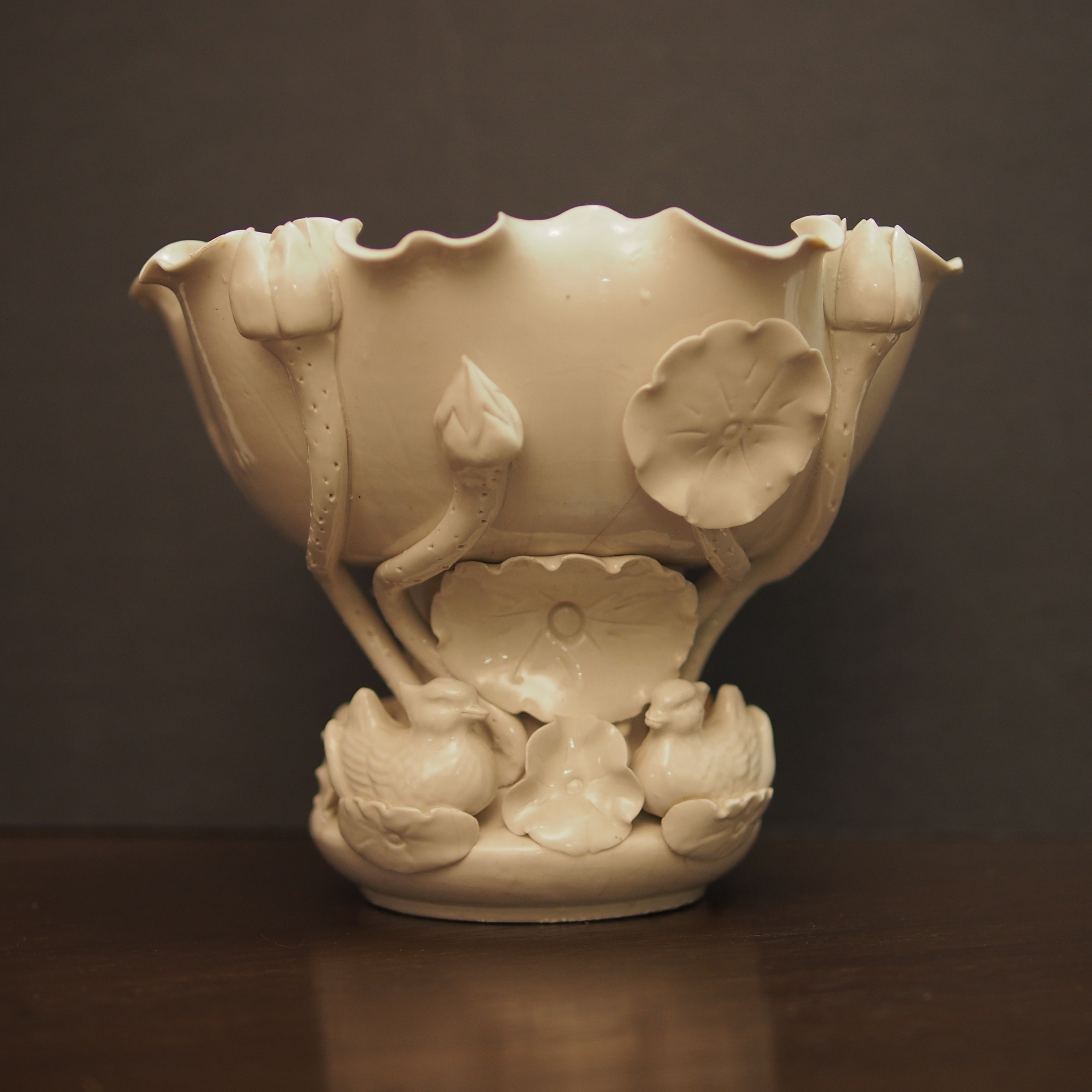
daffodil bowl

DIA200xH160mm, China

One of the decorative plants for the Chinese New Year is the daffodil, it is so popular that containers are made specially for its display.  The bowl has a number of the symbolic elements; the lotus plant and the mandarin duck.  The Chinese word for mandarin duck, Yuan Yang, stands for the male (yuan) and female (yang), meaning a pair of loving couple.  The lotus plant is a symbol of fertility.

New Year Paper Cutout Decoration

W240xL380mm, China

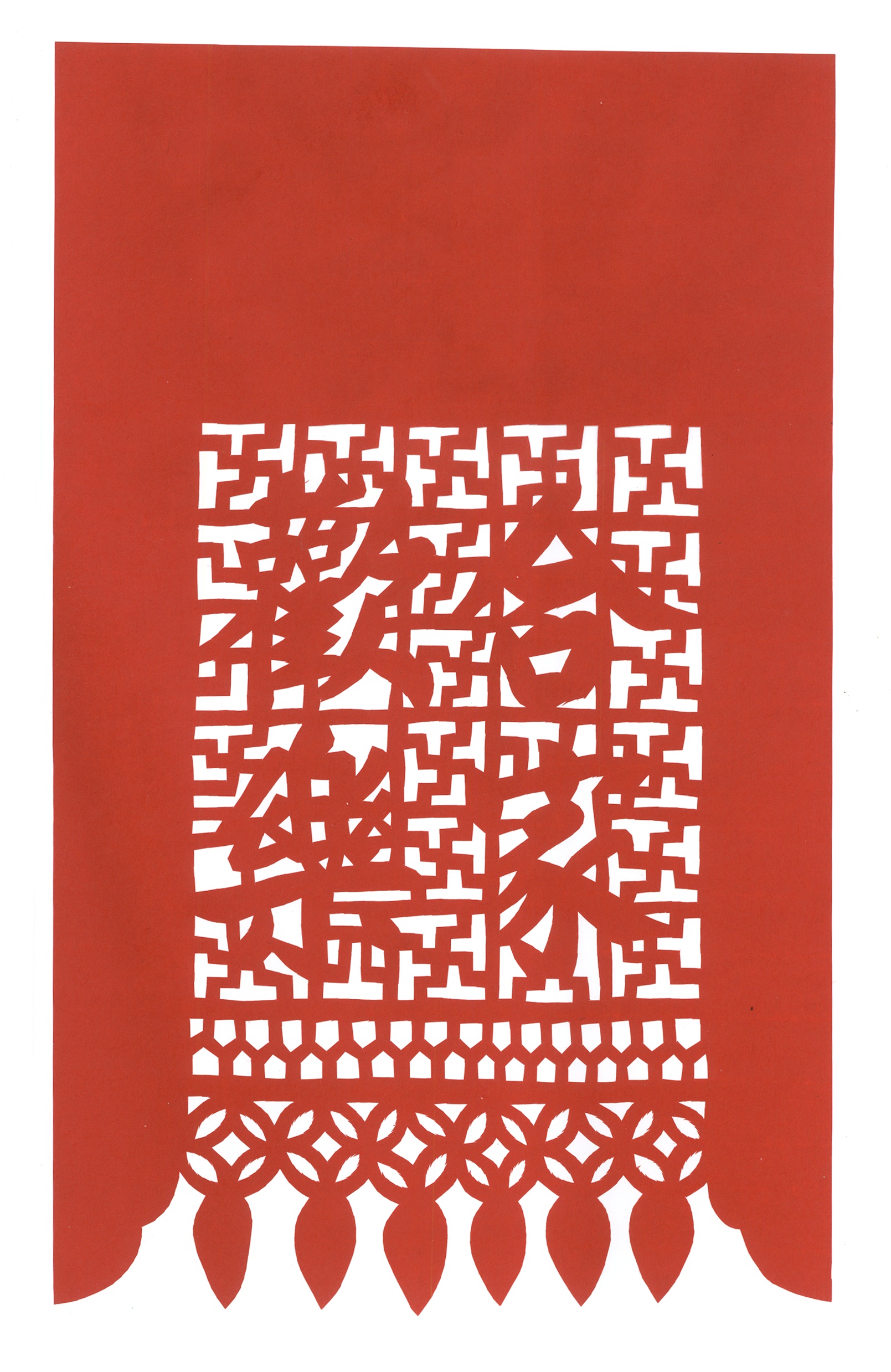
This door hanger paper cutout is called Diao Qian Er, a blessing for household for the new year.  They would be place on the lintel on “Spring Arrival” day ( last Monday, the 4th of  Feb) and be taken down on, 24th Feb, the night of Yuan Xiao.  It is believed that if if is not taken down on Yuan Xiao, the sleepy worm would stay with the household for the year.  In rural China,  the farmers who have no Sunday or Public Holiday, Chinese New Year is the only time they would allow themselves to take a break from work and rest.  Taking off the Dio Qian Er would signify the end of the New Year celebration.

On this paper cutout; there is the word “合家歡樂”, happiness for the whole family, on a backdrop of  卍 Man Ji Wan which is a symbol for essence of goodness.  Below are symbols of coins, symbolizing wealth.