Archives for posts with tag: carving

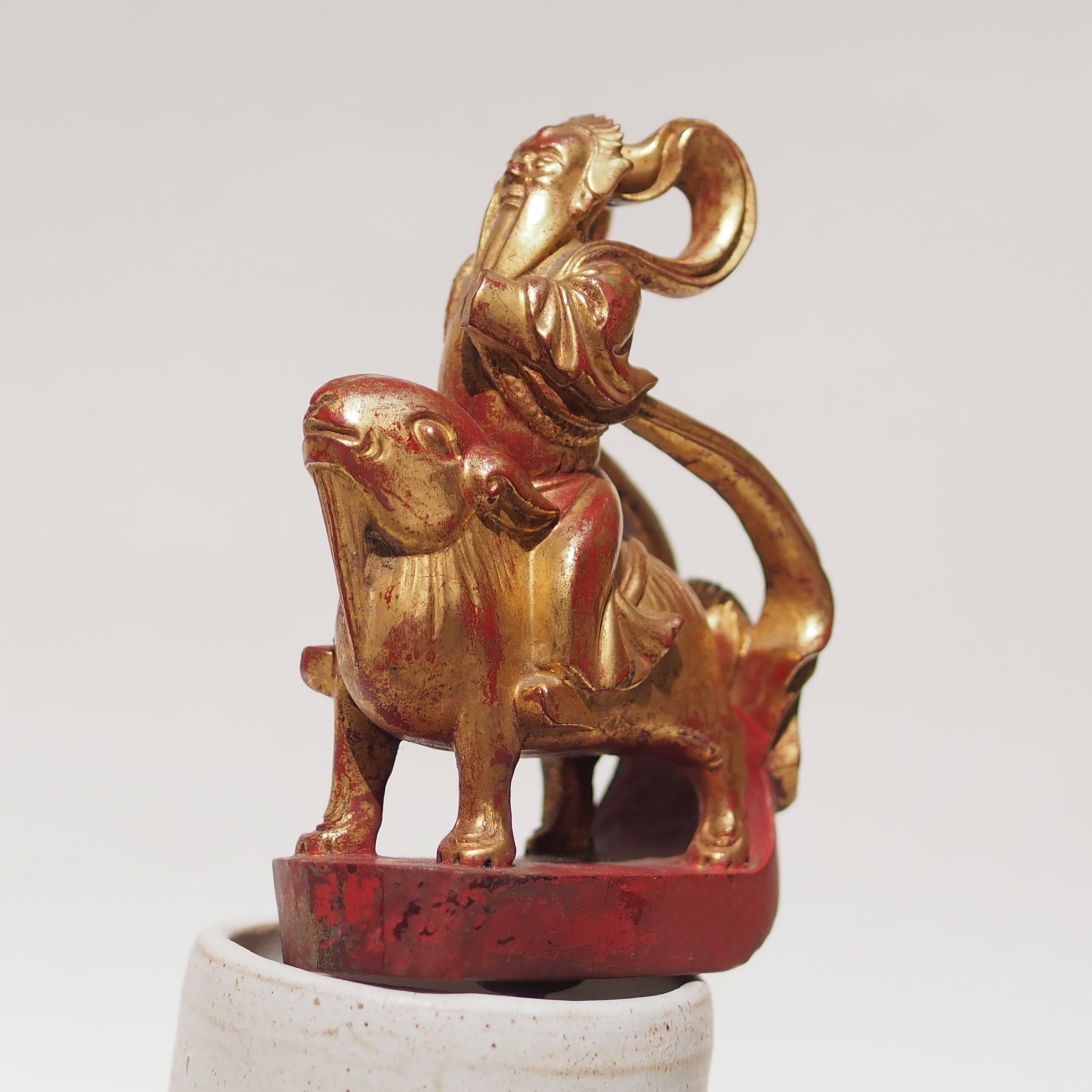
Golden Wood Carving

W50xL100xH140mm, China

This is the figurine of one of the five goat riding saints, the legend goes back to 880 B.C. when Guangzhou was constantly hit by famine and plague, there were 5 saints each with a different colour garment and each riding a different colour goat.  The 5 saints each offer 6 stalk of rice to the residence and bless the city to be free of famine.  The goat 羊 is  homophone to the word blessed 祥, which resulted in Guangzhou being also known as the 5 Goats City.  It was a wish for the ancient farmers, never to stave again.
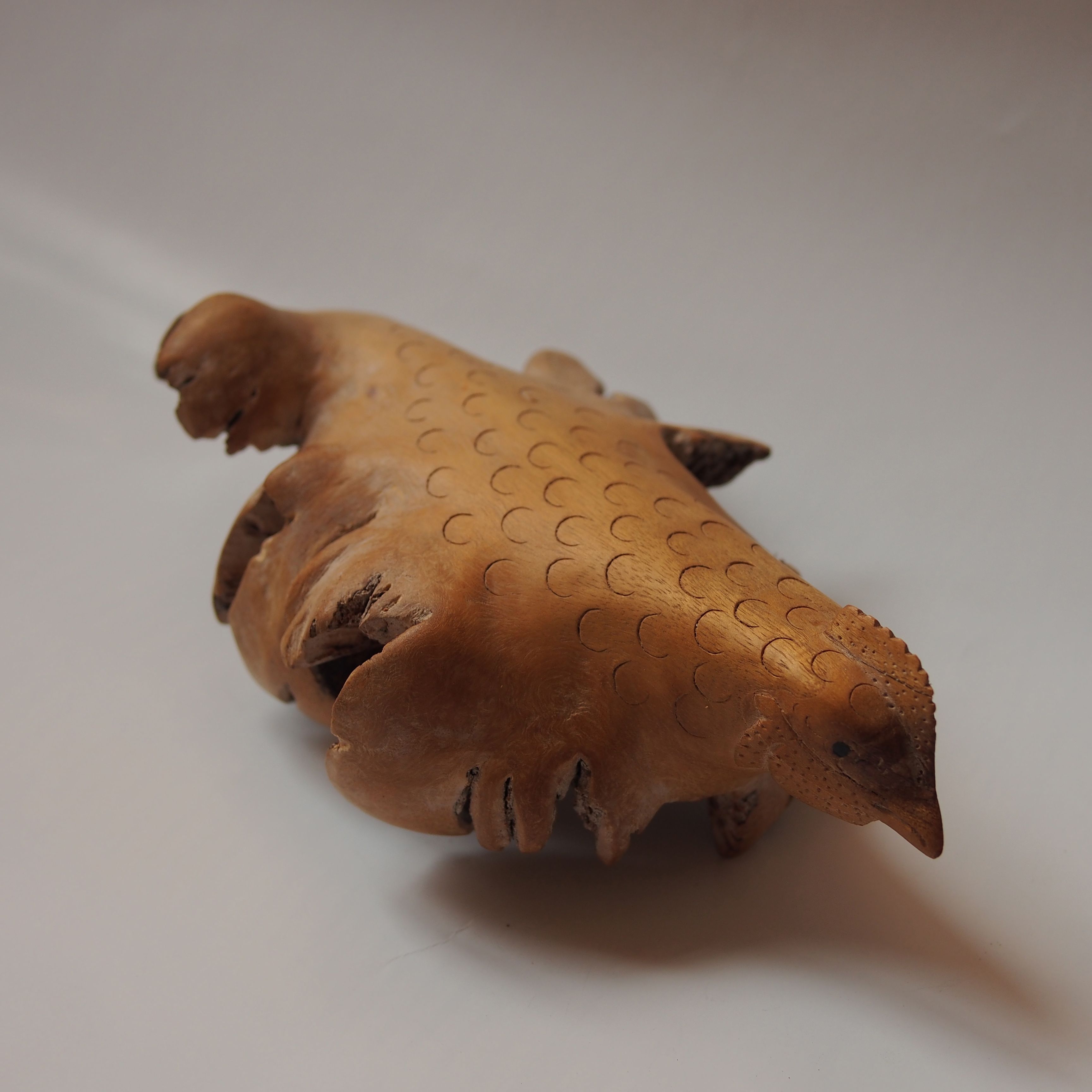
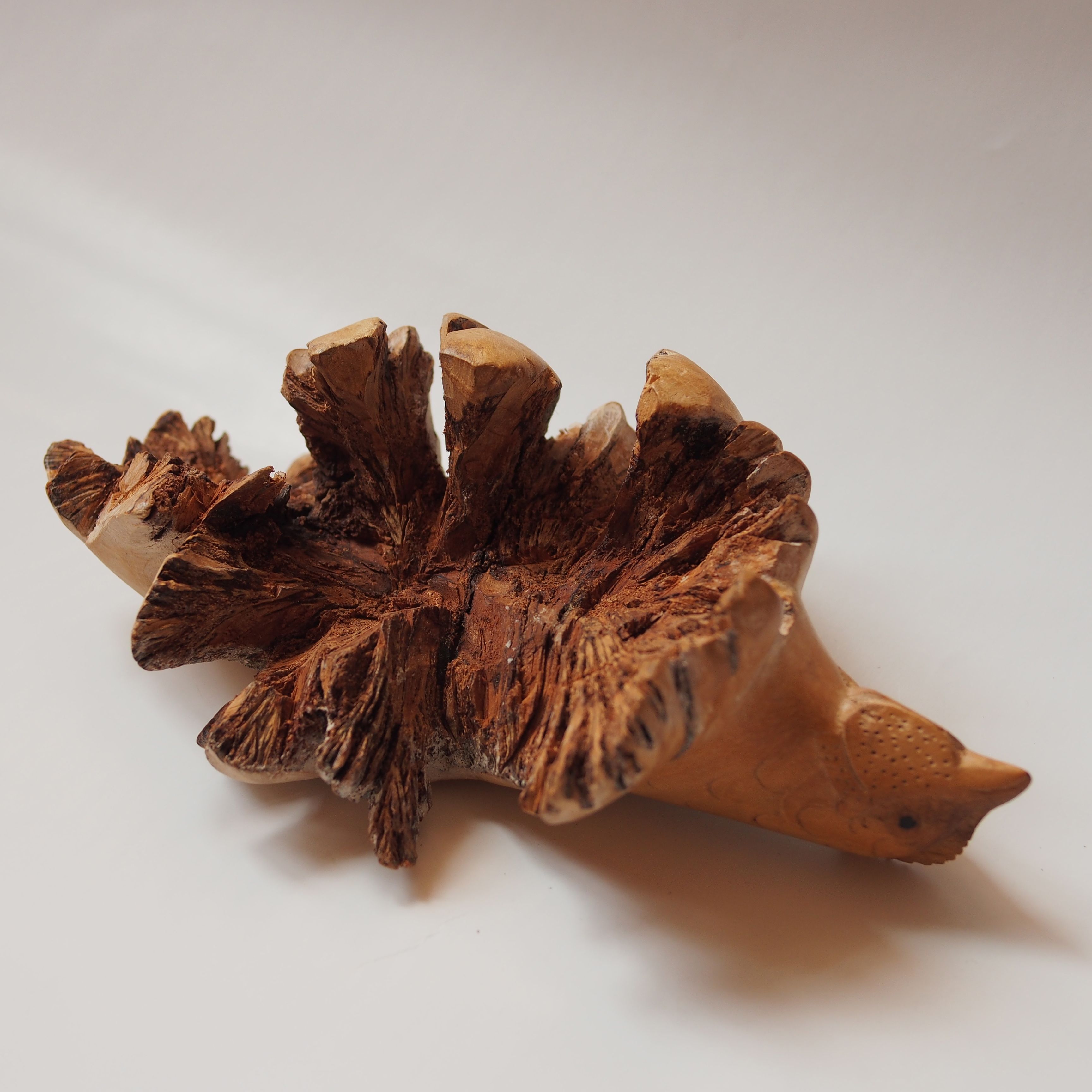
Wood Rose CarvingL160xW90xH60mm, Indonesia

Great imagination to take a piece of wood rose and made it into a  broody hen!

The wood rose is an unique  material, it is actually the gall developed by the tree who has been parasites by mistletoe.  Mistletoe, apart from the kissing part, is actually a parasite which cost great damages to trees that they host on.  The wood rose is the masses of woody tissue the tree tried to defend itself from the mistletoe and the mistletoe on the other hand leaves mushroom like malformation on the wood.

Wood Rose Hen

W40xD50xH100mm, China

This puppet head is that of a glove puppet, it is of the character Qing Hua Junior of the Jing (painted face) catergory.  Qing Hua Junior can portrait characters of a villain or a hero with an explosive attitude.

The making of the puppet starts from selection of Zhang wood (Cinnamomum Camphora), apart from the nature of the wood its also has a function of being a wood pesticide, the required size would be taken out and together with the trimming to the rough form all done by use of a hammer.  The details are then carved out, once the carving is completed a thin layer of white slip is applied as a filler to smooth out the knots of the wood.  The base colour is then sprayed by a mouth piece and the features hand painted.  If there are hair to the puppet, it would be added at the final stage.

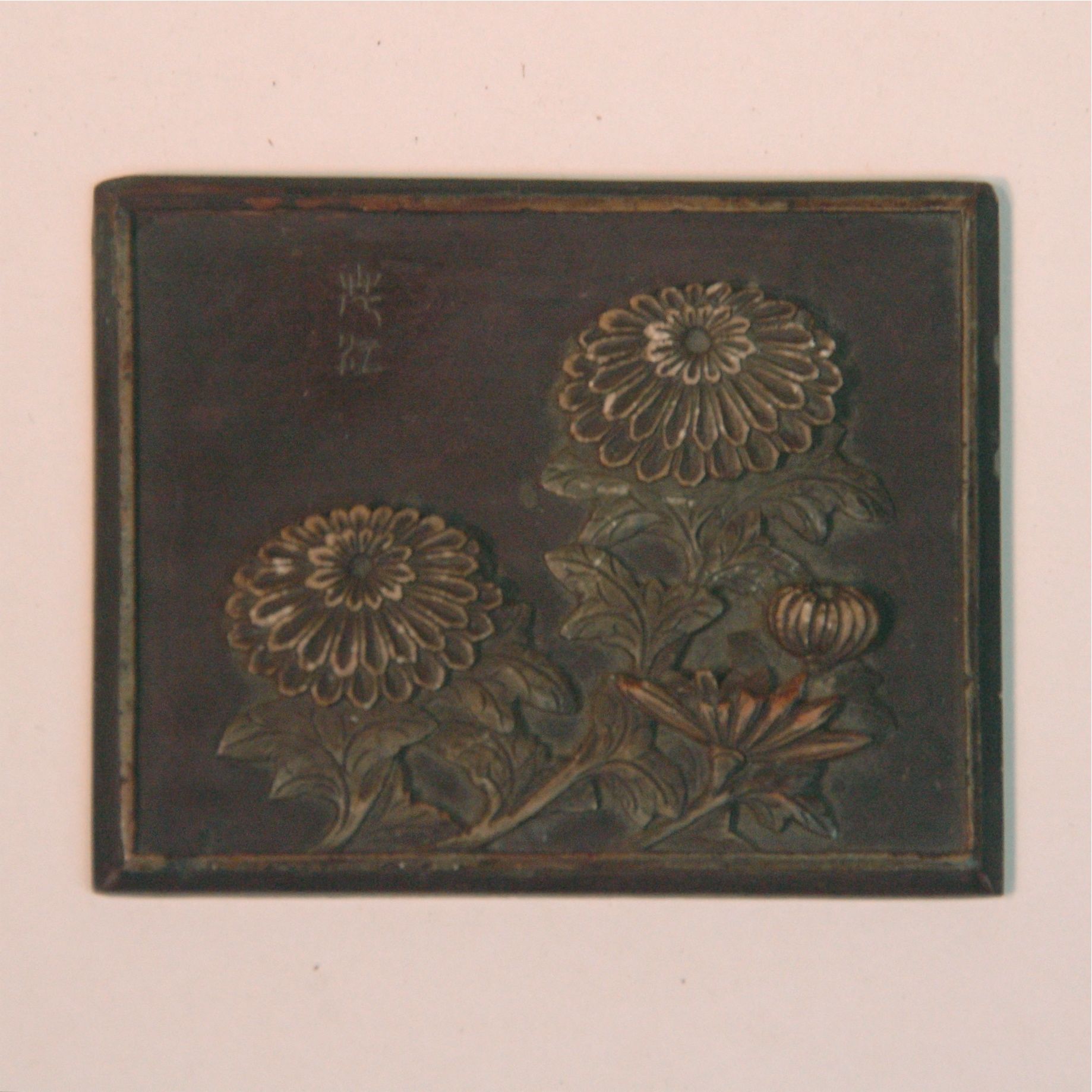
W80xL60mm, China

This is a stone carving use for the decoration of a small yan ping (see our other entries; yan ping and again yan ping).  Yan Ping is part of the Chinese stationary, it is designed to be used as a screen for shielding the ink well from drying.  The carving is a relief of the chrysanthemum flowers from a small piece of stone, the slight polish gave the flower its shading and tones.

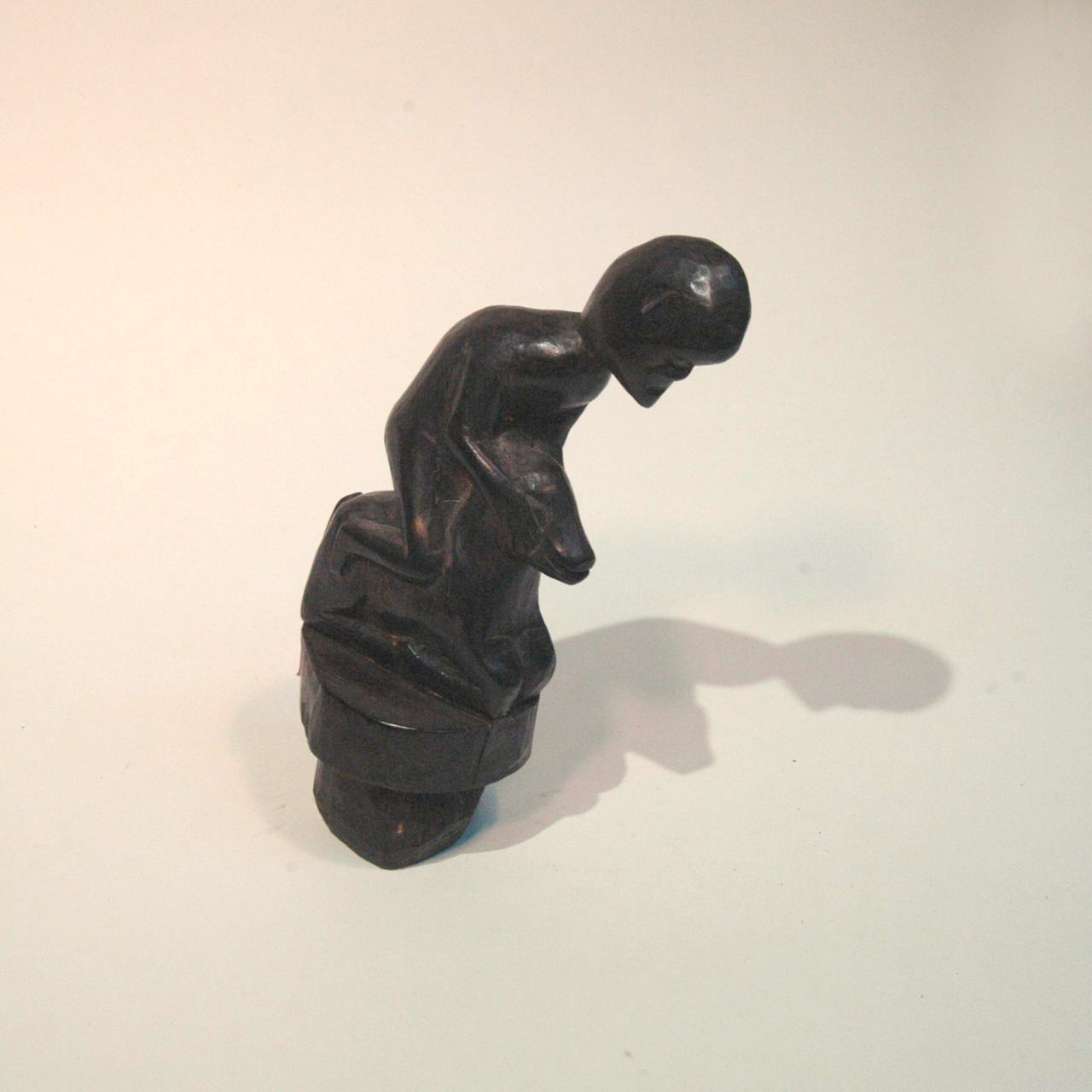
W80xH180mm, Sumatra, Indonesia

Apology for yesterday’s misinformation, this is actually the stopper of the guri guri potion container, a container of magic for the Batak tribe.

The magical potion is known as guri guri, used by the datu to perform good as well as magic with evil intention.  The guri guri is one of the most sacred object of the datu.  The figurine is a human riding on singa.   Singa is a mythological creature that is benevolent and powerful, it is described to be part human, part buffalo, part crocodile.

DIA130xH130mm, China

Since the Tang dynasty , eating utensils have been made from the shell of the coconut.  In the Sung dynasty, they even favored by the intellectuals of the time, the carving became refined and decorative so refined that by the Ming and Qing dynasty, coconut carvings have made it as a imperial offering to the Emperor!  There are broadly 2 types of coconut teapots; the first has a inner layer made of metal (pewter, silver, bronze etc) and small pieces of coconut shell set over, the second (like this one) is made from a whole coconut shell.

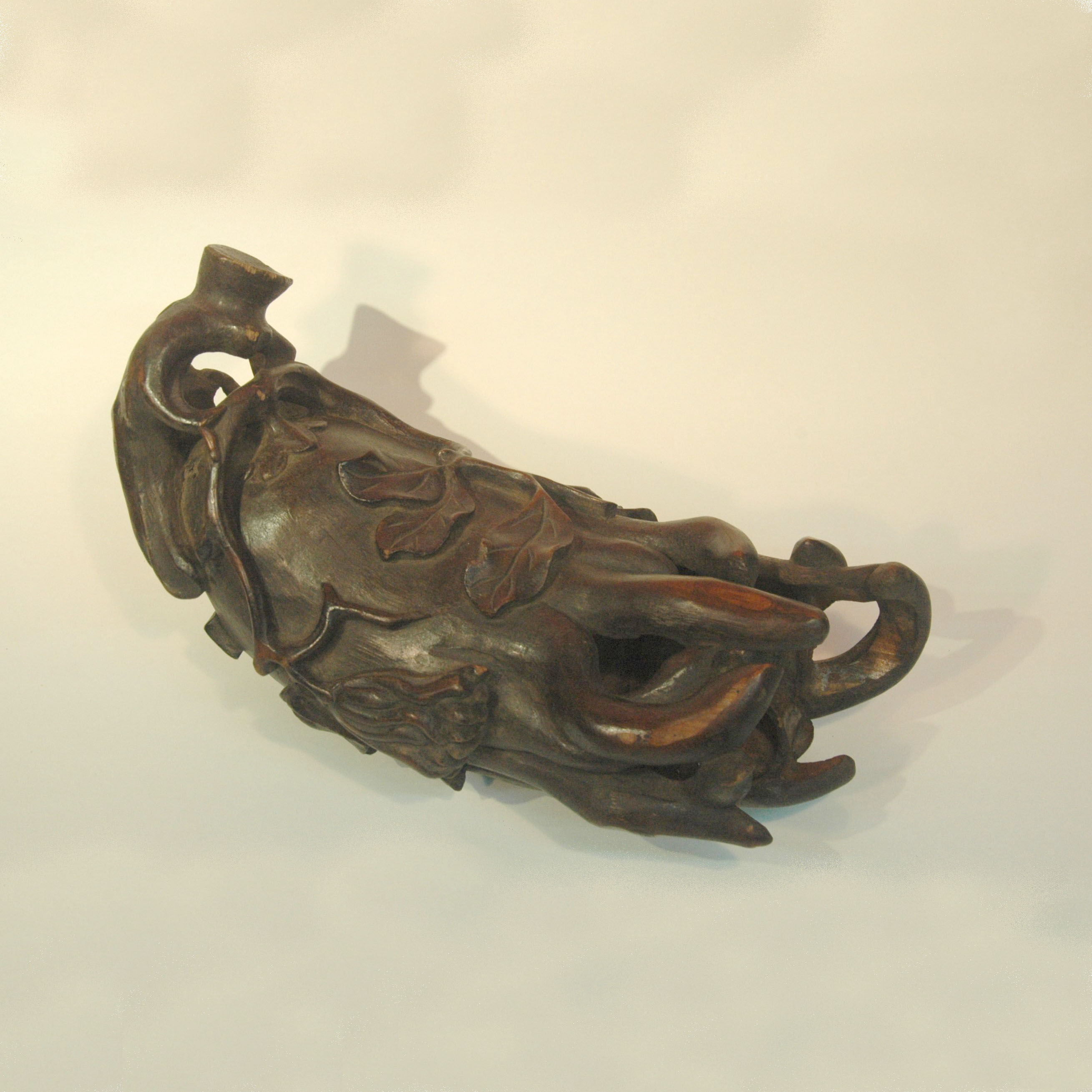
L350xW200xH200mm, China

This is a wood carving of a plant known as the Buddha’s hand fruit (Citrus medica var. sarcodactylis).  It is a citrus fruit that is segmented into finger like section, the section resembles the fingers of the Buddha is tradition Chinese painting, hence the name.  In China the fruit is mainly used for perfuming the room and as an object for appreciation, it is also used in herbal remedy.  Because of the beautiful form of the fruit, it has become an subject for craving (wood, root, stone, jade, etc).

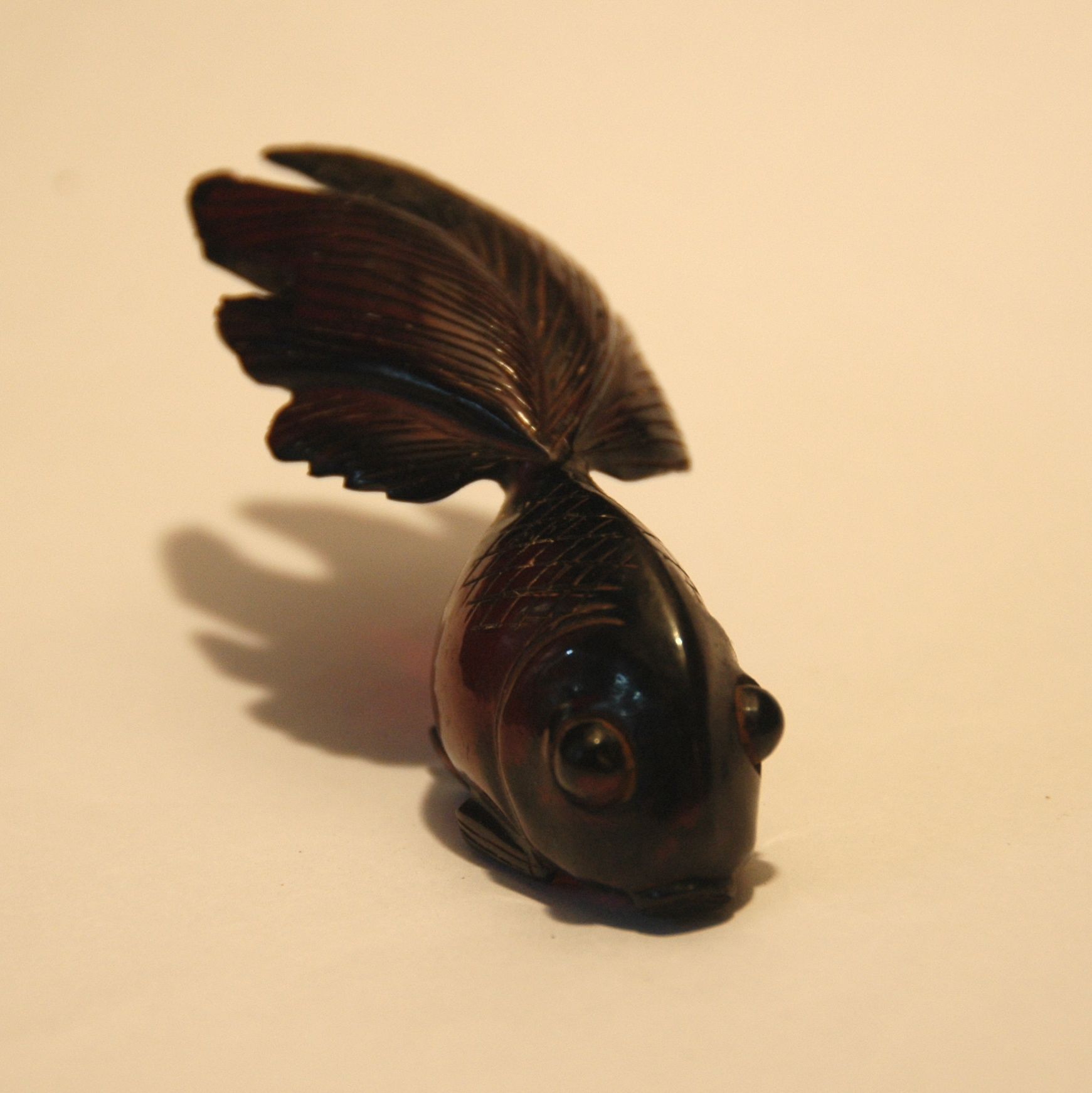
H50xL90mm, China

This is a small buffalo horn carving of a gold fish.

H100xW50xD60mm, China

Puppets originally are used as burial item made to replace human sacrificial burial.  In the Han dynasty theatrical art developed, puppet show was not only the first performance art of China, it was the leader of all theatrical art.  By Sung Dynasty, Quan Zhou was the cosmopolitan of its time; arts, trade, religion were at their peak, religious ceremony was held every 3-5 days, the witch craft associated puppet show flourished. There was a demand of high quality puppets, the carving works of the head that were in the beginning carried out by the Buddha statue craftman were later developed as specialised art.  This is a glove puppet of a monk, the eye and the mouth can be controlled separately and there is even a small tongue!

H250xW100xD150mm, Thailand

Please pray for those who are suffering by the flood in Thailand, the worst in 50 years, and that serenity will return soon.

Praying monk figurine; they are usually found in a pair at either side of the Buddha statue, both kneeling, one praying and the other one has his hands resting on the thighs.