Archives for category: wood

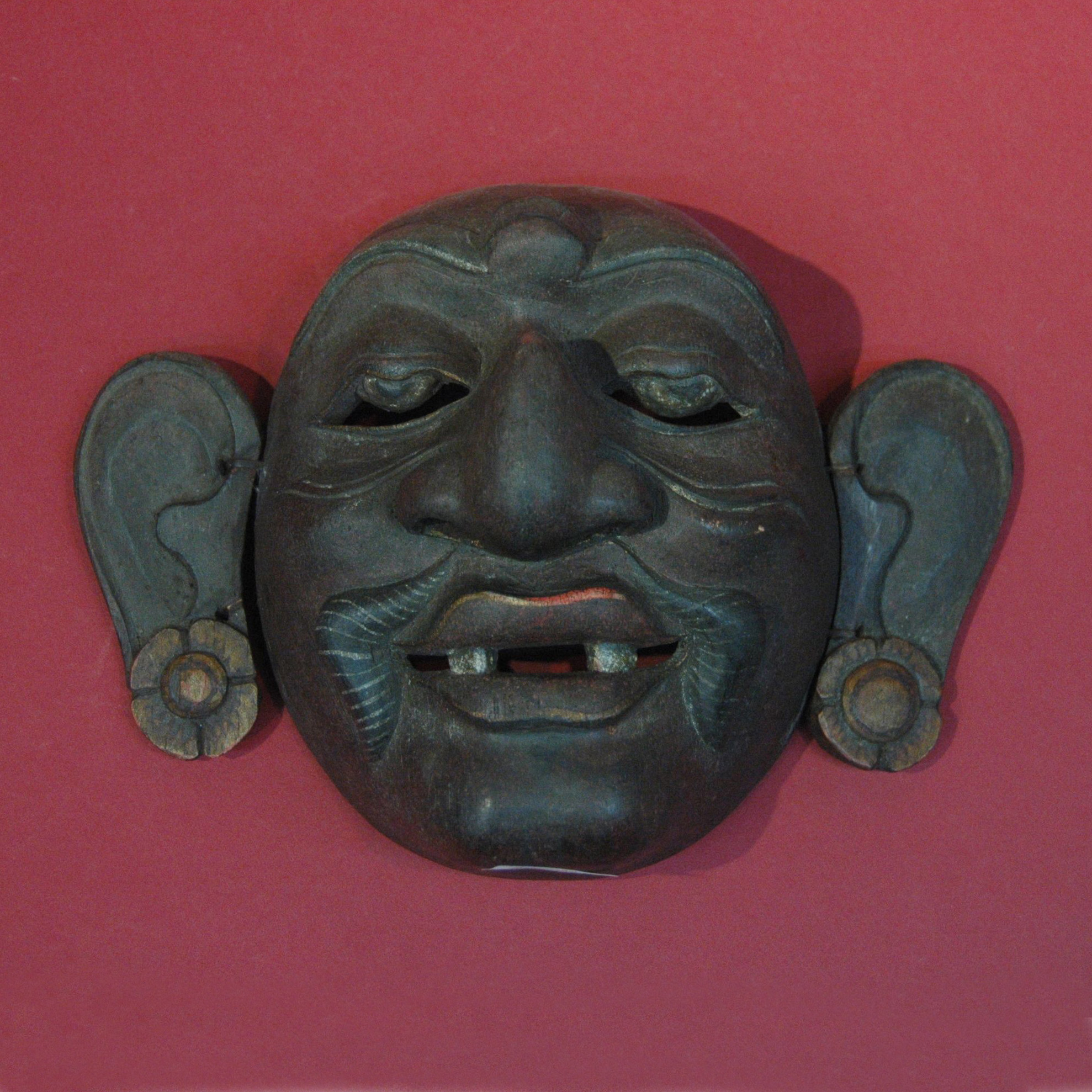
W250xD100xH180, Indonesia

This Balinese mask is of the character Merdah,  the son of Tualen, both son and father are the servants of Rama.  Merdah lacks the wisdom and apathy of his father but he is eager and honest, a joyful character.  Tualen and Merdah portray the good while Sangut and Delem the evil counterparts.  Merdah is the Penasar clown in the Wayang Wong performance Ramayana, his function is to narrate the stories to the audience.

W130xD130xH150m, China

A small wooden box with brass handles and buckles, perfect for a treasure hunt.

I have been wondering what a box like this would be for.  The lock is rather redundant as the box is so small that the thief would have just grab it and go.  Perhaps its a box for a child to keep all the little precious items; a pebble from the beach, a ginkgo leave, an unknown seed, a dice, feather of some bird, a seashell …

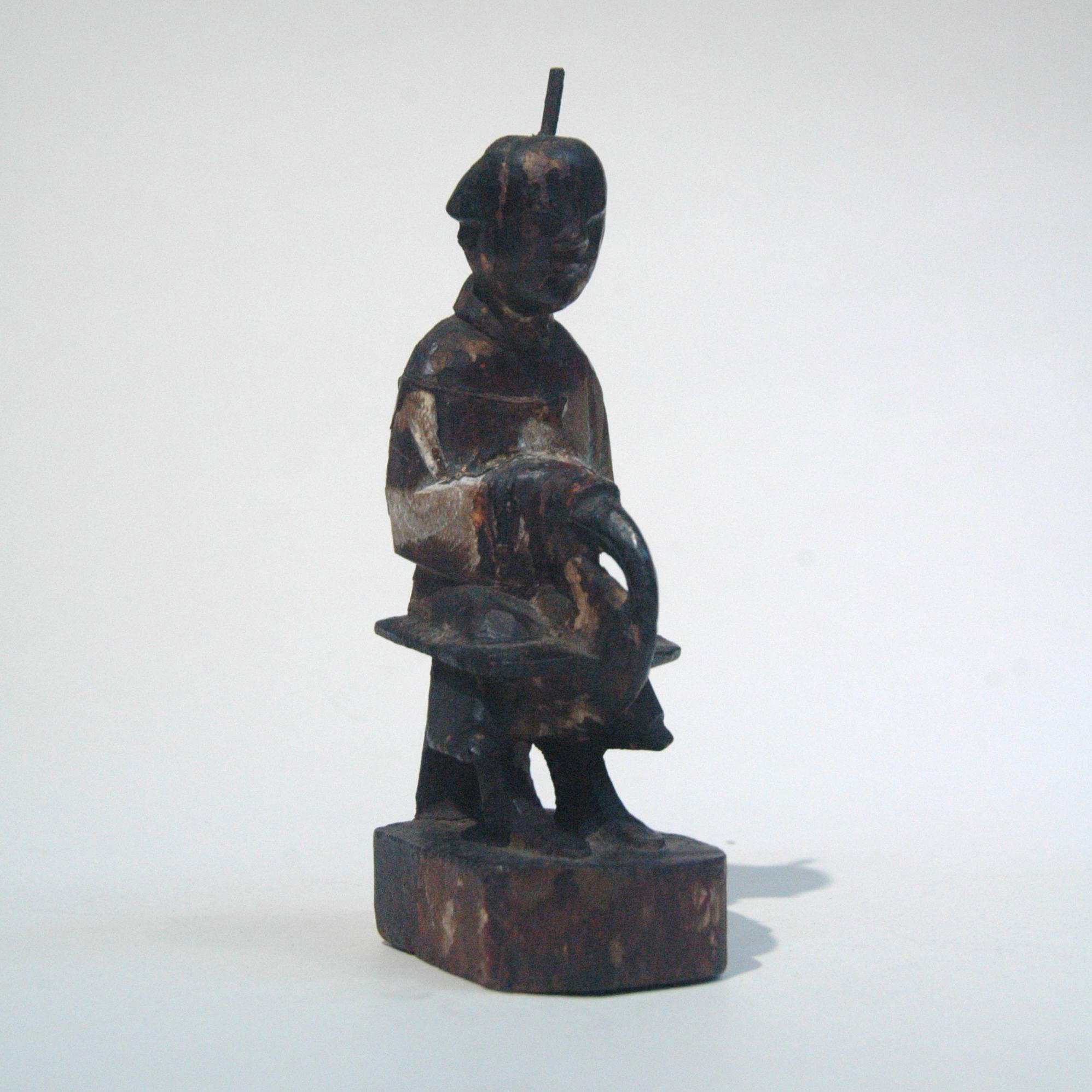
W40xD50xH130mm, Macau

This is an old figurine worshiped by the fisherman on the junk boats of Hong Kong, it is one of the ancestral saints – Crane Riding Mother Saint, a figurine representing the female ancestors.  It is believe that ancestors would protect the fisherman at sea.  In Taoism, the Taoist saints be believe to travel around by riding a crane.

See our other entry of the Junk Boat Gods;
Tanka Wooden Effigy, Junk Boat God (god?), Junk Boat God

H100xW50xD60mm, China

Wonder what a villain looks like?  This is a typical villain of the Chinese glove puppet, all villains have a white painted face with black features.  A word of caution: the white face villains came in all different ages, from a young chap to the bad government official and finally the elderly villain.  The shown in the photo here is one of the main villain in a puppet show, someone who has high power and no fear, for example, a prime minister who gave manipulate the emperor  etc.

W40xD60xH200mm, China

This is a pair of wooden candle stand that would have been mounted on a metal or wooden base, the candle would be fixed on top of the wooden stick.  Traditional Chinese candles besides having a wick embedded, a small bamboo rod is also embedded on the bottom end.  The bamboo rod made it easier for securing the candle, may it be on a candle stand, in the sand or simply in the ground.  This pair of candle stand has a relief carving of the dragon, painted in red and gold, symbolizing blessings, they would have been used for happy occasions like grand birthdays, promotions, birth of a child, etc.

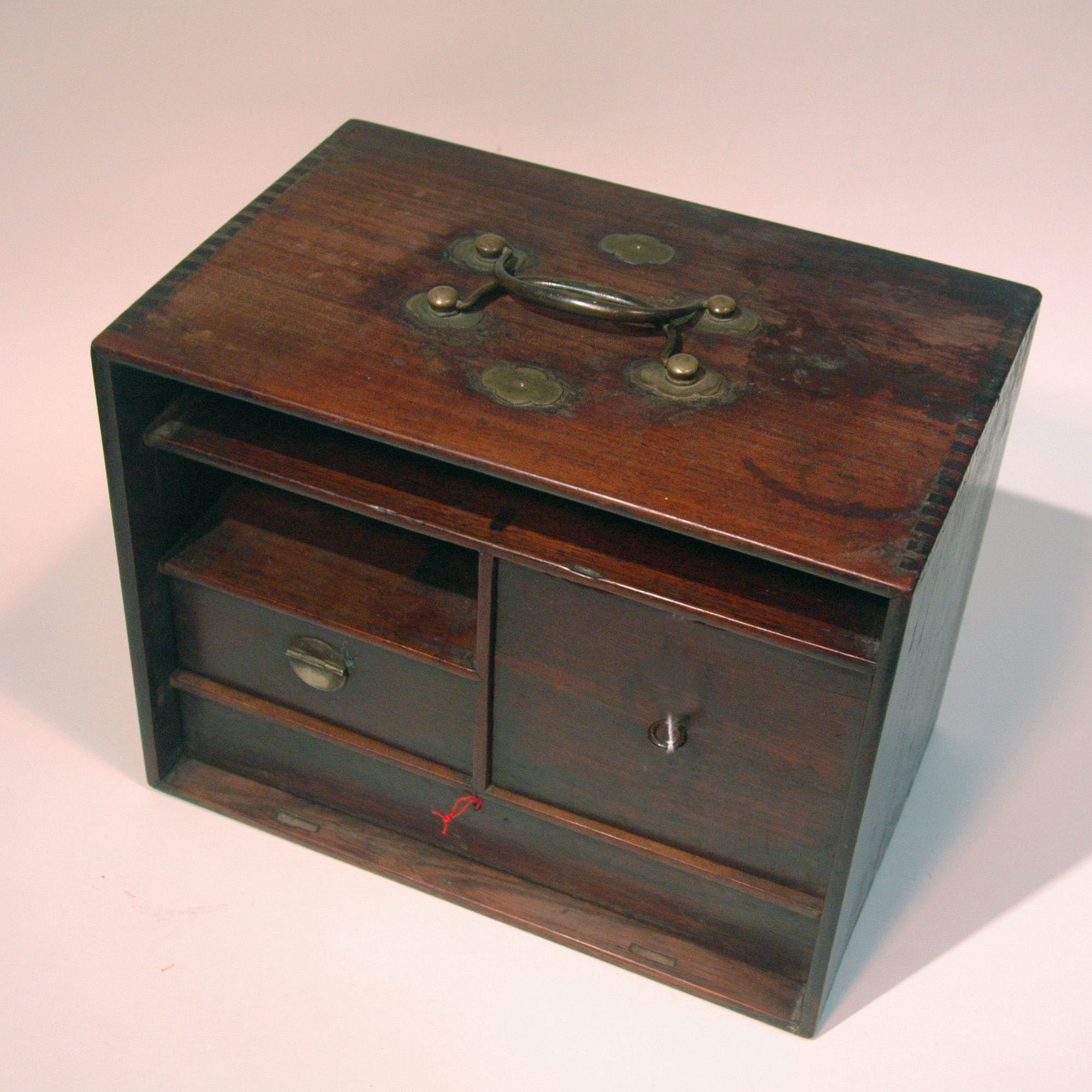
W250xH200xD160mm, Japan

The proportion of this small chest of drawers reminded me of Mondrian, this Japanese Tansu is for storing personal accessories.

These portable chest of drawers originated from the cash boxes in the merchants’ houses of the Edo period, then people started to bring it to their bedrooms for keeping valuable goods.  Nowadays they are used for keeping stationary, as a treasure box in Japan.  A beautiful box for tidying up small things.


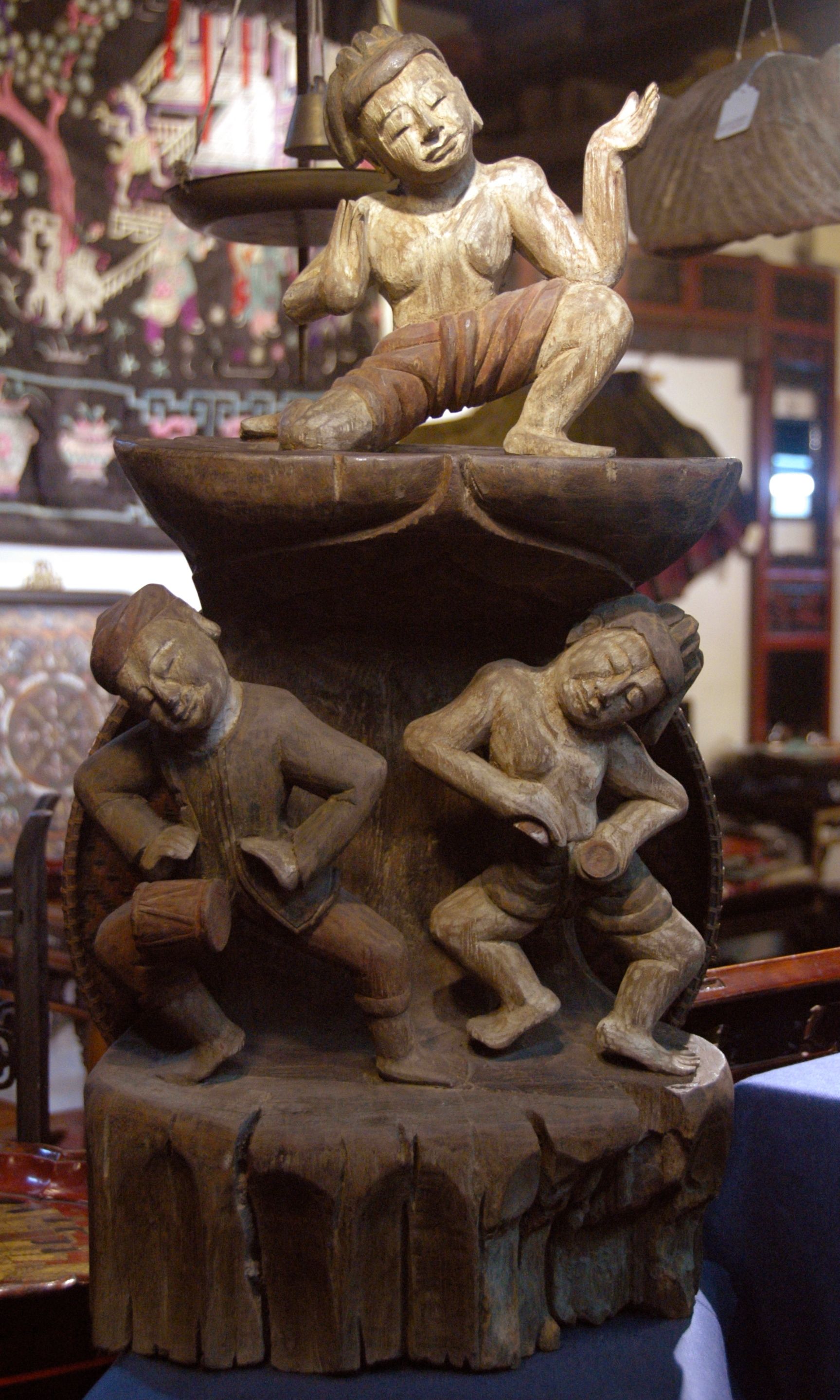
W350xD150xH700mm, Indonesia

This wooden figurine depicted the some of the instrument used in a Balinese gamelan.  Gamelan is the traditional Indonesian musical ensemble which is accompanied by dances, puppet performances or rituals, a dancer is also represented on this carving.

The player on the right is playing a castanet.  The drum played by the figurine on the left is known as a kendang, a two sided drum, which is made from hollowing out from the trunk of a tree.  The kendang player is the leader of the gamelan, giving clues to the other players.  Here is how it sound like solo;

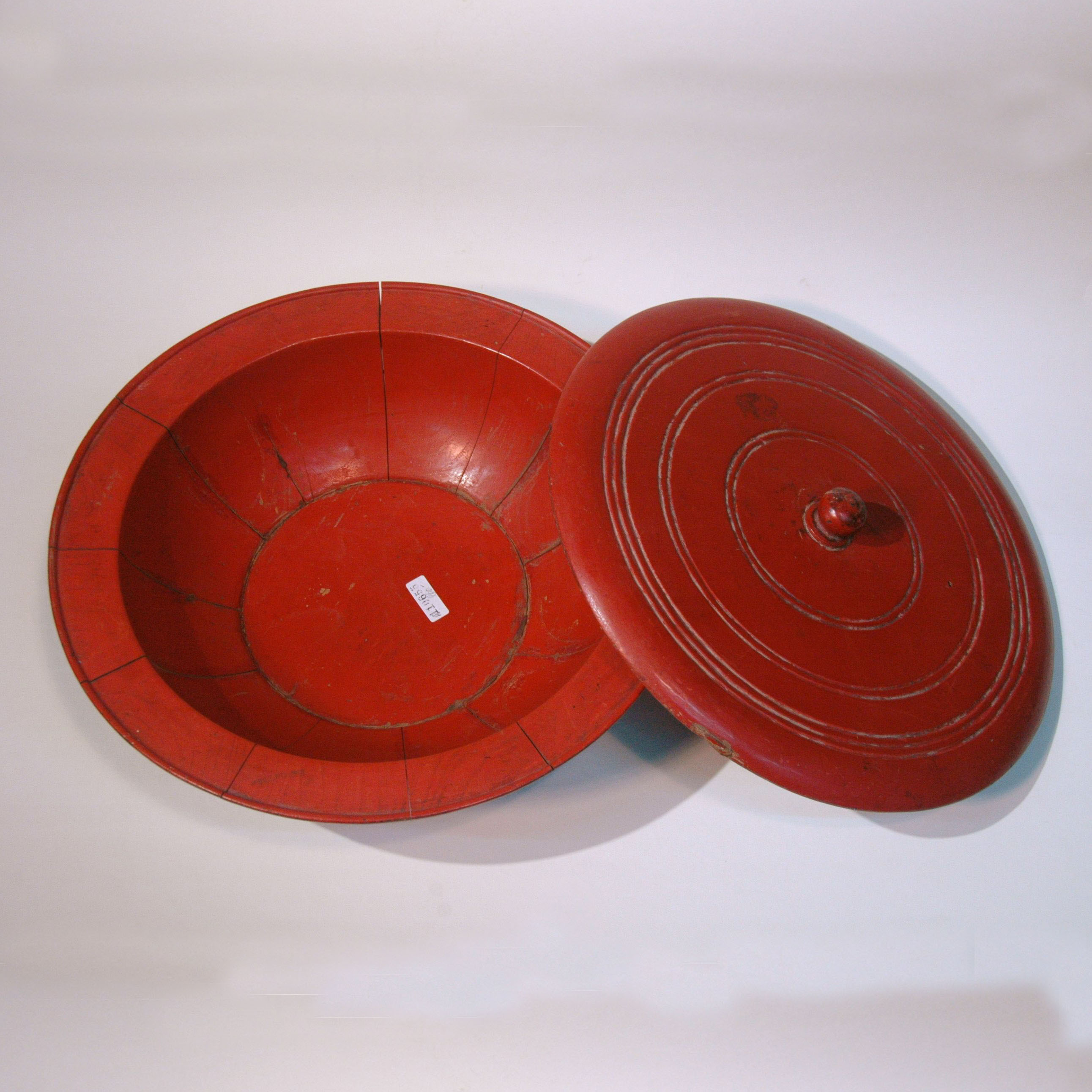
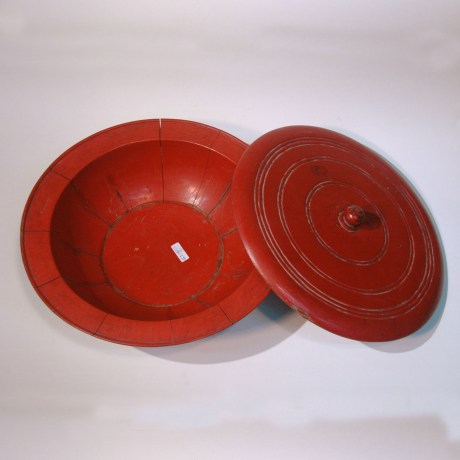
DIA340xH100mm, China

This red lacquer box is part would have been part of the dowry item in a traditional Chinese wedding.  In old China when the country is agricultural based, male is regarded as asset to the family with their labour and sadly , especially for the poor, female took on a minimal role in society.  It is said that a wealthy family their daughter is married off, a commoner’s daughter would be given away at the marriage and a poor man would have his daughter sold.  Wary of how the daughter’s life would be when she enters the groom’s family, the bride’s family would try their best to come up with an elaborate list of dowry so to ensure the status of their daughter in the new home and that she would not be seen as “sold”.  It so extensive that the production of the dowry would be categorized into wood work, carving work, lacquer work, box and bucket work and costume making.  In the morning of the wedding day, a team would set out from the groom to the brides house, after noon time, the team would return with the bride and the dowry procession.  For the riches, the dowry would be a full procession which goes on for miles.

This lacquer box is for storing confectionery.
 L380xW100xD20mm, China

This was an opium scale, I believed that this is only a bolder name for a scale of measuring items that are small and expensive (precious was the original choice of word but would be a wrong one if this were indeed an opium scale). The scale packed neatly into a custom carved out wooden case with the pivot rod is made out of elephant bone.
For how a Chinese scale works, please see the earlier post Scale which fits in a bamboo case.

W80xL250xH400mm, Thailand

The most famous rooster in Thailand is perhaps the one which belonged to King Naresuan.  King Naresuan was the King of Ayutthaya between 1555 – 1605, he was most famous for freeing the Siam of Ayutthaya from Burmese rule and subsequently the expansion of his empire.  Now how does the roost come into the picture?  It is believed in popular legend that the young Prince Naresuan wagered a bet with the Burmese Prince of Ayutthaya that if Naresuan’s rooster would won the cock fight, Ayutthaya would be freed from Burmese rule and of course the rooster being as couragous as his master won fiercelessly.  Ceramic rooster statues can be seen as offering to King Naresuan in a few temples in Ayutthaya.