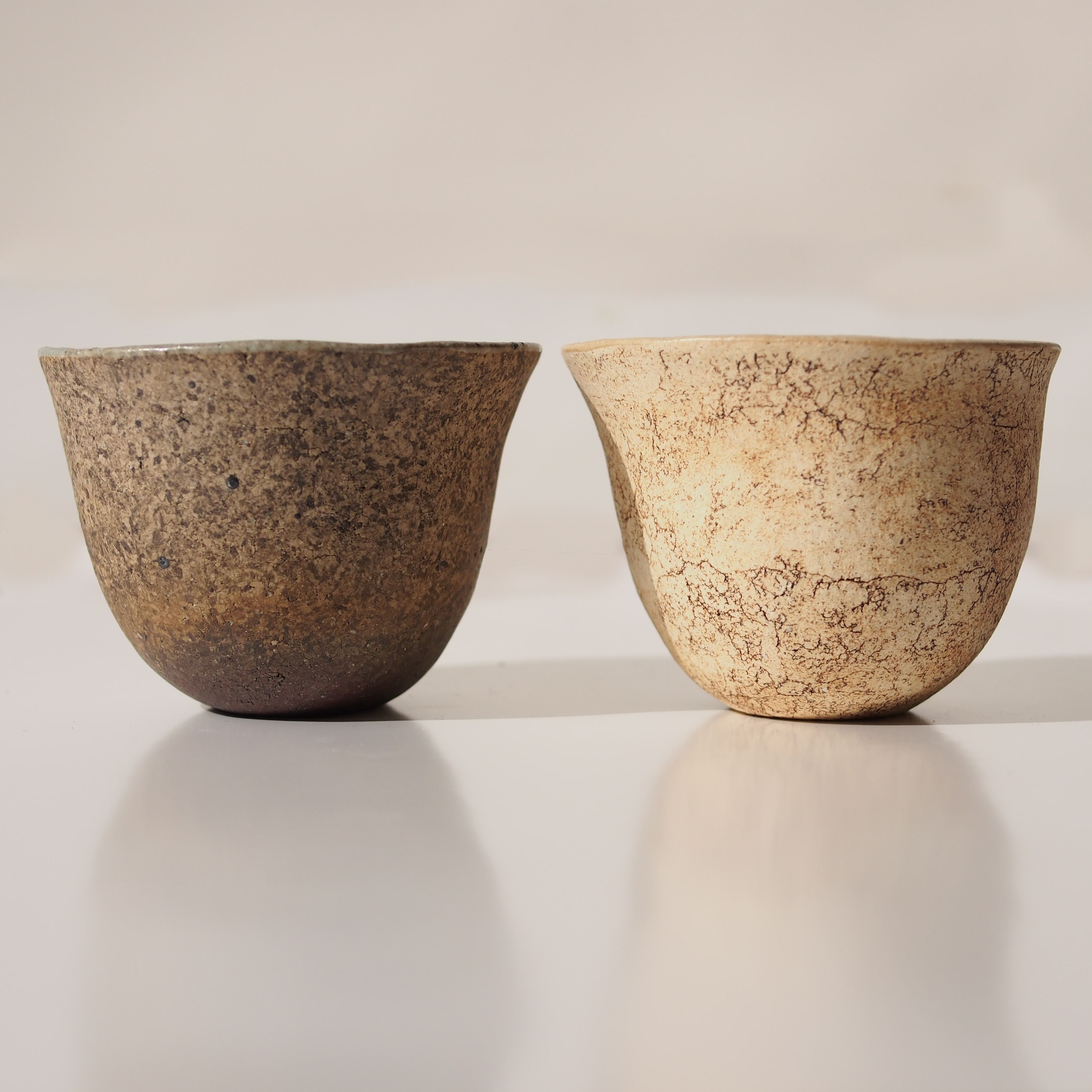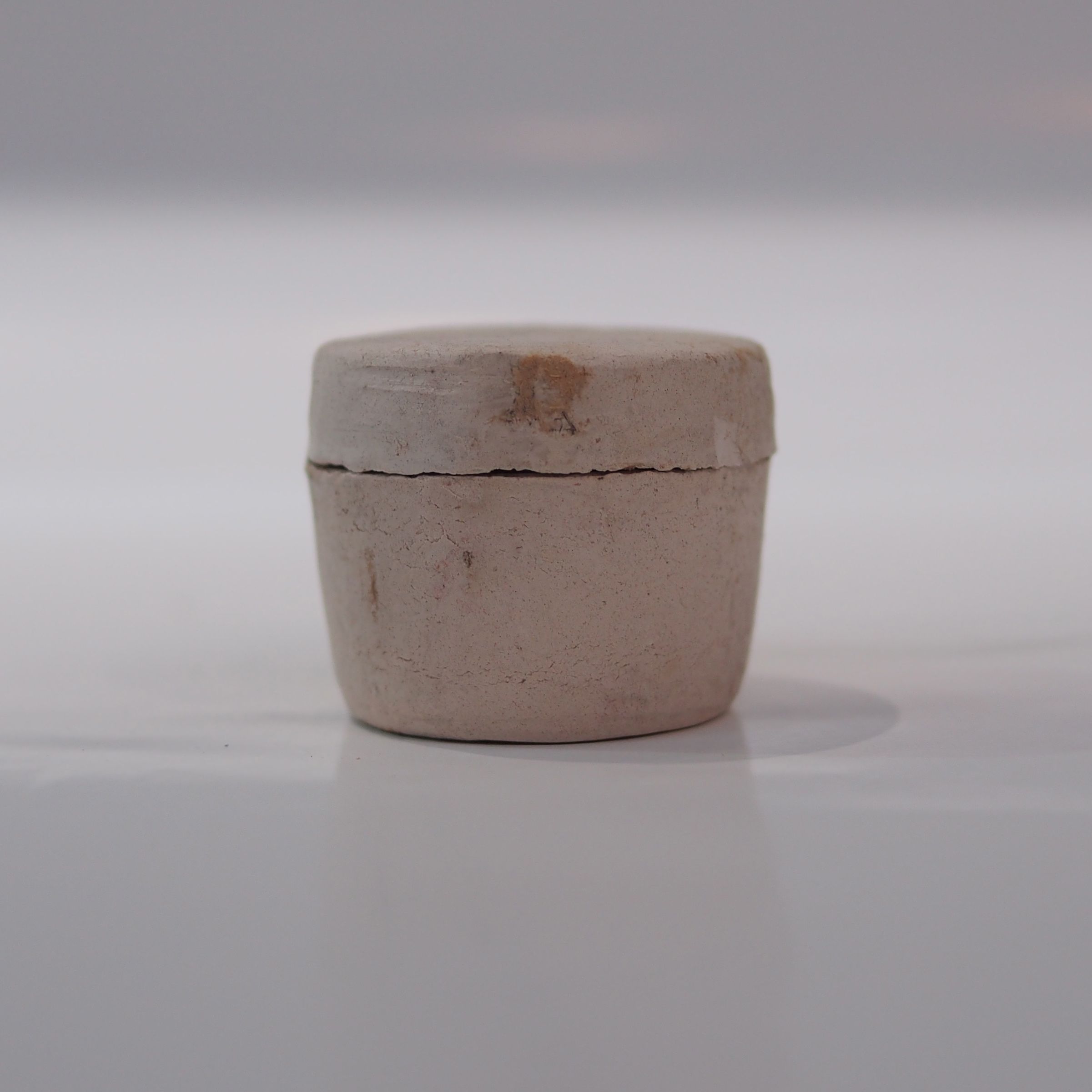
Handmade pottery tea bowls from Shigaraki, the texture on the exterior is rather rock like. One almost feel as if one is holding a piece of very fine stone. The inside of the bowls are glazed to prevent the tea from staining the bowl.
W100xD100xH70mm, Hong Kong (NOT FOR SALE)
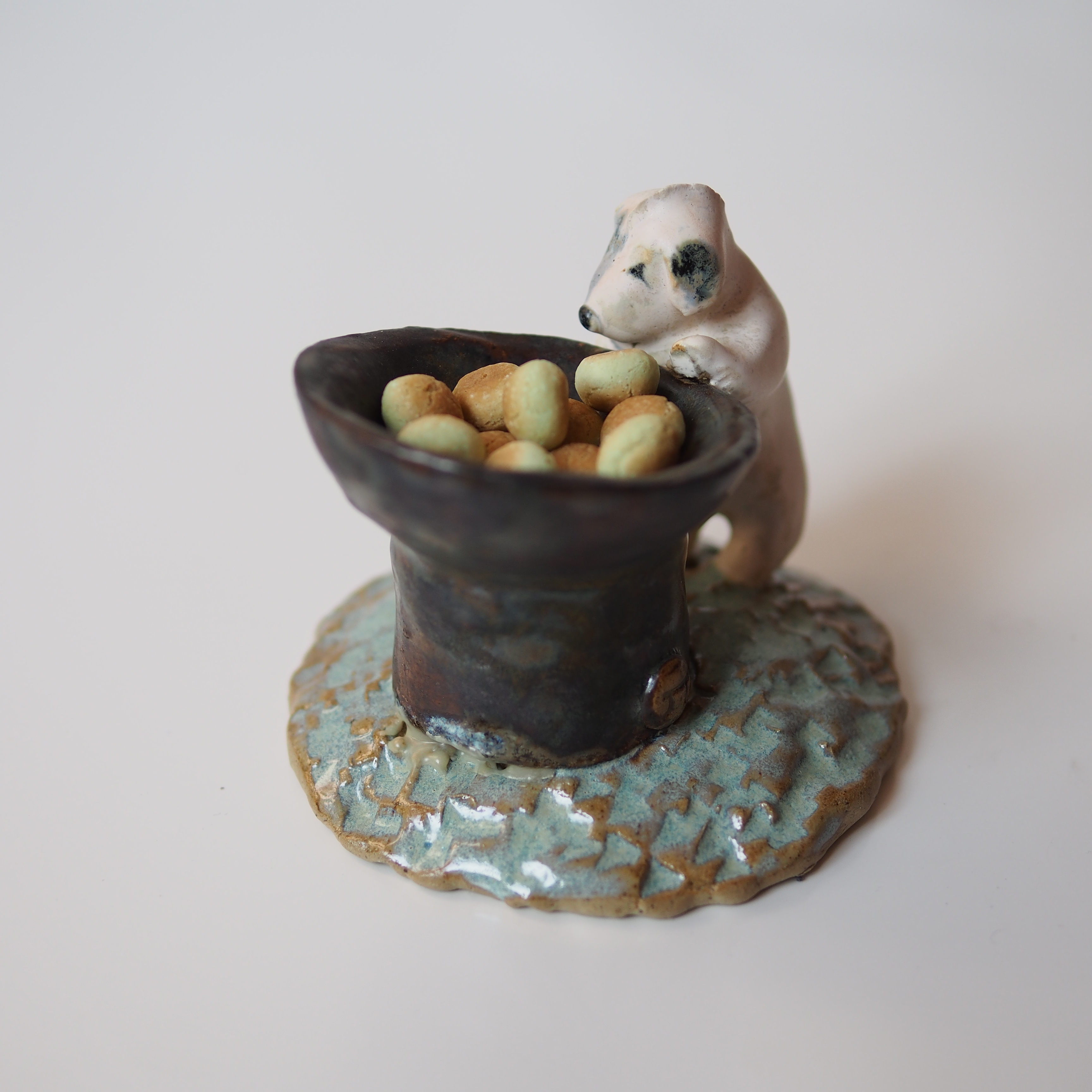
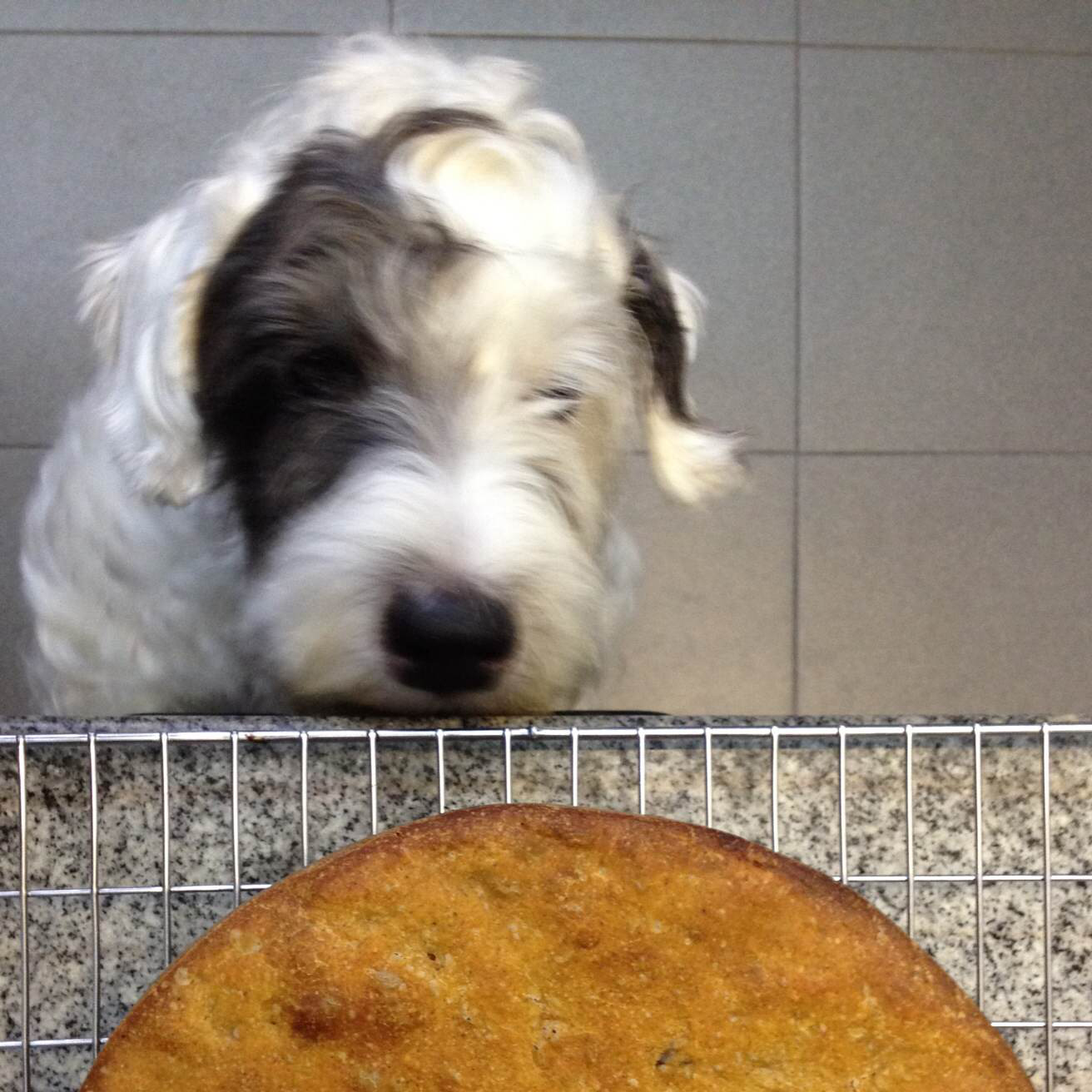
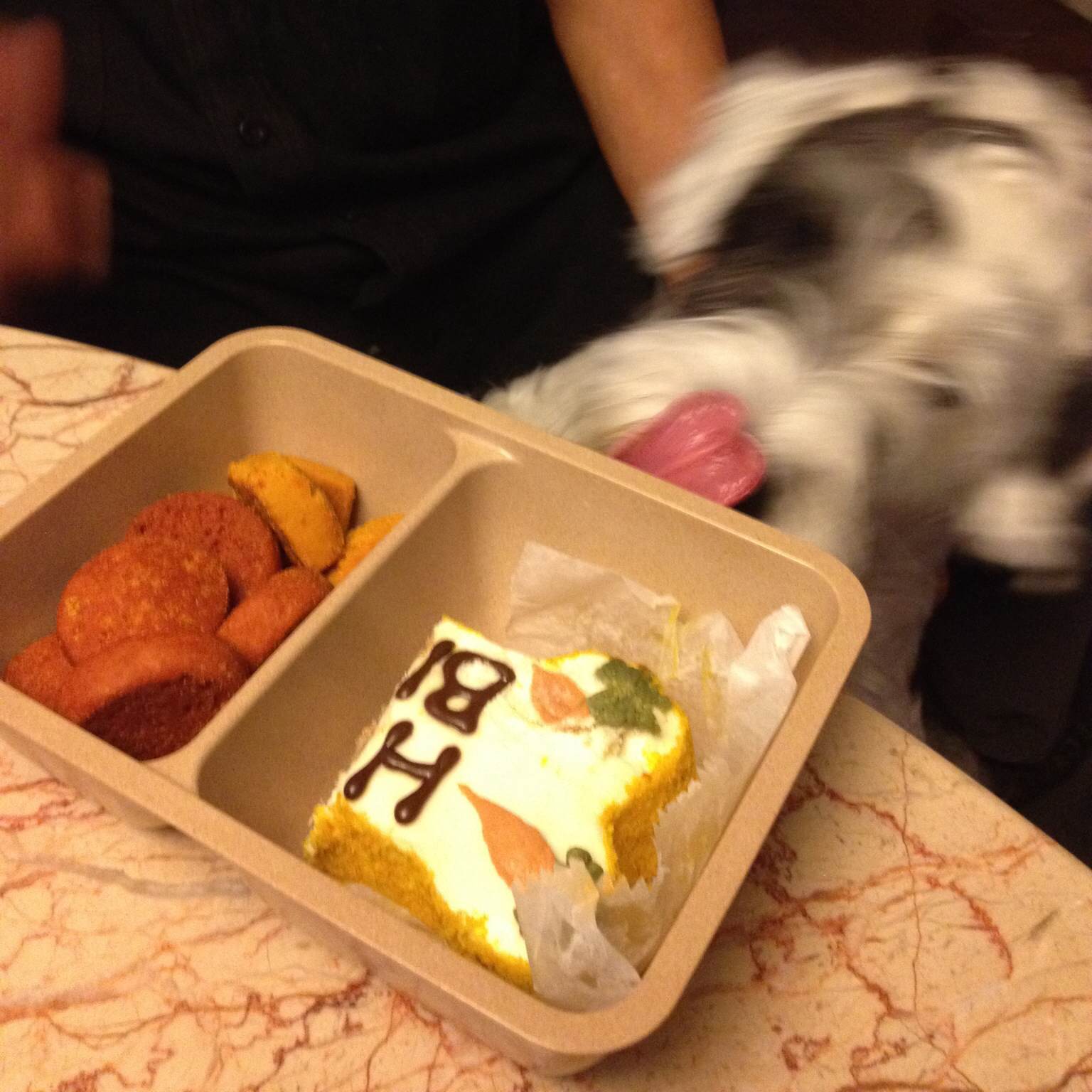
For Spikey‘s birthday, a treat tray for my father for dishing out munchies.
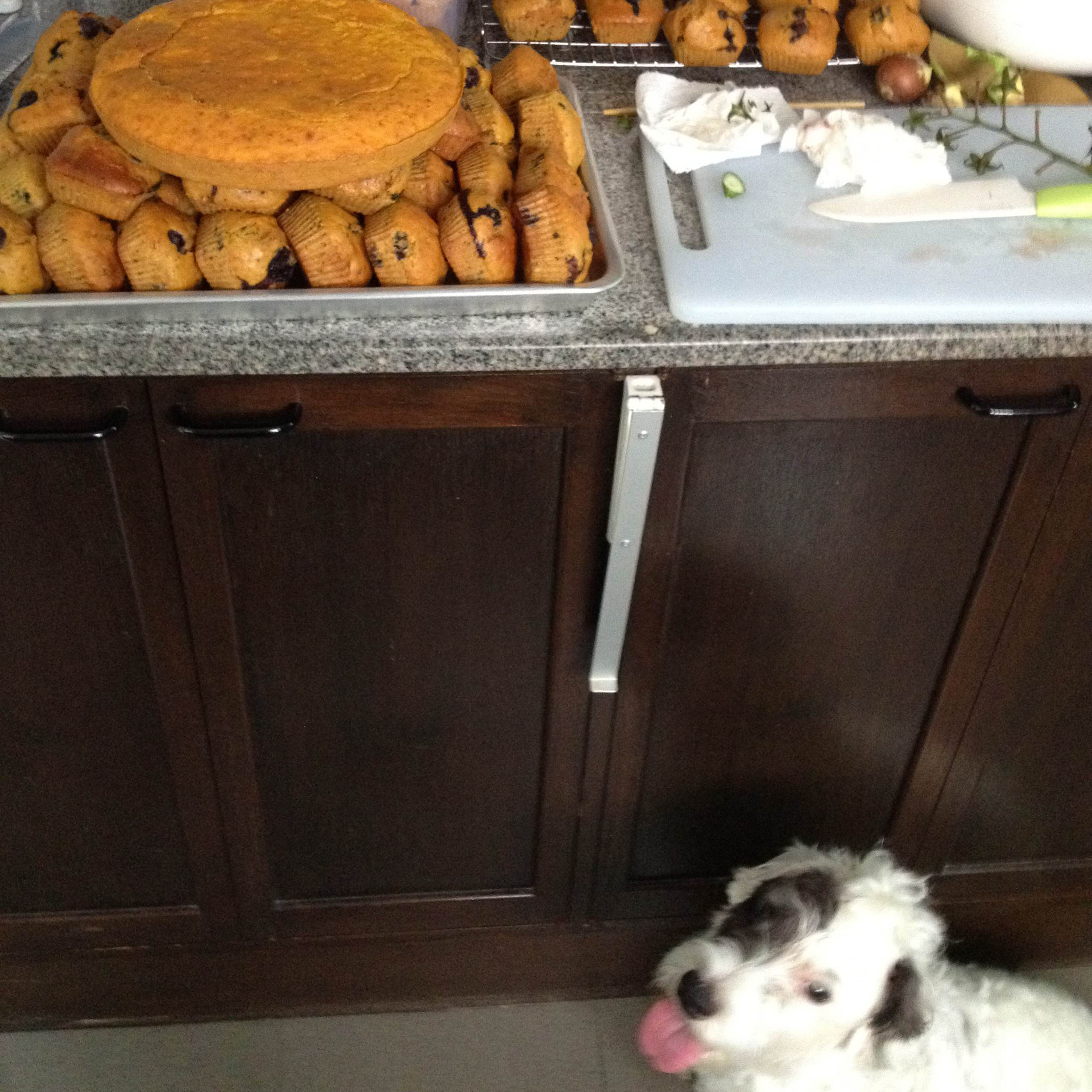
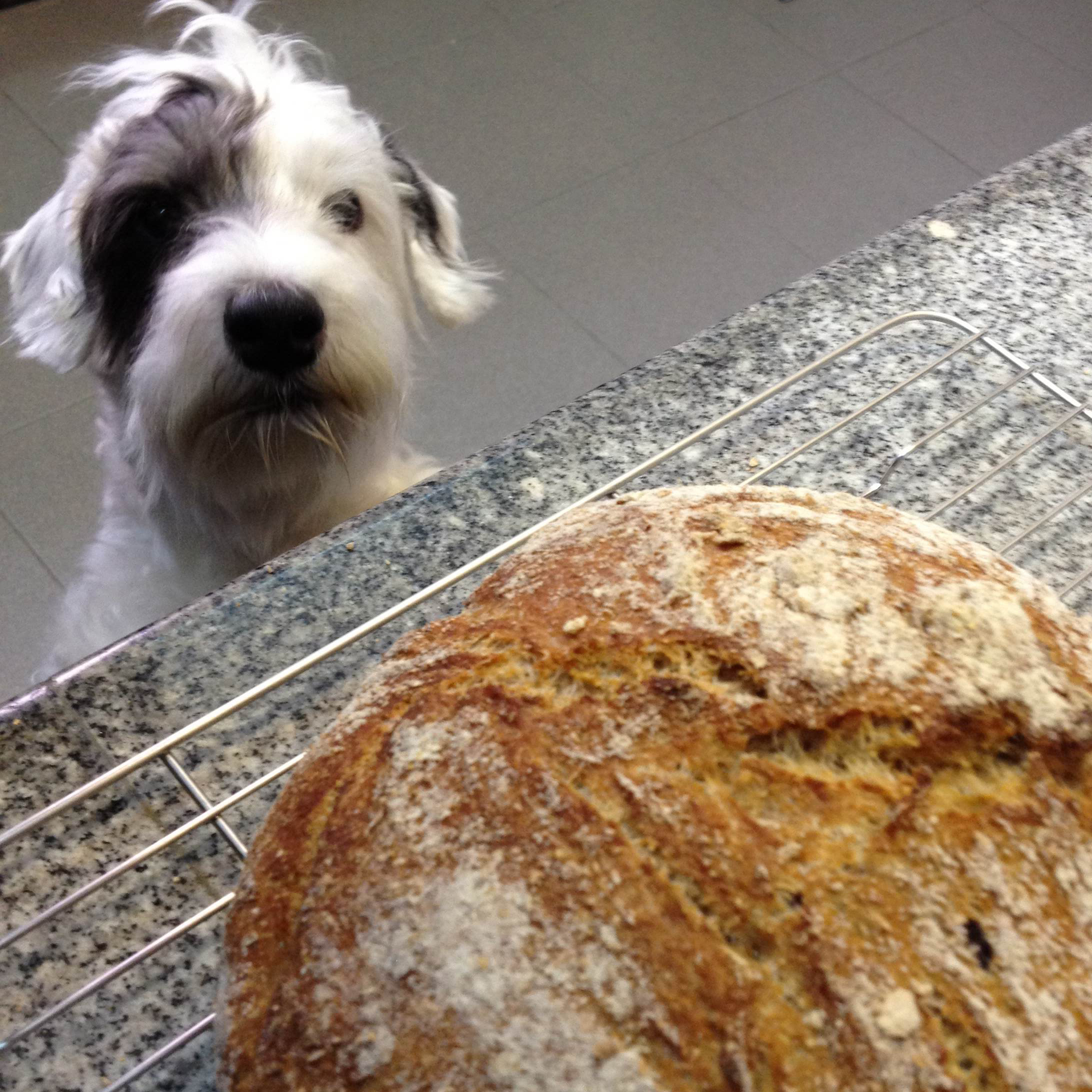
He really does behave like this with his food…
Can’t believe that you are already 6 years old.
Happy Birthday Spikey!

You can follow Spike’s own on www.spiketang.wordpress.com

DIA300xH330mm, China
Stock up enough alcohol for the holiday ahead?
This traditional Chinese wine jar would probably be large enough to last till 2014!
Instead of using a large cork, the jar would have been sealed with a strong paper which is secured by a string. Clay would be applied over the paper making it air tight. This is where the saying of breaking off the clay seal for describing the act of drinking comes from.
Please don’t drink and drive.
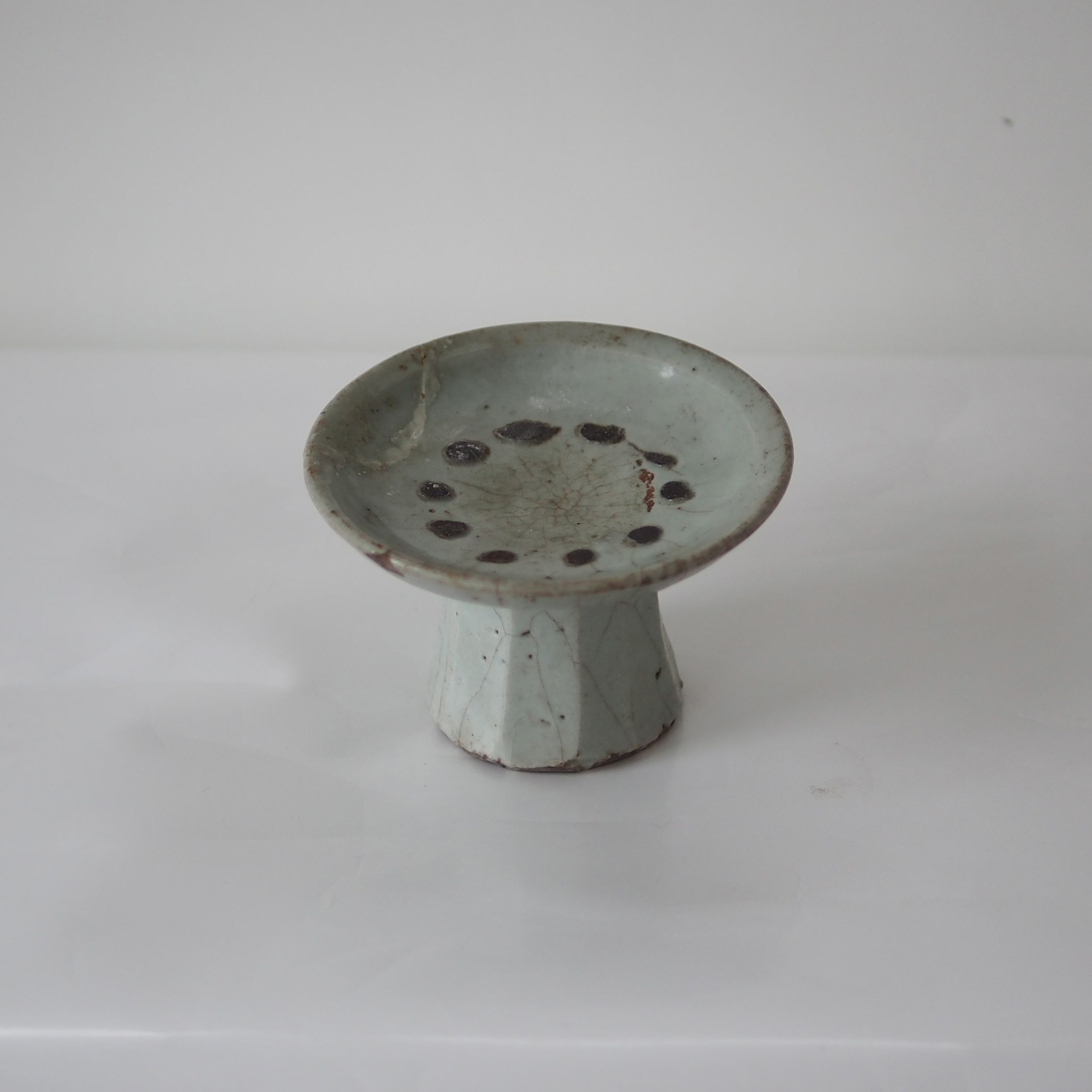
A plate for offering, like the bronze bowl featured earlier this week.
The random dotted pattern on the plate was not intention but marks left by plate stacked one over the other, over the glazed and all. The potter would have to knocked on the plates to release them as they would have been stuck together by the melted glaze. A crude way of doing pottery but yet giving a special feeling to the object.
DIA120xH150mm, China
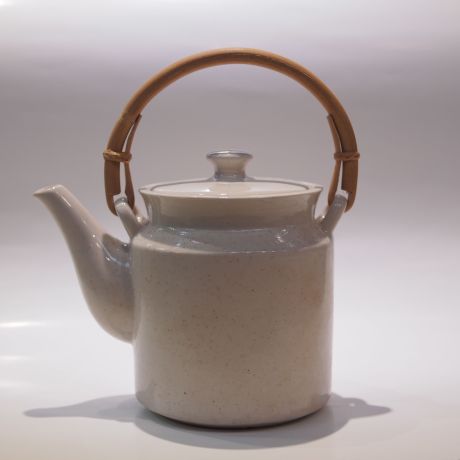
This is our family teapot, though it might look very modern or even muji like, the form has been around since the late Qing dynasty.
My first association of a teapot was from a drawing, then the nursery rhyme. When I was old enough to go to restaurants that I met the first teapot in a tea house (the place where they serve Chinese tea and dim sum). It was a comical looking object, perfectly fitting to the first two descriptions I had learn, rounded short and stout. It was not until later when I was trusted to pour tea for myself that I realized it is impossible to maneuver this typical Chinese teapot. The design is appalling, the pot is short and long, the momentum pivoted from the handle made it heavy to hold, then the handle to small making your fingers scorch by the side of the pot. It is made worse by the dripping spout and the lid that keep falling off. If the Chinese love to drink tea then why would this become the standard teapot for tea houses and restaurants? Looking at the history of Chinese teapot where the form was influenced mainly by the development of tea brewing method, design of teapots were sophisticated and refine, it would seems that there is no place for an object like this to survive. My only guess is that it has been modeled after one of the miniature zi sha teapot, the special teapot where the fragrance of the tea is celebrated. Tea leave packed, brew for seconds with small amount of hot water which is completely drained out for consumption. The whole design evolve around the power of the smallness, scaling it up loses all its meaning whatsoever.
W180xD80xH360mm, China
(in the order from left to right – Fu Sau, Lu)
In my generation and those before, the blessing trio figurine could be seen at the focal point of all homes.
The three are a combination of all good blessings,
Fu – good fortune,
Lu – prosperity,
Sau – longevity
The three were originally concept of the astrology, stars.
Fu Star – the planet Jupiter
Lu Star – Ursa Majoris
Shu Star – Canopus
In the Ming dynasty the Taoist, attributed the Stars to persons or saintly figures and the three are grouped together to symbolize the idea of a good life ever since. Perhaps life has become less harsh or simply the flats are much smaller, Fu Lu Sau figurines are seldom seen in homes.
The four season flowers, Narcissus, Lotus, Chrysanthemum, Plum Blossom, were a popular decoration for pottery and other works of art. They symbolizes a good fortune for all the four seasons.
Click to see the other four season flowers pottery ware.
The four seasons are appreciated all over the world, here is Mutter’s amazing performance on Vivaldi.
DIA210xH30mm, China
This plate gave me an impression that it is not Chinese, this feeling most likely came from the scribbling scripts on the plate which resembles a foreign language. But on closer inspection, there is a mark on ten o’clock which inscribed the word 熏. This happened to plates that were quite common, a mark for identifying your own if they were to be mixed up in a lot of similar ones.
The pattern on the center, two, four, six, eight and then o’clock resembles a flower, as sunflower is not a common object on Chinese pottery, it would be fair to assume that it is a chrysanthemum. Looking at the scribble again, there seems to be a repeating icon which makes the language again unlikely. Scrolling foliage pattern is typical for Chinese floral pattern, basing on this i started by search and this is probably what the original designed was like and after years of abstraction by the village craftman, the design has transformed itself altogether.


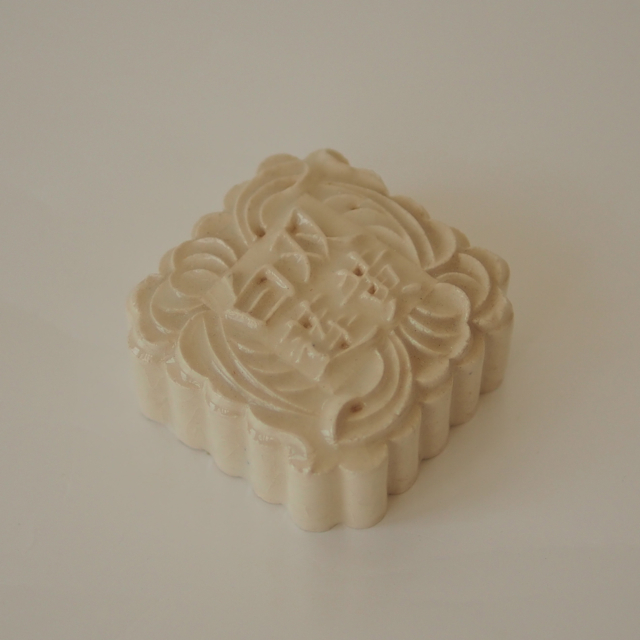
This is a ceramic paper weight made in the shape of a moon cake.
Today is the 15th of lunar August, the middle of autumn when the moon is at its fullest. Since the Zhou dynasty people has started to worship and celebrate the moon on this night. Food, such as moon cake, water melon, apple, dates, plums and grapes will be offer to the moon on an alter together with candles. Today, for most people the moon festival is about the appreciation of the moon, a time for family reunion and of course a feast.
As people becomes more health conscious in recent years, the once a year of loaded sugar and cholesterol is too much for some, the sales of moon cake has started to decline. However, they have found another target customer – doggy mooncake, mooncake made especially for the man’s best friend. Looks like they have found spotted the right target!