We have a large bamboo steamer in yesterday’s blog and today a miniture one is featured. This small tea container is a Yi Xing pottery, the famous teaware province. As all Yi Xing teapots are hand built instead of made by on the potter’s wheel, the artisan are extremely crafted with their hands. This miniature has all the details of the real bamboo steamer.
When one think of Yi Xing pottery, the dark brown colour clay (Zi Sha) comes to mind. The brown colour of the Zi Sha comes from the high content of iron. In the same area apart from the Zi Sha are other types of clay and the white clay is one of them.
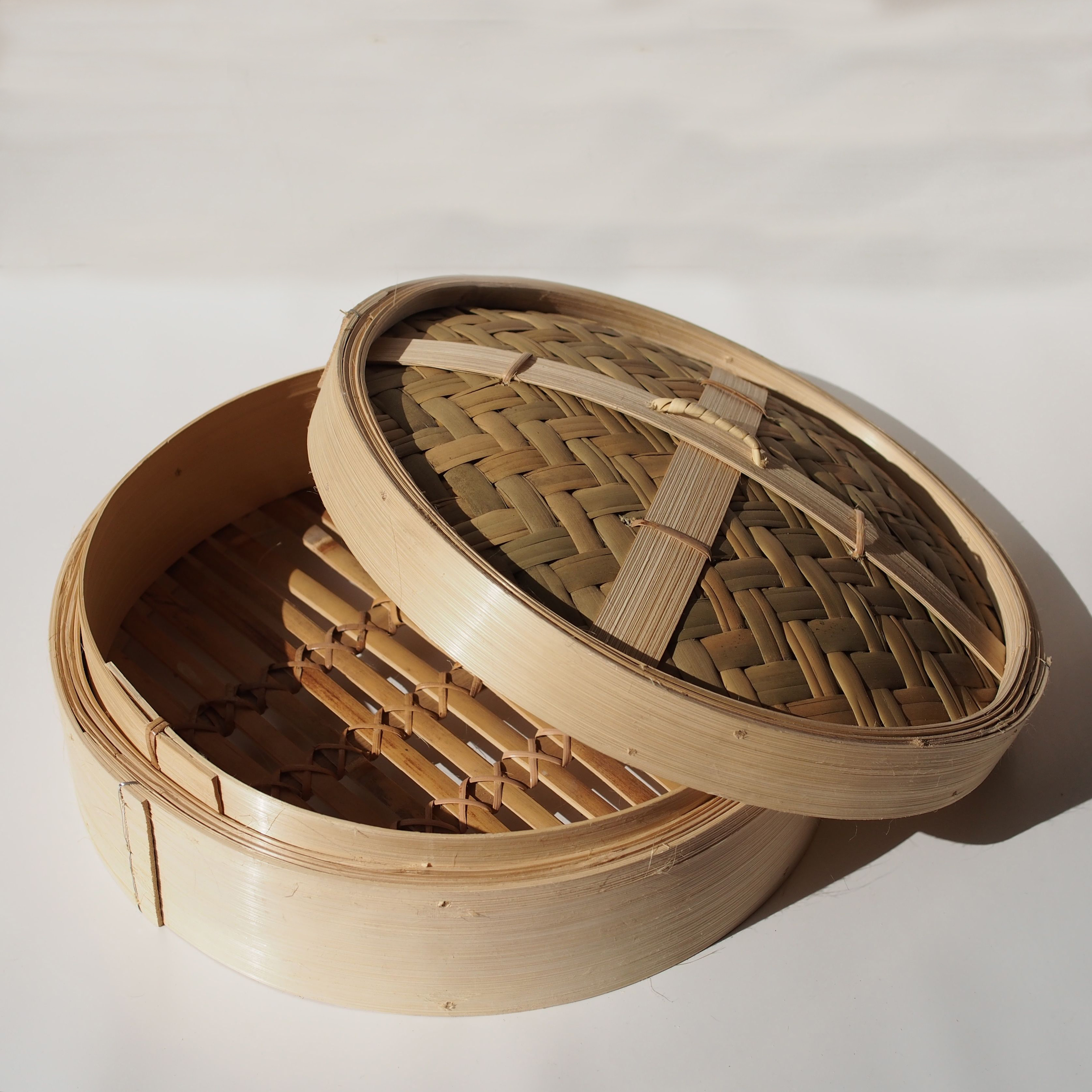
Food steaming has become one of the way to a healthier lifestyle; food is cooked at 100c over boiling water killing germs and the add of oil is not essential hence avoiding trans fat. Typically, the steamer would be placed over a wok filled with boiling water, the steam from the water would filled the steamer through the gaps at the bottom, the food would be cooked with all the juices and flavor retained.
It was said that the method was first invented for the Han dynasty army for rejuvenating their dried ration, the steamers can be stacked up to heat up large quantity of food. The elimination of oil used in this method also made the enemy harder to detect the location of the camp. However, with archaeological discovery the steamer seems be have appeared long before, to be as far back as the Zhou dynasty, some 2000 year ago.
Tomb cave painting of the Jin dynasty
Unfortunately, though the method lives on with the high tech electrical steamer, the age of the bamboo steamer is on its last legs, their used to be streets filled with artisan making bamboo steamers, now there is only a couple in the city. It seems like its ancestors, the bronze and the ceramic steamer, the bamboo version is replaced by the stainless steel and the plastic version.
Bamboo is a plant that can be found in most part of China, not only is it a source for food, it is also used from scaffolding for architecture, to delicate weaved containers and nowadays for flooring and even clothing.
This bamboo box, I found is one of those back to the basic ideas. Making use of the culm (the main shaft) and the nodes (the horizontal structure), a container is naturally form, the fibrous culm gives the box its texture.
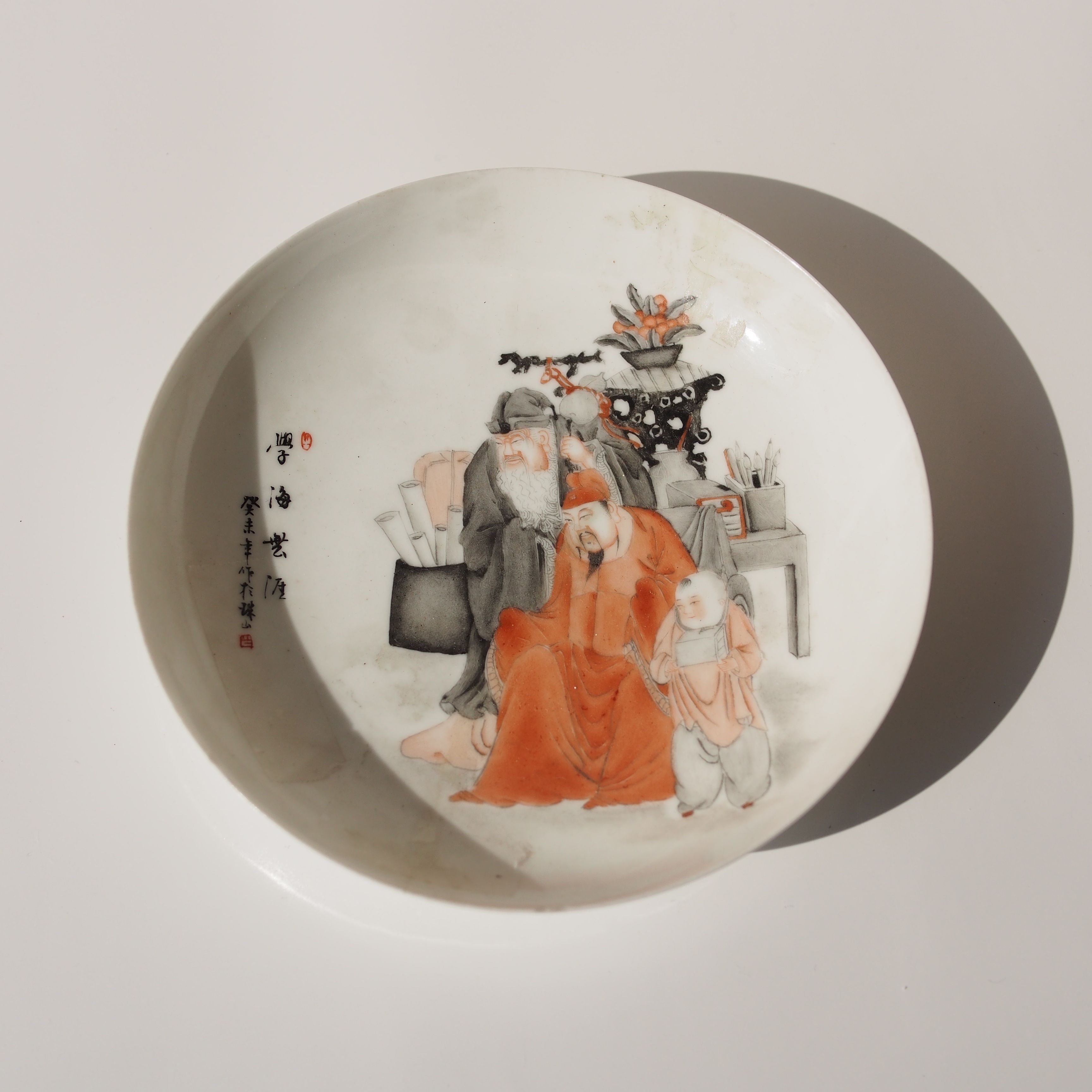
On the plate is painted 3 generation of scholars, the well learnt elderly man, the established and the scholar to be. Behind them are a selection of scholarly objects and collectibles; scrolls of painting and calligraphy, stationary, books and root sculptures. On the side of the plate is the phrase “knowledge with no cliff”, meaning knowledge is so board that it is like an ocean without an edge.
This phrase is well learnt by most young students, as an encouragement for acquiring knowledge. The phrase came from the late Ming well known writer Zhang Di who was born in a wealthy intellectual family. Well learnt, he indulges in decadent love of beauty; pretty maid, handsome serving boys, fashion, gourmet, elegant horse, glamour, crowds, painting, antiques, etc, etc. The life style and the political situation made him a poor man at later years, he found himself failure in all counts. This however, made his writing all the more powerful.
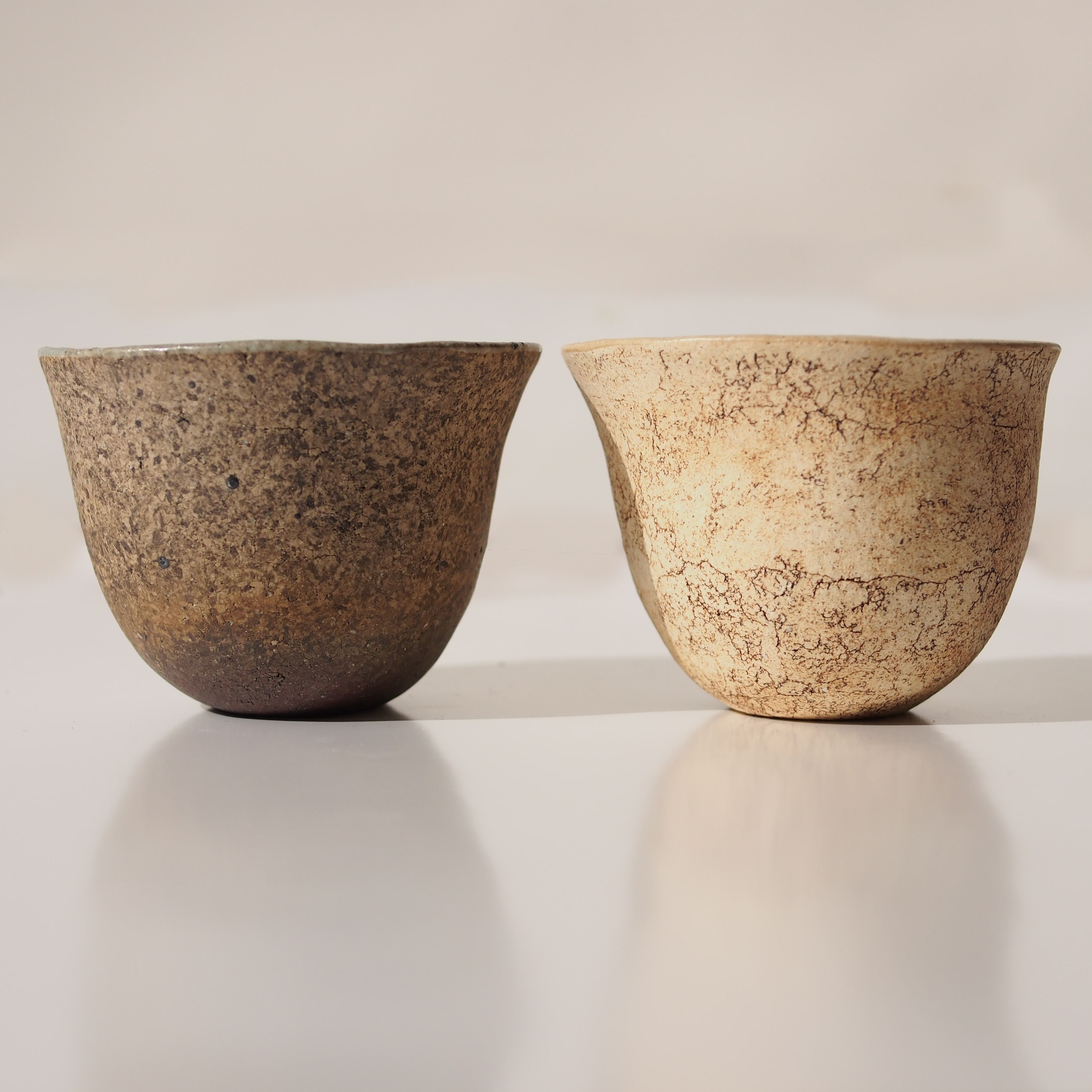
Handmade pottery tea bowls from Shigaraki, the texture on the exterior is rather rock like. One almost feel as if one is holding a piece of very fine stone. The inside of the bowls are glazed to prevent the tea from staining the bowl.
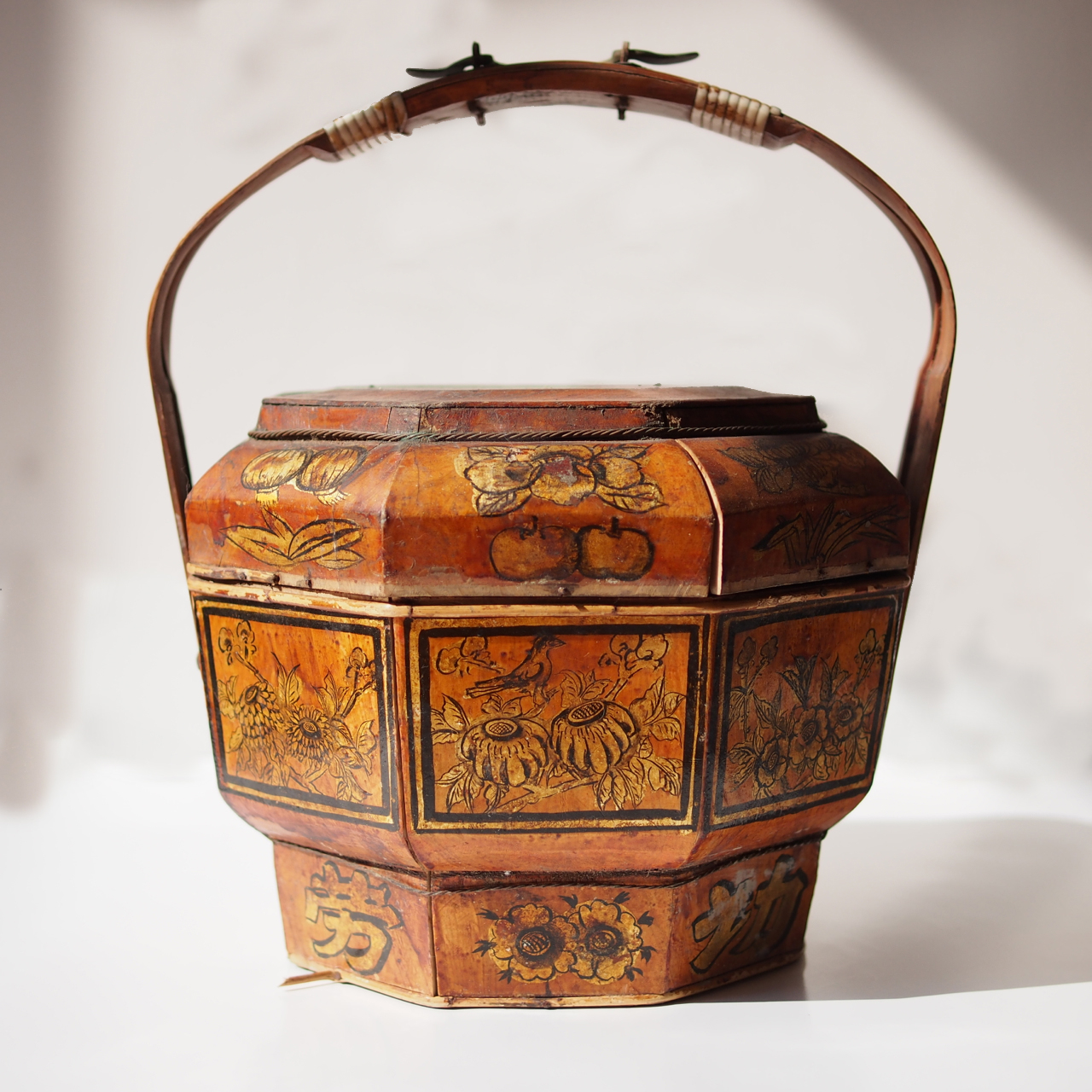
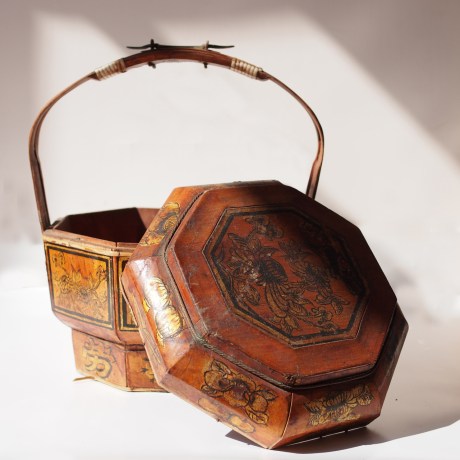
A traditional Chinese hamper for delivering delicious goodies. Unlike the gift hamper that one receive nowadays, the hamper is not a part of the gift and would need to be return to the owner. Not only is it return but it is also expected to contain a red packet, a return gift in monetary form, “砸籃” (weighting the basket). In the traditional Cantonese gift etiquette, when receiving a food item as a gift, one would give a red packet to the giver, this is known as “砸” (za), the term that originate from the gift basket.
Stock up enough alcohol for the holiday ahead?
This traditional Chinese wine jar would probably be large enough to last till 2014!
Instead of using a large cork, the jar would have been sealed with a strong paper which is secured by a string. Clay would be applied over the paper making it air tight. This is where the saying of breaking off the clay seal for describing the act of drinking comes from.
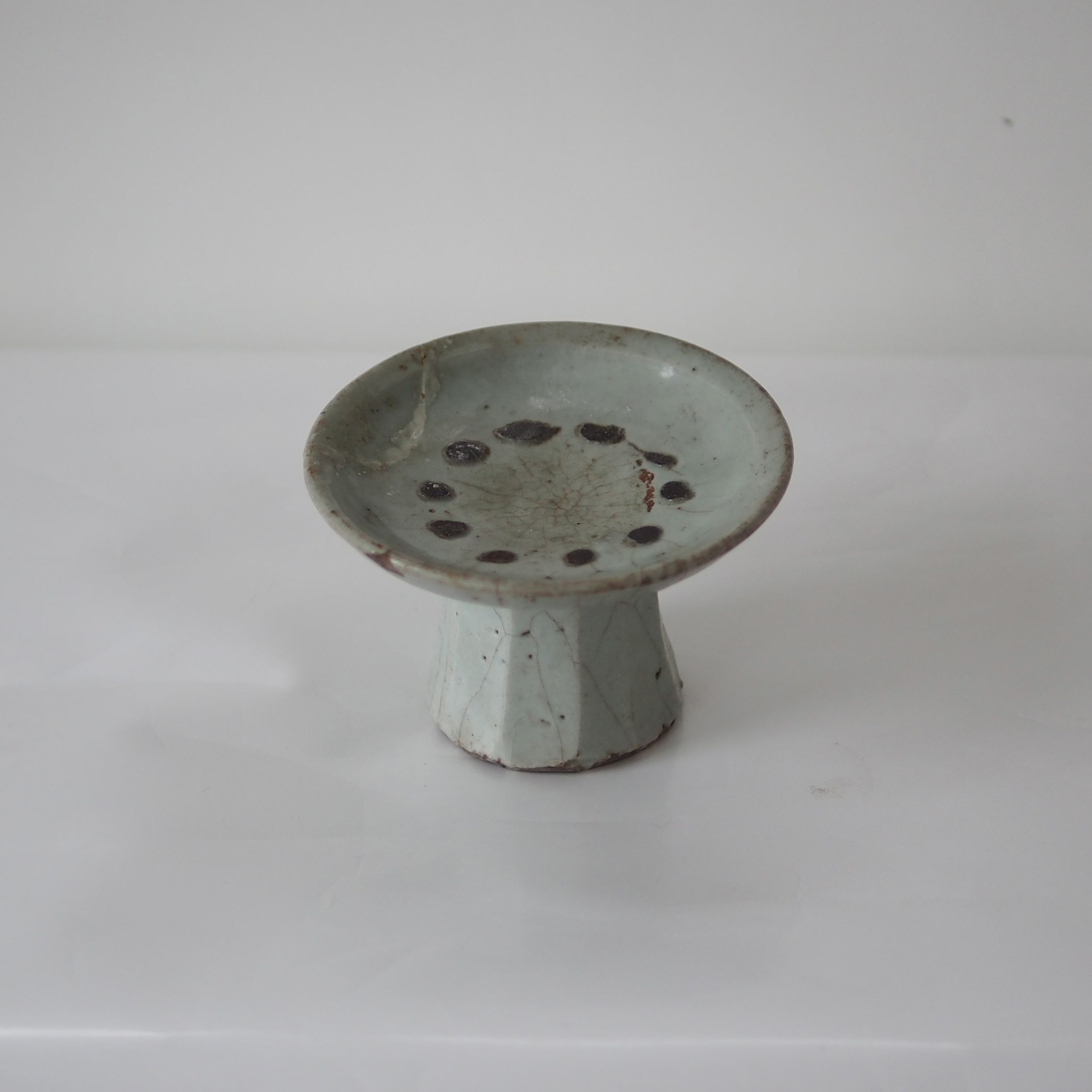
A plate for offering, like the bronze bowl featured earlier this week.
The random dotted pattern on the plate was not intention but marks left by plate stacked one over the other, over the glazed and all. The potter would have to knocked on the plates to release them as they would have been stuck together by the melted glaze. A crude way of doing pottery but yet giving a special feeling to the object.
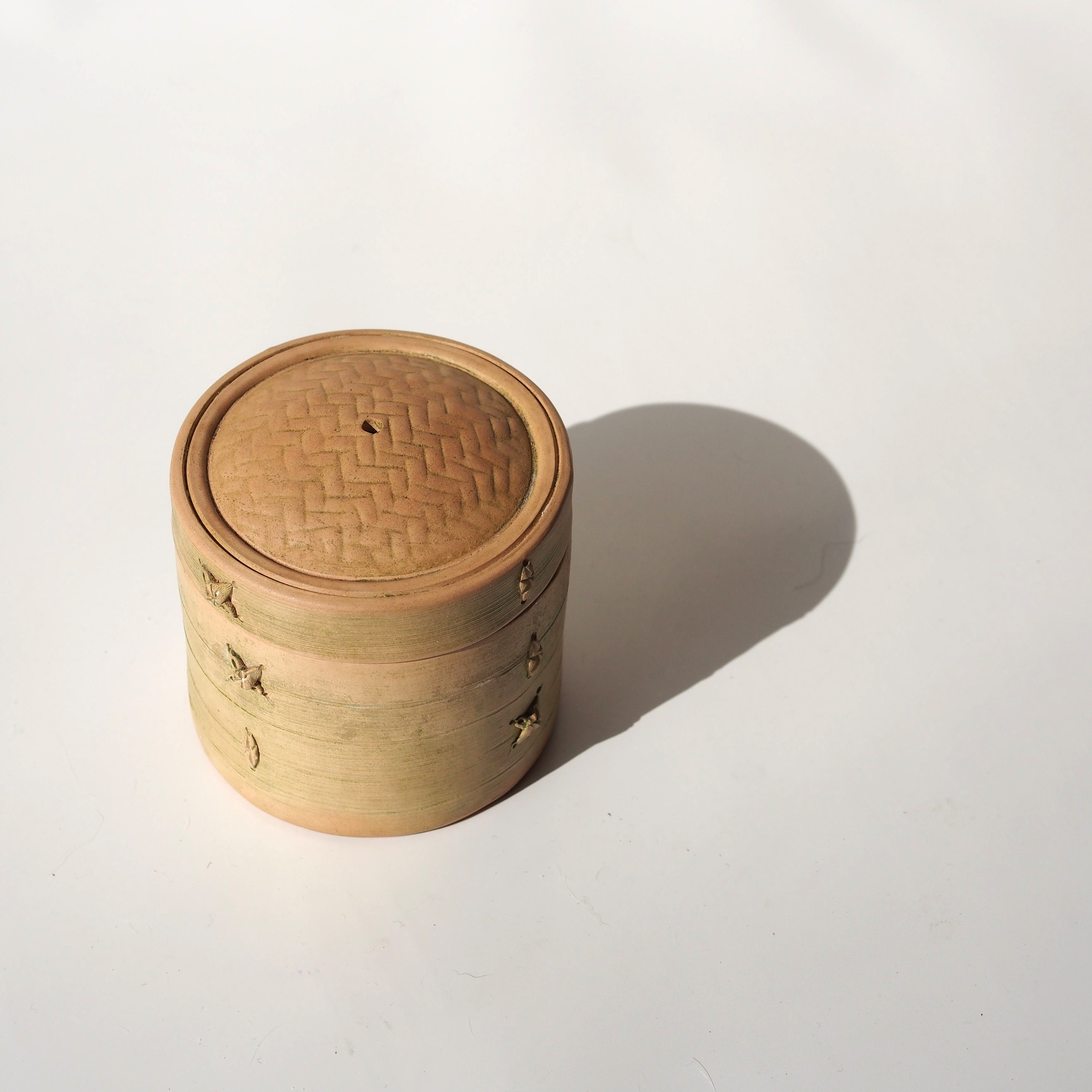
 DIA95xH100mm, China
 Tomb cave painting of the Jin dynasty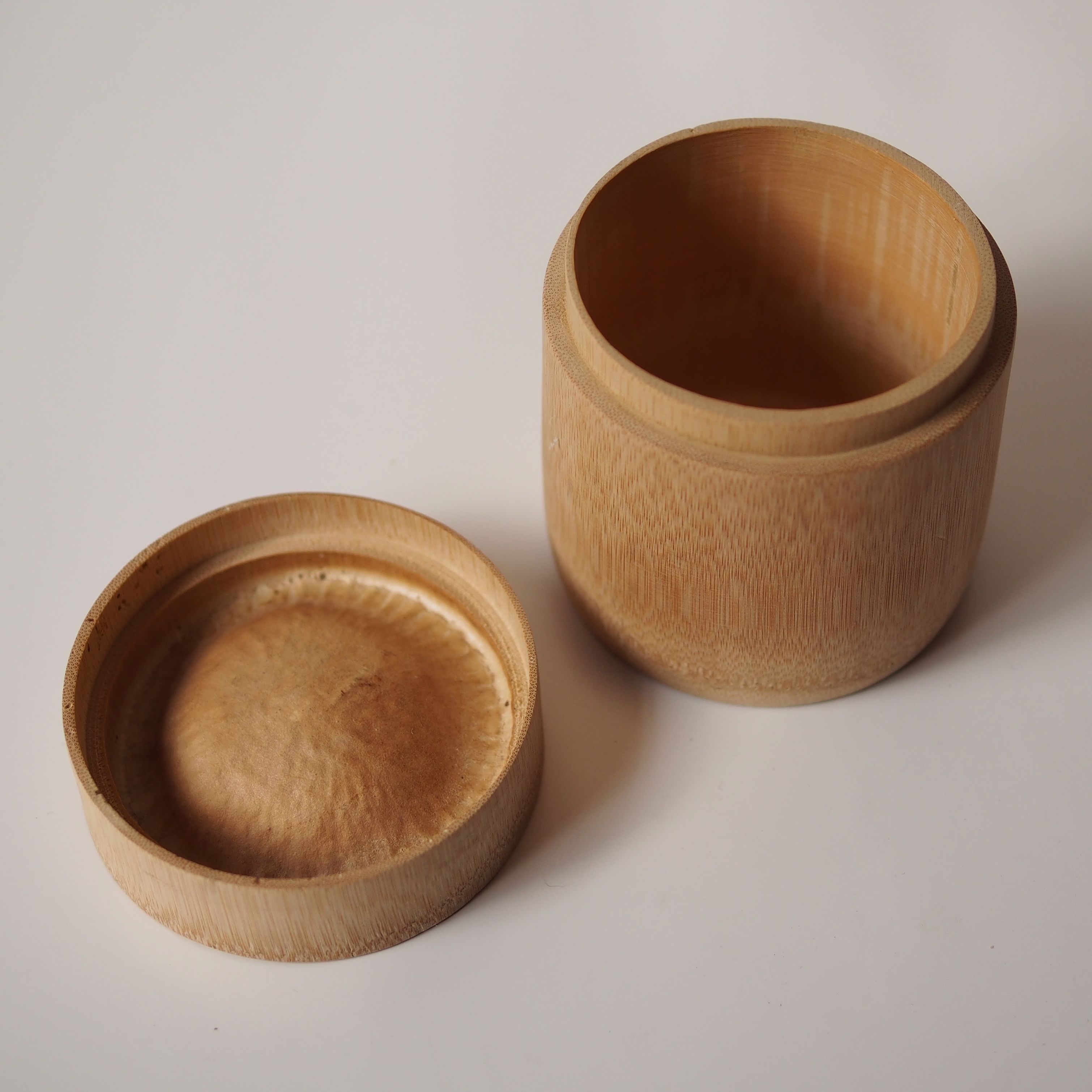




 DIA300xH450mm, China

 Mountain Folkcraft