Archives for posts with tag: chinese

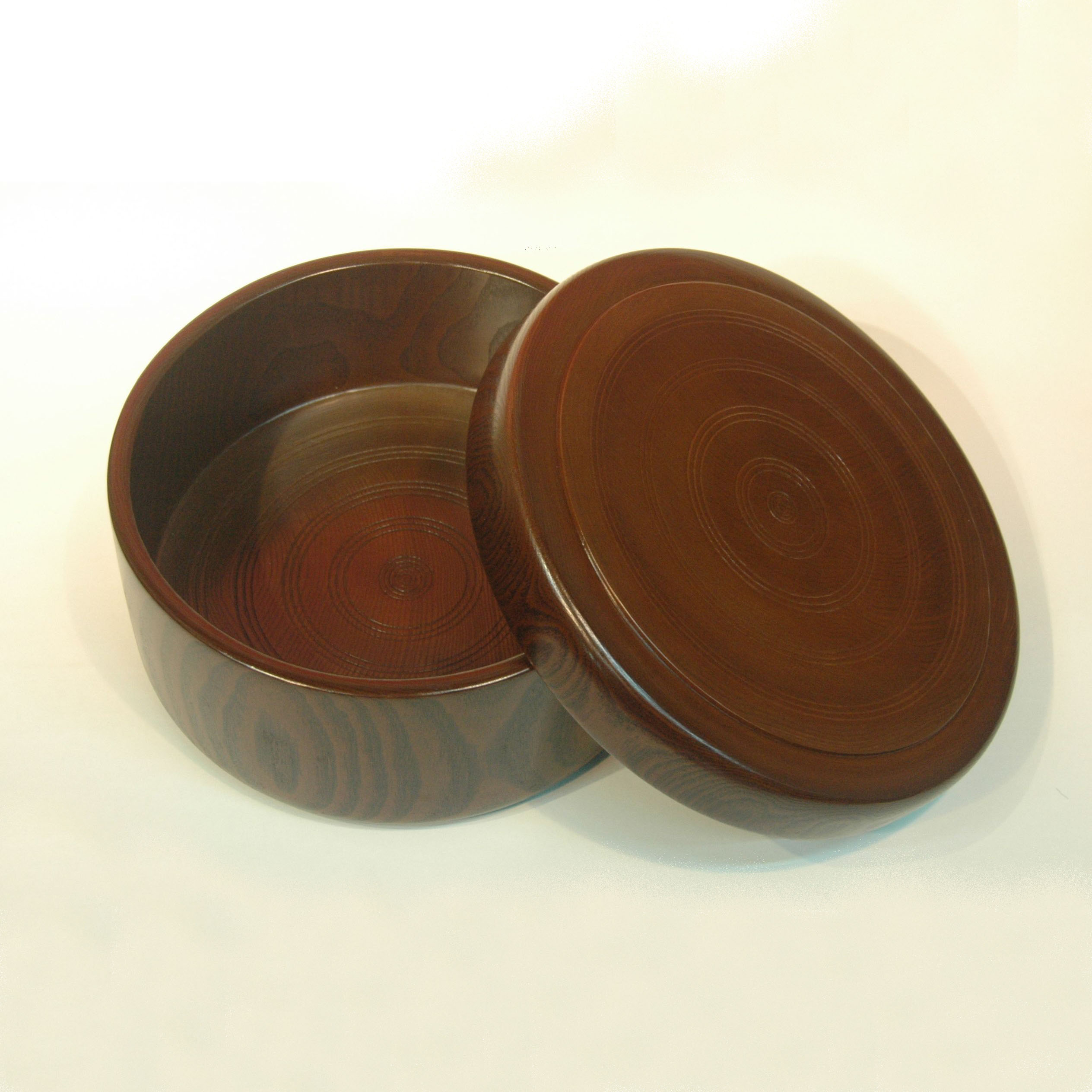
DIA300xH140mm, China

This wooden box is made out of  single piece of wood, with the void area taken out using a lathe.  The wood would be fixed and mounted, with the spindle (a spinning mechanism powered by foot paddle in the old days), it is spinned around on axial.  The wood is then hollowed out with a tool held against the spinning piece of wood.

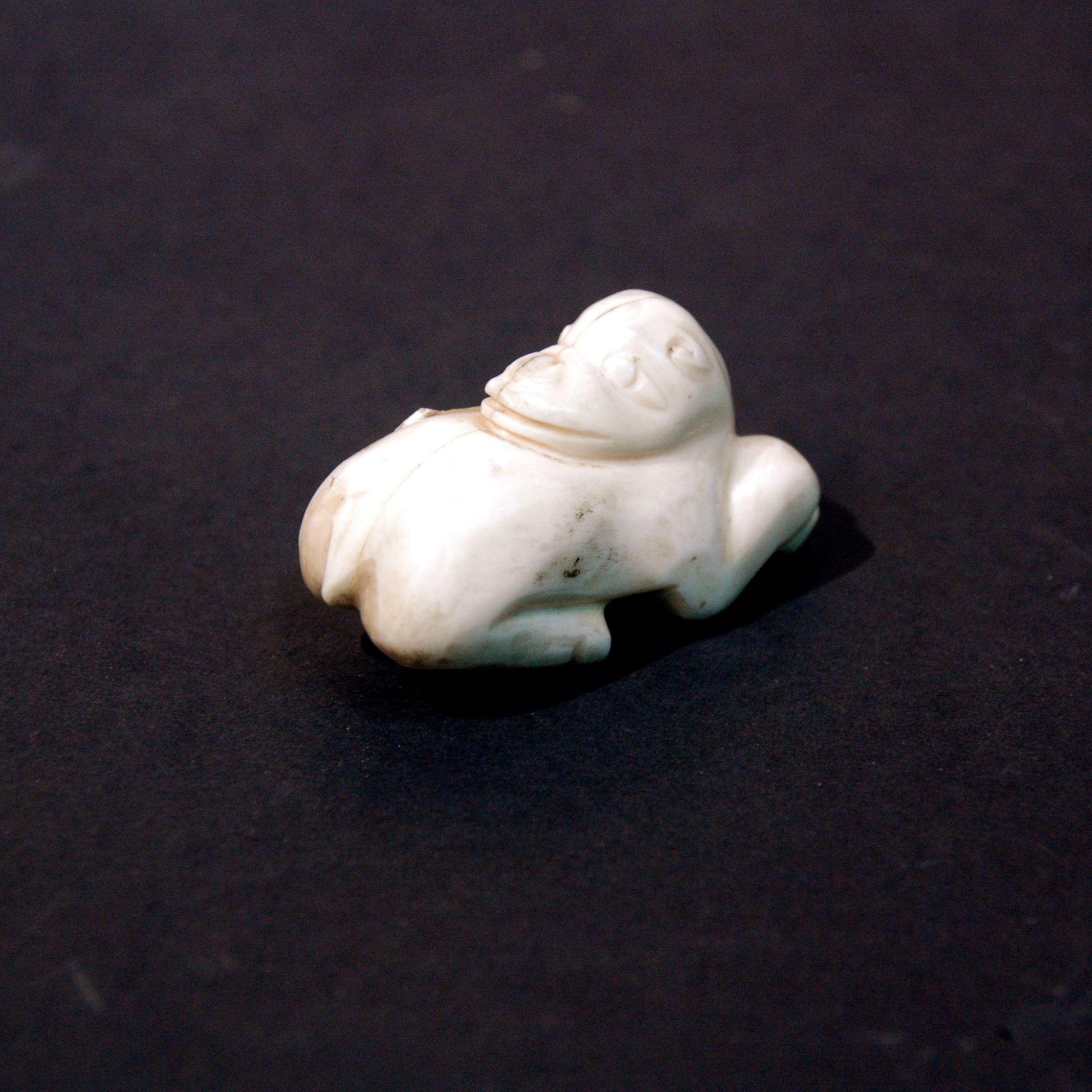
W30xL60xH80mm, China

This stone carving has puzzle me for a while; what creature can it be?

It has:
no horns,
a short neck,
long legs,
hoofs,
short tails

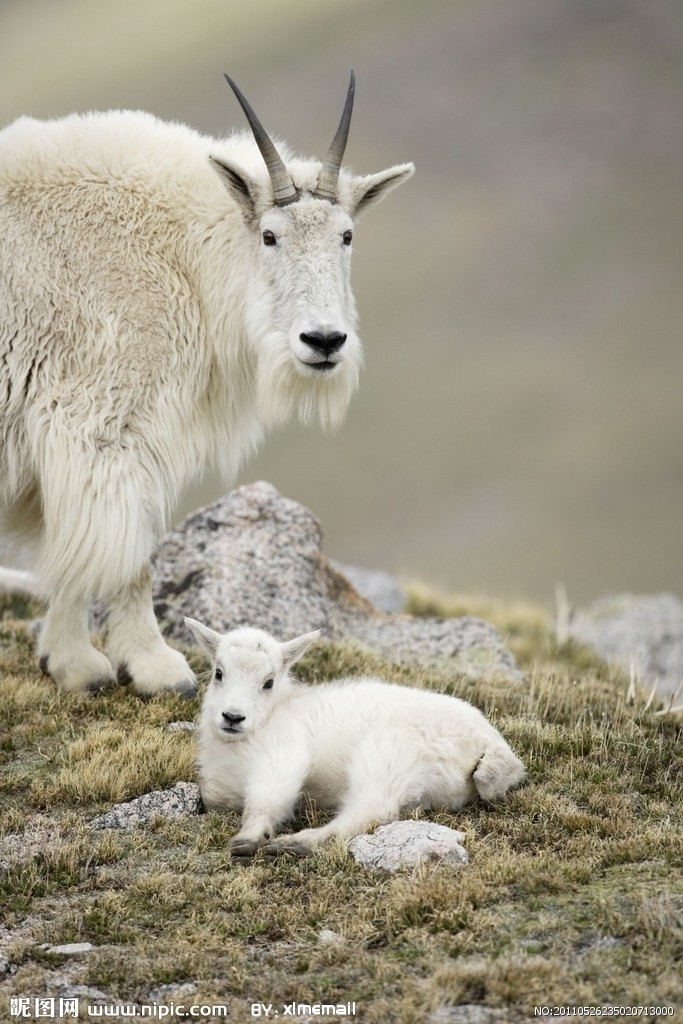
Baby goat?
let me know if you have a better guess.

W100xH120mm, China

Apology for not blogging for the last few days.  The blog is back on again!

Knife-Horse-Man is the name for artifice whose subject is based on war based stories or opera.  K-H-M can be found in paintings, illustration of ceramics down to folk toys like these.  Some of the clay K-H-M figures can be as tall as 600mm, it is believed that they are able to protect the household.

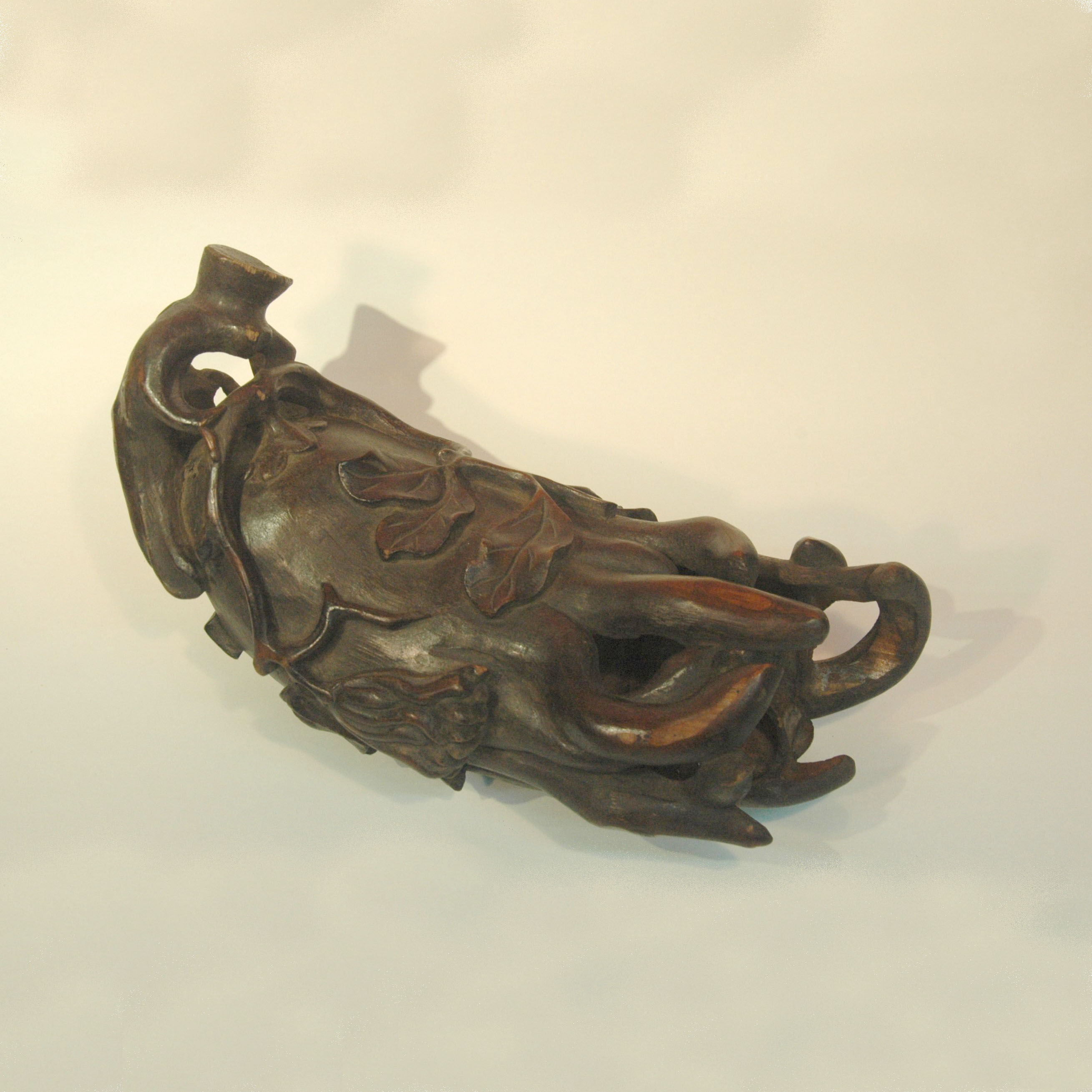
L350xW200xH200mm, China

This is a wood carving of a plant known as the Buddha’s hand fruit (Citrus medica var. sarcodactylis).  It is a citrus fruit that is segmented into finger like section, the section resembles the fingers of the Buddha is tradition Chinese painting, hence the name.  In China the fruit is mainly used for perfuming the room and as an object for appreciation, it is also used in herbal remedy.  Because of the beautiful form of the fruit, it has become an subject for craving (wood, root, stone, jade, etc).

Come and see our collection of Chinese lattice!
please see the entry Lattice

DIA180xH80mm, China

This is a pewter sandalwood burner.  Sandalwood is a fine grain plant which can retain its fragrance for decades, however it is also one of the slowest growing tree.  To use the burner, lay in a line small piece of sandalwood (size of a toothpick) on the burner, covered with sandalwood powder and light at one end.  Wood from the center of the bark and its root has the strongest fragrance.

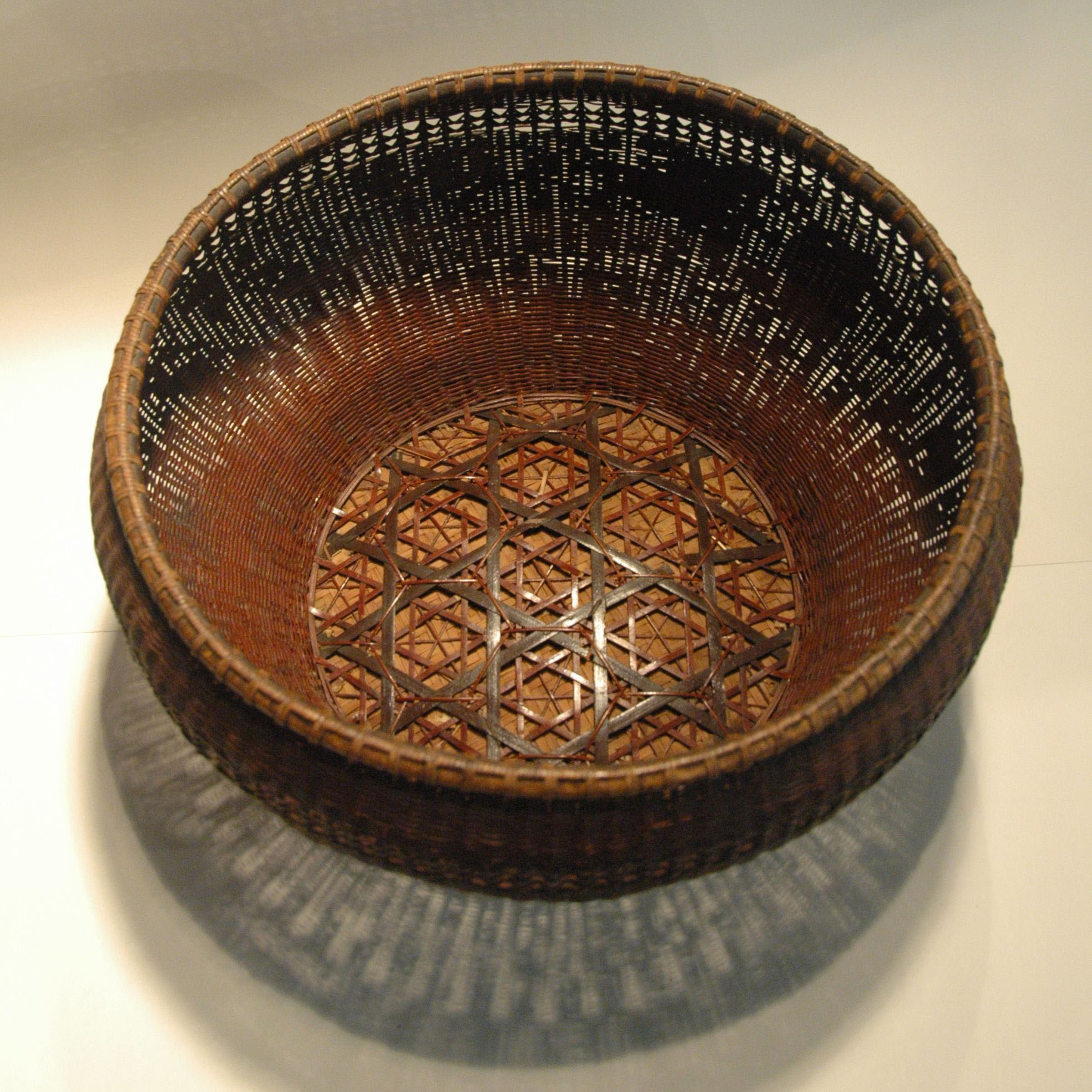
DIA330xH200mm, China

This is a beautifully weaved bamboo basket, it would have been used for keeping fruits or any offering that would require airing.

The traditional bamboo weaving apprenticeship training is hard; for the first 3 years weaving is taught an practice by making bamboo mat.  Only when it has been perfected, one is then taught on more complex object like basket.  The training takes about 10-12 years when one mastered skills and techniques of all kind of bamboo objects is qualified to be a bamboo artisan.  These kind of training and craftsmanship is fading in China as youngsters see better prospect in blooming factories in the city.

DIA60xH130mm, China

After 2 entries about gourd (Gourd Basket, Gourd Cricket Cage), here is a small gourd of the ordinary and natural “8” shape.  Tiny gourds have long been appreciated since the Tang dynasty, Gao Lian in his “Interesting Things To be Appreciated at Leisure Hours” talks about tiny gourds that are only about 25mm in size that one can use as cape   button.  This gourd though not so tiny has a good proportion.

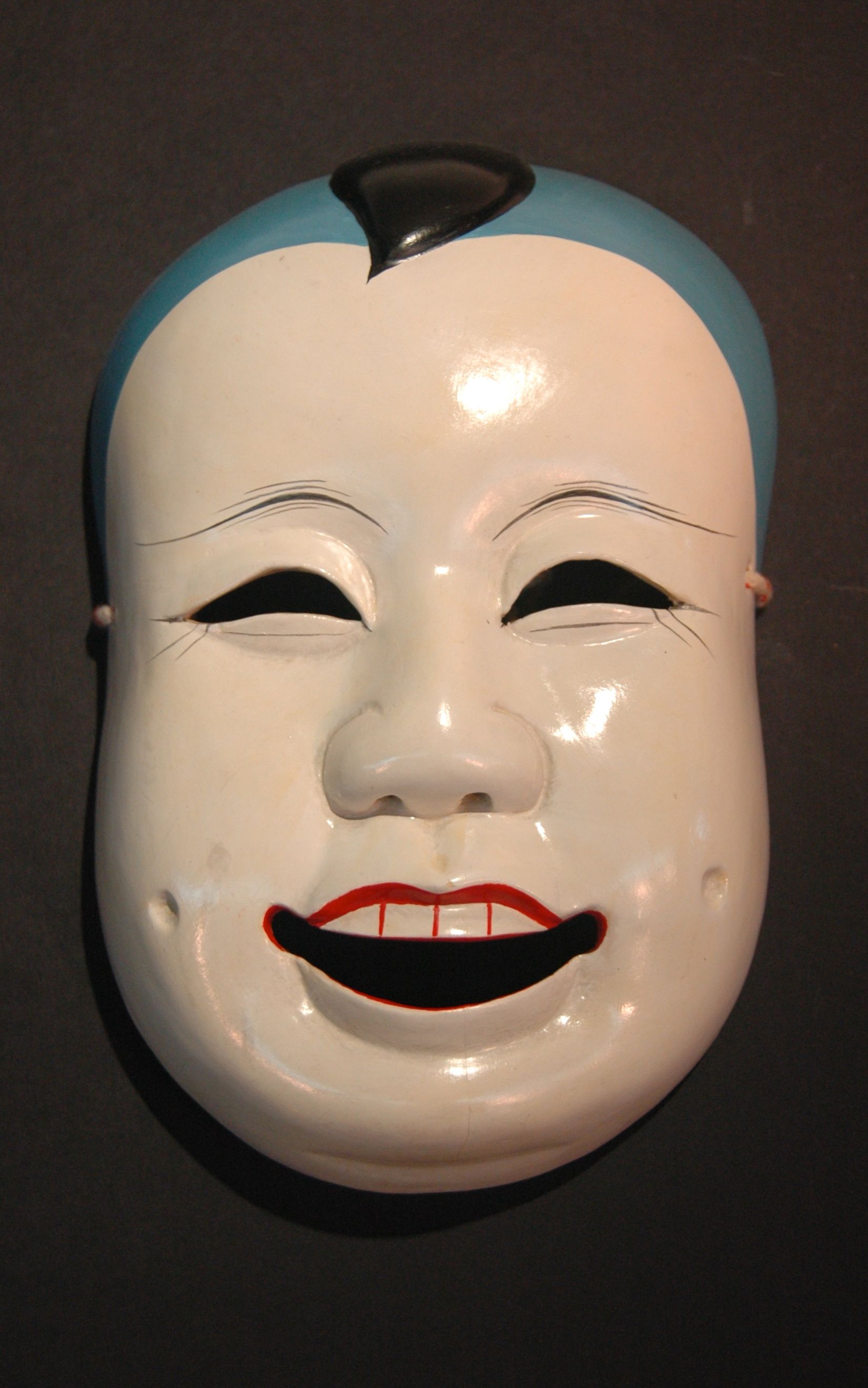
H220xW140mm, China

This is a mask for the Chen He theatre of the Hu Nan district.  In the Ming dynasty, immigrants from Jiang Xi settled in the then barren land along the river of Chen He.  Mixing in the local dialect, the ground theatre and other religious element CHen He theatre was born, because of its history, there are a lot of different branches in the Chen He theatre.  This is a mask for the character Luo Han (Arhat), a Buddhist pupil who has a very high stage of attainment.

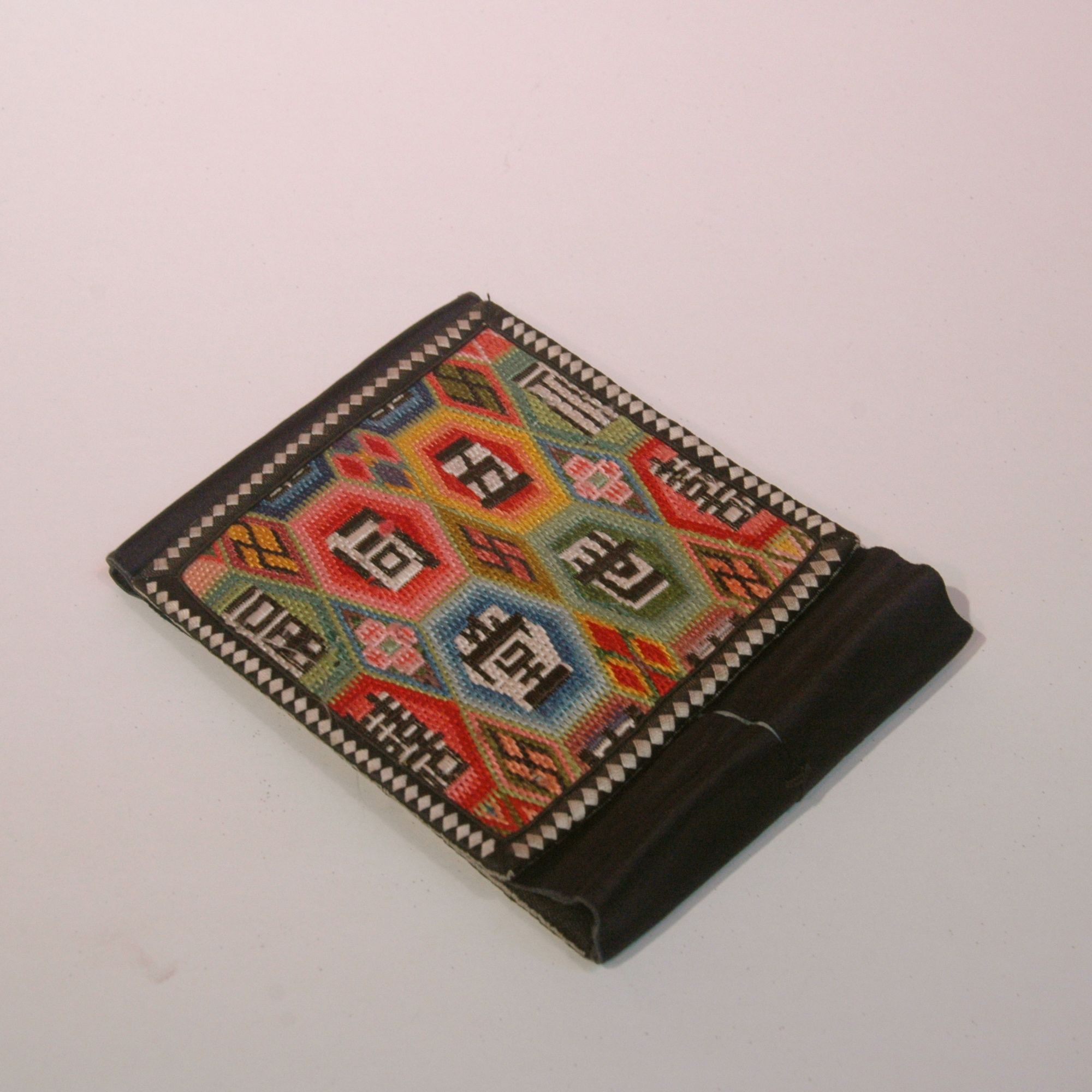
W100xL300mm, China

This is a silk embroidered wallet, He Bao (荷包).  For a long time, I thought the word He has to do with lotus (荷花) but in fact its from the word (负荷) – loading.  In the old days (this going back to Han dynasty), there are no pockets in the Chinese costumes, these He Bao are developed to keep essential items such as the seal, money, handkerchiefs, etc.  In the beginning they are more of a concept for a small sack that are made of leather, can be hung by the waist, carried by hand or as a small rucksack.  By Qing dynasty, they became a popular fashion accessory, made of silk and embroidered.  They will be hang or kept at the waist band, apart from the wallet, the fashionable gentleman would also have in his waist band, a hand fan, aromatic sac, pocket knife etc.  This is folding He Bao, one of the embroidery side would hang out of the waist band while the other 2 flaps securely tuck in.  Embroidered on the wallets are word of blessings; happiness, good fortune, longevity, 5 generations together.