Tobacco was imported to China in the 17th century through Spanish trading. The smoking pipe soon developed into different Chinese variations (see entry Pipe, Water Pipe). This dragon shaped ceramic pipe is probably made for export to the West, it is made by slip case.
Pewter was a popular material for the tea lovers in southern China around late Qing dynasty, at that time there were no electrical kettle but charcoal stove. To keep the distinct aroma of tea, the teapot is only put on to the stove until the charcoal is red hot. The material of the teapot is also very selective, while iron and bronze could affect the subtle taste of the tea leave, pewter was seen as a better material.
This is a toy from the famous Nie estate village, it is believed in the Ming dynasty a man named Nie arrived from He Bei on the run from a business failure. On his desperation he arrived with his wife to a village in Shan Dong, even exhausted and penniless his mind was still reminiscent on the days of high life. He grabbed a handful of clay and formed it in a clay tin, he then filled it with a bit fireworks and left the top open with a small hole. Upon ignition, there comes an amazing fireworks display, it instantly became a hit and he name it Guo Zi Hua (fireworks in a pot). It soon turned into a speciality of the village, the clay figure became more decorative and take on figurines of humans and different animals, so after the display of the fireworks, one get to keep a clay toy as well. As time goes by the fireworks were taken out and the focus started on the clay figurine toy itself.
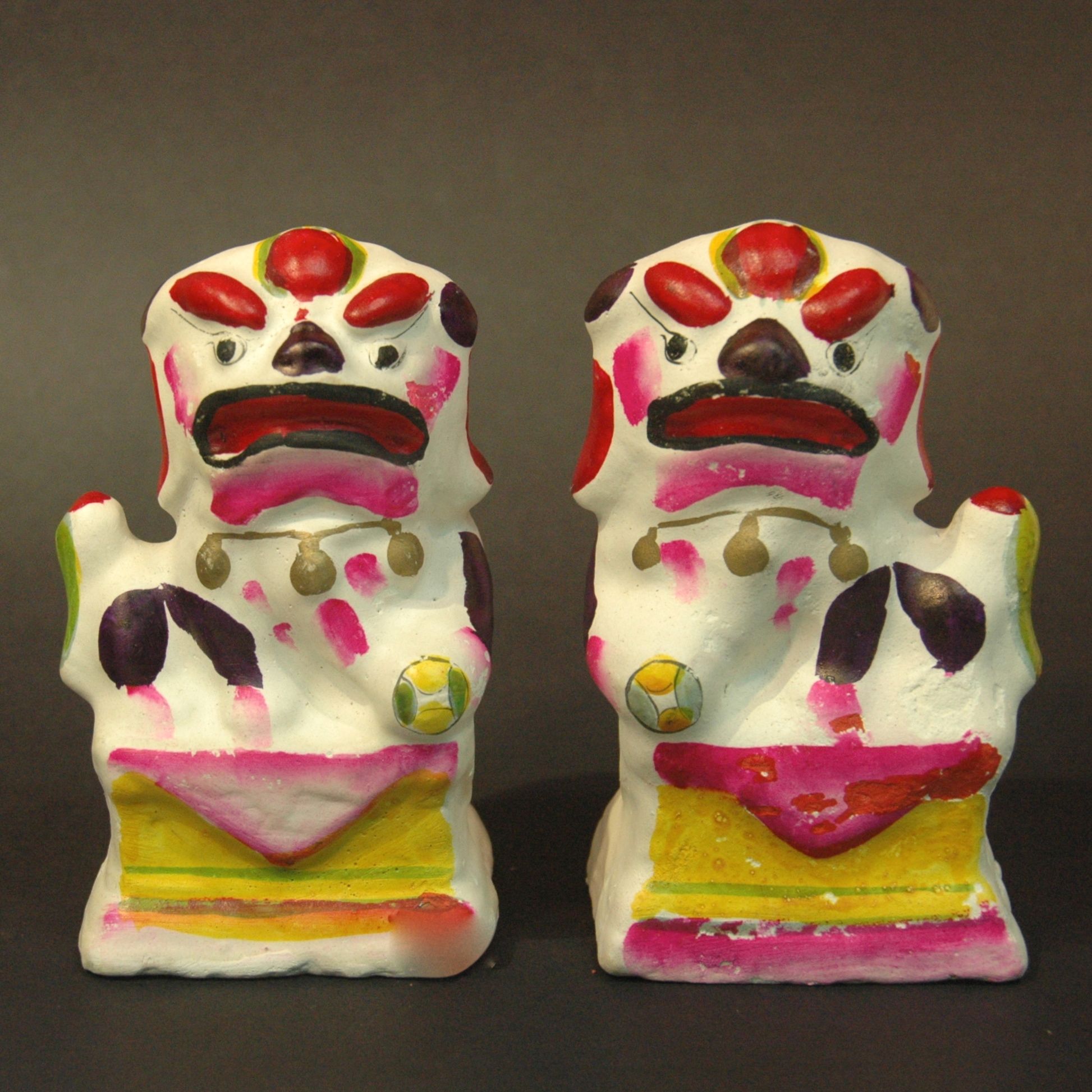
This is a pair of clay lions which about from being a toy also can function as bookends.
Guan Shi Yin (Avalokiteśvara) is a bohisattva who embodies the compassion of all buddhas, the Chinese name also suggests the observation of the mankind. In the Tong dynasty, the proud emperor Li Shi Min forbidden the use words “Shi” and “Man” in all text and that unfortunately included religion as well. The name was shortened to now more common shorten version Guan Yin. The dates for Guan Yin festivals are lunar 19th Feburary (birthday), lunar 19th June (enlightened), lunar 19th September (Bodhisattvahood).
It is believed that when the god Nu Wa created the world, it was the chicken he made on the first day (of Chinese New Year), dog on the second, pig on the third, goat on the fourth, buffalo on the fifth and horse on the sixth. On the seventh day, human was created (hence it is the birthday for all man on the 7th day of Chinese New Year). These 6 livestock were very important for the Chinese who are agriculture based for a long time, they are seen as a symbol of blessing (they made up half the 12 zodiac animals).
Legend has it that a long time ago on a mount in Chong Shan lived a golden rooster who like a alarm would crow at the same time every morning. Hearing the crowing, people who lived a the mount opposite would ring the bell to wake all the villages around. The golden rooster has a habit of snacking off the vegetable field, one day a farmer was angry at the rooster for damaging his crops and curse on it. With the curse, the golden rooster fell from the mount and landed on by the river and turned into a large piece of rock, since then no crowing can be heard again.
This is a wood block print of the golden rooster crowing, a blessing.
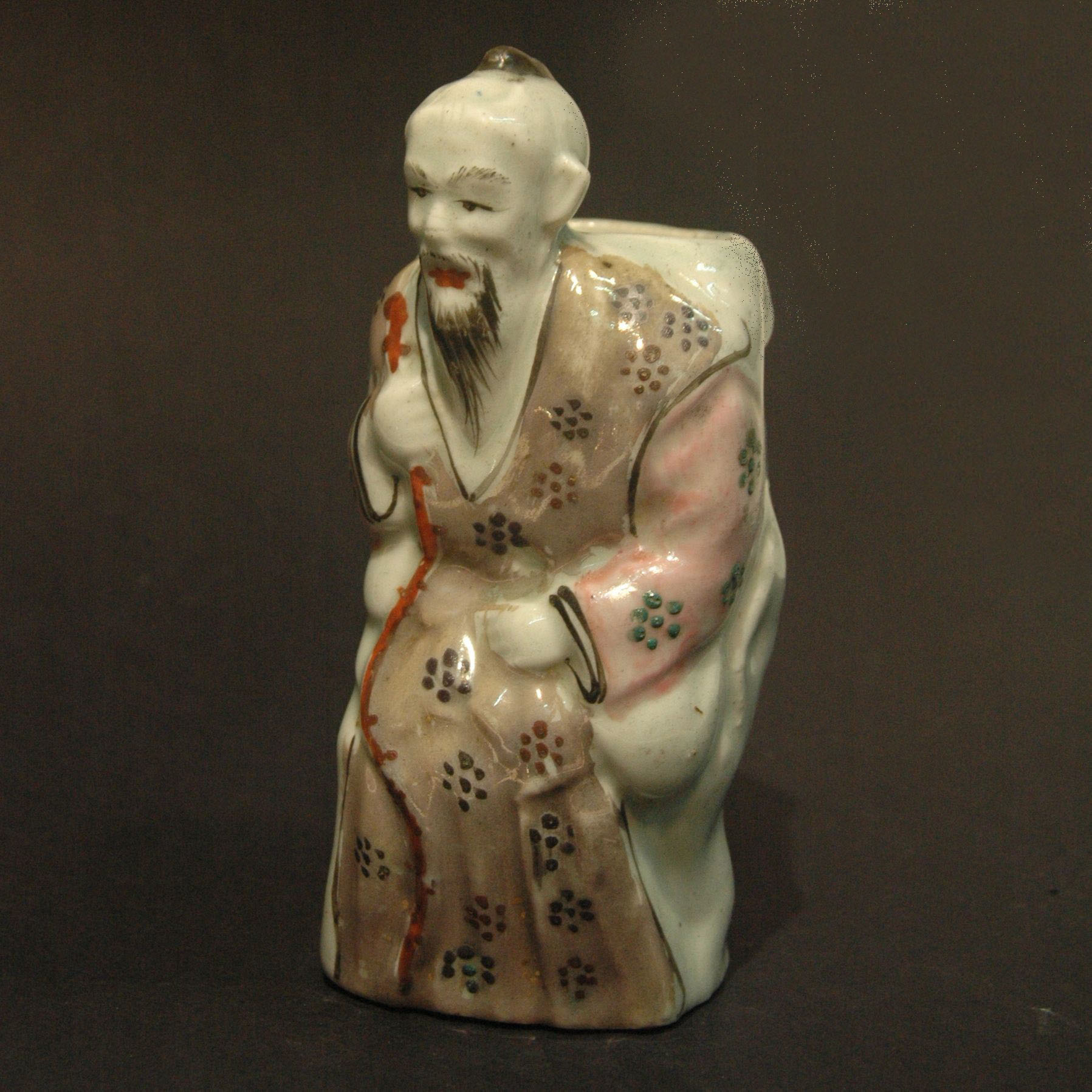
Unlike the pen holder we have nowadays where all the stationary collection is stored, the Chinese pen holder is for the storage of calligraphy brush alone. This penholder is in form of a old man sitting on a piece of rock.
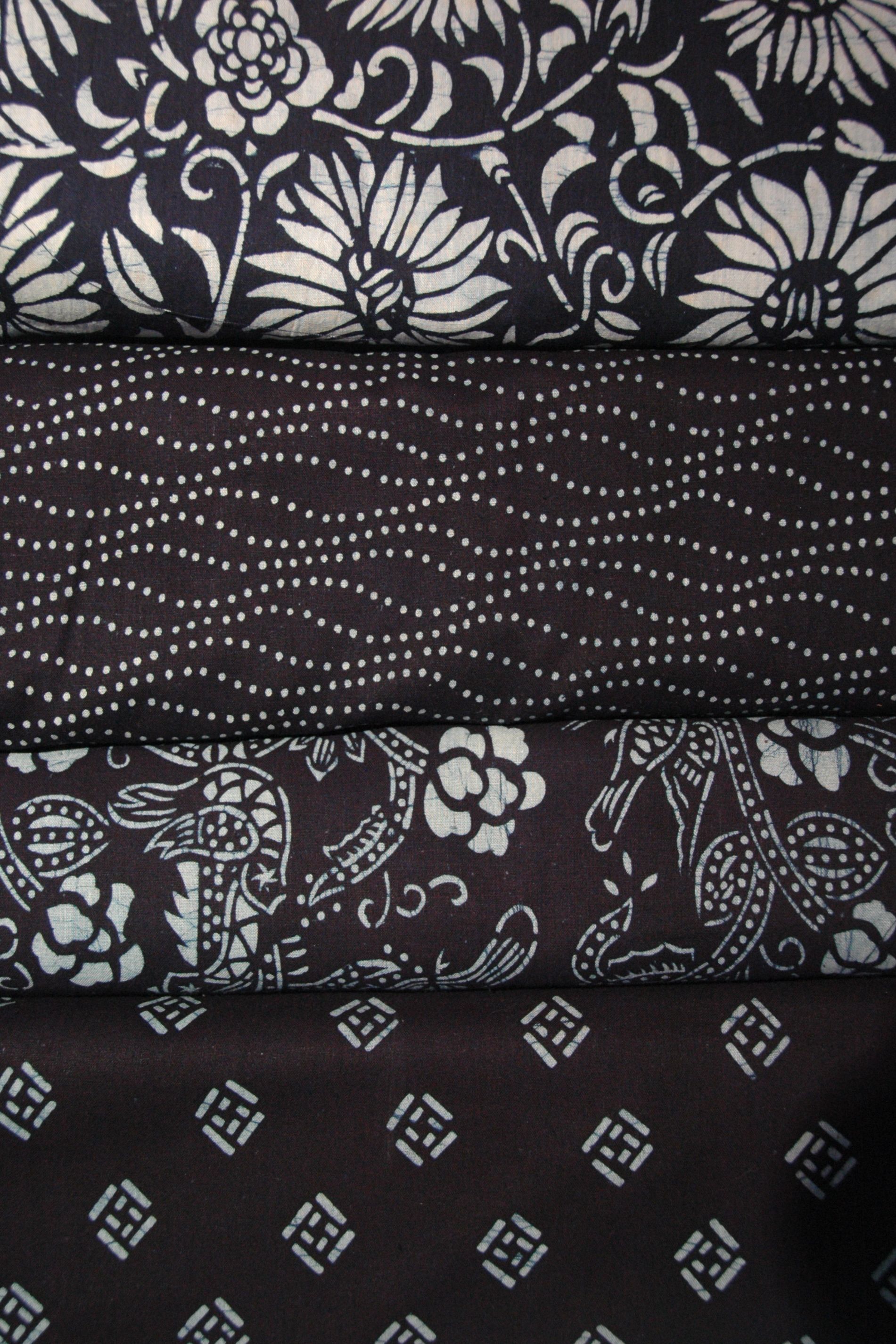
This indigo dye fabric came from Gui Zhou, a place which produces the Blue Grass (Indigofera Tinctoria L) which the indigo dye was extracted from. Around September to October, the grass will be harvested and soaked in water for 6 days, stirring every 2 days, after which the soaking liquid is poured into a tank with lime. The mixture is stirred for a couple of hours then left over night to precipitate, by the next day the lime would have extracted the dye, the water covering the lime is carefully taken out. In Gui Zhou, the Blue Grass is also used for disinfectant.
For the dyeing technique of please refer to previous post of Indigo Dye Fabric.





 Mountain Folkcraft