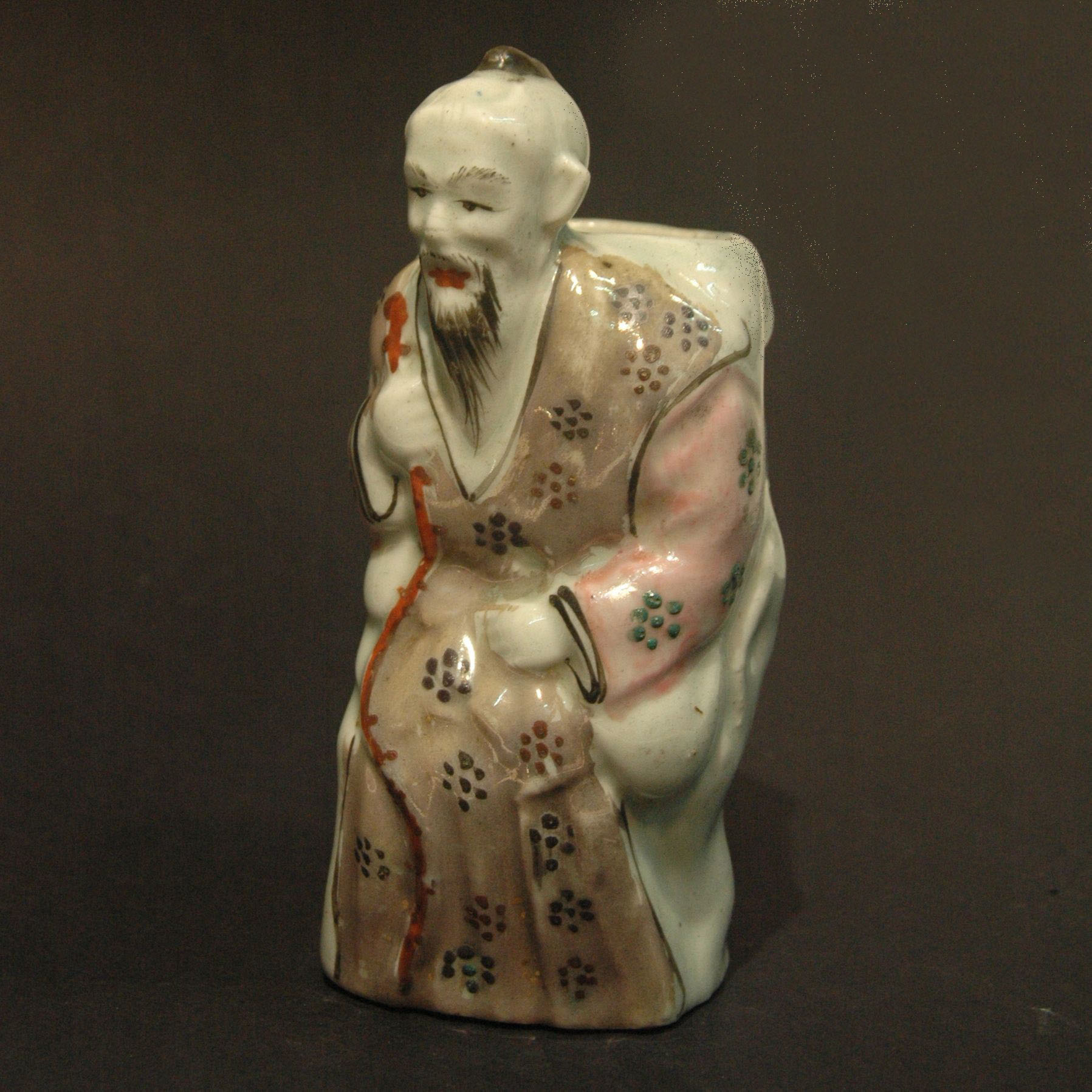
DIA70xH150, China
Unlike the pen holder we have nowadays where all the stationary collection is stored, the Chinese pen holder is for the storage of calligraphy brush alone. This penholder is in form of a old man sitting on a piece of rock.
DIA70xH150, China
Unlike the pen holder we have nowadays where all the stationary collection is stored, the Chinese pen holder is for the storage of calligraphy brush alone. This penholder is in form of a old man sitting on a piece of rock.
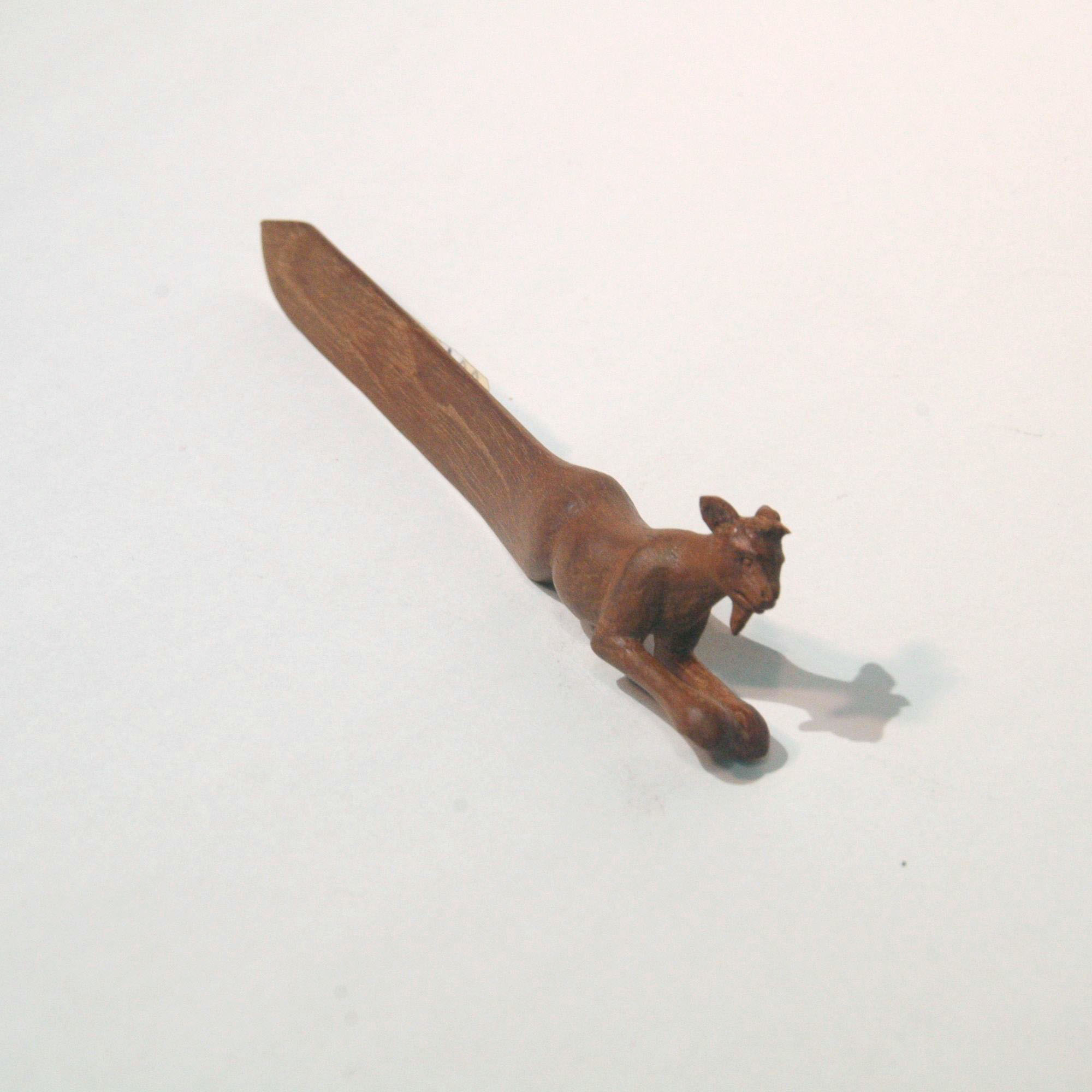
L150mm, Indonesia
This is a wooden letter opener with a goat figurine as a handle.
I would like to share with you a lamb satay recipe.
SATE KAMBING (make 15 skewer)
INGREDIENTS

W150xD100xH300mm, China
There are numerous gods of wealth in China, mainly there are 3 more popular ones, the Main God of Wealth (Zhao Gong Ming, also known as the Moon God of Wealth), the Intellectual God of Wealth (Fan Li) and the Martial God of Wealth (Guan Yu). This is a figurine of the Main God of Wealth.
And you might ask why is he has a pet tiger, well actually that is his transportation which he picked up on the way to the war of Emporer Shang Zhou Wang.
(see the same figure in wood for his legend: God of Wealth)

H170xW50xD70mm, Macau
I have been pondering about this figurine for a long time. It is a Tanka god which would have been worshiped on the junk boat, keeping them safe on their fishing voyage. But what kind of god would it be to be on a bicycle?!! All my research led to dead ends.
A couple of days ago, I was in Tai O, an old fishing village in the remote part of Hong Kong. I was attracted by the artworks surrounded a small convenience store, to my surprise they were created by the 84 years old owner, Mr. Lu, who was borned in Tai O of the Tanka clan. He is like a walking history book and I took the opportunity to find out from him the nature of this figurine. The figurine was indeed for worshiping, however it is not a proper god as such but someone in general who might harm you (giving you trouble, tummy ach, etc.) So these people are made into figurines and offerings are made to them as if they are some kind of gods. From the costume of the figurine, he is likely to be an official similar to today’s policeman.

Decoration outside Tokyo Store, Tai O.
They were created each year for the Chinese New Year with the corresponding animals from the zodiac signs, this was for the year of the rabbit.
If you are visiting Hong Kong, Tai O is a great place to go if the city and the malls becomes too overwhelming.
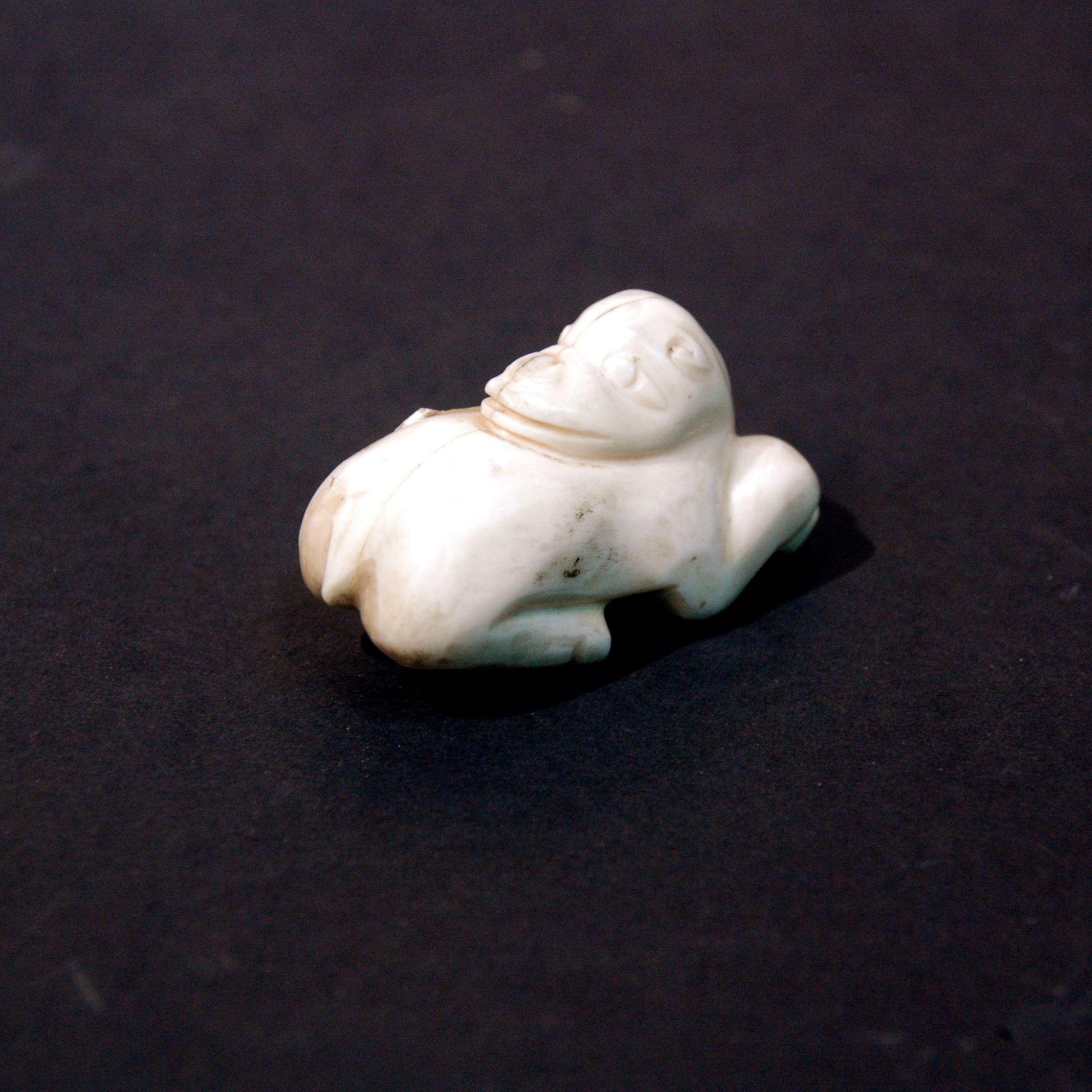
W30xL60xH80mm, China
 This stone carving has puzzle me for a while; what creature can it be?
It has:
no horns,
a short neck,
long legs,
hoofs,
short tails
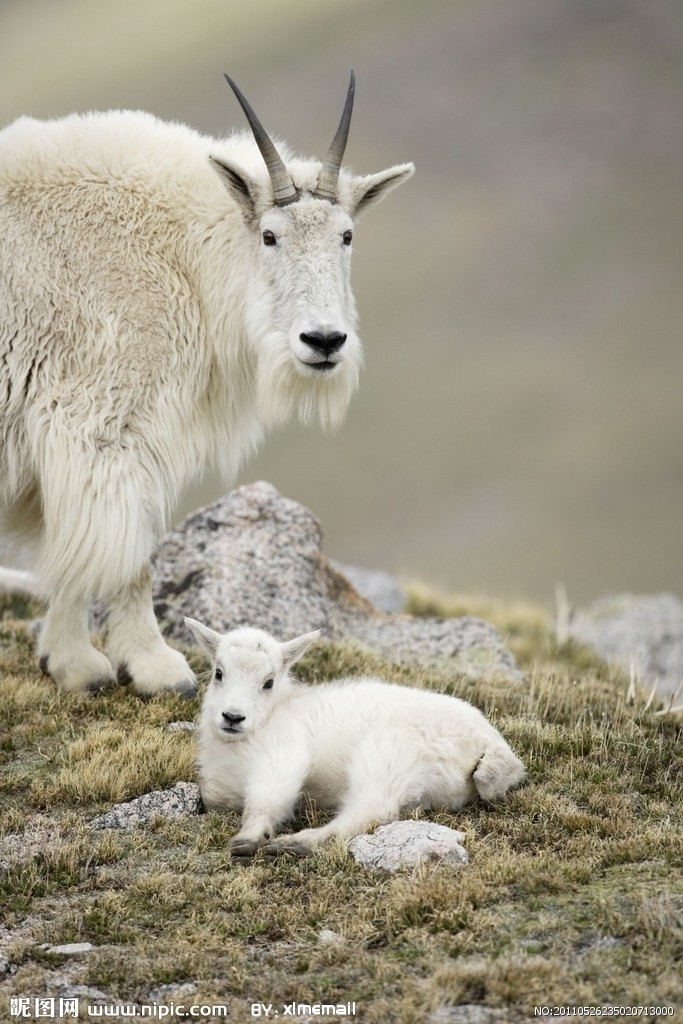
Baby goat?
let me know if you have a better guess.

L40xW20xH50mm (L), Thailand
I used to play with these when I was a child, a flock of these metal birds. I am certainly surprised to find out they are weights for measuring opium when i am older. On further research, I am please again to know that because of the small weights they are used to measure anything light and precious (metal, spices etc). The bird figure is of the Hamsa which represent a perfect balance, union and life. As the Hamsa can walk, fly and swim; it is believed they have the power to transcend the limitation of the creation around it.
These brass weights are made with the method lost wax casting; a clay core model of the weight is made, a lay of molten wax is poured over the model. The wax is refined and covered again covered by layers of clay which takes the negative form. Drain duct as placed for the wax and gas to escape, the clay core secured, then molten metal is then pour in through an opening at the base, as this is going to be a precise weight the amount of metal used is carefully measured. The wax is melted and replaced by the metal which takes the detail and shape of the wax, the outer layer is removed and the weight is casted.
The large hamsa weights 10 tical (164g), medium 3 tical (49g), small 1 tical (16g)

W100xH120mm, China
Apology for not blogging for the last few days. The blog is back on again!
Knife-Horse-Man is the name for artifice whose subject is based on war based stories or opera. K-H-M can be found in paintings, illustration of ceramics down to folk toys like these. Some of the clay K-H-M figures can be as tall as 600mm, it is believed that they are able to protect the household.
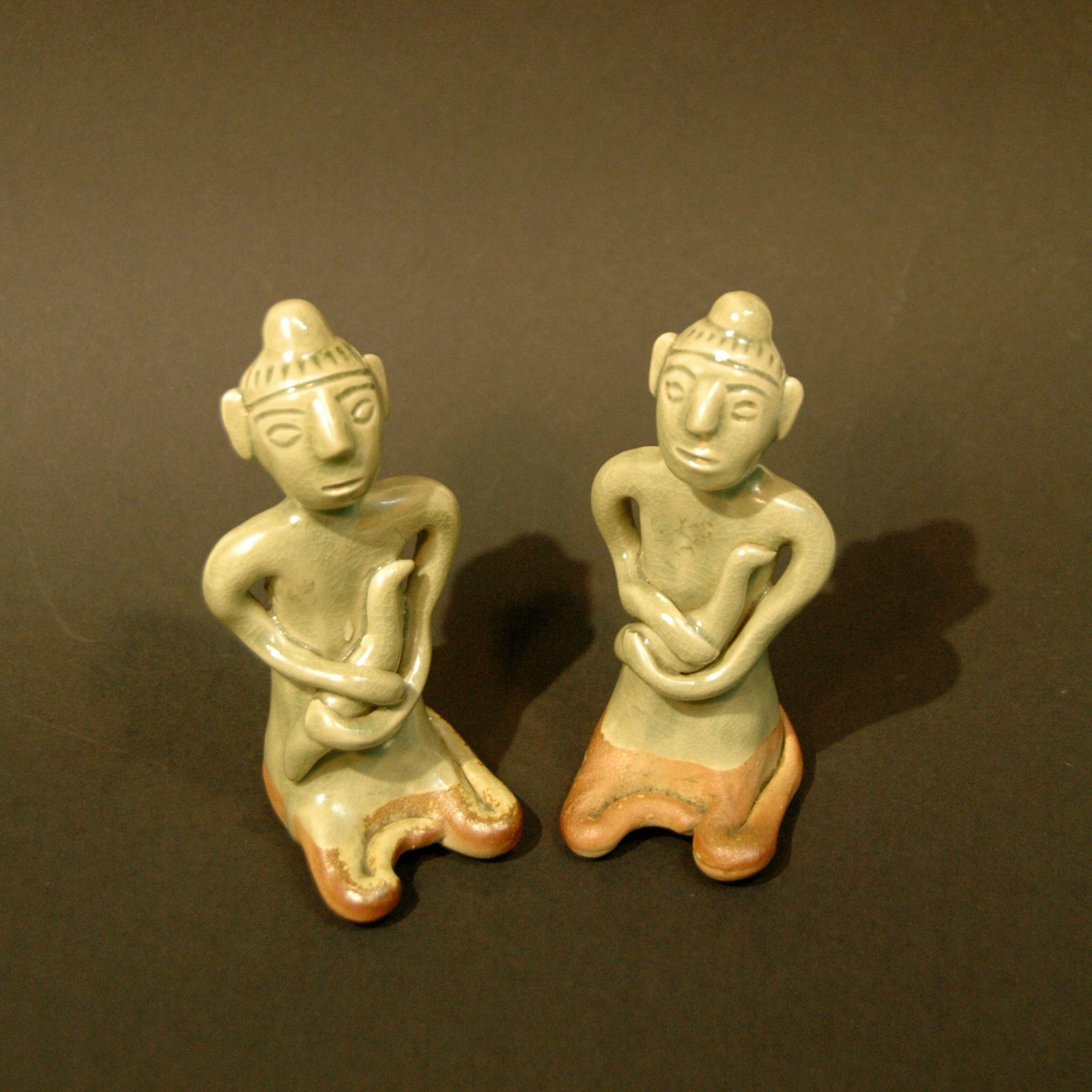
W60xD60xH130mm, Thailand
These are a couple of Sawankhalok figurines of men with their fighting cocks, these are ceramic figures with a celadon glaze. Sawankhalok and Suhokthai are best known for their traditional ceramics. The are believed to be votive offerings to be placed inside shines for guarding natural spirits (hill, river, tree etc.)

L60xW30xH30mm, China
This is a small stone carving of a small rat and cucumber.
Does rat like cucumber?

W40xL80xH80mm, China
Clay toys are a popular folk toy, they are affordable and has a certain naive and child like expression. Wonder how these clay toy are made? The clay from 2m under ground are usually used (they are easily available, higher in plasticity and with less impurity). The dug up clay is sun dried then crushed down with a mallet. The fine clay sieved out into a dish and soaked with water for a several days. The semi wet clay is lay on a stone slab; after a sprinkle of water, it is pounced with a mallet, this process is repeated several time until the clay is not sticking to the slab, then form a cube with the clay. Slabs are cut out with a wire and then into coil. The coils are pressed onto a 2 pieces mould (the mould are dusted with dried clay powder for ease of case removal), the 2 parts of the mould are then joined together and joined together with additional coil from the inside, then the bottom is sealed off. The mould is released and the clay toy is left to dried before colouring. The base colour of the Chinese clay toy are normally white, with a few line to pick up the details.
 Mountain Folkcraft